The State-run company is inviting a dozen or so food-service establishments in Santiago de Cuba to tender offers.
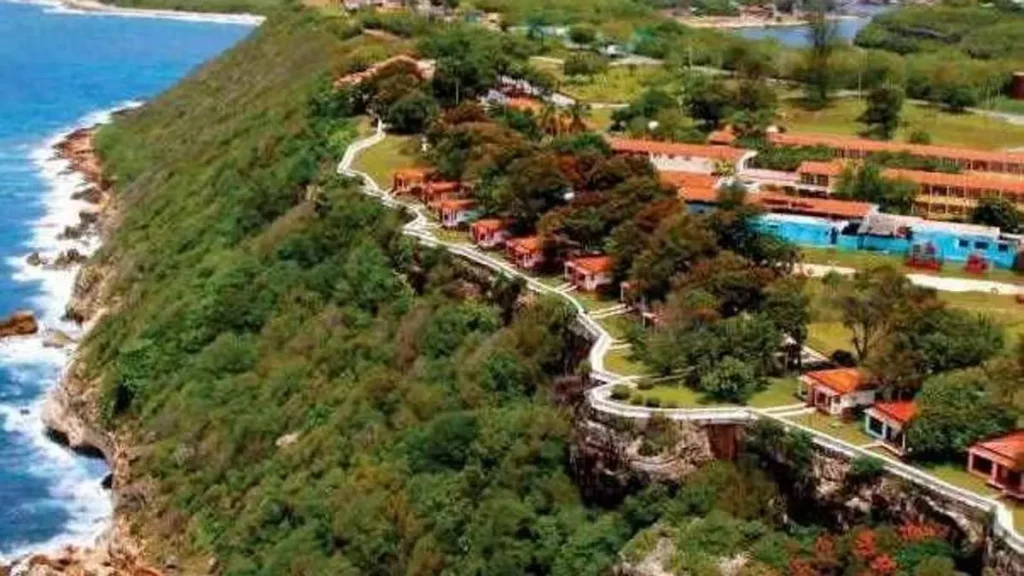
 14ymedio, Madrid, September 15, 2026 – As many as eight hotels and two entertainment venues in Santiago de Cuba are seeking private investors to give them some much-needed support for the entire establishment or just part of it. The provincial branch of the State-run Islazul chain announced on social media this Monday the tendering of this substantial package of facilities to manage them under the modalities of “leasing, cooperation and consignment.” Interested parties may submit their proposals until next October 1, in an offer that highlights the radical – forced – shift in national tourism policy.
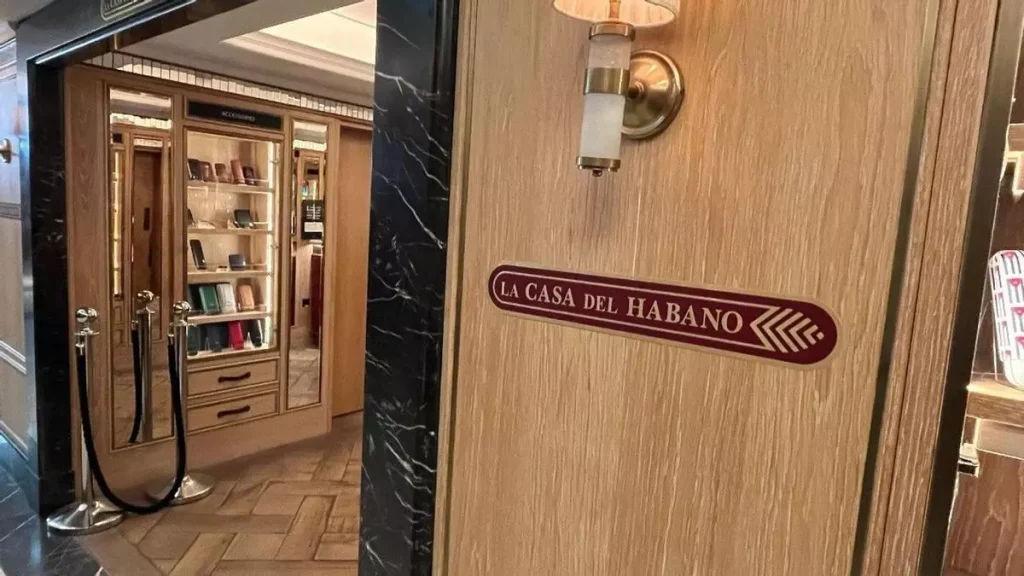
The proposal includes the leasing of the services and food-service areas at the Costa Morena and Balcón del Caribe hotels, the Bucanero and Cabaret Tricontinental restaurants and the Compay café at the Hotel Las Américas; the restaurant, grill and bar at the Hotel Gran Piedra; the terrace, bar and restaurant at the Hotel Deportivo; the bar at the Hotel Perla; the complete food-service complex – cabaret-restaurant, bar and café – at Rancho Club and Villa San Juan; the terrace at the Hotel Rex; and the terrace and bar at the Hotel Libertad.
To be eligible to manage these establishments, the required documentation must be submitted in an envelope identifying the location being sought and including the applicant’s information and the project. The latter consists of the technical plan and financial proposal. The message posted on social media also provides the address and telephone number for further information. However, there are no tender documents available – as is customary in international practice – containing, among other things, the terms and conditions, financial fees and other specific matters. continue reading
However, there are no tender documents available – as is customary in international practice – containing, among other things, the terms and conditions, financial fees and other specific matters
Since 2022, a resolution of the Ministry of Domestic Trade has regulated tendering processes allowing non-state economic actors to take over facilities that are underused or in poor condition. The regulation specifies that ownership remains with the State. Under this system, countless properties have passed into private hands, with private operators improving premises, services and products, and what began almost as an experiment has spread to all kinds of sectors. Although food service leads the tenders by far, there are cinemas, parks, workshops, bakeries and all kinds of businesses that have changed hands.
However, the leasing of food-service spaces in hotels is another step following the abandonment by the major hotel chains, with which a preferred partner had previously been sought. In 2019, the company presented an investment plan for its establishments throughout the country, as well as plans to open new venues.
At that time, when the State-run company was celebrating its 25th anniversary, the president of Islazul presented the project to the official press, giving priority to the arrival of foreign capital. “We are open to foreign investment, especially management with financing and marketing. For this, we already have a management contract with Meliá,” he commented. The Spanish hotel company had management agreements at several of the Cuban chain’s hotels, and the executive hoped to expand through that channel. He announced that negotiations were underway with foreign operators and that tenders were being held in several destinations, including Santiago de Cuba, as well as Havana, Varadero, Camagüey and Sancti Spíritus.
That path has been completely closed since foreign hotel companies, mostly Spanish, left the Island following Donald Trump’s executive order warning of sanctions against companies from any country that did business with the Cuban regime. Meliá has been the case with the greatest impact, since until this year it had been managing 34 establishments on the Island and, even despite the negative outlook for the tourism sector – in decline, since 2019, and in outright collapse since 2026 – had declared its intention to remain in Cuba. The responsibilities to the shareholders of this publicly traded company have outweighed the friendship of its executive chairman with the regime, a relationship he inherited from his father.
In this situation, and with no flights to Cuba, the Government has begun a timid opening in the tourism sector while at the same time expanding its search for domestic private capital for these establishments. The population, however, is skeptical. “Cuban capitalists are no longer traitors; now they are dollar-traffickers. They are stone-faced, buddy, but when it comes to asking for something, they’re the first to say no,” one user comments on the State-run company’s post, where distrustful reactions were abundant. “So that afterward you spend your money, make it look nice, and they take it away from you.”
Translated by Regina Anavy
______________________
COLLABORATE WITH OUR WORK: The 14ymedio team is committed to practicing serious journalism that reflects Cuba’s reality in all its depth. Thank you for joining us on this long journey. We invite you to continue supporting us by becoming a member of 14ymedio now. Together we can continue transforming journalism in Cuba.