Big M won the qualifier at the Cuba Pavilion and joined Reverse and Pirry to represent the Island in the World Championship of this discipline
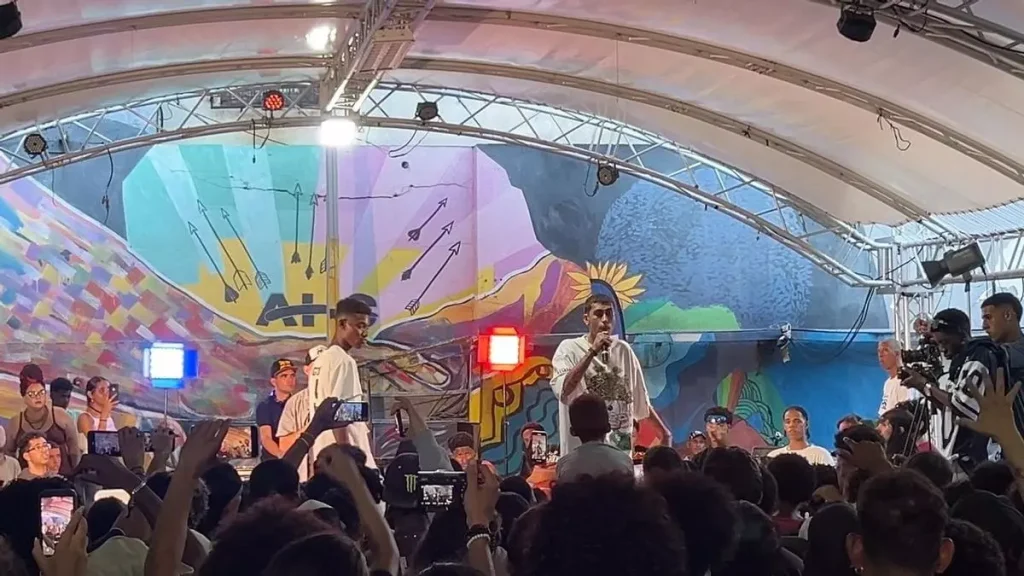
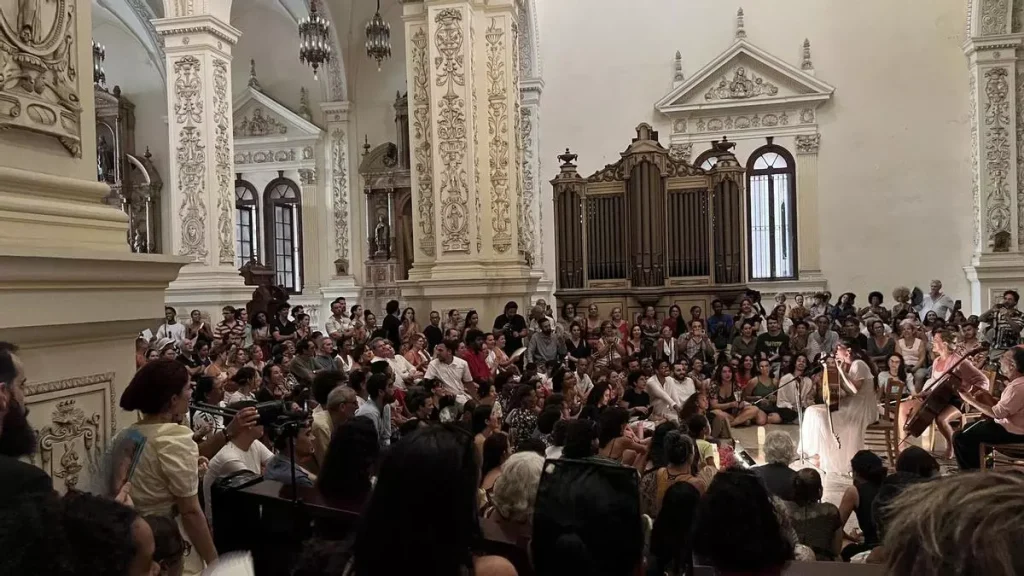
 14ymedio, Dario Hernandez, Havana, October 5, 2026 / Emigration, blackouts, transportation problems, violence, racism, and freedom were some of the themes that emerged this Sunday in the improvisations of more than 200 young people registered for the Cuban qualifier for the Freestyle World Cup, held at the Pabellón Cuba in Havana’s Vedado district. Big M ended up winning the tournament and secured the only remaining spot on the national team.
Of the more than 200 entrants, 16 competitors advanced to the main stage. Big M won out among them, joining Marcos Daniel Acosta Leiva, Reverse, capitán de Cuba, and Pirry, also known as Big Tony, who had already secured their spots on the team.
The trio will represent Cuba at the Freestyle World Cup, which will bring together teams from 23 countries across the Americas, Europe, and Africa. The first day of the group stage is scheduled for December 4th in Colombia, and the grand final will be held on the 12th at the Arena Ciudad de México.
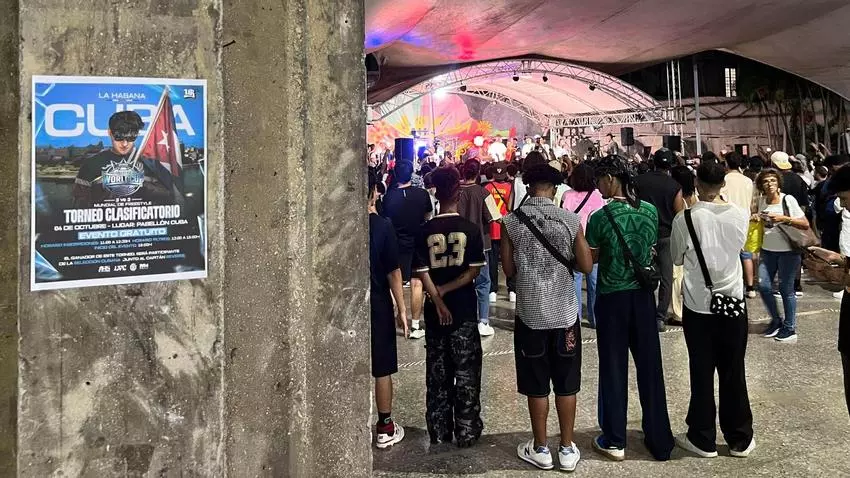
Emigration was one of the most recurring themes during the day at the Cuba Pavilion. There were rhymes about emigrating to Brazil and returning, and about the connection between leaving the island and achieving freedom. “Leaving here is being free” was one of the phrases heard during the competition. continue reading
References to theft and violence were also frequent, along with racial slurs and derogatory remarks. The drug known as “the chemical” appeared in the rhymes, as well as allusions to racially motivated attacks. In the earlier phase, there were also more indirect references to power outages and transportation difficulties.
During their freestyle “battle” Mesa reproached Gonki for being “from the Party” and called him a “chivatón” [snitch].
Politics appeared much more explicitly in one of the first-round battles. Mesa faced Viswanathan Martínez Oliva, Gonki, and reproached his opponent for being “from the Party,” called him a “chivatón,” [snitch] and spit rhymes about freedom.
The jury decided on a rematch, a tie that necessitated a new round. Mesa maintained the same tone during the tiebreaker, but the judges awarded the victory to Gonki. There were boos, numerous attendees began to leave, and the presenter had to intervene to calm the audience, as reported by 14ymedio.
There had been no public announcement of a prohibition on political matters, but after that battle, however, direct references to the reality of the Island virtually disappeared. Mesa had also provoked a strong reaction among the attendees, and after his elimination, the atmosphere lost some of the intensity that had characterized the first rounds.
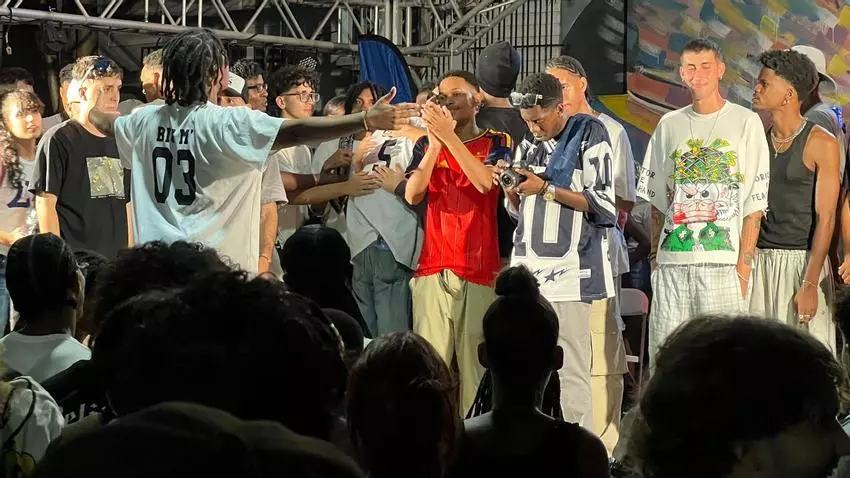
Gonki has a previous track record within the Cuban scene: in addition to competing, he has been a judge and organizer of the Havana Regional of Rimas sin Tarima (Rhymes Without a Stage) and is the creator of the Ciudad de Freestyle (City of Freestyle) project. Big M, for his part, is presented in specialized sources as a national champion and promoter of hip hop culture in Havana.
The other two members of the team will also be going into the international stages with experience. Reverse, born in Cuba and residing in the United States, won the Red Bull Batalla US National Finals in 2021 and 2023, and Pirry competed this year in Spain, participating on October 3rd in FU V-Renacer, in Santiago de Compostela.
______________________
COLLABORATE WITH OUR WORK: The 14ymedio team is committed to practicing serious journalism that reflects Cuba’s reality in all its depth. Thank you for joining us on this long journey. We invite you to continue supporting us by becoming a member of 14ymedio now. Together we can continue transforming journalism in Cuba.