Gasoline prices exceed 4,000 pesos per liter, driving up reliance on electric tricycles
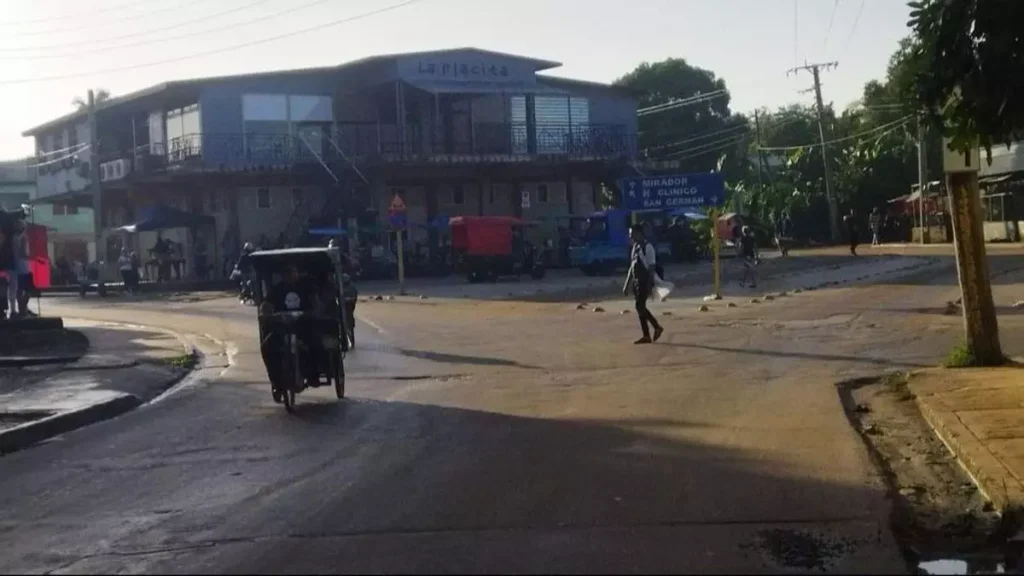
 14ymedio, Holguín, Miguel García, March 12, 2026 — In the streets of Holguín, there’s a strange mix of shock, anxiety, and anticipation. Conversations multiply at the bus stops, in the doorways, and on the electric tricycles that now dominate the urban landscape. While public transportation crumbles and fuel prices break records, many repeat a phrase that has become almost a refrain: “This can’t go on any longer.”
A 14ymedio reader who lives in the city describes a tense atmosphere, filled with comments and speculation. “People are in a kind of stupor, but within that stupor they’re very attentive to everything,” he says. According to his account, people on the street are talking about politics, the economic situation, and also what might happen to bring about change on the island. “There’s a lot of hope, a lot of people are paying attention to what Donald Trump is saying.”
The daily scene, however, is marked by much more immediate problems. Gasoline, which had already been rising in price for months, has surpassed 4,000 pesos per liter on the informal market and, according to several local sources, is approaching 4,500. The result is visible on the avenues of the eastern city.
“You practically don’t see any motorcycles or private cars on the street,” the Holguín resident recounts. “Those you do see are almost all state-owned.” Many owners have opted to leave their vehicles parked in garages because fuel has become unaffordable. continue reading
“Appointments are already being sold for more than 3,000 pesos.”
The absence of these means of transport has opened the door to another key player: electric scooters and tricycles, which now serve as the main alternative for getting around the city. In many neighborhoods, they have become the only way to travel.
The surge in these vehicles has, in turn, provoked renewed tensions with the authorities. At several transport hubs, police presence has intensified, according to numerous residents. Officers are checking documents, detaining drivers, and verifying vehicle registration.
“The police are cracking down on the tricycles,” the reader says. “They’re stopping everyone.”
In the face of the current desperation, authorities have begun issuing temporary permits to transport passengers or cargo, even to drivers who don’t meet all the requirements. But even obtaining a license has become a nearly impossible process.
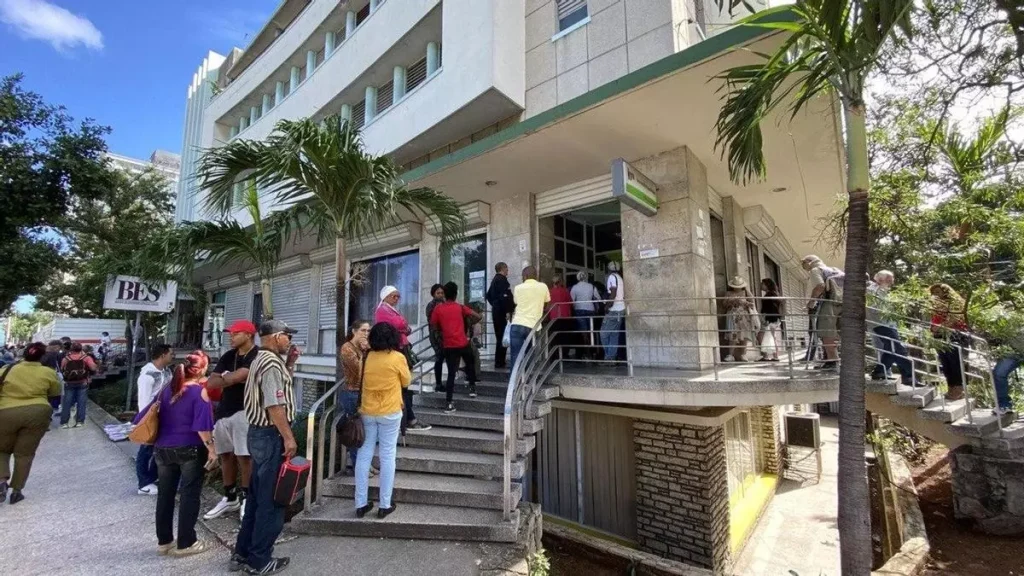
Traffic offices are overwhelmed by the demand from people wanting to register their electric vehicles. Applicants must go through a queuing system that has become fertile ground for corruption.
“It’s a chain of problems that ends up affecting the entire transportation system.”
“There’s a waiting list for the computer-based knowledge test, and another waiting list for the practical test,” he explains. “And they’re selling for over 3,000 pesos.”
Meanwhile, dozens of tricycles and mopeds remain impounded because their owners haven’t been able to complete the necessary paperwork. The result is a paradox: vehicles that could ease transportation congestion sit idle while bus stops fill up with desperate passengers.
“One thing leads to another,” the Holguín native summarizes. “It’s a chain of problems that ends up affecting the entire transportation system.”
In that scenario, political commentary seeps into everyday conversation. Some citizens openly express their frustration with the government. “You hear phrases like, ‘I hope Trump comes and takes these bastards away,’” the Holguín resident told this newspaper.
Beyond those expectations, the most repeated phrase is something much simpler: “This can’t go on any longer.” The reader assures us that he has heard it in all kinds of circles. “You hear it from anyone: workers, ordinary people, even intellectuals.”
______________________
COLLABORATE WITH OUR WORK: The 14ymedio team is committed to practicing serious journalism that reflects Cuba’s reality in all its depth. Thank you for joining us on this long journey. We invite you to continue supporting us by becoming a member of 14ymedio now. Together we can continue transforming journalism in Cuba.