Sick Doctors and Overwhelmed Hospitals, the “Virus” Spreads Throughout Cuba

After months of inaction, health authorities warn of an “exponential” rise in chikungunya and dengue fever.

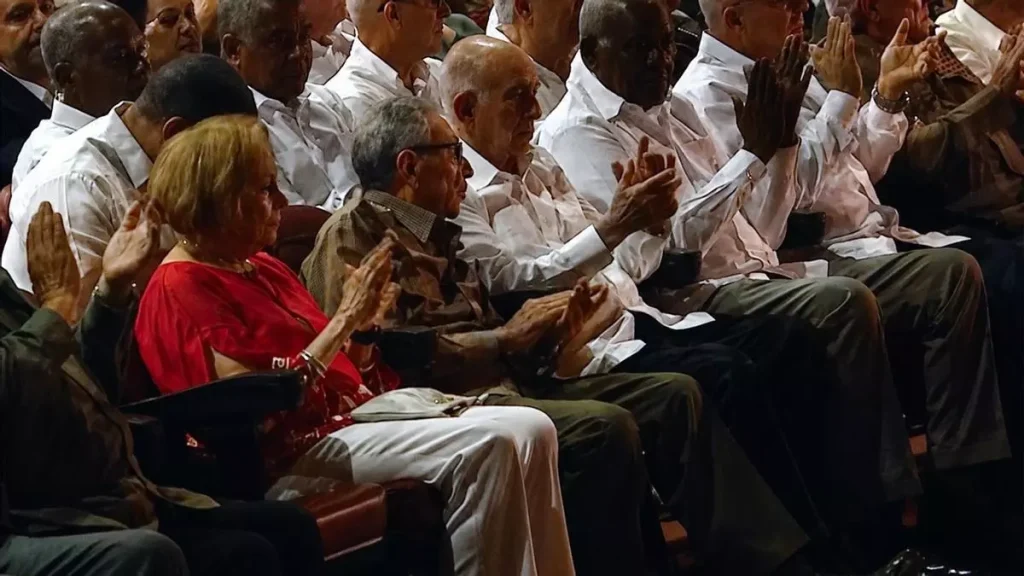
Hurricane Melissa not only left broken roofs, flooding and endless power cuts in its wake, it also complicated the health situation, which was already serious before the cyclone struck. / Girón

14ymedio bigger14ymedio, Havana, November 7, 2025 — “At my workplace, there are 14 doctors, nurses and staff members recovering from the new viruses,” a worker at the Doctor Cosme Ordóñez Carceller polyclinic in Havana’s Plaza de la Revolución municipality tells this newspaper. “Most of my colleagues are ill,” she adds, confessing to feeling “overwhelmed” by the number of daily cases she has to deal with at the medical centre.

Tamara Alonso, who lives in Lawton, writes: “Here, every family has had at least one person with the disease, at a minimum. On my block, everyone has had it and is still going through it. There are three of us in my house, and all three of us had it. I also have a friend who went to Vedado four days ago, and he told me that on 23rd Avenue, almost everyone was walking around like robots. It’s horrible, both during and after.”

The health crisis has the entire country in check. The José Martí Pérez Paediatric Teaching Hospital in Sancti Spíritus has increased its capacity in response to the rise in arbovirus cases in the province. According to its director general, Ramón Aquino Lorenzo, 20 beds have been added to the 152 already in place, and the emergency room and nursing areas have been reinforced. The doctor asks the population “not to stay at home” and “to see a doctor in the early hours to prevent possible complications that may arise in this type of pathology,” something that Cubans tend to resist, especially due to the shortage of resources and reagents in health centres.

The news, published on Friday in the provincial newspaper, along with other reports in the official media about the health emergency, reflects the sudden concern of the authorities after months of ignoring it. On Thursday, Adelante warned of an “exponential” increase in Camagüey in diseases transmitted by the Aedes aegypti mosquito, especially chikungunya and dengue. In the provincial capital, there is “a daily average of 450 people continue reading

with feverish symptoms and a cumulative infestation rate of 2.16″.

The scene described here seems to be taken from the dystopian film ‘Juan de los Muertos’

Clinical trials also began on Thursday for the drug Juzvinza, intended for the treatment of “joint inflammation that persists in many patients after the infection has been overcome” in chikungunya. Dr Perla María Trujillo Pedroza, a specialist in comprehensive general medicine at the Manuel Piti Fajardo Polyclinic in Santo Domingo (Villa Clara), who had been highly critical of the authorities’ inaction in the face of the epidemic, welcomed the announcement of the trials – “Late? Yes, but something is better than nothing,” she wrote on her Facebook page – although she called for “continued work on prevention, on which very little has been done.”

Many Cubans in exile are distressed about the situation of their relatives in Cuba. “Some of my uncles and aunts in Cruces, Cienfuegos, are bedridden,” a Cuban woman living in the US tells this newspaper. “They are very old, aged 89, 91 and 94. The only one still on her feet was a 69-year-old daughter, but she fell ill this week.” The scene she describes seems to be taken from the dystopian film Juan de los Muertos, by Cuban director Alejandro Brugués: “During the day, in the part of town where they live, you don’t see a soul on the streets. Everyone is convalescing. And at night, with no electricity, as is almost always the case, all you can hear are moans. In the silence, you can hear people giving vent to their pain.”

Hurricane Melissa not only left broken roofs, flooding and endless power cuts in its wake, it also complicated the health situation, which was already serious before the cyclone struck. Arboviruses – dengue, Zika, chikungunya, the more recent Oropouche, and others not yet recognised – are no longer seasonal events, but part of everyday life in neighbourhoods where water stagnates without reaching household tanks, garbage accumulates even though the government poses for photos in “volunteer work” and sanitation depends more on neighbourhood ingenuity than on the management of the authorities.

The mother of Duannis León Taboada, a political prisoner from the Island-wide ’11J’ protests of 11 July 2021, reported that her son has been ill since Wednesday and has still not received medical attention. “My worst fear has come true. My son is unjustly imprisoned and has been struck down by the damn virus. He has a fever and is vomiting and in a lot of pain,” wrote Jenni Taboada. Her message conveys uncertainty and despair: “What do they want, for him to die? I am extremely concerned for my son’s life,” she concluded.

Opacity in Cuba is part of the political model. For decades, the island was a regional benchmark in epidemiological surveillance. Today, there is talk of “controlling outbreaks” but not of incidence rates. It is claimed that “reagents are available”, while patients and doctors quietly confirm that diagnoses depend on luck or on who you know in the health sector.

Arboviruses find fertile ground in a population without defences or minimum hygiene conditions.

Tamara Moisés, living in Santiago de Cuba, posted extensively on social media about the critical deterioration of living conditions after the hurricane, which has had a direct impact on the spread of arboviruses. According to her testimony, the city has been without sanitation for more than nine days, with accumulated rubbish and branches, blocked drains and an explosion of mosquitoes and gnats. In her street, with only a few houses, 17 cases of chikungunya have already been reported.

Moisés attributes the spread and severity of these diseases not only to unsanitary conditions, but also to widespread immune deterioration caused by poor nutrition, which she describes as “starvation.” She also points to critical shortages of food, medicine and drinking water, as well as endless power cuts, no gas to boil water and pharmacies without basic medicines.

Her testimony warns of a possible worsening of the health crisis with risks of multiple outbreaks, an increase in tuberculosis and diseases associated with malnutrition, in a context that the Santiago native describes as  “a failed state” and “inhumane,” where arboviruses find fertile ground in a population without defences or minimum hygiene conditions.

State media outlets talk about “anti-vector battles,” “community mobilisations,” and “the people’s struggle alongside the authorities.” But these reports never mention the essential details: How many people are sick? In how many municipalities? How fast are infections spreading? How many deaths are actually attributed to complications from arbovirus infections, and how many are diluted into generic clinical categories?

Translated by GH

____________

COLLABORATE WITH OUR WORK: The 14ymedio team is committed to practicing serious journalism that reflects Cuba’s reality in all its depth. Thank you for joining us on this long journey. We invite you to continue supporting us by becoming a member of 14ymedio now. Together we can continue transforming journalism in Cuba.

“Sometimes I Think This Pain Will Last Forever”

In Matanzas, patients with symptoms of chikungunya do not find relief in the line at the hospital

Patients despair for the lack of relief from pain that they feel will not go away. / 14ymedio

14ymedio bigger14ymedio, Julio César Contreras, Mantanzas,November 13, 2025 — The corridor at the Faustino Perez hospital seems to have no end. The white light is reflected in the worn-out tiles, and the air is still, saturated with disinfectant and resignation. It is 8:00 am, and the line in front of the post-arbovirosis clinic now stretches to the end of the corridor. Among those who wait, a woman, walking slowly with bandaged knees and tired eyes, asks if this is where they attend the patients with chikungunya. Her name is Yolanda, and she is 59 years old. For two months she has barely managed to walk.

“Since I got the virus, I haven’t been able to leave my house,” she says, leaning against the wall. “The swelling and pain in my knees are terrible. No one has explained to me if there is a cure or if I will stay like this forever.” Other patients hear her and nod in silence. They all share the same evil: the long aftermath of a fever that went away but left a broken body.

Yolanda says that in the La Playa polyclinic, the doctor could only refer her to the hospital: “She didn’t have a prescription for me.” In her neighborhood, Facebook groups and Google searches have become the new consultation rooms. “You learn on your own, because if you wait for them to guide you, you die of pain,” she complains. After a while, she finds a seat on a metal bench. Sitting down with difficulty, she takes a deep breath and watches as the other patients move slowly, dragging their feet.

In front of the intake window, the scene repeats itself: faces of fatigue, moans of pain and an employee who notes down names on an endless list. The health system tries to maintain the protocol, but the shortcomings are visible. Doctors repeat continue reading

the same recommendations over and over again –rest, painkillers, compresses — while patients look for answers.

The line in front of the post-arboviral consultation room now stretches to the end of the corridor. / 14ymedio

Tania, with swollen hands and red fingers, has been like this for five weeks. “I took a taxi from Limonar to get here, only to be told to take paracetamol,” she says. She was treated by three doctors, but none seemed to look beyond her file. “They talked to each other about their stuff, and in the end asked me if I had any risk factors. They don’t even know what virus I had. I spent eight days in bed without being able to get up. And now I arrive and leave the same way: no diagnosis and no relief.”

In the waiting room, an elderly woman wears a white robe printed with flowers and holds a phone in her hand. “Sometimes I think this is a test of endurance,” she whispers. She is accompanied by a young man who barely looks up. “Here the only thing that works without interruption are the lines,” she adds with an attempt at humor.

Sergio, a 52-year-old carpenter, managed to get a turn by calling the registration department directly. “Since the end of August I haven’t been able to pick up a hammer,” says this worker who makes baby furniture and cribs, rubbing his swollen hands. “I have spent more than 20,000 pesos on medicines, and neither paracetamol nor prednisone has worked for me.” The man speaks without anger, but with a resigned sadness. “I tried ice, exercises, massages… The only thing left is acupuncture. I don’t know if it will work, but I don’t have another option.” The silence of the corridor is interrupted by moans. Someone moves around in a wheelchair, another calls for help to find the consultation room.

The silence of the corridor is interrupted by moans. Someone moves around in a wheelchair, another calls for help to find the consultation room.

The most heard words are “rest” and “patience.” However, in the gestures of the sick there is more fatigue than hope. Arbovirosis has gone from being a seasonal news item to becoming a chronic disease of Cuban life. Not just for the viruses but for what comes with them: the after-effects and limitations to resume normal life.

Yolanda gets up when she hears her name. “At least today they will see me,” she says, although she knows that there will not be a treatment other than the one she already knows. Before entering, she says goodbye to those who are still waiting. “Beware of the mosquito,” she recommends with a faint smile.

When she leaves, more than a half-hour later, the line remains, with the same faces next to others who have arrived with similar symptoms. Only the time has changed. “I was told that I have to continue taking the same medications,” she says. She walks slowly towards the exit, clinging to the wall. “Sometimes I think this pain will last forever.”

Outside the hospital, the traffic noise reminds her that the day continues. “I’m going to take a taxi and go back home. I’ve done what I had to do.” She adjusts her backpack, takes a deep breath and crosses the street with slow and clumsy steps.

Translated by GH and Regina Anavy

____________

COLLABORATE WITH OUR WORK: The 14ymedio team is committed to practicing serious journalism that reflects Cuba’s reality in all its depth. Thank you for joining us on this long journey. We invite you to continue supporting us by becoming a member of 14ymedio now. Together we can continue transforming journalism in Cuba.
A 23-Year-Old Nurse Murdered in the Street in Pinar Del Río, Cuba, by Her Ex-Partner

This is the third femicide recorded in November, following the case of 28-year-old Yudislaimi Valdés Silediro in Mayabeque.

The young woman was stabbed multiple times on the night of the 6th in the middle of the street. / Facebook

14ymedio bigger14ymedio, Madrid, 12 November 2025– Liena de la Caridad Reinoso Ramos, aged just 23, was murdered on 6 November by her ex-partner in broad daylight in the La Conchita neighbourhood of Pinar del Río. The news, which had been circulating on social media for days, was verified on Tuesday by the observatories Yo Sí Te Creo en Cuba and Alas Tensas. This brings the number of femicides committed in Cuba so far this year to at least 36, according to the 14ymedio registry.

Reinoso, a nurse by profession, was stabbed multiple times by her ex-partner, identified on social media as a security guard and son of a senior official in the Ministry of the Interior. Some reports claim that this would have meant favourable conditions for the alleged murderer, who was arrested and taken, without handcuffs, to the police station, accompanied by his father.

Ramos has been praised on social media by a fellow student who describes her as “an excellent girl, very hard-working, loved and respected by all who knew her. I speak from first-hand experience, because I studied with her at the Pre,” he said, before calling for the person responsible to be “punished to the full extent of the law”.

Some reports claim that this would have meant favourable conditions for the alleged murderer, who was arrested and taken, without handcuffs, to the police station, accompanied by his father.

It had only been four days since the second gender-based crime reported in November had been confirmed, the one that took the life of 28-year-old Yudislaimi Valdés Silediro. The femicide took place on the 3rd at the hands of her partner in the home they shared in the village of El Mamey, in San Nicolás de Bari, Mayabeque. The deceased had a young daughter, although it has not been disclosed whether the alleged murderer was her father. continue reading

Feminist observatories put the number of sexist murders committed in Cuba so far this year at 40 – four of which are counted as violent deaths by this newspaper – in addition to 15 attempted femicides and three cases that require police investigation: those of Hilda Puig Peña, Nieves Rosa Castrillo Núñez and Fredesvinda Zaida Pérez Poey. They also mention a man murdered for gender-based reasons and four possible new cases that are pending information. “Citizens, reporting these crimes is not a crime,” they urge Cubans.

One of the previous reported cases took more than a month to be confirmed. It was the case of Maidelín Reyes Hernández, allegedly attacked by her ex-partner on 24 September in Camagüey, whose femicide was confirmed on 4 November.

Yo Sí Te Creo en Cuba and Alas Tensas also recalled on Tuesday that it has been a year and three months since Yanara Fernández Méndez disappeared, and there is still no news of her. The 39-year-old woman was last seen on 5 August 2024 in Las Tunas and suffered from schizophrenia, although it was under control thanks to the medical treatment she was receiving and the support of her family, who are even more fearful about what may have happened to her.

With less than two months to go before the end of the year, there have been 16 fewer femicides than at the end of 2024, when there were 52 according to the ‘14ymedio‘ registry.’

With less than two months to go before the end of the year, there have been 16 fewer femicides than at the end of 2024, when there were 52 according to the 14ymedio registry. The number of murders due to gender-based violence on the island is unknown, as a significant number are not reported on social media and the government only provides figures for cases that have gone to trial. Last year, 76 femicides reached the courts, although the dates on which the crimes took place were not provided.

The country is still waiting for a comprehensive law against gender violence, the first steps of which were promised by the authorities for 2026.

Translated by GH

____________

COLLABORATE WITH OUR WORK: The 14ymedio team is committed to practicing serious journalism that reflects Cuba’s reality in all its depth. Thank you for joining us on this long journey. We invite you to continue supporting us by becoming a member of 14ymedio now. Together we can continue transforming journalism in Cuba.

A Total of 27 People Injured in Another Major Crash on Cuba’s National Highway

The country’s main highway has seen fifty people injured and two killed in just 72 hours.

“At seven in the morning, the first ambulance still hadn’t arrived,” said a witness to the accident. / Facebook

14ymedio bigger14ymedio, Havana, November 10, 2025 — A bus collided with a cart in the early hours of Monday morning on the National Highway, leaving 27 people injured, four of them with life-threatening injuries. The crash occurred just three days after another massive crash at kilometre 183 of the same road. This time, the collision took place near the community of La Caoba, in the municipality of Venezuela, in Ciego de Ávila.

The official newspaper Invasor reported on its Facebook page that most of the injured were taken to the Antonio Luaces Iraola Provincial Teaching Hospital, and the rest to the local polyclinic. In the same publication a witness criticised the delay in help arriving: “At seven in the morning, the first ambulance had still not arrived,” he wrote. According to his testimony, the injured were rescued by “neighbours in carts as best they could”.

The crash involved a bus carrying workers from the El Fortín Credit and Trade Cooperative. Images posted on social media show the left side of the vehicle completely destroyed.

A fourth seriously ill patient, with a fractured pelvis, remained at the Venezuela municipal polyclinic.

Dr Inés Padrón González, a specialist in intensive care and emergencies, later reported that the hospital in Avila had received 20 patients, although “not all cases have arrived”. Of those admitted to the centre, three were in a life-threatening condition: two with severe head trauma and another with “abdominal trauma with free fluid in the cavity”, whose condition was being assessed for possible surgery. A fourth seriously injured patient, with a pelvic fracture, remained at the Venezuela polyclinic. The rest of the injured were reported to be stable, with minor injuries and orthopaedic trauma. continue reading

Last Friday, when a Yutong bus veered off the road at kilometre 183 of the National Highway, two women died: Mikenia Valenciano Godínez, 36, originally from Songo La Maya, Santiago de Cuba, but residing in Havana; and Dainé Rodríguez Hernández, 22, also from Santiago.

Of the more than 20 people injured in the crash, two remain in critical condition, connected to artificial ventilation in the intensive care unit of the provincial hospital in Cienfuegos. Two other patients are reported to be in serious condition, with hip fractures and post-traumatic hemorrhages.

In just three days, these two massive crashes on the National Highway have left nearly fifty people injured and have once again exposed the deplorable state of Cuba’s main road. The proximity of both crashes highlights the fact that Cuban roads have become increasingly lethal.

Translated by GH

____________

COLLABORATE WITH OUR WORK: The 14ymedio team is committed to practicing serious journalism that reflects Cuba’s reality in all its depth. Thank you for joining us on this long journey. We invite you to continue supporting us by becoming a member of 14ymedio now. Together we can continue transforming journalism in Cuba.
Cuba’s Sports Facilities in Artemisa, Havana and Pinar Del Río Are Dying

Several journalists criticise the neglect of the Jesús Suárez Gayol, Nicaragua Libre de Herradura and Pontón sports stadiums.

The sporting authorities’ lack of attention led to the ruin of the Jesús Suárez Gayol stadium. / DPorto Sports LLC

14ymedio bigger14ymedio, Havana, 5 November 2025 — The infrastructure of Cuban baseball is in intensive care. The ruins and neglect of the Jesús Suárez Gayol (Artemisa) and José María Pérez Capote sports complexes, known as Pontón, confirm this. The most recent case of neglect was reported by journalist Osbel Benítez Polo. The Nicaragua Libre stadium in Herradura, Pinar del Río, looks like “a pasture for grazing cattle”.

The journalist showed images of “the neglect, carelessness, misery and lack of compliance on the part of the management of the National Institute of Sport, Physical Education and Recreation (Inder) in the province”.

Benítez accused the provincial director of Inder, Daniellys Sánchez, of negligence for not replying to the request from the parents of the young athletes. “The answers have not yet arrived,” he said, adding that “no maintenance work has been carried out for four months.”

The journalist expressed his confidence that “for the sake of baseball, sooner rather than later, this space will flourish again for the good of the community.”

Last March, Inder Vice-President Omar Venegas Echemendía acknowledged that there were 1,325 sports facilities on the island that were “rated as fair to poor”. The initiative of the workers’ union in the context continue reading

of the last School Games made it possible to recover 227 properties, he said.

Venegas offered to “continue working” so that “there will be fewer and fewer venues” with poor ratings. However, the specialised media continue to complain.

Last September, DPorto Sports LLC complained that the lack of attention from sports authorities led to the ruin of the Jesús Suárez Gayol stadium. The colossus is falling to pieces. “The poor condition of the building was aggravated by the impact of saltpetre as it was near the sea,” said journalist Yasel Porto Gómez, adding that “it received its coup de grâce with

Blackouts, Food Shortages and an Arboviral Epidemic Are Keeping Tourists Away From Cuba

From January to September, Cuba hosted 20.5% fewer visitors than the previous year, the worst result since the Covid-19 pandemic.

Foreign tourists on the streets of Havana, with plenty of rubbish / 14ymedio

14ymedio bigger14ymedio, Madrid, November 6, 2025 — On Wednesday, more than half a month late, Cuba’s National Office of Statistics and Information (ONEI) published tourism data for last September, confirming the collapse of the sector. In the first nine months of 2025, Cuba received a total of 1,366,720 international visitors, 20.5% fewer (340,486) than in the same period last year.

In September, 106,748 international travellers arrived on the island, a figure lower than those recorded in the same month in 2024 and 2023, and also lower than those reported in August (135,985) and July (142,131). Going by countries, there were fewer visitors from the United States, which fell to third place, and from Cubans abroad (19.6% and 20.7% respectively) while Russia moved up to second.

These figures mainly reflect Donald Trump’s tougher immigration measures. In recent months, many Cuban residents in the US have reported being grilled by the authorities when they returned from trips the island, which hadn’t happened before.

The Dominican Republic, a direct competitor of Cuba, is not only receiving more and more tourists, but also more and more Cubans.

On the other hand, Cuban families scattered throughout the island, and also abroad, are increasingly meeting up in the Dominican Republic. This Caribbean country, a direct tourist competitor of Cuba, continues to receive not only more and more tourists, but also more and continue reading

more Cubans. Between January and September 2025, a total of 6,575,073 international travellers entered the country. Of these, Cubans account for just 0.1% (6,153), but they did not even appear in the report for the same period last year, and their numbers have been going up in recent months: by August, there were 5,246.

What’s happening in the Dominican Republic is dramatic for Cuba, with its definitely unreachable annual target of 2.6 million visitors. Given the trend, it will hardly get to two million, even lower than the negative record for 2024 (2.2 million), the lowest figure in 17 years, excluding the two years most affected by the COVID-19 pandemic.

Apart from that, Canada continues to top the list of countries of origin, although it has also seen a drop (from 695,557 travellers between January and September 2024 to 559,715 in the same period this year, down 19.5%). Russia, which follows closely behind, has also suffered a sharp downturn, from 141,612 last year to 88,879 this year, a drop of 37.2%.

The biggest fall was among German visitors, from 47,323 to 26,735, down 43.5%, with Spain and France also seeing drops (27.1% and 23.8%, respectively). Of the top ten countries of origin, only Argentina increased the number of tourists so far this year (more than 7% year-on-year).

The systemic crisis that has got worse in recent years, with food shortages for visitors themselves, long power cuts and a fall in the quality of services, even in luxury tourism, has now been added to by an epidemic of various arboviruses spreading throughout the country. Last October, the United States issued a travel alert for Cuba due to the rise in chikungunya infections, and the island itself has already warned of various dengue outbreaks in almost all provinces.

See also: Cuban Regime Suggests That the US Is Behind the ‘Suspicious Coincidence of the Virus in Cuba’

Translated by GH

____________

COLLABORATE WITH OUR WORK: The 14ymedio team is committed to practicing serious journalism that reflects Cuba’s reality in all its depth. Thank you for joining us on this long journey. We invite you to continue supporting us by becoming a member of 14ymedio now. Together we can continue transforming journalism in Cuba.
“The Dollar Has Been Falling for a Week and Nobody Wants To Buy Any From Me” a Cuban Business Owner Complains

Private businesses lost money by buying things from private wholesale companies when the currency rose from 450 pesos to 490 pesos, before falling to 410 pesos.

“The speed of the fall was alarming and unusual. It’s not good for business right now.” / 14ymedio

14ymedio bigger14ymedio, Darío Hernández, Havana, 6 November 2025 — The sudden fall of the dollar on the Cuban black market has put several private businesses and resellers in a tight spot, forcing them to readjust prices and purchasing strategies. Until a few days ago, the US currency was hovering around 500 pesos, but 6 November saw it at 410, a collapse that few had expected.

Alain, 37, owner of a small market in Guanabacoa, Havana, says that in recent days “people have been coming to sell dollars non-stop”. “I do sell in that currency, because that’s how I pay wholesalers who only accept foreign currency. This week I bought a sack of powdered milk and several bales of rice that way, no problem. They sell and buy in dollars, they don’t care,” he explains.

Everyone knows it’s illegal to sell in dollars, and things are not priced in that currency, but in pesos. In small businesses in Guanabacoa, most transactions are made in CUP (Cuban pesos), but many customers also use the small businesses as Cadeca (exchange bureaux) for small amounts, usually 10-dollar bills.

The currency’s rapid fall has left small businesses in a very difficult position: “The speed of the fall is alarming and unusual. There is no business right now,” explains Alain.

In small businesses in Guanabacoa, most transactions are made in CUP, but many customers also use them as Cadeca. / 14ymedio

Yudith, who works for a foreign company, usually uses part of her salary in dollars to buy food in her neighbourhood. But this week, she says, it has been almost impossible to spend those dollar bills. “When the dollar drops a little, the buyers wait a few days for it to stabilise. But it’s been falling for a week and no one wants to buy them. If they accept them, it’s 15 or 20 pesos below what El Toque* publishes,” she complains. continue reading

Alain says that WhatsApp groups for suppliers and traders are full of messages against the independent media outlet that publishes daily currency exchange rates. “An image appeared with red letters saying ‘No to El Toque’, with the message: ‘share this, or we’ll all go bankrupt’. That was shared every day while the dollar rose to 490 pesos,” he says.

The shopkeeper recalls the anguish of that time: “I couldn’t buy oil, hot dogs, pasta or detergent because wholesalers were selling to me above the price cap. How was I supposed to resell that?”

It’s the same or worse with transfers: many suppliers simply don’t accept them. / 14ymedio

In a country where education has demonised market dynamics and the law of supply and demand for more than six decades, many people fall for the regime’s propaganda accusing El Toque of manipulating the exchange rate with its daily publications on the informal currency market. Several of those interviewed are calling for this type of information to stop being published, so that “the market can regulate itself and people can buy and sell without a reference point, so perhaps the dollar wouldn’t rise so much”.

Pedro, an independent trader with a shop near the traffic lights in Guanabacoa, is afraid he will lose thousands of pesos this week. “I buy on Mondays, just once. Everything I have, I bought when the dollar was at 450. I bought crates of beer at 200 pesos, and today the same suppliers have it at 180. Until I sell what I have, I can’t lower my prices. But customers don’t understand. It’s very difficult to run a business here. Every day something new happens and you have to run,” he complains.

To cut back his losses, Pedro decided to stop accepting payments in dollars, at least for now. “I don’t even want to see them this week,” he says with a sigh.

Meanwhile, MSMEs**  operating as wholesalers continue to stick with the dollar. “The people who sell you products in boxes and containers only work with foreign currency,” says Alain. “It’s the self-employed workers and retail shops who are no longer accepting dollars, because it no longer makes any business sense for them to pay in dollars for things that wholesalers sell in local currency. The same, or worse, happens with transfers: many suppliers simply do not accept them, and you are left stuck with your money, and you don’t know what to do.”

Translator’s notes:

*El Toque is anindependent Cuban online news outlet, that publishes real market exchange rates

**Literally, “Micro, Small, Medium Enterprise.” The expectation is that it is also privately managed, but in Cuba this may include owners/managers who are connected to the government.

Translated by GH

____________

COLLABORATE WITH OUR WORK: The 14ymedio team is committed to practicing serious journalism that reflects Cuba’s reality in all its depth. Thank you for joining us on this long journey. We invite you to continue supporting us by becoming a member of 14ymedio now. Together we can continue transforming journalism in Cuba.
Bacteria and Viruses Thriving in Cuban Prisons

Prisoners Defenders records a total of 1,179 political prisoners on the island in October

Soldiers guarding two prisoners in a prison in Havana (Cuba). / EFE/Archive/Alejandro Ernesto

14ymedio bigger14ymedio, Madrid, 6 November 2025 — Prisons have not been spared from the health emergency caused by several arboviruses spreading throughout the country. Absolutely not. According to the latest report by Prisoners Defenders (PD), published on Thursday, the epidemics, together with the effects of the recent Hurricane Melissa, have made the situation of Cuban prisoners, who were already suffering from torture and overcrowding, even worse.

In forced labour camps in Guantánamo, the organisation says, there have been reports of dengue, oropouche and chikungunya affecting “dozens of inmates”, while in Quivicán prison in Mayabeque there have been outbreaks of hepatitis and influenza. From the Combinado del Sur in Matanzas, there have also been reports of cases of chikungunya, dengue fever “and many other diseases”.

“The situation of political prisoners in Cuba is going through one of its most critical moments in recent years,” says the Madrid-based organisation,reporting that “Cuban prisons continue to be hotbeds for the spread of these infectious diseases due to the lack of medical care, the deterioration of facilities, widespread unsanitary conditions and the absence of fumigation and disinfection processes, which allows the growth of vectors of contagion.”

In its October report, the NGO identifies 463 people with “serious medical conditions”.

They add that between 2024 and 2025, they have learned of the deaths of dozens of ordinary prisoners from tuberculosis in prisons across the country. In its October report, the NGO identifies 463 people with “serious medical conditions” and 40 with mental health problems, all of whom are “without adequate medical or psychiatric treatment”. continue reading

Altogether, there are 1,179 political prisoners on the island, 11 of whom are new. Another 17 people were released from prison, according to Prisoners Defenders, “most of them for having served their full sentences”.

What’s more, there are 35 minors – the minimum age of criminal responsibility in Cuba is 16 – who remain on the list, of whom 29 are serving sentences and six are being prosecuted with “precautionary measures without any judicial supervision”. Among them, 15 “have already been convicted of sedition”, with an average sentence of five years’ imprisonment.

And, according to PD, 221 people have been convicted of this crime, all of whom participated in peaceful protests, “with an average of ten years’ imprisonment each”.

Among the new political prisoners added to the organisation’s list are four protesters from Manicaragua, Villa Clara, sentenced to up to six years in prison for “public disorder”: Raymond Martínez Colina, Carlos Hurtado Rodríguez, Osvaldo Agüero Gutiérrez and Yoan Pérez Gómez.

The PD monthly report also mentions José Daniel Ferrer and Luis Robles Elizastigui, the “young man with the placard”, exiled in the United States and Spain respectively. The NGO recalls that the leader of the Patriotic Union of Cuba (UNPACU), Ferrer, was released and exiled on 13 October, “after serving a full four years and six months sentence for “political reasons”, ending 24 August of this year, although he remained in prison after that, until he was exiled in October. It emphasises that: “His departure from the island was not voluntary, but rather a forced expatriation carried out by the Cuban regime as a condition imposed on him in order to regain his physical freedom.”

Regarding Robles, who arrived in Madrid on the same day with his mother, Yindra Elizastigui, and his seven-year-old son, they reproduced his testimony about Cuban prisons, which he has defined as “extermination centres” where prisoners are mistreated, deprived of food and medical care, and where torture “is normal and silence is imposed”.

Translated by GH

____________

COLLABORATE WITH OUR WORK: The 14ymedio team is committed to practicing serious journalism that reflects Cuba’s reality in all its depth. Thank you for joining us on this long journey. We invite you to continue supporting us by becoming a member of 14ymedio now. Together we can continue transforming journalism in Cuba.
The Cuban Government Owes Beekeepers Approximately $20 Million for Honey Exports

In 2024, sales in foreign currency are estimated to have reached $45 million for more than 8,000 tonnes.

Producers point to Apicuba as the cause of the constant delays in their payments. / 14ymedio

14ymedio bigger14ymedio, Mercedes García, Sancti Spíritus, 25 July 2025 — “Climbing the walls” is how Normando, a beekeeper from the municipality of Manicaragua in Villa Clara, describes his situation. The state has not paid him for the honey he delivered in 2024, which was sold on the international market. With the non-payments from previous years, producers estimate the debt at around 20 million in one of the few exportable items that continues to yield juicy dividends.

“Not only do they owe me honey, I delivered wax and royal jelly, but they still haven’t paid me what they owe me in foreign currency” complains the man from Villaclara. “They owe money to all the beekeepers in this province and they keep putting us off every time we ask about it. We’ve been waiting for more than half a year and nothing.”

Over the last decade, Cuba has maintained a steady volume of honey exports, considered one of the island’s most valued agricultural products on the international market due to its low level of contaminants. However, the sector is facing a serious crisis of liquidity, fuel and supplies, which directly affects beekeepers. continue reading

“I have to buy wood to repair beehives, fuel to get around, not to mention that my family has to eat.” 

I have to buy wood to repair some hives, fuel to get around, and I have to make other investments, not to mention that my family has to eat, clothe themselves, and buy shoes too,” Normando tells 14ymedio. “But my bees won’t wait.”

According to industry sources, the state charges around US$4,000 or more per tonne of honey exported and gives 20% to beekeepers: between 35,000 and 40,000 pesos, plus 600 MLC. The same sources estimate that in 2024 honey exports exceeded 8,000 tonnes and, given the rise in prices (an average of $5,500 per tonne), the state’s revenues reached $45 million.

Cuban honey, categorised as “organic” and with low residue levels, is particularly popular in Germany and other EU countries, where it fetches much higher prices than ordinary honey.

At the most recent session of the ANPP, it became clear that the beekeeping sector had declined in the first half of 2025.

However, at the most recent session of the National Assembly of People’s Power, it became clear that the beekeeping sector had declined in the first half of 2025. The Minister of Economy and Planning, Joaquín Alonso, acknowledged that exports of tobacco, lobster and fishery products “were not sufficient to offset the decline in volumes of nickel and other mining products, honey, coal, farmed and wild shrimp, and biopharmaceutical products”.

Producers point to the Cuban Beekeeping Company (Apicuba), the state monopoly that controls the sector, as responsible for the constant delays in their payments. Farmers can deliver their honey to the entity, but only when the entire shipment is sent abroad and sold do they receive their payment, at least in theory, because in reality it can take several months after that date before they are able to collect.

Many beekeepers also complain about the bureaucracy they have to deal with before they get their money. As well as the red tape is the fact that the banks dont have any cash, a problem that affects the entire country and is having a very negative impact on the Cuban countryside, where many services, labour and resources are still paid for directly with paper money.

They cannot even access loans to maintain their hives or repair equipment.

In the province of Sancti Spíritus, the situation is the same. Beekeepers complain that the authorities have failed to meet the agreed payment deadlines and that they cannot even access loans to maintain their hives or repair equipment. “Last year was the last time I fell into that trap. This year, I’m going to get out of the honey business, at least on paper. I’m going to keep a few hives to sell directly to private customers and nothing else,” a Sancti Spíritus producer owned up to this newspaper.

“We have to buy everything in foreign currency or at very high prices because Apicuba doesn’t guarantee anything. Boxes, centrifuges, spatulas, blades, buckets, gloves, veils, frames, wires, lids, bottoms, sheets and biological controllers, all of that has to be paid for in hard currency, but as our payments aren’t coming in we have to postpone those purchases and production suffers,” he explains.

There is still no public, specific timetable for settling debts with producers. Despite complaints, the authorities have not offered a clear public response regarding the non-payments, limiting themselves to acknowledging “delays in the payment chain” during recent meetings with the agricultural sector. The Ministry of Agriculture has promised to review the contracts, but there is still no public, specific timetable for settling debts with producers.

“The last time I asked, they told me that in the second half of this year they were going to pay for 2024, but I don’t believe them anymore,” says the producer. “My son, who is also a beekeeper but lives in Najasa, Camagüey, is in the same situation, so this is a national problem.”

Translated by GH
____________

COLLABORATE WITH OUR WORK: The 14ymedio team is committed to practicing serious journalism that reflects Cuba’s reality in all its depth. Thank you for joining us on this long journey. We invite you to continue supporting us by becoming a member of 14ymedio now. Together we can continue transforming journalism in Cuba.
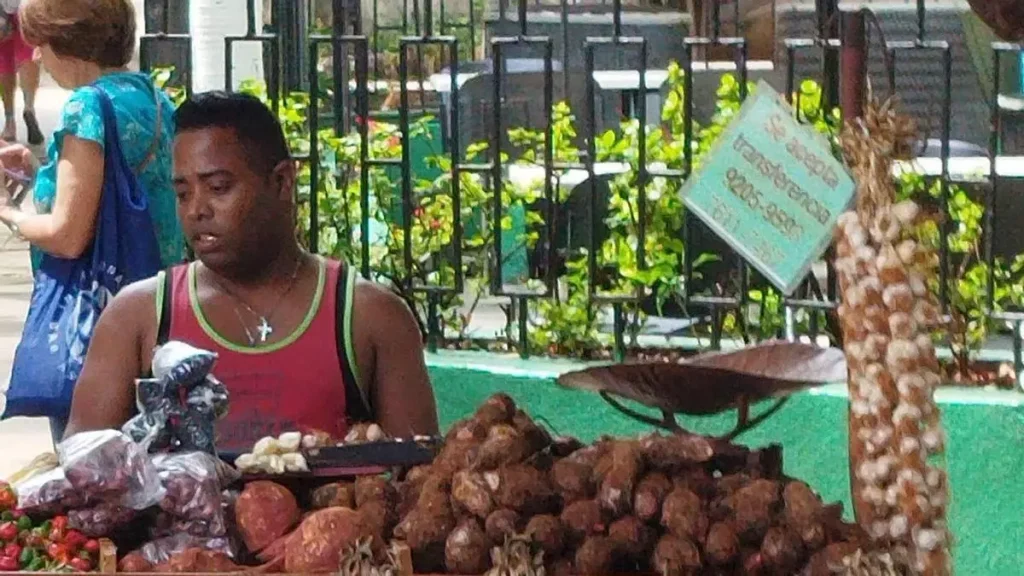
To Prevent a Protest at the Combinado Del Este Penitentiary, Several Prisoners Are Being Transferred to Other Prisons

Cubalex reports that Walnier Aguilar was sent to Agüica prison in Matanzas, and Ángel Cuza to Guanajay prison in Artemisa.

Prison Combinado del Este in Havana. / Marcel Valdés

14ymedio bigger14ymedio, Madrid, 5 November 2025 — At least two political prisoners have been transferred in recent days from the Combinado del Este maximum security prison in Havana, Cubalex announced on Tuesday. One of them is Ángel Cuza, transferred to Guanajay, in Artemisa; and the other is Walnier Aguilar Bravo, sent to Agüica, in Matanzas. According to the organisation, the authorities claim that there is a list of inmates who were planning to stage a protest at the notorious prison.

This account was expanded by the father of one of them, Wilber Aguilar, who, when he was interviewed by Radio Martí, raised the number of transfers to almost twenty. “As I understand it, there were twenty, seventeen, nineteen. I don’t know how many were transferred, I only know that I was the only one summoned there to be told that Walnier had been transferred,” he said on Tuesday.

Aguilar claims that he found out afterwards that his son had been sent to a prison some 200 kilometres away from the capital. “I don’t even know when the transfer took place, whether it was on Saturday or Sunday. All I know is that I was called to the prison yesterday to be informed, which no other family member was told about,” he reported.

“Do you know how much it costs now for the family to travel to Matanzas? They don’t care where the children are, separating them from their daughters, who have to miss a whole day of school, practically, for the journey, then the visit, then the return trip… It’s completely wrong, for no reason, for nothing,” he complained.

Walnier Aguilar, who has an intellectual disability, was sentenced to 12 years in prison following the anti-government protests on 11 July 2021 [’11J’] in La Güinera, Havana, one of the poorest neighbourhoods and also one of the most severely punished by the Cuban courts. This area, known for being marginalised, was home to 96 of the 790 people prosecuted for the 11 July protests, all for sedition, the most serious crime they were accused of.

For the last four years, Wilber Aguilera has been defending his son’s situation and that of the other prisoners imprisoned for ’11J’. He has written letters to the National Assembly, taken the case to international organisations and succeeded in getting the Inter-American Commission on Human Rights to grant precautionary measures to his son “on the grounds that he is in serious danger of irreparable harm to his rights in Cuba”.

His desire to raise awareness of his son’s situation has caused the father no end of problems, as he has been subjected to harassment by State Security over the last four years. Now, distance has been added to his previous problems.

“They wanted to link my son and me to the idea that they were going to stage a protest, where all prisoners always stage protests, without any consequences. As far as I understand, my son denies that he was going continue reading

to protest,” he told Radio Martí, although he does not intend to give up. “I will not stop going to see my son wherever he is. Even if I have to go to the end of the world.”

Cubalex also reported on Tuesday that political prisoner Ángel Cuza was transferred on Sunday to Guanajay, in Artemisa, also for an alleged involvement in a possible strike.

Cuza, an artist and freelance reporter, was released from prison in May after serving his most recent sentence, but was re-arrested in July and taken to Combinado del Este prison on new charges that have yet to be specified. According to activist Anamely Ramos, the intention was “to accuse him of possession of explosives or something similar. And that it’s all because of a small bullet he was carrying, which he has had for years.”

Cubalex criticised on social media the measures taken against the prisoners affected, which currently include at least these two. “These forced transfers make their suffering worse, for the prisoners and their families, who find it very difficult and expensive to visit them. As well as transport costs, there is also the cost of food and medicine, which are essential given the precarious conditions in prison. The forced distance has a profound emotional impact, making it difficult for them to maintain contact with their loved ones.”

Translated by GH
____________

COLLABORATE WITH OUR WORK: The 14ymedio team is committed to practicing serious journalism that reflects Cuba’s reality in all its depth. Thank you for joining us on this long journey. We invite you to continue supporting us by becoming a member of 14ymedio now. Together we can continue transforming journalism in Cuba.
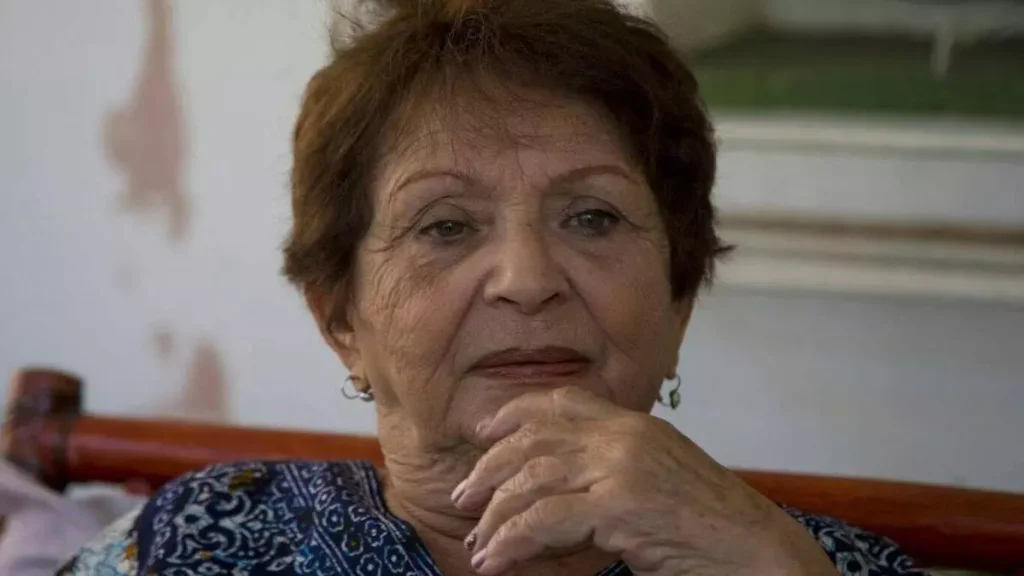
The Regime Describes the Catholic Church’s Work in Delivering Donations After Melissa As “Positive”

The Ministry of Foreign Trade also recognises the help of the Archdiocese of Miami.

More than 45,000 homes were damaged after the hurricane struck./ EFE

14ymedio biggerEFE/14ymedio, Havana, 4 November 2025 — On Monday, the Cuban government described as “positive” the cooperation linked to the humanitarian work of the Catholic Church on the island, after receiving its offer to coordinate the distribution of a donation of three million US dollars for the victims of Hurricane Melissa.

A note from the Ministry of Foreign Trade and Investment published in the official press states that this offer of material assistance from the Washington government through the US Catholic service “is in addition to that of other religious organisations in that country”.

“There is also, separately but with the same purpose, an offer that would be made by the Archdiocese of Miami through the Catholic Church of Cuba,” the text states.

“We have had a positive experience of years of cooperation linked to the humanitarian work of the Catholic Church in Cuba, which has been successfully implemented in full coordination with our authorities and in accordance with the requirements set out in the assessment of damage and most urgent needs,” it emphasises.

“We have had a positive experience of years of cooperation linked to the humanitarian work of the Catholic Church in Cuba, which has been successfully implemented in full coordination with our authorities.”

The text expresses gratitude for “these humanitarian gestures” and highlights that “as with aid from various parts of the world, including other religious organisations in the US itself”, the “authorities” – emphasised in bold – “are working to channel the aid as quickly and continue reading

efficiently as possible, so that it reaches the populations and territories in need without delay”.

The government seems to want to emphasise the idea that it will not stand aside from the humanitarian aid received by the country, not even whatever comes from the neighbouring country, even if it is non-governmental.

Aid from the US had once again become a political battleground between the two countries in recent days. Last week, the US stated that it was willing to support the Cuban people on condition that the regime remained on the sidelines, and the island’s authorities said they were willing to listen to the offer, as long as it respected their “sovereignty”.

The Conference of Catholic Bishops of Cuba (Cocc) was the first to offer itself informally as a means of facilitating an agreement, and on Sunday it officially announced that it had received “a humanitarian offer from the US Administration, channelled through Catholic Church institutions in that country, to provide direct assistance to those affected”.

The bishops assured that they were “holding useful and positive discussions with all parties” so that this assistance could become a “reality”.

In addition to these shipments, there are those that have arrived – or are about to arrive – from the International Red Cross, Venezuela, Colombia and the European Union. The most recent announcement comes from India, which has sent 20 tonnes of humanitarian aid and assistance materials to Jamaica and Cuba, including food, medicines, electric generators, shelter materials and hygiene kits.

“India stands with our partners in the Global South in the face of such natural disasters and will assist our friends in recovery and reconstruction,” said Jaishankar, India’s Minister of External Affairs, highlighting New Delhi’s commitment to South-South cooperation and solidarity among developing countries. The assessment made on Monday by the Presidency puts the number of evacuees at 120,000 following the passage of Melissa and as a result of the flooding associated with the storm.

In addition, a total of 45,282 homes were damaged, and the subsidies promised by the government only cover 50% of the materials needed to repair them.

In addition, a total of 45,282 homes were damaged, and the subsidies promised by the government only cover 50% of the materials needed to repair them. Given that many residents were still waiting for subsidies or resources to do the same after Hurricane Sandy in 2012, there isn’t much trust around.

The governor of Granma Province, Yanetsy Terry, indicated that the waters of the Cauto River are already receding, which is a partial relief after days of rescues due to the overflowing of the riverbeds.

A total of 1,552 schools have been damaged, of which 200 have already been repaired. This, coupled with the fact that many schools are being used as shelters, will mean that the return to normality will be “asymmetrical, depending on conditions and alternatives,” said Education Minister Naima Ariatne Trujillo.

As for other infrastructure, 461 facilities were reported affected in the health sector, including hospitals, polyclinics, clinics, pharmacies, and others.

In agriculture, meanwhile, preliminary damage has been recorded on 78,700 hectares, more than half of which is banana crops.

Translated by GH

____________

COLLABORATE WITH OUR WORK: The 14ymedio team is committed to practicing serious journalism that reflects Cuba’s reality in all its depth. Thank you for joining us on this long journey. We invite you to continue supporting us by becoming a member of 14ymedio now. Together we can continue transforming journalism in Cuba.
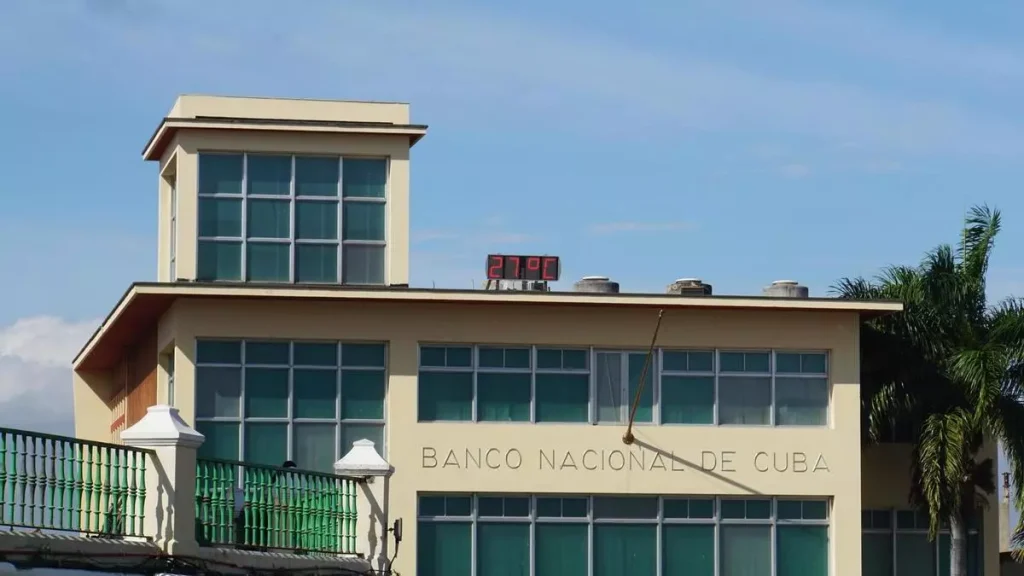
The Cuban Authorities Finally Tackle Chikungunya, After Ignoring the Epidemic for Months

  • The Ministry of Health has released its first figures on the number of people affected by the virus: more than 20,000 to date.
  • Poor nutrition, poor medical care and a lack of medication exacerbate the symptoms of the disease.
Havana’s Pedro Kourí Tropical Medicine Institute/ SMC

14ymedio bigger14ymedio, Havana, 4 November 2025 — More than a month after the United States issued a travel alert for Cuba due to the rise in chikungunya infections, and much longer since the island’s population began to suffer – at least since this summer – from the onslaught of unidentified arboviruses due to a lack of reagents, the authorities are beginning to take action.

This Tuesday, in a report published on 5 September, a specific figure was given for the first time: to date, the country has treated a total of 20,062 cases of chikungunya, which particularly affects the provinces of Havana, Matanzas, Camagüey, Cienfuegos, Artemisa and Villa Clara. Similarly, it stated that “there are no reports of Oropouche,” although until now it was one of the possible diseases affecting the population and, they say, “surveillance of this disease continues.”

According to Carilda Peña García, Deputy Minister of Public Health, at a press conference, “attention is focused on dengue with serotype 4,” in addition to chikungunya. The official explained that they are implementing a protocol that begins with patients with “non-specific fever syndrome” and, if warning signs appear, “especially for dengue, the patient is transferred to an intensive care and therapy ward until the signs subside, thus preventing the condition from becoming serious.”

The rate of suspected dengue patients in the last week was 20.66 per 100,000 inhabitants.

This has reduced the number of serious dengue cases, he says. According to the Cienfuegos newspaper report, reagents are available for this disease. The rate of suspected dengue patients in the last week was 20.66 per 100,000 inhabitants, with the highest incidence in the provinces of Cienfuegos, Guantánamo, Matanzas, Ciego de Ávila, Sancti Spíritus, Mayabeque, Villa Clara and Pinar del Río.

In the same note, they echoed the statement released on Sunday by the Ministry of Health, which said that the first clinical study on chikungunya will begin in the coming days in four hospitals in the provinces of Matanzas and Havana. The aim of the trial, according to the statement, is “to evaluate the efficacy of the Cuban drug Juzvinza in treating the joint continue reading

inflammation that persists in many patients once the infection has been overcome”.

The text confirmed the widespread presence of this virus, whose increase is due, explains María Guadalupe Guzmán Tirado, Director of Research, Diagnosis and Reference at the Pedro Kourí Institute (IPK), “to the fact that the virus had not previously circulated with the current intensity, which explains the low levels of immunity in the population”.

The priority, insisted Ileana Morales Suárez, Director of Science and Technological Innovation at the Ministry of Health, is “the start” of research related to chikungunya, “a disease that has only recently appeared on the island”.

The objective of the trial, according to the text, is “to evaluate the efficacy of the Cuban medicine Juzvinza in the treatment of inflammatory joint manifestations.”

The Ministry of Health published its statement just one day after Dr. Perla María Trujillo Pedroza, a specialist in comprehensive general medicine at the Manuel Piti Fajardo Polyclinic in Santo Domingo (Villa Clara) with years of experience in provincial hospitals, decided to break her silence on Facebook with a post denouncing the health situation in the country.

In it, the specialist expressed “great concern about the chikungunya situation” and asked: “If the first cases date back to July 2025, how is it possible that there is still no clinical guideline for managing this disease?” At the same time, she continued: “Wake up. We Cuban doctors are improvising as we go along in the treatment of chikungunya, especially in its subacute phase.”

The doctor said that during one hospital shift she treated 47 patients with symptoms consistent with the virus. “Of these, 34 had been ill for more than 15 days and 28 were in the subacute stage. That is 82%, well above what is reported in the literature.” Her testimony also warned of the complications of the disease when it progresses to a chronic condition: “This causes violent, debilitating polyarthritis. What will become of this country’s fragile economy when there is a flood of medical certificates or leave requests from workers who have to care for their elderly relatives who are almost incapacitated?”

The following day, the specialist wrote about the subject again, putting forward several hypotheses as to why there are so many patients in Cuba “progressing to a subacute stage”. Among them, “poor management of the acute stage of the disease (from the onset of symptoms to 15 days)” and poor medical management in general, due to a lack of medicines or the inappropriate use of those prescribed in health centres.

Poor nutrition, which leads to a weak immune system, and “factors related to chronic stress suffered by a high percentage of our population, which is associated with an incompetent neuro-immune-endocrine system” are other possible reasons she points to. She also points out that there may be cases of “co-infection” with other surrounding arboviruses or a high number of Cubans with pre-existing conditions, which also weaken them.

The specialist wrote about the subject again, putting forward several hypotheses as to why there are so many patients in Cuba “progressing to a subacute stage”.

None of this is mentioned in the ministerial statement issued two days ago, which generally asserts that “the country is implementing integrated actions within the National Arbovirus Control Plan” and that these actions “are part of a national strategy that coordinates efforts in science, public health and innovation, and responds to the complex epidemiological situation presented by the disease in the country”.

They do so, they say, by “taking advantage of the valuable experiences” gained from dealing with the COVID-19 pandemic, and with three fundamental objectives, according to Morales Suárez’s statements: “to counteract the infestation rates of the mosquito vector, to improve the clinical treatment of the disease, and to reduce or eliminate the aftermaths it leaves in recovered patients.”

Meanwhile, citizens continue to complain. “When are they going to say that this virus, that this pandemic, is killing people?” asked Kenia Tumbarell Tamayo, alias Lola La Negrita Cubana, on Monday in a tearful video posted on her TikTok account. “When are they going to admit that there are no medicines? When are they going to admit that the few medicines we are getting are from the street? It’s because a family member or friend sends them to us, or because we can afford to buy them at a premium, because there aren’t any to meet such a basic need.”

Tumbarell continues, now in tears, asking questions that contain what everyone knows: “When are they going to say that these things could have been avoided if there weren’t so many drains, if there wasn’t so much dirt, if mosquitoes hadn’t proliferated so much?” How long will this go on? Tumbarell cries out to the heavens, asserting: “I don’t want to talk and I want to say everything, and I don’t want to look for problems and I want to look for them all, because the most difficult thing for a human being is to feel tied hand and foot, and to lose hope and lose composure and lose equanimity.”

She confronts the government, “When are they going to say yes, we need help, when there is no one left here, when the species becomes extinct, when this beautiful land disappears?” She concludes, “Cuba only hurts us Cubans, the ordinary people, who can’t take it anymore”.

Translated by GH

____________

COLLABORATE WITH OUR WORK: The 14ymedio team is committed to practicing serious journalism that reflects Cuba’s reality in all its depth. Thank you for joining us on this long journey. We invite you to continue supporting us by becoming a member of 14ymedio now. Together we can continue transforming journalism in Cuba.
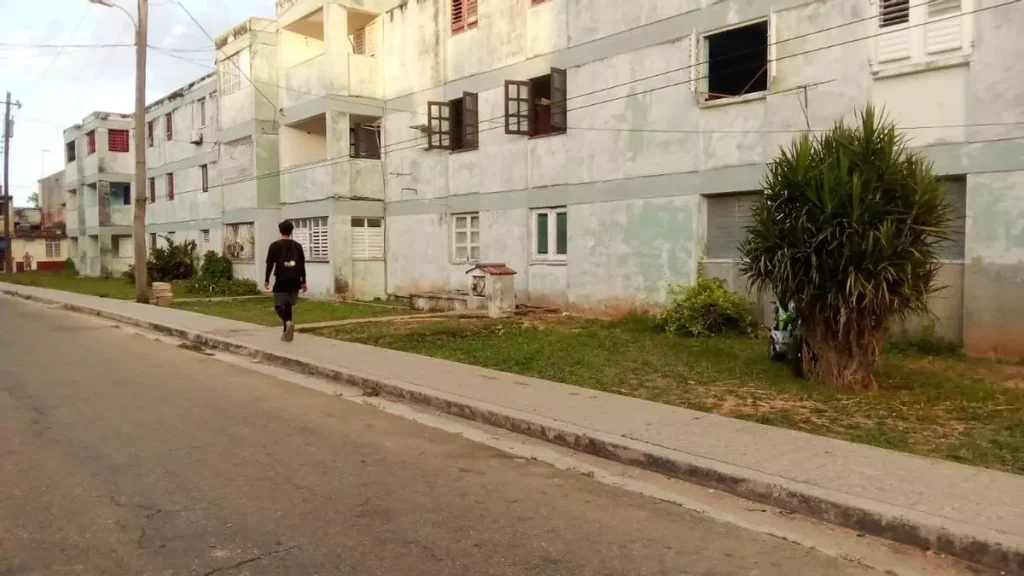
Chinese Ambulances and Funeral Tricycles, a Belated Response to the Deterioration of These Services

The purchase of small vehicles, such as Foton minibuses, is a response to the shortage of fuel and foreign currency.

They are identical to microtaxis, but without rear seats, with red crosses and siren lights. Tribuna de La Habana

14ymedio bigger14ymedio, Havana, 25 July 2025 — We have to admit it: Eduardo Rodríguez Dávila seems to be the only minister in Cuba who is really taking action, even though his solutions are partial and insufficient in the face of a system that is in ruins – and also in financial ruin. The pro-government media outlet Tribuna de La Habana announced today the addition of 15 new ambulances for the capital. And the Minister of Transport himself posted on his Facebook page that they plan to purchase 120 vehicles for funeral services.

We have been closely following this matter of the 100 Chinese Foton minibuses that have joined the public transport fleet. It is true that initially the plan was to run them only on the streets of Havana. But then they changed their minds, in the face of a barrage of criticism from other provinces, which always have to make do with used vehicles. continue reading

Each area showed such enthusiasm for its new Chinese buses that they seemed to be welcoming a “victory parade”.

With the wisdom of Solomon, the minister “responded” to the complaints and divided the batch: 50 for Havana and 50 for five other provinces. The local media in the receiving territories enthusiastically celebrated the arrival of 20 units in Santiago de Cuba, 10 in Holguín, the same number in Camagüey, five in Villa Clara and another five in Ciego de Ávila, the province that won the national performance competition for the 26th of July. Each region showed such enthusiasm for its new Chinese buses that they seemed to be receiving a “victory parade”.

There are only fifteen ambulances for now. They look identical to microtaxis, but without rear seats, with red crosses and siren lights. The Tribuna article was quick to clarify that another 50 will arrive later, which will be distributed throughout the rest of the island. However, they claim that they constitute an “innovative operating model”. What did they mean by that? They do not say. According to the pro-government media, this system has shown “positive results in terms of efficiency and coverage”, although the report itself acknowledges that not all existing needs are yet being met.

Although coordination between the Ministries of Transport and Public Health is highlighted, the oversight mechanisms are not explained, nor is public data presented on response times, availability by municipality or actual coverage areas. In a context where citizens complain daily about the lack of medical transport, the announcements seem more like a communication strategy than a structural response.

Tricycles to be used in funeral services. Facebook / Eduardo Rodríguez Dávila

While the modernisation of these services is being touted, the funeral transport system – another sensitive issue – is also undergoing reform, with the purchase of 70 petrol hearses and 50 electric ones, according to a statement by Minister Rodríguez Dávila. This is a belated response to years of complaints about the deterioration of the service, which has led to such painful scenes as coffins being transported in wheelbarrows used for construction.

Now, however, the minister is publishing images of modern tricycles, with colours appropriate for their function, aerodynamic bodywork and less need for spare tyres. In the comments, many people are thanking the minister. And one of his 73,000 followers even says: “At least… there is one ministry that is working.”

“At least… there is one Ministry that is working.”

These efforts, all financed by the Public Transport Development Fund, reflect an attempt at modernisation within the country’s economic constraints. But they also reveal a fragmented vision, focused on palliative measures rather than structural solutions. The purchase of small-capacity vehicles – such as Chinese minibuses or Zycar electric carts, recently introduced in some tourist areas – is more a response to fuel and currency shortages than a fundamental redesign of the transport system.

According to the minister, the decision not to use these new buses for tourism is because they were purchased specifically for the public sector. But this separation between tourist transport – which is privileged, with access to modern vehicles and guaranteed fuel – and public transport – which is in permanent crisis – only reflects the enormous gap between sectors within Cuban society.

Announcements about ambulances, minibuses and funeral tricycles, although necessary, should not serve as a smokescreen for the reality: a collapsed system that requires, at the very least, truly profound and urgent reforms.

Translated by GH

____________

COLLABORATE WITH OUR WORK: The 14ymedio team is committed to practicing serious journalism that reflects Cuba’s reality in all its depth. Thank you for joining us on this long journey. We invite you to continue supporting us by becoming a member of 14ymedio now. Together we can continue transforming journalism in Cuba.
There Was No Blackout at Cuba’s 26 July Event, but Neither Were There Any Ideas for Overcoming the Crisis

Prime Minister Manuel Marrero called, to “convert the people’s efforts into tangible results”, without saying how.

Raúl Castro and his group at the closing ceremony./ Televisión Cubana

14ymedio bigger14ymedio, Havana, 26 July 2025 — Cuban Television, which broadcast the event this morning — always reserving time to make whatever cuts may be necessary — with all the usual fanfare, marked by tearful evocations of the failed assault on the eastern barracks of Moncada and Carlos Manuel de Céspedes in 1953.

There was no shortage of mournful images of Fidel Castro, Miguel Díaz-Canel’s shiny skin, or dramatisations – both on stage and off – to satisfy the few “historical figures” remaining in the Revolution. Ramiro Valdés and José Ramón Machado Ventura were other representatives of the old guard who attended an event that this year has been subdued and required people to be transported in from neighbouring provinces.

At 94 years of age, Raúl Castro prefers to leave his comfortable retirement only on special occasions, when he takes the opportunity to pat Díaz-Canel on the back, applaud his management and pretend that the country is not falling apart. And the event in Ciego de Ávila was no exception.

There was no shortage of the usual sanctimonious theatrics over the ’blockade’, but there was also self-criticism in the ’show’.

There was no shortage of the usual hand-wringing over the blockade, but there were also some self-criticisms in the performance that fell this year to Prime Minister Manuel Marrero — a role that the year before had been assigned to Salvador Valdés Mesa — since, from 2023 onward, the president prefers not to take centre stage.

According to Marrero, the country faces “enormous challenges” as never before, but he says he is convinced that continuing to do the same thing will bring different results this time: “Yes, we can, thanks to the determination, hard work, intelligence and commitment of the Cuban people.” The “annoying power cuts” that affect citizens so much were continue reading

brought up, although during the ceremony the power did not go out once in Máximo Gómez Báez Square.

He also mentioned other shortcomings such as problems with food supplies, drinking water, transport and medicines, as well as rampant inflation, and stressed the urgency of “removing obstacles, correcting deficiencies and turning the people’s efforts into tangible results”.

As for the “imperialist enemy,” Marrero assured that “it does not rest in its efforts to destroy the Cuban Revolution” and that it seeks “to take advantage of any internal difficulties to sow discouragement, divide, and provoke social unrest that would justify intervention.” He also called for “defeating any attempt at subversion” with “historical experience, unity, political awareness, and morality.”

The crisis was quickly buried by the great “efforts” that the government made this year in Ciego de Ávila.

However, the crisis was quickly buried by the great “efforts” that the Government made this year in Ciego de Ávila, which in practice translate into painting and using tar to cover potholes: seven solar parks built in nine months; achievements in sports and tourism; renovation of a hospital; 22 health centres; 16 schools; the theatre; a home for children without parental care; the agricultural market; 702 electrified farming areas and 25 new water pumping services.

Sancti Spíritus went through the same experience last year, when it was similarly renovated, but today it looks as if the streets have not seen a lick of paint or a single sack of cement.

As for Díaz-Canel, in his brief speech he fulfilled expectations with his usual rhetoric full of clichés and bellicose tones, with phrases such as “Turning setbacks into victories”, “We live under a hegemonic imperialism that encourages wars” and “Through solidarity we resisted the attacks of imperialism”.

The night ended with applause for Cuba’s friends – the same 500 foreigners who march every year on May 1st or participate in political events – who travelled to support the celebration, with leaders dancing to the salsa rhythms of Arnaldo y su Talismán, and with Raúl and his cohort waving Cuban paper flags at full speed and leaving the stage to the Marcha del 26 de Julio.

Translated by GH

____________

COLLABORATE WITH OUR WORK: The 14ymedio team is committed to practicing serious journalism that reflects Cuba’s reality in all its depth. Thank you for joining us on this long journey. We invite you to continue supporting us by becoming a member of 14ymedio now. Together we can continue transforming journalism in Cuba.
The Holguín to Guantánamo Train Runs Again After Months Stuck With No Fuel.

The four cars can carry between 600 and 700 people, for a price ranging from 135 to 150 pesos.

The route was set for Tuesdays, Thursdays, and Saturdays. / Cubadebate

14ymedio bigger14ymedio, Havana, 25 July 2025 — Ferrocarriles de Cuba has relaunched one of its most popular routes and, at the same time, one of the most irregular: the train from Holguín to Guantánamo. With the energy that only the 26th of July brings, the company announced this month that the reopening of the route is not only “a temporary measure for the summer season, but is planned as a permanent transport solution”. That is, as long as there is fuel and functioning technology, the same two issues that kept the thing at a standstill for months.

The official press release on the restarting of the line seems to be an exact copy of the one published a year ago with the same announcement. At that time, the train travelled on alternate days and the authorities promised that the route would not disappear again. By November, however, the route was only running on Saturdays due to a lack of fuel and, at the beginning of this year, it was suspended again.

The train was suspended as soon as the harvest began and the wagons were put back to their original purpose: transporting cane.

A year earlier it had had the same problem. After starting to operate with machinery from the sugar industry, the train was suspended as soon as the harvest began and the wagons were destined for their original purpose: to transport sugar cane.

With such a “track record”, it is not surprising that passengers doubt the reliability of the service, which reappears only around National Rebellion Day.

Given the doubts, the authorities claimed that the train had a broken locomotive, which made it impossible – due to the chronic lack of these engines on the island – to resume the service. According to Pedro Durruty Martínez, deputy director of Ferrocarriles in Guantánamo, bringing back the train “required repairs and structural modifications to guarantee the safety and reliability of the service, as the cars are just shells with no real support under the floor”, according to Granma, the Communist Party newspaper. continue reading

The route was fixed for Tuesdays, Thursdays and Saturdays, with five wagons.

The media describes the maintenance work as a “feat”, which entailed the manufacture from scratch of the necessary parts by the workers of the Guantanamo workshop Vanguardia Proletaria.

The route is set for Tuesdays, Thursdays and Saturdays, with five carriages – four for passengers and one for parcels and luggage – and capacity for between 600 and 700 people. The price, according to Granma, ranges between 135 and 150 pesos “depending on the section, a rather more affordable alternative to private transport”.

“And what about Santa Clara to Morón?”

Far from celebrating the news, as the authorities expected, passengers have taken to the press to criticise the poor state of the railways. “A lot of people hope that in this holiday season, August, the Bayamo-Guantánamo train, which has not been running for years, and also the Holguín train., will be started up. They could alternate them and so help families who are separated by high ticket prices and the limited availability of transport,” suggested someone in Granma.

“And what about Santa Clara to Morón , which hasn’t run for over six years and nobody knows anything about it?” another reader asked in Cubadebate.

Ferrocarriles de Cuba has added other routes, although most have been in the western provinces. In Havana, the train to Expocuba, which the authorities went on about as an option for visiting the park during the summer, was started up in early July.

The train to Playas del Este takes more than an hour and a half for a journey of just 25 kilometres.

However, on a visit to the fairgrounds – using the line – 14ymedio saw that the train was travelling practically empty and that, of the passengers who get on, hardly any went to the final destination. With three carriages and a price of 20 pesos, the vehicle is designed to carry 204 people and makes stops in Luyanó, Dolores, La Víbora, Naranjito, Miraflores, Los Pinos, Alcázar, Arroyo Naranjo, Galápagos, Calabazar and La Piscina.

Around the same time, it was also reported that the train to Playas del Este, which takes more than an hour and a half for a journey of just 25 kilometres, was launched.

Earlier, in June, the Los Arabos-Matanzas route was revived. The Matanzas Provincial Transport Directorate announced on that occasion that the line will run on Mondays, Wednesdays and Fridays, departing at 4:40 a.m. and returning at 3:30 p.m. Initially, it will have only two cars of 80 passengers each, with the possibility of increasing to four in the future.

Translated by GH

____________

COLLABORATE WITH OUR WORK: The 14ymedio team is committed to practicing serious journalism that reflects Cuba’s reality in all its depth. Thank you for joining us on this long journey. We invite you to continue supporting us by becoming a member of 14ymedio now. Together we can continue transforming journalism in Cuba.