The crisis has produced a devastating domino effect on the surrounding communities
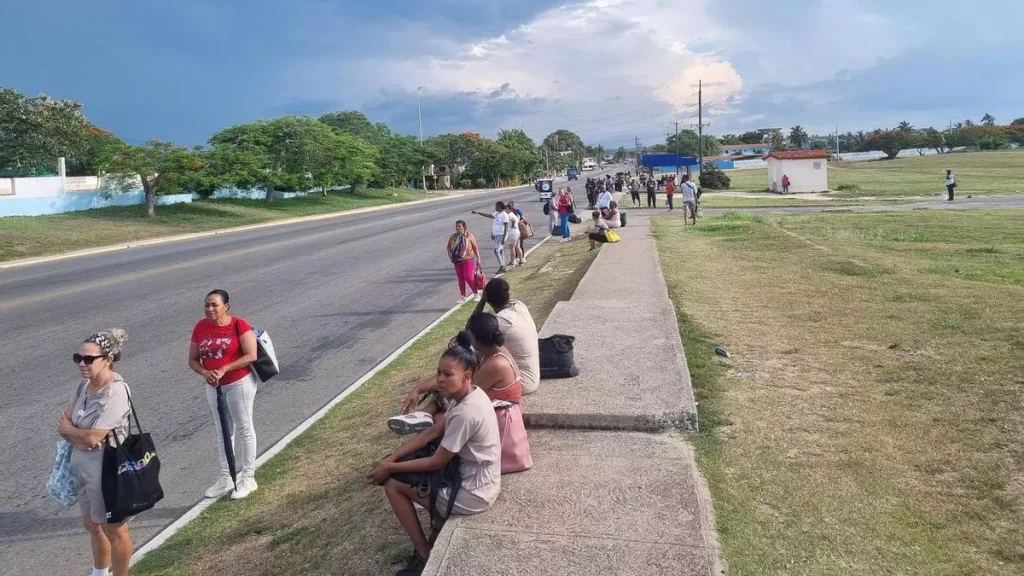
 14ymedio, Pablo Padilla Cruz, Varadero, 9 June 2026 / Though the blue of its waters grows more intense with the start of June, and its white fine sand shimmers under the relentless tropical sun, walking through the streets of Varadero’s tourist enclave today is an ode to nostalgia. What was once the goose that laid the golden egg of the Cuban economy now survives as a desert of broken promises for the handful of visitors who still arrive, for the marginalised residents, and for workers mired in absolute precariousness.
The debacle is not new, but it has reached a point of no return. A self-employed worker confirms as much as she weaves her electric mototaxi around the potholes along the peninsula’s scorching asphalt. “Things have been getting worse for about ten years now,” she says, eyes fixed on the road. “First came the decline in the quality of tourists. I know that well, because I was a waitress at the Princesa del Mar hotel at Paradisus. In those golden years we had lots of Canadian guests, but Europeans too – Germans, French, Italians, and of course Spaniards. I learned that you find kind and generous tourists everywhere, but some markets are better than others when it comes to what workers take home.”
The woman explains that a change of commercial strategy by the Ministry of Tourism marked the beginning of the end. “Then the Russians, Mexicans, and Argentinians arrived en masse, and with them the purchasing power of workers in the sector dropped sharply, because they left very few tips. Later came the Chinese, and that’s when we started to miss the Latin Americans,” she says with a bitter smile. “It’s not that they’re bad people – it’s that their model of tourism is different; they barely leave the hotel and spend almost nothing outside.” Overnight, she says, the craft fairs went from being coveted jobs to being the last card left to play.
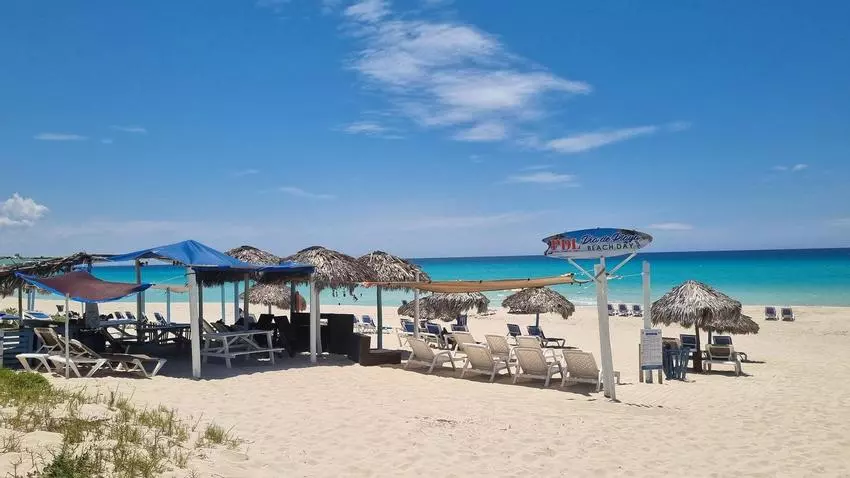
Covid-19 drove in the final nail. “After the pandemic, the reality became unsustainable,” the driver admits. “When I saw that my income depended on the domestic market, I decided to get out. I worked at whatever I could until they authorised passenger transport licences, and my daughter, from the United States, managed to buy me this electric motorbike. That’s how I survive. When I ferry the current hotel workers around and hear about their problems – which are endless – I know I made the right call.”
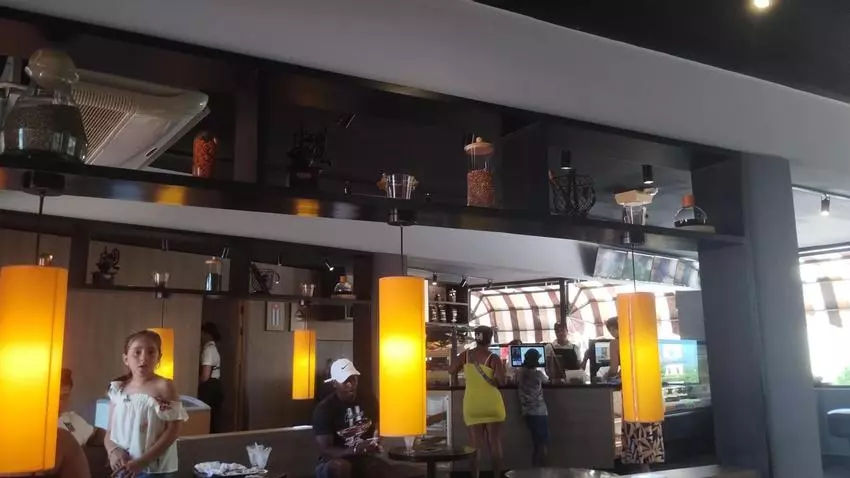
The picture painted on the streets is reflected with mathematical precision inside the hotel complexes themselves. Amed, a young man who until a few days ago worked at the Los Delfines hotel, confirms the operational collapse of tourism. “They proposed I move to a security guard role because they shut down the hotel restaurant. Now they’re only giving access to the pool and the lobby, and everything is charged exclusively in dollars,” he explains, visibly frustrated.
The employees’ discontent stems from the disappearance of the black market and tips – the two historic pillars that compensated for the poverty-level state salaries. “Everyone in Cuba knows that in tourism you live either off tips or off the food each person manages to sneak out to resell. With no customers in the facilities, there’s neither one nor the other,” Amed laments. On top of that, the dollarisation imposed by the state trading company ITH has shut the door on the island’s own citizens: “ITH now only accepts dollars, so the hotels can’t offer anything in pesos to the same Cubans who get paid in that currency. How is there supposed to be any domestic tourism like that?”
For the young man, the decision to leave the sector was a matter of pure survival. “Today is my last day of work. I didn’t accept the security guard post. If the bus fare to get here costs me a minimum of a thousand pesos a day return, and can go up to four thousand, how am I supposed to work for a state salary of barely 4,800 pesos a month? There’s no calculator in the world that makes that add up,” he exclaims, before dropping his head and staring at his phone screen.
This near-total paralysis of tourism has produced a devastating domino effect on the communities surrounding the Hicacos peninsula, which have historically depended on the resort’s economic activity. Entire communities that fed off the informal flow of resources and the surpluses taken from the hotels are today completely stranded, stuck in the middle of nowhere and battered by the widespread energy crisis gripping the country.
“Santa Marta is a shadow of what it used to be,” laments a resident of this locality, situated so close to Varadero that its inhabitants consider themselves an inseparable part of it. “The rental properties are closed for lack of customers, the private businesses that were once thriving are falling deeper into decay every day, and food prices are through the roof because now we’re forced to die in the MSMEs*.”
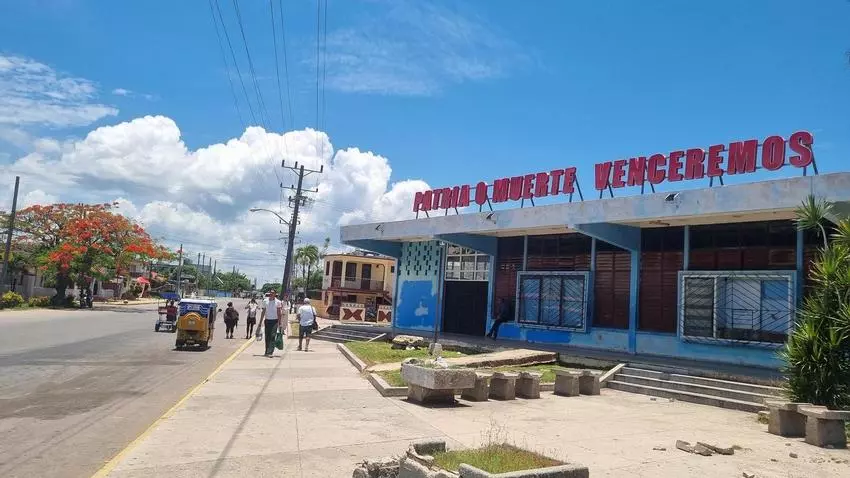
Scarcity has transformed even the family survival networks. “The little that workers manage to take out of the hotels nowadays goes to feed their own families – it’s no longer sold on,” the resident explains, emphasizing her words with desperate gestures. “In Santa Marta there have been entire generations of people who spent their whole lives reselling the rum and drinks that employees from the cayo [the informal name Matanzas locals give to Varadero] gave or passed on to them. Now they’ve had to reinvent themselves, leave the country, or simply go hungry. Not everyone in Varadero and Santa Marta is rich – there are poor families, extremely poor families.”
On top of the lost income comes the ordeal of the blackouts. “What’s normal here now is three consecutive days without electricity, followed by barely two hours with power, before going back to three days in the dark. That destroys the few businesses still standing and wrecks the quality of life of anyone who doesn’t have thousands of dollars to buy solar panels. Right now, Santa Marta is not much different from a rural village in Las Tunas,” the woman concludes.
Despite this severe humanitarian and infrastructural crisis, the authorities pushed ahead with their political-commercial entertainment agenda. Under the Resonance Musique brand, on 29, 30, and 31 May, the official opening of summer in Varadero was celebrated. The festivities, however, turned into a social powder keg.
The event was marked by complete disorganisation, an alarming shortage of food and drink offerings, and, worst of all, serious episodes of physical violence between exhausted workers at the Resonance hotel (formerly the Fiesta Americana, then Sandals) and dissatisfied guests. “It wasn’t worth it at all,” says Rangel, a Cuban citizen who travelled from the capital with his family. “For us, saving up enough money to come here represents an entire year of sacrifice. The party was a complete disaster — the only redeeming features were the beach and the peace and quiet, two things we don’t have back in Centro Habana.”
Rangel lists the logistical failings without hesitation: “We arrived at the hotel at 11 in the morning and didn’t get our room until 9 at night. The general service and the food were dreadful. And the worst part was the party itself: you try to have a good time because you’ve already spent the money, but the performers showed up just to go through the motions and the sound was terrible. I’m never coming back at the start of summer again.”
*MSME – Micro, Small and Medium Enterprises
Translated by GH.
______________________
COLLABORATE WITH OUR WORK: The 14ymedio team is committed to practicing serious journalism that reflects Cuba’s reality in all its depth. Thank you for joining us on this long journey. We invite you to continue supporting us by becoming a member of 14ymedio now. Together we can continue transforming journalism in Cuba.