Among the few options are standing guard duty and taking on garbage collection
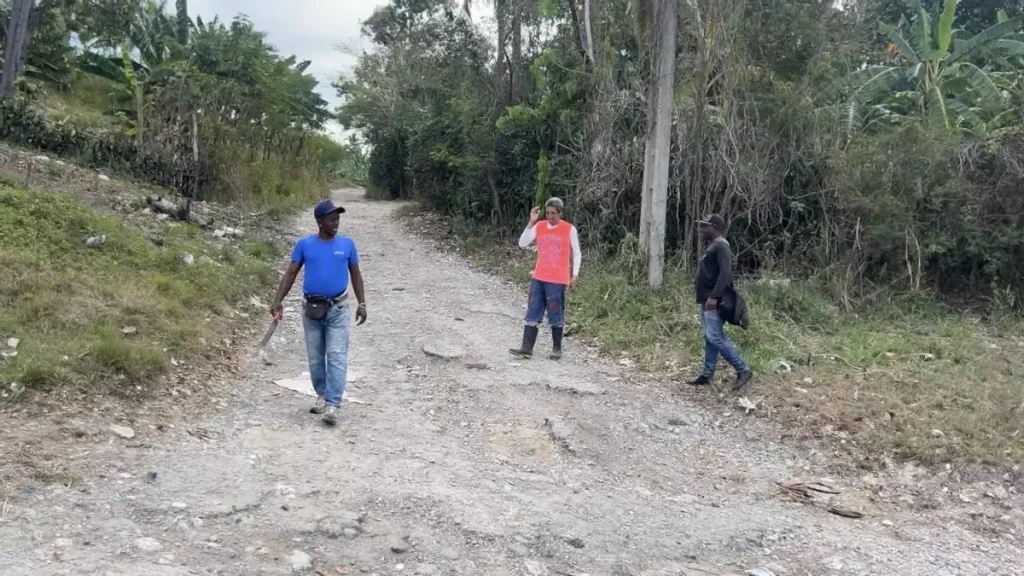
 14ymedio, Darío Hernández, Havana, April 4, 2026 / “For you to tell me that after five years of university I have to go collect garbage is unbelievable.” The speaker is Miguel, a Cuban worker outraged by the government’s proposal to reassign employees to tasks such as waste collection rather than leave them “idle.” “They can go farm, produce, and collect garbage, those who are strong, healthy, and in optimal condition,” he snaps.
Barely two weeks after the Minister of Labor and Social Security, Jesús Otamendiz Campos, said that job “relocation” was the “number one priority,” complaints have multiplied, and layoffs, especially in tourism, have been massive. “That possibility isn’t for all regions,” says Yudith, from Melilla in the province of Holguín, a community that depends heavily on a sector that has been steadily collapsing over the past five years, culminating in the final blow: the suspension of the vast majority of international flights on February 11 due to a lack of jet fuel.
Most workers in that sector, she says, “were sent home as idle workers without guaranteed pay after that first month.” Ángel, formerly a bartender at a hotel in the heart of Holguín’s tourism hub, says the current situation reminds him of the worst of the coronavirus pandemic. “From working surrounded by people, making cocktails until two or three in the morning, to just watching reels on my phone, because everything here in Cayo Coco and Cayo Guillermo is closed,” he explains.
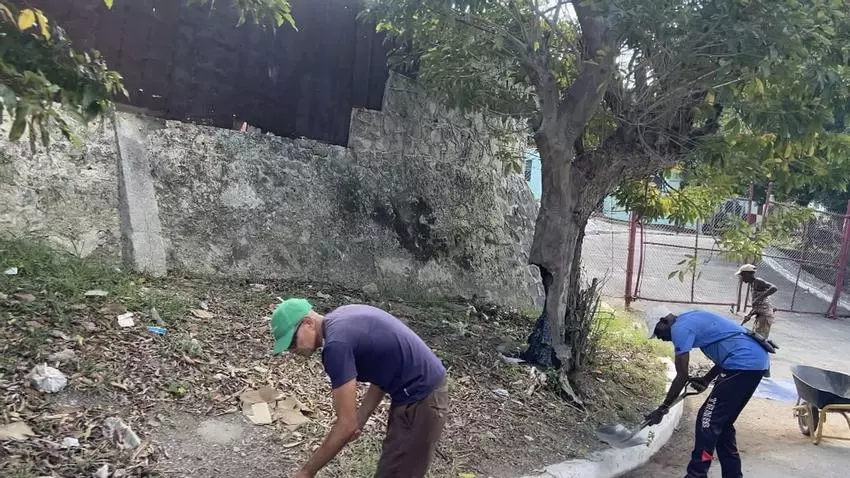
“I’ve seen this movie before,” says Alfredo, also a worker in the sector. “That’s what they said during COVID-19, and companies and institutions did whatever they wanted. They left half the town without jobs,” he says. “How many people lost long-held jobs because of the so-called multi-employment policy, leaving many unprotected? Get ready for season two.”
The good intentions expressed by the labor minister, who promised to “guarantee labor and salary protection” to safeguard workers’ rights and those of their families and to reassign as many state employees as possible to avoid layoffs, have remained just that: intentions. In that appearance on the Mesa Redonda program, Otamendiz mentioned alternatives such as remote work, telework, adjusted working hours, and reassignment to tasks like food production, communal services, and educational support amid a shortage of teaching staff.
State media, however, is trying to paint a rosy picture. This Friday, the newspaper Escambray boasted that in Sancti Spíritus more than 11,000 workers “have adopted new forms of employment included in current labor legislation.” Most of them, according to Yaiselín Quesada López, deputy director of the Provincial Labor Directorate, are “workers incorporated into remote work” (more than 2,600), followed by employees with “adjusted working hours” (over 1,440), those in “telework” (nearly 870), and only 460 in “other roles within the same entity”; that is, actually reassigned.
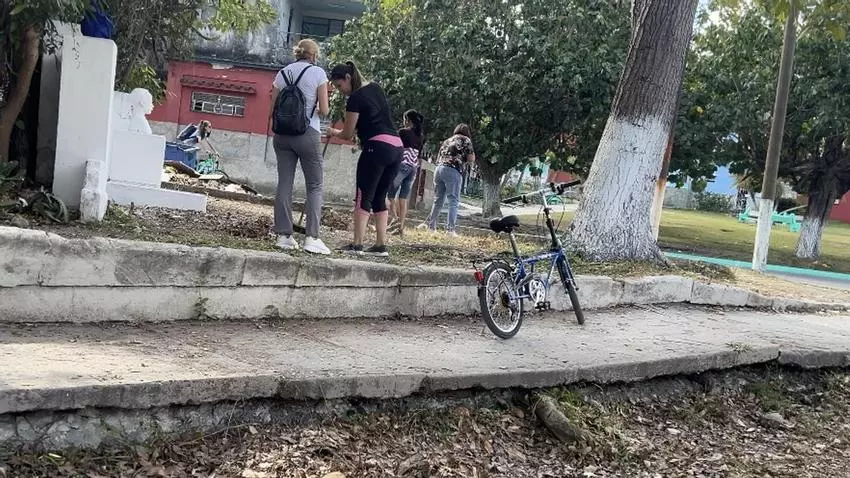
Revealing which sectors have been hardest hit by the crisis, Escambray also notes that the main areas where workers have been “reemployed” are tourism, transportation, the food industry, and construction.
“How are we supposed to relocate if most of our companies are affected by the lack of fuel, electricity, and transportation?” Iván asks skeptically. He points out that in the current context, telework and remote work are practically impossible, since most of these “relocations” are for jobs as guards and watchmen. “No one accepts them because of the low salaries and the risks involved, especially since most workers are near retirement age.” Very few young people, he says, are willing to take on guard duty. Nor does he see “an engineer or any professional working in solid waste collection. That’s a punishment.”
Arlenis, mother of a woman who was completing her mandatory social service in the tourism sector, suggests that managers are not transparent when assigning relocations. Her daughter, a mother of a three-year-old, still has no assignment. “Many managers are applying the rules however they want. Some prioritize years of service, favoring those close to retirement, while young people are the most affected. My daughter hasn’t even been called by the hotel to see what she can do.”
The current crisis has also led private businesses to reduce their working hours or close several days a week.
Years of service, however, are no guarantee of anything, says Lisandra. “My husband was declared idle verbally, without any official document. The first month he got 100% of his salary and nothing more. A worker with 42 years on the job and only four months away from retirement.”
In short, workers feel disappointed and warn of deception by the authorities, who force them to accept offers unrelated to their professional profiles and that are not appealing. “If you don’t accept, the State looks good, and the worker has to figure out how to survive,” Lisandra concludes. “It’s sad that the few workers who still believe in working for the State, from professionals to manual laborers, are being left out.”
The situation is not limited to the state sector. The current crisis has also forced private businesses to reduce hours or close several days a week. This is the case of the Fábrica de Arte Cubano, which has limited its opening to Fridays and Saturdays, compared to four days before. Restaurants like El Cocinero have reduced their staff, while images circulating on social media of others, such as El Sibarita, have gone viral due to the evident lack of customers.
Translated by Regina Anavy
______________________
COLLABORATE WITH OUR WORK: The 14ymedio team is committed to practicing serious journalism that reflects Cuba’s reality in all its depth. Thank you for joining us on this long journey. We invite you to continue supporting us by becoming a member of 14ymedio now. Together we can continue transforming journalism in Cuba.