Hope and Fear Mingle in Cuba With the Loss of Maduro, and Oil

Norlys Perez/Reuters

New York Times, Opinion, Guest Essay, Yoani Sanchez, 16 January 2026.

The first messages in Havana about Nicolás Maduro’s capture, sent through WhatsApp before they reached official channels, were intermittent and contradictory. People felt hope and fear. Was something going to change here? many wondered as they waited in bread lines, at the bus stop or beneath the yellowish light of a rechargeable lamp during a blackout. The downfall of one of Cuba’s most important allies wasn’t a remote event for Cubans; it was a wave hitting us full on.

The most frequent question now heard by my colleagues at the 14ymedio news site, which I direct, is about what will happen to the Venezuelan oil, which Cuba relies on so much. Many Cubans have been overwhelmed by the particular worries of not knowing whether there’ll be electricity tomorrow, whether the refrigerator will shut off again, whether the struggling public transportation system will collapse. In markets, parks and hallways, they say, one comment is repeated over and over, with the same resigned cadence: “If there’s no more oil, things are going to be even worse.”

It’s not paranoia. In the fourth quarter of 2025, Venezuela sent Cuba about 35,000 barrels of oil a day. While that isn’t enough to keep all the island’s lights on, its industry functioning and its transportation flowing, it has kept the essential gears of our nation in motion. Losing that fuel, or having it drastically reduced, would be a severe shock to an economy that is exhausted, low on foreign currency, and increasingly constrained by American sanctions. Already a U.S. blockade of tankers has cut off some of the supply, and Mr. Trump on Sunday declared that Venezuela would send “no more oil or money” to Cuba.

It is true that Havana does not depend solely on Caracas. Mexico has kept up its fuel shipments, Russia sporadically lends a hand and we have low-quality local oil. But islanders aren’t kidding themselves. The Cuban regime has always been clear about its hierarchy of needs. If it is a choice between keeping the lights on in a hospital or guaranteeing fuel for police patrols, the balance will unerringly tip toward retaining a grip on society. A whole city will go dark before the state security headquarters does.

That is why the atmosphere among Cubans right now is not one of euphoria but anxiety. Some see Mr. Maduro’s capture as a spark that could set off a blaze on our island. “If the Venezuelan dictator can be removed, what’s keeping Castroism in place?” a young friend who has never known any other political system asked me.

In the opposition and in the Cuban diaspora, what happened in Venezuela is being interpreted as a sign that the unchangeable might change. Mr. Trump fueled that feeling by adding on Sunday, referring to Cuba’s government, “I strongly suggest they make a deal, before it is too late.”

Yet that desire comes up against an uncomfortable reality: After 67 years of the same regime and a mass exodus of those most opposed to it, Cuba does not have a well-articulated opposition group on the island that would be capable, in the short term, of vying for power.

Repression and banishment has largely dismantled the Cuban dissident movement. Its leaders are in prison, in exile or subjected to constant harassment. Emigration has sharply reduced the number of potential protesters for a popular revolt such as the one that erupted on July 11, 2021. Although widespread fear has waned, it remains a powerful deterrent in a country with nearly 1,000 political prisoners.

The regime has proved remarkably capable of surviving even greater cataclysms, such as the fall of the Soviet Union, its patron, and the abrupt loss of almost all its foreign trade in the 1990s that ensued. Its strategy, when it feels up against the ropes, is to radicalize its public statements, appeal to nationalist sentiment, sharpen its anti-imperialist slogans and make some timid economic reforms that serve as an escape valve. Granting amnesty to political prisoners, as brokered by the Vatican and Spain in the past, is another way to buy time.

However, Cuba is quite different from what it was after the dissolution of the U.S.S.R. There is no Fidel Castro to turn privation into heroism, no believable ideological narrative to seduce younger generations. Leadership of the Communist Party is disconnected from the people and deeply unpopular. President Miguel Díaz-Canel lacks charisma and the capacity to mobilize society in moments of crisis.

Furthermore, Mr. Maduro’s capture has made it clear that Cuban troops are not invincible, as the party line asserts. The death of 32 Cubans who the Cuban government said died during the operation and the speed with which Washington extracted Mr. Maduro were harsh blows to the image of Castroist security forces. Throughout the island, the powerful symbolism of that failure undermines the power of the regime to intimidate.

The next few weeks will be critical. If Chavismo manages to reorganize under Mr. Maduro’s vice president, Delcy Rodríguez, and Venezuela maintains its fuel commitments to Havana, the Cuban regime will breathe a sigh of relief. If, on the other hand, the negotiations between Caracas and Washington entail cutting the oil supply to the island and ending Cuban medical missions (one of Cuba’s main sources of foreign currency) in Venezuela, the fragility of the Cuban system will become even more manifest. That weakness does not guarantee a change but it could create visible fractures in the power structure, and cracks are always very dangerous to the survival of closed regimes.

On the streets of Cuba in recent days, my colleagues and family haven’t heard talk about revolution or transition. It’s been all about survival. But now, that talk of survival comes with a question that no longer sounds completely naïve: What if the time has come? It isn’t a gushing, radiant hope. It is something much more fragile and more real: the feeling that, finally, the future is no longer completely shut down.

Yoani Sánchez (@yoanisanchez) hosts the podcast “Cafecito Informativo” and is the director of the digital newspaper 14ymedio. This article was translated by Mara Faye Lethem from Spanish.


Transport in Cuba “Is Guaranteed”… Only for the Tribute to Those Who Died in Venezuela

There is fuel for political theatre, but not for everyday life.

When the calendar marks a sensitive political date, fuel miraculously appears. / 14ymedio

14ymedio biggerTransport “is guaranteed.” This is what official communiqués issued in Santiago de Cuba announce, in bombastic tones and administrative language. The authorities report that several buses have been assigned, with specific departure points, early schedules and guaranteed routes. However, this is not a structural improvement to the system, nor is it a relief for the thousands of citizens who are stranded every day at bus stops with no service. The available fuel is earmarked for the “funeral tribute to the Cuban combatants who fell in Venezuela”, scheduled for Thursday in the Plaza de la Revolución Antonio Maceo and, hours later, in the Santa Ifigenia cemetery.

The Provincial Transport Company of Santiago de Cuba announced that it has arranged a “special assurance” to transport the population en masse to both venues. Starting at 5:30 a.m., basic units will pick up attendees at at least twelve points in the municipal capital—Abel Santamaría, Ciudamar, Punta Gorda, Caney, Boniato, Versalles, Altamira, among others—with the aim of ensuring massive attendance at the political-funeral ceremony in the square. For the second ceremony, scheduled for four in the afternoon in Santa Ifigenia, buses will be provided at Prolongación de Martí.

This display contrasts sharply with the situation experienced by the people of Santiago – and Cubans in general – in their daily lives. Just one day earlier, official notices and posts on institutional social media accounts had announced the suspension or reduction of suburban and inter-city routes due to a “lack of fuel”.

The scene is repeated across the country, with routes cancelled without prior notice.

In Guantánamo, local authorities bluntly acknowledged the magnitude of the problem on Tuesday. The Provincial Administration Council reported that urban routes 2, 5, 6, 8, 9 and 10 would be completely suspended “due to fuel shortages,” leaving thousands of Guantanamo residents without public transport for their daily commutes. In the brief announcement, the government merely recommended the use of “alternative means” and asked for “understanding,” a now-familiar formula that shifts continue reading

the cost of a crisis that the state itself admits it cannot manage onto its citizens.

Also in Havana, local authorities acknowledged that almost all of the “GACela” minibuses are out of service and that only a small group of these vehicles are operating with restrictions and unable to complete all planned journeys. The GACelas – a key part of public transport in the capital – will operate “as long as fuel allows”, according to the brief official statement, which apologised for the inconvenience and promised to keep the population informed.

The scene is repeated across the country with routes cancelled without warning, buses that do not run, frequencies reduced to the extreme, and workers who must walk miles to get to their workplaces. Fuel shortages, acknowledged on an ongoing basis by the authorities and exacerbated following the US intervention in Caracas, which resulted in the arrest of Nicolás Maduro, are the standard explanation given to justify the collapse of public transport.

However, when the calendar marks a politically sensitive date, fuel miraculously appears. The Plaza de la Revolución Antonio Maceo does not fill itself. Neither does Santa Ifigenia. Spontaneous attendance at these events requires planning, logistics and, above all, a lot of fuel. Thus, buses that do not run the rest of the week are put into service to ensure the image of a people accompanying the government in its heroic and sacrificial narrative.

Translated by GH

____________

COLLABORATE WITH OUR WORK: The 14ymedio team is committed to practicing serious journalism that reflects Cuba’s reality in all its depth. Thank you for joining us on this long journey. We invite you to continue supporting us by becoming a member of 14ymedio now. Together we can continue transforming journalism in Cuba.

Patriotic-Military Display on the Arrival of the 32 Cubans Who Died in Venezuela

Activists and independent journalists denounce State Security operations to prevent them from leaving their homes.

As the motorcade passed, shouts of “glory,” “down with Trump,” “homeland or death,” and other revolutionary slogans could be heard./ 14ymedio

14ymedio bigger14ymedio, Havana, 15 January 2026 — The remains of the 32 Cuban soldiers killed in the US attack on Venezuela to capture Maduro landed shortly after 7 a.m. on a Cubana de Aviación ATR 42-500 aircraft, where six military vehicles were waiting to transport them to the headquarters of the Ministry of the Armed Forces.

The welcoming ceremony was very brief, but surrounded by all the pomp and circumstance expected for such grand occasions. Soldiers dressed in full dress uniform carried down, one each, the urns containing the ashes of the deceased, all of them metal and covered with a Cuban flag.

Unloading of the remains upon arrival at the airport. / Canal Caribe

At the foot of the plane, former president and army general Raúl Castro and current president Miguel Díaz-Canel stood in formation alongside the rest of the government and military and Communist Party authorities.

With a military funeral march playing in the background, Interior Minister Lázaro Alberto Álvarez Casas gave an opening speech praising the fallen and rejecting the words of the US – which he referred to as “the enemy” – about “precision operations”. “We talk about faces,” he said, in the middle of a harangue that ended with shouts of “glory” and the familiar “Until victory, always.”

The 32 urns were placed in jeeps and driven to the centre of the capital along Rancho Boyeros Avenue. Once in the capital, numerous roads were closed, including some major ones such as 23rd Street towards the centre of El Vedado and Ayestarán Avenue in the municipality of Cerro. As the convoy passed, shouts of “glory,” “down with Trump,” “homeland or death,” and other revolutionary slogans could be heard. Numerous demonstrators continue reading

carried the Venezuelan flag and wore red sweaters. Police horses, patrol cars, and officers from the Ministry of the Interior could be seen throughout the city.

At the foot of the aircraft, former president and army general Raúl Castro and current president Miguel Díaz-Canel stood to attention. / Minfar

The day of tribute also dawned with State Security operations. Thus, the editorial office of this newspaper, in the municipality of Plaza de la Revolución, from where Reinaldo Escobar was not allowed to leave. Nearby, there is at least one plainclothes officer and a police patrol. Activist Yamilka Lafita, known on social media as Lara Crofs, has been reporting harassment since Wednesday.

“Since yesterday, they have cut off my internet access. I haven’t had it since 4:30 pm and then from two in the morning until now, when I was able to connect through an alternative route,” Lafita explains in a Facebook post published today. “Just 30 minutes ago, I heard loud shouting from outside my house, and it was a State Security officer yelling at me that I couldn’t leave the house. They left a patrol car with two police officers on the corner so that if I dared to leave, they could arrest me.”

Independent journalist Camila Acosta reports the same thing. “He looks like a vagrant, but he’s the security guard on duty on the corner of my house to prevent us from going out on the street,” she says in a post on her social media accompanied by a picture of the plainclothes officer.

Image of a State Security agent shared by activist Yamilka Lafita. / Facebook/Lara Crofs

Meanwhile, La Hora de Cuba reports that its director, Henry Constantín, is missing. According to the independent media outlet, his last communication with his team was yesterday at around 6:50 p.m. “Henry was at his home in Havana and yesterday afternoon he alerted his colleagues about his poor connection,” they explain in a post. “This morning, the gate and door to his flat were found open, there was no one inside, and his mobile phone is turned off or out of range. Outside his building, a State Security agent is keeping watch.”

All the pro-government front pages are focused on the same topic this Thursday, the tribute to the “fallen”, which, however, has been dampened very early on. Heavy rain fell at midday in Havana on the crowd brought in by state agencies. To this end, the authorities have mobilised a number of transport vehicles that are not normally available on a daily basis due to a lack of fuel.

On Wednesday night, a group of soldiers from the island who were wounded during the US operation on 3 January to capture Nicolás Maduro and his wife, Cilia Flores, landed at José Martí Airport in the capital on a Cubana de Aviación Ilyushin Il-96-300 that has been flying back and forth from Caracas since last week, probably to bring doctors on a mission to Venezuela.

The number of members in the group, as well as their names and state of health, are unknown at this time. In the images broadcast by Canal Caribe, at least two could be seen in wheelchairs – one of them with a leg in a cast – but apparently in good physical condition. Among those who descended the aircraft steps on their own, some were limping.

The curious thing is that the aircraft did not arrive directly from Caracas. According to the flight tracking website Flightradar24, the IL-96-300 departed from Havana in the morning heading east of the island, although the destination airport did not appear on satellite tracking, which is common with this aircraft, used by the regime for special operations. It was from Santiago de Cuba or another nearby area that it departed again to arrive in the capital with the wounded.

Translated by GH

____________

COLLABORATE WITH OUR WORK: The 14ymedio team is committed to practicing serious journalism that reflects Cuba’s reality in all its depth. Thank you for joining us on this long journey. We invite you to continue supporting us by becoming a member of 14ymedio now. Together we can continue transforming journalism in Cuba.

Sánchez Joins Pagés and Estrada in Declining to Play for Cuba in the World Baseball Classic

The Toronto Blue Jays told Sánchez he must start in Triple-A, with Buffalo

Ballplayer Rafael Sánchez will not be with Cuba in the World Baseball Classic.

14ymedio bigger14ymedio, Havana, January 15, 2026 — Ballplayer Rafael Sánchez will not be with Cuba in the World Baseball Classic. The Toronto Blue Jays, who signed him in 2023 for $350,000, suggested that he focus on having a strong spring training for the upcoming season. According to journalist Francys Romero, the Holguín native must report to the Triple-A level of the minor leagues with the Buffalo affiliate. His agent, Carlos Pérez, informed him of the decision.

Sánchez had a brief stint this winter with the Cangrejeros de Santurce in Puerto Rico. He pitched five innings in which he did not allow a run, gave up only three hits, and struck out seven batters.

The Holguín pitcher thus joins Andy Pagés and Lázaro Estrada, weakening the core roster of manager Germán Mesa. The specialized outlet Pelota Cubana USA noted that the pitcher from the Canadian team “was one of the possible starters” for the so-called Team Asere at the event, which will take place in March with the participation of the top Major League stars.

For its part, Al Bat magazine warned that Pagés’s absence was a trigger for other athletes. The Artemisa native had expressed his intention to join the Cuban national team, but the Los Angeles Dodgers denied him permission. “His absence is a hard blow for Cuba. His ability to continue reading

‘clear the fence’ and his defensive skills are qualities anyone would want to have in an event of this magnitude.”

The absences have also revealed a lack of communication by official federation officials with the players who were called up. Pagés himself, before the refusal, said he did not know what the coach’s plans were. The same is true of Emmanuel Chapman, another player on the list, who said late last December that no one had asked him whether he was “available.”

In an attempt to put together a core team, Cuba will take part in the Americas Series in Venezuela from February 6 to 13, with a roster made up of several players from the list of 35 submitted to the World Baseball Classic organizers.

That will be followed by a stay in Nicaragua, where the team will play exhibition games against opponents yet to be determined. In addition, the preparation schedule includes two more games during spring training in Arizona: the first against the Kansas City Royals on March 3, and the next day against the Cincinnati Reds.

Translated by Regina Anavy

____________

COLLABORATE WITH OUR WORK: The 14ymedio team is committed to practicing serious journalism that reflects Cuba’s reality in all its depth. Thank you for joining us on this long journey. We invite you to continue supporting us by becoming a member of 14ymedio now. Together we can continue transforming journalism in Cuba.

Hundreds Line Up for Chikungunya Aftermath Consultations in Cuba

After long waits, patients are given appointments more than ten days later

Most of those waiting outside Havana’s Institute of Neurology and Neurosurgery were over 60. / 14ymedio

14ymedio bigger14ymedio, Havana, Juan Diego Rodríguez / Darío Hernández, January 15, 2026 — Berta has just managed to get an appointment, after trying for almost a month, at Havana’s Institute of Neurology and Neurosurgery, one of the places where the government has launched a specialized clinic for people recovering from the chikungunya virus. She will be seen in ten days.

Infected in early October, the woman, a resident of Centro Habana, spent several weeks bedridden, immobilized by pain. When the fever subsided, she still couldn’t go outside and had to borrow a wheelchair. More than three months later she is better, but she continues to suffer many aftereffects. “I can’t sleep; I spend my nights awake with pain in my hands and knees,” she told 14ymedio.

Since the Ministry of Public Health announced on December 22 the start of care for patients with chikungunya sequelae at the Neurological Institute, Berta’s husband had been trying to get her a spot, but he only succeeded two days ago.

“The first time the doctor sees you in the clinic, they give you medication, but if you then need physical therapy, they send you somewhere else”

Every day, hundreds of people relentlessly form a line to request appointments at the institution, located in El Vedado on 29th Street between F and D. This Wednesday, 14ymedio witnessed two lines: one to request an appointment and another for consultations. The first moved along fairly well; the second barely budged. “I’ve been here since 7:00, and from 8:00 when they opened until noon only four people had gone through,” said an elderly woman who was waiting. “This is far too slow.”

Appointments are being scheduled for roughly 15 days out. “The first time the doctor sees you in the clinic, they give you medication, but then, if you need physical therapy, they refer you elsewhere,” explained another woman, younger than the first. Most of the doctors observed were young and foreign. By contrast, most of those waiting were over 60. continue reading

“I’m hopeful they can help me, even though my husband doesn’t believe it,” Berta says. “At least on the news they say this actually works.”

Indeed, the information disseminated by official media could not be more optimistic. They promise the design of “personalized physical therapy programs to promote rehabilitation and a rapid return to daily and work activities.” The service, the Ministry of Health explained, is intended “for the management of neuropathic pain, joint disorders, and paresthesias,” some of the consequences suffered by chikungunya patients, in some cases chronically.

A crowd outside the doors of Havana’s Neurological Institute. / 14ymedio

“Our objective is to evaluate and treat each case individually, facilitating a path toward functional recovery and an improvement in quality of life,” promised Orestes López Piloto, director of the Institute of Neurology. The project is being carried out by a multidisciplinary team made up of neurologists, neurosurgeons, anesthesiologists, and physical therapists, the Ministry also assured.

In addition, health authorities painted a picture that included sophisticated studies such as CT scans, ultrasounds, and even “specialized anesthetic interventions” to relieve aftereffects. Asked about this, López Piloto said they could not know the exact number of people who would seek care, but that the Institute had the necessary resources. “The strength of our health system allows us to organize this kind of response,” he asserted.

The long wait outside the facility seems to contradict that claim.

“At least they have a clinic,” objects Amauri, a resident of Ciego de Ávila. “Here, those of us who had the virus are left with nothing but patience.” He, his partner, and his mother contracted the disease in November and still suffer its consequences. “In the mornings I wake up with numb hands; I have to move them a lot just to function halfway decently,” he confesses.

“In the mornings I wake up with numb hands; I have to move them a lot just to function halfway decently”

According to the Pan American Health Organization, based on official Cuban statistics, a total of 65 people have died from chikungunya and dengue. However, statistical calculations by the Cuban Observatory of Citizen Auditing and Cuba Siglo 21 place the figure at 8,700 people.

Most of the deaths in the official registry are minors. Within this age group, the most vulnerable are newborns, whose lives are at risk if they fall ill.

In 2025, 51,217 cases of chikungunya and 30,692 of dengue were recorded. The epidemic, as happened with covid-19, has exposed the fragility of the health system, once an emblem of the Revolution. In addition to the lack of medications and the deterioration of health facilities, there has been a 27% decrease in the number of doctors in just five years, from 103,835 in 2020 to 75,364 in 2024.

The challenge, wrote Periódico 26 this Thursday, is to find “the keys through a sound line of research in order to impact the recovery of patients experiencing aftereffects” of arboviral disease. Authorities still do not see things clearly. One of the measures has been to promote trials with Jusvinza, also known as Cigb-258, a drug created more than a decade ago by the Center for Genetic Engineering and Biotechnology (CIGB) as an immune system modulator, originally intended for autoimmune diseases such as rheumatoid arthritis, and which has not yet proven effective for those recovering from chikungunya.

Translated by Regina Anavy

_____________

COLLABORATE WITH OUR WORK: The 14ymedio team is committed to practicing serious journalism that reflects Cuba’s reality in all its depth. Thank you for joining us on this long journey. We invite you to continue supporting us by becoming a member of 14ymedio now. Together we can continue transforming journalism in Cuba.

The First Plane with Promised Aid Following Hurricane Melissa Departs From Miami to Cuba

The shipments are valued at three million dollars and are intended for 24,000 people in the provinces most affected by the cyclone: ​​Santiago de Cuba, Holguín, Granma, and Guantánamo.

Humanitarian aid packages, this Wednesday in Miami, destined for the victims of Hurricane Melissa in Cuba. / Facebook/Wilfredo Cancio

14ymedio bigger14ymedio, Miami, 14 January 2025 —  The aid the United States promised to send to Cuba for the victims of Hurricane Melissa is finally beginning to materialize, two and a half months after the cyclone struck the eastern part of the island. This Wednesday, the first flight departed from Miami bound for Holguín, carrying various essential supplies. 

To provide details, Mike Hammer, head of mission at the U.S. Embassy in Havana, held a press conference in the same hangar, while the State Department issued a statement. The statement announced two charter flights, one on Wednesday and another on Friday, bound for Santiago de Cuba, “each carrying 525 food packages, 650 hygiene kits, and water for 1,000 families.”

Furthermore, it was announced that a commercial ship will arrive in Santiago de Cuba “within the next few weeks with the rest of the assistance from Washington.” The total value of the aid is three million dollars, providing support for 6,000 families, or 24,000 people, in the provinces most affected by the cyclone: ​​Santiago de Cuba, Holguín, Granma, and Guantánamo.

The US government says the shipments are designed to “reach those most in need, evading regime interference, and ensuring transparency and accountability.”

The U.S. government asserts that the shipments are designed to “reach those most in need, evading regime interference, and ensuring transparency and accountability.” To this end, they are working in coordination with the Catholic Church organization Caritas. “We are working with the Catholic Church and our partners to ensure that aid goes directly to the Cuban people, not to the illegitimate regime. The Trump Administration stands with the Cuban people,” Secretary of State Marco Rubio wrote in a tweet on Wednesday. continue reading

The State Department statement lists the shipments as including rice, beans, oil, sugar, water purification tablets and storage containers, pots, cooking utensils, sheets, blankets, flashlights, and other essential items.

Since Hurricane Melissa’s passage, organizations including the Red Cross and countries including China, Venezuela, Spain, Colombia, South Korea, and Mexico have sent food and humanitarian aid to Cuba.

The hurricane caused extensive material damage—but no fatalities, according to the Cuban government—with winds of up to 200 kilometers per hour and rainfall reaching up to 400 millimeters (or liters per square meter) in some parts of the country. According to official figures, more than 90,000 homes were damaged, along with 600 state-run medical facilities, over 2,000 schools, approximately 100,000 hectares of crops, and infrastructure for transportation, telecommunications, electricity, and water supply.

The United Nations presented a $74.2 million (€64 million) action plan to assist a population of around one million people, slightly more than 10% of the country’s population. The US, for its part, pledged $37 million to the affected countries, but only $3 million, overseen by the Church, will go to the island.

____________

COLLABORATE WITH OUR WORK: The 14ymedio team is committed to practicing serious journalism that reflects Cuba’s reality in all its depth. Thank you for joining us on this long journey. We invite you to continue supporting us by becoming a member of 14ymedio now. Together we can continue transforming journalism in Cuba.

Trump Will Have Lunch With María Corina Machado This Thursday After Praising Delcy Rodríguez

The Chavista leader, described by the president as a “fantastic person,” announced a new political moment in Venezuela and said that 400 people have been released from prison.

Maria Corina Machado will have lunch with Trump at 12:30 at the White House. / Screenshot

14ymedio biggerEFE (via 14ymedio), Washington / Caracas, 15 January 2026 — United States President Donald Trump and Venezuelan opposition leader and Nobel Peace Prize laureate María Corina Machado will have lunch this Thursday at the White House to discuss the situation in Venezuela following the capture of Nicolás Maduro.

According to the US president’s official agenda, the lunch will be held at 12:30 Washington time in a private dining room of the White House and will take place behind closed doors, without access for the press.

The meeting, the first between the two, will take place less than two weeks after the United States ousted Maduro during an attack in Venezuela on January 3 in which the Chavista leader and his wife, Cilia Flores, were captured and taken to New York to be tried for drug trafficking.

During her visit, Machado will be accompanied by a large group of collaborators gathered in the Comando Con Venezuela the most visible face of which is the former mayor of El Hatillo, David Smolansky, well connected with Marco Rubio’s circle and with Republican members of congress from Florida incuding María Elvira Salazar and Carlos Giménez.

During her visit, Machado will be accompanied by a large group of collaborators involved in the Commando Con Venezuela

In addition, this week Leopoldo López, the former mayor of Chacao and founder of the opposition party Popular Will, was in Washington, while Juan Guaidó, recognized by part of the international community as the interim president of Venezuela between 2019 and 2023, gave numerous interviews to US media from Florida, where he now resides.

The meeting comes a day after the president praised interim president Delcy Rodríguez following a phone call. “We had an excellent conversation today, and she’s a fantastic person. In fact, she’s someone we’ve worked very well with,” Trump declared in continue reading

the Oval Office of the White House. The call was “long,” the Republican leader indicated, adding that they covered “many topics” and that he is getting along “very well with Venezuela.”

According to sources consulted by EFE, the former Venezuelan ambassador to the United Kingdom, Félix Plasencia, is also in Washington to work on the new relations between Washington and Caracas that led to that conversation.

Later, Trump reiterated the same idea on his social media account, Truth Social, where he said: “This morning I had a very good call with the interim president of Venezuela, Delcy Rodríguez. We are making tremendous progress as we help Venezuela stabilize and recover.” In the conversation, he said, they discussed “many topics, including oil, minerals, trade, and, of course, national security.”

“This partnership between the United States of America and Venezuela will be a spectacular one FOR ALL. Venezuela will soon be great and prosperous again, perhaps more so than ever before!” he added.

Shortly afterwards, Rodríguez herself confirmed the information and announced the beginning of a “new political moment” in her country, after stating that more than 400 political prisoners had been released.

“The message is a Venezuela that is opening up to a new political moment that allows for understanding from divergence and from political and ideological diversity,” declared the acting president from Miraflores, who appeared before national and foreign journalists flanked by her brother and the Minister of the Interior and Justice, Diosdado Cabello.

However, she conditioned this new phase on its being carried out with “respect for others” and “for human rights.” “Messages of hate, intolerance, and acts of violence will not be permitted,” she concluded.

Delcy Rodríguez affirmed on Telegram that her conversation with Trump was “productive and courteous.” “We discussed a bilateral work agenda for the benefit of our people, as well as outstanding issues in the relationship between our governments,” she noted.

We addressed a bilateral work agenda for the benefit of our people, as well as outstanding issues in the relationship between our Governments.”

The conversation took place after authorities from both countries announced last week that they had begun an “exploratory process” to rehabilitate their formal diplomatic channels.

Rodríguez also asserted that the process of releasing people who were imprisoned, which she attributed to Maduro, “remains open,” since, she said, “it began last December with 194 releases.” “As of this day,” she added, “we can say that there are already 406 releases planned for these days.” According to her, this “arduous” process is being led by Cabello.

In December, the Ministry for the Penitentiary Service announced the release of 88 people on Christmas Day and another 99 on January 1st, of which local NGOs verified about half. From last Thursday until 2:30 p.m. local time this Wednesday, the United Democratic Platform (PUD), which brings together the main opposition, had verified 100 releases.

For its part, the NGO Foro Penal confirmed 72 releases as of 1:50 p.m. local time on Wednesday. On Tuesday, Jorge Rodríguez made the “lists” available, which have not yet been made public, a fact demanded by NGOs, activists, family members, and political parties.

Among those released are 19 journalists and media workers, out of a total of 24 that the National Union of Press Workers (SNTP) had reported as detained. According to the union’s list, five journalists remain in custody, including former opposition congressman Juan Pablo Guanipa, a known ally of Nobel Peace Prize laureate María Corina Machado.

Among those released is a group of 19 journalists and social communicators, out of a total of 24 that the National Union of Press Workers

One of those released is Roland Carreño, also an activist with the opposition party Popular Will (VP), who was arrested on August 2, 2024. This was the second time, as he had already been arrested on October 26, 2020 and released on October 18, 2023, following an agreement signed at that time between Chavismo and the Democratic Unitary Platform (PUD) in Barbados.

For his part, the archbishop of the Venezuelan city of Barquisimeto (west), Monsignor Polito Rodríguez, applauded the recent releases of political prisoners, but asserted that “many others still need to be freed.” “It will be a gesture of reconciliation and justice if they are released as soon as possible,” the prelate stated during the massive gathering for the 168th procession of the Divina Pastora, patron saint of Barquisimeto, capital of Lara state (west).

Outside some of the prisons where political prisoners are being held, family members and activists are maintaining vigils to demand the full freedom of all of them, which the NGO Foro Penal estimated to be 806 individuals as of January 5.

____________

COLLABORATE WITH OUR WORK: The 14ymedio team is committed to practicing serious journalism that reflects Cuba’s reality in all its depth. Thank you for joining us on this long journey. We invite you to continue supporting us by becoming a member of 14ymedio now. Together we can continue transforming journalism in Cuba.

“It’s Impossible To Spend Money in Varadero, Cuba, Because There’s Nothing To Spend It On”

The resort’s boulevard, designed for leisure and bustle until the early hours, becomes deserted by mid-afternoon due to the lack of tourists and products.

On paper, shops and bars are open until 1 in the morning., but by 5 in the afternoon most are empty. / 14ymedio

14ymedio bigger14ymedio, Julio César Contreras, Varadero, January 14, 2026 – Night falls on Varadero with a calm that invites disquiet rather than rest. It’s nearly eight o’clock, and the boulevard, designed for the hustle and bustle of music and the coming and going of tourists, offers a familiar scene: a few Cuban families and a handful of open shops, with hardly any customers. Even on Saturdays, the scene doesn’t change. The pedestrian promenade seems more like an empty stage set than the recreational heart of Cuba’s main beach resort.

Amaury, the caretaker of the place since its opening in 2021, observes the scene with the resignation of someone who no longer expects surprises. “The tourists are perdidos… gone. Only the occasional Russian shows up, and they don’t even leave a tip,” he tells 14ymedio, leaning against one of the illuminated columns that stand out against the surrounding emptiness. Every now and then, two or three people wander by, disoriented, asking for a coffee, a drink, or something to eat.

Managed by the Palmares Extrahotelera Company, the Varadero boulevard was conceived as a space to concentrate commercial and gastronomic offerings, a nighttime complement for those staying in nearby hotels. On paper, the bars and shops should be open until 1:00 a.m. In practice, explains Amaury, “they’re already closed by 5:00 p.m.” When someone asks at that hour where to have a drink or a pizza, the security guard has no choice but to suggest they try again the next day.

Every now and then two or three people cross by, disoriented, asking for a coffee, a drink, or something to eat.

The nocturnal images reinforce that sensation of abandonment. In the middle of the promenade, a kiosk displays an impeccable counter, but its menu board is blank. “We’re not selling any food at this hour; we don’t put out all the prepared items until the afternoon,” the employee continue reading

explains. A few meters away, the cobblestone promenade stretches out almost deserted, barely interrupted by the occasional couple strolling aimlessly, more to kill time than with any expectation of finding anything open.

Ana María arrived at the boulevard with her husband and young son, convinced that, at least on a Saturday night, there would be options for eating. Reality takes her by surprise. “It’s inexplicable that there’s only one café open,” she says. The menu is short and uninspiring: mixed skewers for 140 pesos and croquettes for 80. “We were hoping to have dinner somewhere nice, and it turns out we’re eating these stale croquettes in total silence,” she laments, sitting at a table surrounded by empty chairs.

“It’s amazing how deserted everything is,” say those strolling through streets in absolute silence.

“It’s amazing how deserted everything is,” say those strolling through streets in absolute silence. / 14ymedio

Cocktail lovers, the couple also dreamed of a mojito or a Cuba Libre served with a touch of elegance. “All they have is piña colada, for 150 pesos,” Ana María complains. The glass is so small that after a couple of sips, there’s nothing left. Adding to the disappointment is the lack of options for their child: only canned cola, no fresh juice. “It’s impossible to want to spend money like this, among other things because there’s nothing to spend it on,” she sums up.

The scene repeats itself a few meters away, where a group of young people gather around a concrete bench. Claudia, 18, often comes to the boulevard with friends “to see if anyone shows up,” some tourist to chat with or simply to break the monotony. “It’s amazing how deserted everything is,” she says. “Everywhere you go, you find the same desolation.” For her, who grew up hearing stories of Varadero teeming with vacationers, this absence is disconcerting. “I’ve never seen such a lack of tourists.”

In mid-December, the Cuban government finally admitted what the partial data had been predicting every month: the tourism sector had not met its forecasts for revenue or international visitors for 2025. It was the confirmation of a reality that, in places like the island’s traditional tourist destinations, is felt every day in empty hotel rooms, struggling businesses, and the loss of income for local shops.

During his address to the plenary session of the National Assembly of People’s Power last month, the Minister of Economy and Planning, Joaquín Alonso, presented a report on what was for years the main engine of the national economy. According to his ministry’s calculations, the number of international visitors by the end of December would be around 1.9 million, 73.1% of the state estimate for 2025.

His words echo as he points to the darkened kiosks, a reflection of a boulevard as deserted as the rooms of some nearby hotels.

According to Claudia, many foreigners don’t return to Cuba after experiencing the shortages. “If there are no options, people leave and never come back.” Her words echo as she points to the darkened kiosks, a reflection of a boulevard as deserted as the rooms in some nearby hotels. The drop in customers doesn’t just affect large establishments; it also hits small businesses hard.

“My mom used to have a table right here selling crafts,” Claudia says. She took it down because it wasn’t profitable anymore. Now she sews bags for others to sell in busier areas. Frustration creeps into her voice. As she speaks, a street sweeper briefly interrupts the conversation to sweep up some dry leaves, one of the few signs of activity at night.

Further along, the promenade opens into a landscaped area. Streetlights illuminate empty benches, enormous flowerpots, and perfectly laid-out paths that lead to a nearby hotel, most of whose windows are also dark. Tourism is scarce not only during the day, but it also vanishes when night falls.

____________

COLLABORATE WITH OUR WORK: The 14ymedio team is committed to practicing serious journalism that reflects Cuba’s reality in all its depth. Thank you for joining us on this long journey. We invite you to continue supporting us by becoming a member of 14ymedio now. Together we can continue transforming journalism in Cuba.

“A Device With “Russian Components” May Be the Cause of Havana Syndrome

The Pentagon purchased the device in the final days of the Biden administration for a sum exceeding “eight figures,” U.S. media report

The emergence of these health incidents among U.S. and Canadian diplomats in Havana was one of the reasons the thaw initiated by Barack Obama failed / EFE

14ymedio bigger14ymedio, Madrid, January 14, 2026 — The U.S. government has spent a year testing a secretly acquired device that could be responsible for the mysterious symptoms known as Havana Syndrome. This was reported by U.S. media outlets such as CNN and CBS News, citing several knowledgeable sources, in separate reports published on Tuesday.

According to one of these sources, the device emits pulsed radio waves, the type of energy that some specialists have identified as the possible cause of the incidents, which affected hundreds of U.S. diplomats deployed not only in Cuba but also in other parts of the world. The same sources say the device, which is about the size of a backpack, “has Russian components,” although it “is not exclusively of Russian origin.”

The device, the reports continue, was purchased by a division of the Department of Homeland Security (DHS) using Department of Defense funds in the final days of the administration of former President Joe Biden for a multimillion-dollar sum that exceeded “eight figures,” although the sources did not disclose the exact amount.

“The device is still under study and there is an ongoing debate”

Both CNN and CBS sought confirmation from the Pentagon, DHS, and the CIA, but all declined to comment. “The device is still under study and there is an ongoing debate (and in some sectors of the government, skepticism) about its link to the roughly dozens of anomalous health incidents that officially remain unexplained,” CNN’s report states, making clear that nothing has yet been definitively established.

The symptoms described by patients who have reported being victims of Havana Syndrome—officially called “anomalous health incidents” (AHI)—include chronic headaches, vertigo, tinnitus (the perception of sounds that do not originate from external sources), insomnia, nausea, psychophysiological impairment, and, in some cases, blindness or hearing loss. continue reading

The appearance of these health incidents among U.S. and Canadian diplomats in Havana was one of the reasons the normalization with Cuba initiated by Barack Obama during his presidency did not move forward. In 2017, during his first term, President Donald Trump decided to suspend consular services in Havana and reduce diplomatic staff on the Island to a minimum.

The Cuban government has always denied any responsibility and set up a commission of experts that found no scientific or criminal evidence

Meanwhile, the Cuban government consistently denied any responsibility and launched a commission of experts that found no scientific or criminal evidence linking the symptoms to possible sonic attacks, microwaves, or other deliberate actions.

On March 1, 2023, the Office of the Director of National Intelligence (ODNI), led by Avril D. Haines, published a report prepared by seven U.S. intelligence agencies stating that it was “very unlikely” that a foreign adversary caused what is known as Havana Syndrome.

However, an investigation by The Insider, 60 Minutes, and Der Spiegel, published in April 2024, claimed that the illness could have originated from “directed energy” weapons operated by the Main Intelligence Directorate of the Russian Armed Forces (GRU, by its Russian initials). The report presented, for example, testimony from victims who said they saw members of the notorious Unit 29155 of Russian military intelligence at the sites of the attacks.

It also presented as evidence the fact that senior members of the unit received “awards and political promotions” for work related to the development of “non-lethal acoustic weapons”— that is, “directed energy devices,” using sound or radio frequencies, capable of producing “acoustic effects” in victims’ brains.

The 2023 ODNI report had also been criticized by experts such as Marc Polymeropoulos, a former senior CIA officer and himself a victim of the condition. In an interview with América TeVé that same year, he said he felt “betrayed” by the report and continued to point to Cuba and Russia as responsible for the attacks.

“It has all the characteristics of a Russian active measure. This is what a successful action looks like, one that frightens the adversary”

“I would say it has all the characteristics of a Russian active measure. This is what a successful action looks like, one that frightens the adversary, pulls people away from their duties, and distracts,” the former intelligence officer told the Miami-based network at the time.

Another report, published on December 5, 2024, by the U.S. House Permanent Select Committee on Intelligence, sharply questioned the investigation conducted by Haines’s office. According to the document, subtitled Is the Intelligence Community Concealing the True Cause of This Phenomenon?, the conclusions of the body tasked with investigating the case are “at best questionable and, at worst, misleading.”

A subcommittee appointed by the House of Representatives reopened the investigation into Havana Syndrome after concluding that the findings of the Intelligence Community (IC), including the CIA—which maintains that no foreign agents were involved—were not reliable, “lacked analytical integrity, and were highly irregular in their formulation.”

“The Intelligence Community has at every turn attempted to frustrate the subcommittee’s investigative efforts to uncover the truth. Despite this, the subcommittee has found information that illustrates the problems that arose in the process of drafting, reviewing, and publishing the Intelligence Community’s report,” the congressional subcommittee added, urging the authors to urgently publish a new assessment that properly incorporated all the information collected.

Although at the time a spokesperson for the Office of the Director of National Intelligence rejected the subcommittee’s conclusions to the U.S. press, it was precisely around those dates when, according to CNN and CBS sources, the Pentagon acquired the mysterious device that is still under study today.

Translated by Regina Anavy

____________

COLLABORATE WITH OUR WORK: The 14ymedio team is committed to practicing serious journalism that reflects Cuba’s reality in all its depth. Thank you for joining us on this long journey. We invite you to continue supporting us by becoming a member of 14ymedio now. Together we can continue transforming journalism in Cuba.

The Cuban Regime Tries To Project Normality Regarding Its Doctors in Venezuela

Canal Caribe airs a report in the country, with statements from Venezuelan patients, amid uncertainty over the future of a mission that traded work for oil

Report on Canal Caribe about Cuban doctors in Miranda, Venezuela. / Screenshot

14ymedio bigger14ymedio, Madrid, January 14, 2026– Uncertainty hangs over the thousands of Cuban doctors who remain in Venezuela, and rumors are multiplying in the absence of information. What will happen now to the agreement signed by Hugo Chávez and Fidel Castro in 2000 to exchange oil for health personnel? Explicit mention has been made of a request from the White House for the new interim government of Delcy Rodríguez to break ties with China, Russia, Iran, and Cuba, which would of course imply the withdrawal of intelligence and security personnel from the country.

U.S. President Donald Trump also said this Sunday that “Cuba survived for many years thanks to Venezuela’s oil and money. In exchange, it provided ‘security services’ to the last two Venezuelan dictators.” The president then said there would be “no more oil” for the Island, and although he did not specifically mention PDVSA’s crude, that was how it was understood.

But the exchange also included health workers, and the question is whether Trump’s threat will materialize, reducing crude shipments to Havana to zero and, if so, what incentive Cuba would have to maintain a deployment of some 14,000 personnel whose absence, at this moment, would be significant for Venezuela.

What incentive would Cuba have to maintain a deployment of some 14,000 personnel whose absence, at this moment, would be significant for Venezuela?

In the absence of concrete information from those involved, rumors are flying, especially after the numerous flights of the Ilyushin Il-96-300 with registration CU-T1250 recorded by radars in recent days, which have led some to think the numbers are already declining.

On social media and in the independent press, testimonies of alleged defections have appeared. According to sources confirmed by 14ymedio, the situation depends on the location of the health workers, since some have been confined to barracks while others have continued to carry out their duties with a degree of normality. Last week, the provincial newspaper of Sancti Spíritus sought to curb the rumors and published a brief interview with the local head of the brigade, who made it clear that health workers had stopped working where there were risks but had continued working continue reading

in the rest of the country.

That was insufficient, and the week has continued to be filled with all kinds of comments, prompting the Cuban government to once again roll out its propaganda. Canal Caribe went to the Comprehensive Diagnostic Center La Urbina, in Petare, part of Miranda state near Caracas, to produce a short report aired on Tuesday’s newscast, showing doctors attending patients, several of whom were put on camera to praise the Cubans.

“No one goes home without being treated, regardless of the hour and much less the circumstances,” says the reporter, who speaks with some Venezuelans. “We are very grateful for the care given by the Cuban doctors because the poor people of the community come here and receive good care,” says one. “They fulfill their duty, as they should and as established by what they were contracted to do, and truly they are wonderful people,” says another patient.

The physicians also explain how good they feel in the country, without any mention of the current situation. “We feel deep pride and great solidarity, since we come with the mindset of internationalism, solidarity, and humanism that characterizes all Cubans,” says specialist Yarelis Cutiño. “We are going to provide the support that the Venezuelan people need for as long as they want, for as long as they decide,” she continues.

Nurse Anisleidis Martínez also looks straight into the camera and mentions how “at this moment our presence has a very important meaning” in Venezuela, which they will continue, she says, to support for as long as necessary.

The same spirit runs through the Facebook groups of Cuban doctors in the country, where “the recent difficult events” are mentioned more explicitly, in the face of which “solidarity becomes medicine”

The same spirit runs through the Facebook groups of Cuban doctors in the country, where “the recent difficult events” are mentioned more explicitly, in the face of which “solidarity becomes medicine,” says a message from the Agua Viva Medical Brigade in Lara state. “The Cuban medical brigade, together with its Venezuelan sisters and brothers, reaffirms its commitment to be where it is most needed: at the side of the people, caring for lives, offering hope. Health knows no borders. When people embrace, strength multiplies. Today, doctors from Cuba and Venezuela work shoulder to shoulder, demonstrating that unity is the best antidote to adversity,” says a poster that seeks to inject forced morale.

“Blah, blah, blah. This is how Cuba’s medical missions work, especially in Venezuela. Everyone is forced to post stupidities in favor of communism,” replies a single comment. The account shows a torrent of short videos of patient thank-yous.

In 2019, the newspaper Granma placed the number of Cubans on mission in Venezuela at 29,505, of whom 20,000 were health workers spread across the 25 states. By 2026, estimates put the number at around 14,000, among other reasons due to the decline in oil shipments. If the U.S. effectively forces Delcy Rodríguez to stop delivering oil, the 2000 agreements will be officially broken, and Venezuela will have to face the abrupt loss of thousands of doctors, with no clear idea of how they could be replaced in the short term.

Translated by Regina Anavy

____________

COLLABORATE WITH OUR WORK: The 14ymedio team is committed to practicing serious journalism that reflects Cuba’s reality in all its depth. Thank you for joining us on this long journey. We invite you to continue supporting us by becoming a member of 14ymedio now. Together we can continue transforming journalism in Cuba.

Cuban Faces 2025: Repressors Returned to Cuba

This was the year of the systematic deportations of those same migrants who were loyal servants of the Havana regime.

Former Cuban judge Melody González Pedraza was deported in September. / Facebook

14ymedio bigger14ymedio, Havana, 24 December 2025 — If in 2024 Cubans saw hundreds of former regime officials settle in the United States , the quintessential enemy country, 2025 was the year of systematic deportations of those same migrants who were loyal servants of the Havana regime.

Shortly after President Donald Trump took office in January, the new administration, with Marco Rubio as Secretary of State, revoked the executive order issued by Joe Biden in the final hours of his presidency, removing Cuba from the list of state sponsors of terrorism. Subsequently, the new administration reinstated Cuba’s Restricted List and also suspended the visa application process for officials of the Cuban regime .

The first high-profile deportation was, in February, that of influencer Cinthya Medrano, known as La Cintumbare, controversial for having praised President Miguel Díaz-Canel in some of her broadcasts and criticizing the mothers who protested for food in the midst of the crisis.

Back in March, former Cuban intelligence agent Tomás Emilio Hernández Cruz, 71, was arrested. He had rebuilt his life in West Park, Florida, and had lied on his residency application. The former official was held in the custody of Immigration and Customs Enforcement (ICE) at the Broward County Detention Center until his deportation last Friday. continue reading

It was just after Cuban-American Congressman Carlos Giménez sent a letter to the Department of Homeland Security (DHS) asking for an investigation and immediate deportation of more than 100 people with ties to the Castro regime and residence in the US, whose names he attached.

One of them was Daniel Morejón García, a repressor listed by the Foundation for Human Rights in Cuba, who was returned to the island in May. The former official, implicated in the repression of the July 11, 2021 protests in Cuba, had been detained in April by ICE.

Also deported in September was Melody González Pedraza, the former Cuban judge known for her role in the trials of the July 11 protesters, after losing her asylum case. Before her, her husband, William Hernández Carrazana, and her brother, Ruber González Pedraza, were returned. All of them had entered the US in 2024 on humanitarian parole .

This is how Jorge Luis Vega García, known as Veguita , a former lieutenant colonel in the Ministry of the Interior, entered U.S. territory. He had been implicated for decades in acts of violence in Cuban prisons. Arrested in August, he was deported on November 6 .

The same fate awaits other former regime officials, such as Yuniel Báez Pedrera, who was once the leader of the Union of Young Communists in Havana and later became a businessman in Florida. He was arrested in late November upon his arrival in Miami from a trip to the island.

____________

COLLABORATE WITH OUR WORK: The 14ymedio team is committed to practicing serious journalism that reflects Cuba’s reality in all its depth. Thank you for joining us on this long journey. We invite you to continue supporting us by becoming a member of 14ymedio now. Together we can continue transforming journalism in Cuba.

The U.S. Will Not Prevent Mexico from Supplying Oil to Cuba

  • A White House official tells CBS News that the administration is not seeking the regime’s collapse, but rather that it “abandon its communist system.”
  • University of Texas expert Jorge Piñón estimates that during the first 13 months of Mexico’s Sheinbaum administration, the average was 8,700 barrels.
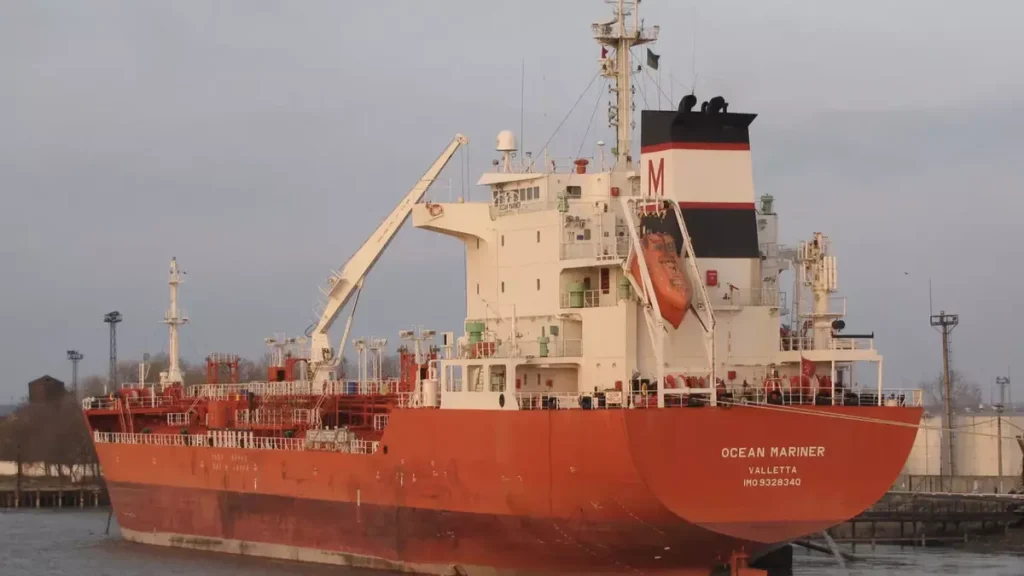
El ‘Ocean Mariner’, con capacidad de 83.000 barriles, forma parte de la flota que va y viene entre la Isla y México / Marine Traffic

14ymedio bigger14ymedio, Madrid, January 13, 2026 — The U.S. government will not prevent Mexico from supplying oil to Cuba, Energy Secretary Chris Wright said in an interview with CBS.

Despite President Donald Trump’s remarks on Sunday, when he said on social media that “there will be no more oil or money for Cuba: zero,” the official stated that the policy will be to “allow” Mexico to continue delivering crude oil to Cuba.

In addition, another official told the network, speaking anonymously, that the administration is not seeking the government’s collapse, but rather that it “abandon its communist system.”

The U.S. believes, this official said, that a total cutoff or embargo on Cuba would be a “shock to the already overloaded and decrepit power grid,” which posts deficits of more than 1,500 megawatts (MW) almost daily. This same Monday, an impact of more than 1,700 MW was expected during peak hours, and the main cause was, as is now customary, the lack of fuel, which left 1,020 MW out of service.

The U.S. believes, the official said, that a total cutoff or embargo on Cuba would be a “shock to the already overloaded and decrepit power grid.”

“The economic condition of Cuba is serious,” the official told CBS News, reminding the network that the Island has been selling Venezuelan oil to China to obtain some liquidity. With the fall of Nicolás Maduro following the U.S. attack on January 3, there was uncertainty over whether the U.S. would allow crude to continue reaching Cuba.

Mexican President Claudia Sheinbaum held a conversation on Monday with her U.S. counterpart in which they discussed security issues, just days after Trump threatened continue reading

to attack Mexican cartels on the ground. “We had a very good conversation with the president of the United States, Donald Trump. We talked about various issues, including security with respect for our sovereignties, reducing drug trafficking, trade, and investments,” Scheinbaum said in a message posted on her social media early in the morning.

Shortly afterward, when asked during her morning press conference, Sheinbaum offered herself as a “vehicle of communication” between the U.S. and Cuba, a topic that, as she herself clarified, was not part of the issues discussed.

“Obviously, if Mexico were to become a vehicle for communication between the United States and Cuba, both parties would have to accept it, evidently,” she said.

Trump had said on Sunday that there were talks with Cuba and that more would be known soon, but hours later Miguel Díaz-Canel assured that such contacts do not currently exist, beyond the usual conversations the two governments maintain on migration issues.

“We have always been willing to engage in serious and responsible dialogue with the different governments of the United States, including the current one, on the basis of sovereign equality, mutual respect, principles of international law, reciprocal benefit, non-interference in internal affairs, and full respect for our independence,” he added.

Not obstructing oil shipments from Mexico could be a mechanism for the U.S. to force negotiations in which, in light of officials’ comments, the Cuban government would have to open itself to eventual democratization and/or economic liberalization.

Not obstructing oil shipments from Mexico could be a mechanism for the U.S. to force negotiations in which, in light of officials’ comments, the Cuban government would have to open itself to eventual democratization

On January 9, the tanker Ocean Mariner arrived at the port of Havana with around 85,000 barrels of fuel from Veracruz, marking Pemex’s first crude shipment to Cuba this year.

In 2023, exports amounted to about 16,000 barrels per day (bpd) of oil and derivatives, worth around $300 million. In 2024, cooperation increased to 20,100 bpd, a 20% rise, although derivatives fell by 18%, with an estimated total value of $600 million.

Between January and September 2025, Mexico supplied Cuba through the Pemex subsidiary Gasolinas Bienestar with around 19,200 barrels per day to Cuba, divided, according to official documents, into 17,200 barrels of crude and 2,000 of derivatives. University of Texas expert Jorge Piñón estimates that during the first 13 months of the Sheinbaum administration (between October 2024 and November 2025, the average was 8,700 barrels per day.

Sheinbaum has stated on more than one occasion that all governments prior to hers have supplied oil to the Island, including those of Enrique Peña Nieto and Felipe Calderón, and that the commitment to Cuba is “historical,” not ideological.

Translated by Regina Anavy

____________

COLLABORATE WITH OUR WORK: The 14ymedio team is committed to practicing serious journalism that reflects Cuba’s reality in all its depth. Thank you for joining us on this long journey. We invite you to continue supporting us by becoming a member of 14ymedio now. Together we can continue transforming journalism in Cuba.

The End of Venezuelan Oil Supplies Affects Sherritt’s Nickel Mines in Cuba

In addition, it reduces the natural gas production of the Canadian company that supplies Havana.

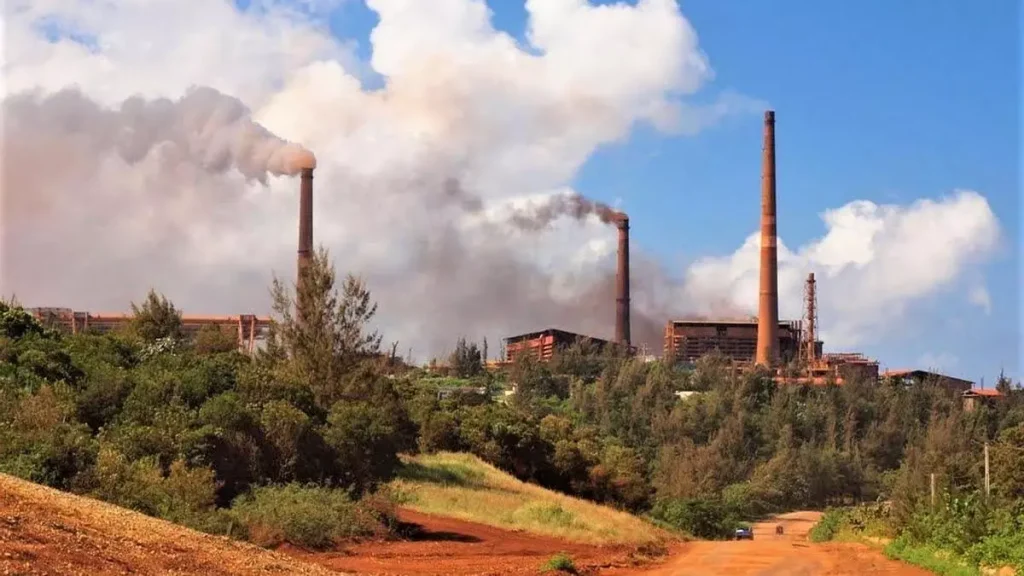
Sherritt needs oil in order to operate the mines it runs in Moa, Holguín. / Sherritt International

14ymedio bigger14ymedio, Madrid, January 12, 2026 — The warning by U.S. President Donald Trump that he would cut off Venezuela’s oil supply to Cuba—more than plausible after the capture on January 3 of President Nicolás Maduro and his wife, Cilia Flores—threatens to exacerbate Sherritt International’s problems on the Island. The Canadian giant needs imported fuel to operate the nickel and cobalt mines it runs in Moa, Holguín, which, according to William Pitt, have been the company’s economic backbone.

“This company was the best foreign investment Cuba has ever had,” observes the U.S. businessman, whose family had multiple mining properties expropriated by the regime in 1960. As Pitt explains to 14ymedio, although historically the power plants and gas wells associated with Sherritt, which operates in cooperation with the state-owned Energas, have produced “the most reliable and best-managed energy services” in the country, this is no longer the case.

“Sherritt has lost so much money that it is undergoing a shareholder revolt in Canada,” says the U.S. businessman, referring to the recent replacement of Leon Binedell as the company’s chief executive officer (CEO) just four years after his appointment, by “personnel from another competing company.”

“Sherritt has lost so much money that it is undergoing a shareholder revolt in Canada”

According to a Sherritt statement dated December 8, he continue reading

has been replaced on an interim basis by Peter Hancock, “an experienced mining industry executive with more than 35 years at Glencore plc, where he led nickel mining operations and participated in the development and commercialization of process technologies.”

The corporate text refrains from criticizing the outgoing Binedell, but makes clear that recent times have not been easy: “Since his appointment in June 2021, Mr. Binedell has guided Sherritt through one of the most challenging periods in its history, overseeing progress on several key strategic initiatives, including the expansion of the Moa joint venture, the implementation of the cobalt exchange agreement, the optimization of the energy division, and the completion of debt and equity transactions earlier this year.”

Indeed, in its report last year, the Canadian multinational had already warned of the risks of operating in Cuba, where blackouts, fuel shortages, natural disasters, and the loss of workers threatened its profitability. In the second quarter of 2025, the company posted multimillion-dollar losses—from $51.4 million in the same period the previous year to $43.7 million—along with a sharp drop in production and significant cuts to its workforce in Canada, as operating conditions in Cuba deteriorated.

As Pitt rightly recalls, without electricity Cubans depend on gas for cooking

Last year, there were several occasions when the Energas–Sherritt plant in Boca de Jaruco (Mayabeque) went out of service due to breakdowns, seriously affecting the national electric system (SEN). With a usual contribution of between 100 and 120 megawatts (MW), the thermal plant is vital to the SEN. In fact, the two plants operated by the Canadian company in Cuba—Boca de Jaruco and Varadero in Matanzas—have been key to restoring electricity to the Island during the several total system collapses it has suffered since late 2024.

Beyond that, as Pitt rightly notes, without electricity Cubans depend on gas for cooking. In most of the country this means liquefied petroleum gas (LPG), sold in cylinders, and in Havana additionally natural gas delivered by pipeline to the capital from wells located to the east, near Varadero, Puerto Escondido, and Boca de Jaruco. The latter is produced entirely by Sherritt International, the businessman emphasizes.

Thus, whatever the Canadian company suffers will also be suffered by Havana residents, especially those living in the municipalities of Plaza de la Revolución, Cerro, Centro Habana, Habana Vieja, Diez de Octubre, Playa, and Marianao. “Without bottled gas or piped gas for cooking, and without electricity to cook on electric stoves, Cubans who have enough money will be able to cook with charcoal (if they can find it, since there isn’t much), and if they cannot find charcoal or do not have the money, with firewood,” Pitt concludes.

Translated by Regina Anavy

____________

COLLABORATE WITH OUR WORK: The 14ymedio team is committed to practicing serious journalism that reflects Cuba’s reality in all its depth. Thank you for joining us on this long journey. We invite you to continue supporting us by becoming a member of 14ymedio now. Together we can continue transforming journalism in Cuba.

Cuban Filmmaker Miguel Coyula Receives the Award for Best Documentary at the Cinema Tropical Awards

The feature film ‘Chronicles of the Absurd’ uses sound recordings to reconstruct the experiences of cultural resistance of independent artists

Coyula continues to establish himself as one of the most unique voices in contemporary documentary film. / Miguel Coyula / Facebook

14ymedio bigger14ymedio, Havana, January 13, 2026 – The feature film Chronicles of the Absurd (2024), by Cuban filmmaker Miguel Coyula, was recognized as Best Documentary at the Cinema Tropical Awards, held on January 7 at Film at Lincoln Center in New York. The 77-minute film reconstructs the lives of independent artists in Cuba using clandestine audio recordings, graphic transcriptions, and archival footage. Coyula closely follows his own experiences and those of his partner, actress and writer Lynn Cruz.

The documentary is divided into ten elliptical chapters that combine audio recorded with mobile phones and images that accompany the sound without directly illustrating it, without interviews or voice-overs . This approach allows ambient sounds and disembodied voices to convey the burden of living under censorship, showing a daily life marked by surveillance, scarcity, and ideological weariness.

In Coyula’s own words, the work is “ugly” out of necessity: it could only be documented through a clandestine approach, which protects those who participated and reflects the reality of working outside of Cuban institutions.

In Coyula’s own words, the work is “ugly” out of necessity: it could only be documented through a clandestine approach.

Chronicles of the Absurd had its international premiere continue reading

in November 2024 at the International Documentary Film Festival Amsterdam (IDFA), where it won the Best Film Award in the Envision Competition. The jury praised the use of the audio track as a political diary and the radical way in which the documentary blends sound recordings, images, and graphic transcripts to convey the tension of life under surveillance. The film then continued its run at festivals around the world, where it has received numerous awards.

Coyula recently explained in an article published in Rialta* that the motivation for making the film stemmed from the need to document the lives of artists outside of any official institution and to preserve the story of Lynn Cruz, who suffered dismissals, surveillance, and censorship. She noted that the film “is not a Manichean tale of heroes and villains, but an essay on absurdity and resistance, with touches of dark humor, political thriller, and psychological horror.”

At the New York ceremony, the filmmaker thanked the jury and everyone involved in making the documentary, and dedicated the award especially to Lynn Cruz, whom he recognized as the protagonist of the work and a central figure in the creative process that gave rise to the film.

With this recognition, Coyula continues to consolidate himself as one of the most unique voices in contemporary Latin American documentary cinema.

*Translator’s note: READ THIS ARTICLE. Your browser will allow you to automatically translate it into English (or other languages).

____________

COLLABORATE WITH OUR WORK: The 14ymedio team is committed to practicing serious journalism that reflects Cuba’s reality in all its depth. Thank you for joining us on this long journey. We invite you to continue supporting us by becoming a member of 14ymedio now. Together we can continue transforming journalism in Cuba.

Six Dead and Five Injured in Collision Between Van and Tricycle in Holguín, Cuba

The crash occurred in Moa at around 4 p.m.

Condition of both vehicles after the collision. / Cubadebate

14ymedio bigger14ymedio, Madrid, 13 January 2025 — The collision between a van and a tricycle claimed the lives of six people on Monday in Moa, in the province of Holguín. Five of them died at the scene of the accident and another died at Dr. Guillermo Luis Fernández Hernández-Baquero Hospital, where the injured were taken.

The crash occurred around 4 p.m. on the Baracoa road, on a stretch leading to the Comandante Ernesto Che Guevara factory. At this time, it is unknown what conditions led to the collision, but the consequences were fatal, as can be seen—in addition to the numerous victims—in the images showing the condition of the vehicles.

The official press has released the identities of the deceased. They are Andys William Mendoza Ferrer, 41, a resident of Reparto Aeropuerto, Frank País; Enoelio Borges Reyes, 50, a native of Moa, Cayo Grande de Yamanigüey; Maria Carla Noguera Despaigne, 19, from Avenida Lenin, Reparto 26 de Julio; Emmanuel Rodríguez Igarza, 23, and Eloina Reyes González, 69, both residents of Punta Gorda Arriba; and Liolvis Lofforte Alpajón, 33, from Cayo Grande de Yamanigüey.

In addition, six people were injured, including the two drivers. They are Sandro Medina Oliveros, 52, a resident of Reparto Miraflores, reported to be in serious but stable condition; Yanet Rodríguez Reyes, 49, from Punta Gorda Arriba, with a head injury but in stable condition; Omar Breff Blanco, 58, a resident of Reparto Armando Mestre, who was the driver of the tricycle and is in serious condition; Liset Suárez Lovaina, 29, a resident of Quemado del Negro, stable with non-serious injuries; and Eroeldis Borges Alpajón, 23, from Cayó Grande de Yamanigüey, in serious but stable condition. continue reading

At present, it is unclear what conditions led to the collision, but the consequences were fatal, as can be seen in the images showing the condition of the vehicles.

In addition to the emergency services, rescue and salvage teams from the nickel industry attended the scene to treat the injured and identify and remove the deceased.

The causes of the accident, which is the second major accident so far this year, are currently under investigation. The first occurred on Wednesday, 7 January, in Camagüey, when two of the 38 passengers on a bus died after the vehicle, which was transporting workers from the Mariel Special Development Zone, veered off the road.

Between January and August 2025, there were 502 transportation-related fatalities on the island. Although the total for that year is still unknown, at that point alone the number had already risen to 80% of the total for 2024. By comparison, last year 1,119 people died on Spanish roads, just over twice as many as on the island in only eight months, with a population six times larger.

The poor condition of roads and vehicles contributes to any distraction, recklessness or speeding – the causes attributed to most crashes – having fatal consequences. In addition, the shortage of transport in good condition forces a large part of the population to travel in precarious conditions that lack any safety measures.

Translated by GH

____________

COLLABORATE WITH OUR WORK: The 14ymedio team is committed to practicing serious journalism that reflects Cuba’s reality in all its depth. Thank you for joining us on this long journey. We invite you to continue supporting us by becoming a member of 14ymedio now. Together we can continue transforming journalism in Cuba.