The streets and WhatsApp groups were filled with stories about invasions, power shifts, and military maneuvers.
 14ymedio, Havana, May 4, 2026 / April hasn’t been a month of abundant rain or good news, but it has been full of rumors that have spread like wildfire on street corners, in doorways, and especially in WhatsApp groups, where each audio message is listened to with the solemnity of an official statement. In a country where information trickles out and silences weigh more than speeches, rumors remain a way to interpret reality, anticipate disaster, or imagine a way out.
This fourth month of the year has been marked by stories that mix politics, war, palace intrigues and military technology, an explosive combination that reveals both the anxiety of Cubans and their inexhaustible creativity to fill the information gaps.
The most persistent of the gossip has been the supposed resignation letter of Miguel Díaz-Canel, a document that, according to those who claim to have seen it “from the inside,” was addressed to Raúl Castro and contained a confession of errors and failures. The letter, which no one has been able to produce but which many say they read on a friend of a cousin’s phone, has circulated in increasingly elaborate versions. In some, the president apologizes for the economic crisis; in others, he acknowledges the government’s inability to stop the mass exodus and the endless blackouts. As with tall tales, each storyteller adds a new detail until the story becomes larger than life.
In recent days, Cubans have become experts at interpreting radars, satellite maps, and applications that track flights and shipping
Another inexhaustible source of speculation has been the skies and waters surrounding the island. In recent days, Cubans have become experts at interpreting radar, satellite maps, and applications that track flights and shipping. Any aircraft that appears on a cell phone screen unleashes a chain of alarmist messages: “That’s not a commercial flight,” someone warns. “It’s a military drone,” another replies. The possibility of U.S. ships, submarines, or aircraft approaching Cuban shores has fueled the fantasy of an imminent invasion. In lines for bread or fuel, there are always those who insist that “this time they’re serious.”
In this climate of collective nervousness, the name of Raúl Guillermo Rodríguez Castro, known as “El Cangrejo” (The Crab ), has once again become a topic of informal headlines and dinner table conversations. According to the most recent rumors, Raúl Castro’s grandson has become the main interlocutor in the negotiations with the United States, a story that has grown amid leaks and anonymous comments. The narrative includes mysterious intermediaries, discreet trips, and promises of agreements that never materialize. For many, the plot has the allure of a spy novel; for others, it is simply a reflection of the desperate need to believe that the country’s course will soon change.
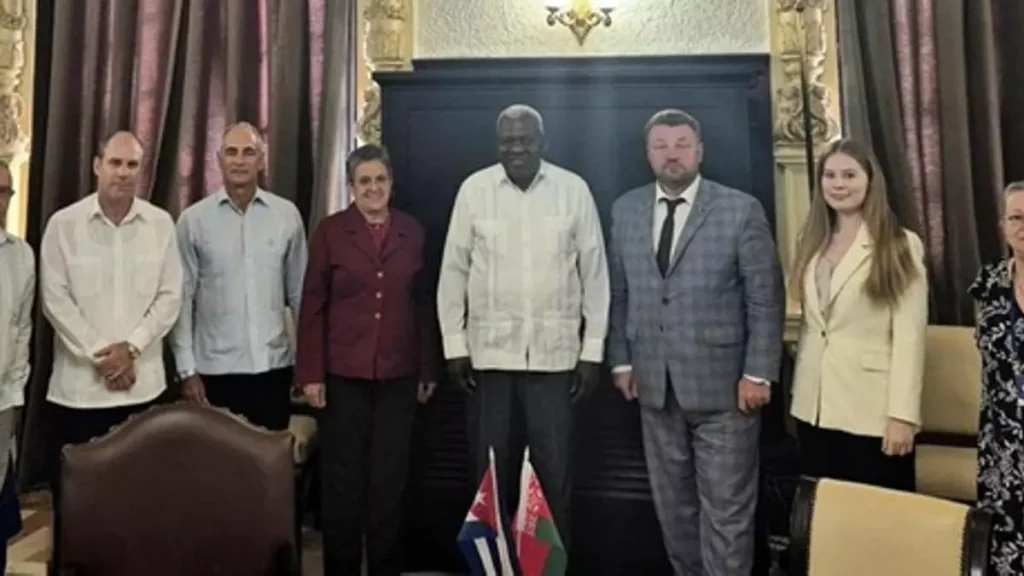
War paranoia has also been fueled by the claim that the Cuban government has gone to Belarus in search of weapons and military technology to counter a potential US attack. This rumor has been repeatedly circulated on social media and in private conversations, accompanied by images of tanks and missiles that appear without context or date.
April has also brought rumors of imminent changes at the top of the power structure. According to some reports, Díaz-Canel’s replacement is being prepared, along with the start of a smear campaign to justify his departure. In this scenario, Sandro Castro’s recent interview with an international media outlet would have been part of a carefully calculated strategy to weaken the president’s image. The hypothesis sounds like the plot of a political soap opera, but it has found fertile ground in a population accustomed to interpreting every public gesture as a sign of conspiracy.
In a country where reality often surpasses imagination, rumors are not just stories whispered in someone’s ear: they are the reflection of a society trying to decipher its own destiny while patiently and skeptically awaiting the next news item that will confirm or deny what everyone already suspects.
______________________
COLLABORATE WITH OUR WORK: The 14ymedio team is committed to practicing serious journalism that reflects Cuba’s reality in all its depth. Thank you for joining us on this long journey. We invite you to continue supporting us by becoming a member of 14ymedio now. Together we can continue transforming journalism in Cuba.