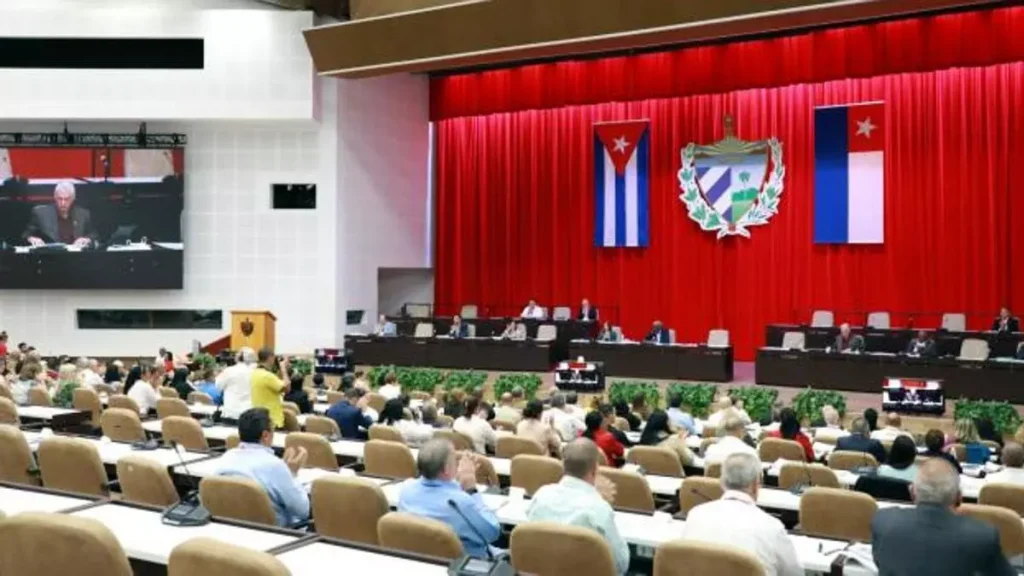
The Cuban author acknowledged he is an admirer of Vargas Llosa’s work, especially ‘Conversation in the Cathedral’.
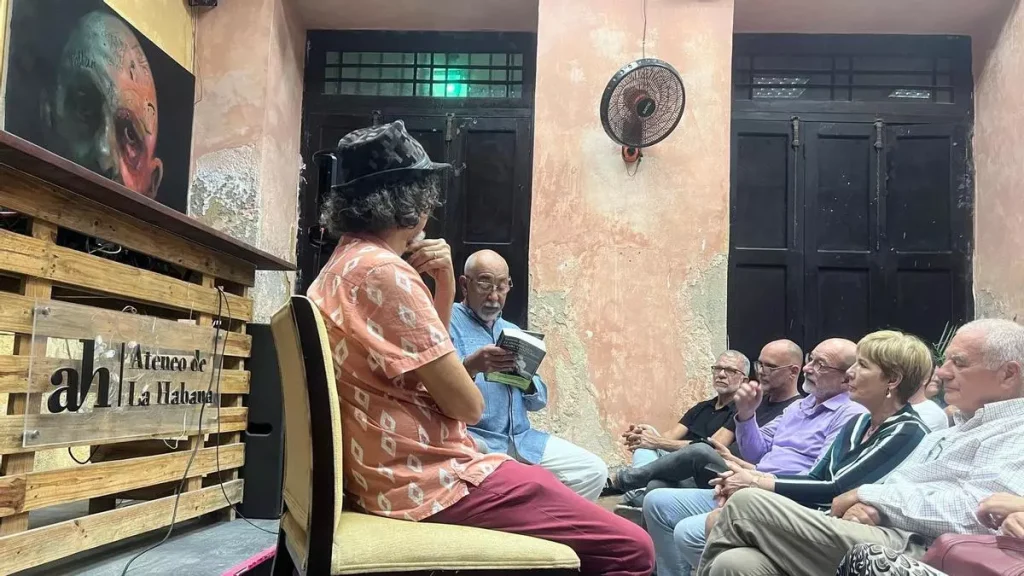
 14ymedio, Dario Hernandez, Havana, 20 December 2025 — For just over an hour, Havana experienced one of those rare moments when literature manages to triumph over blackouts and hardship.
The Ateneo de La Habana was packed to overflowing to hear Leonardo Padura speak about Mario Vargas Llosa, in a conversation moderated by Rafael Grillo and organized by La Tertulia. The sustained attention and the diversity of the audience confirmed that literature continues to draw people in Cuba, despite the crisis, censorship, and fears surrounding certain topics.
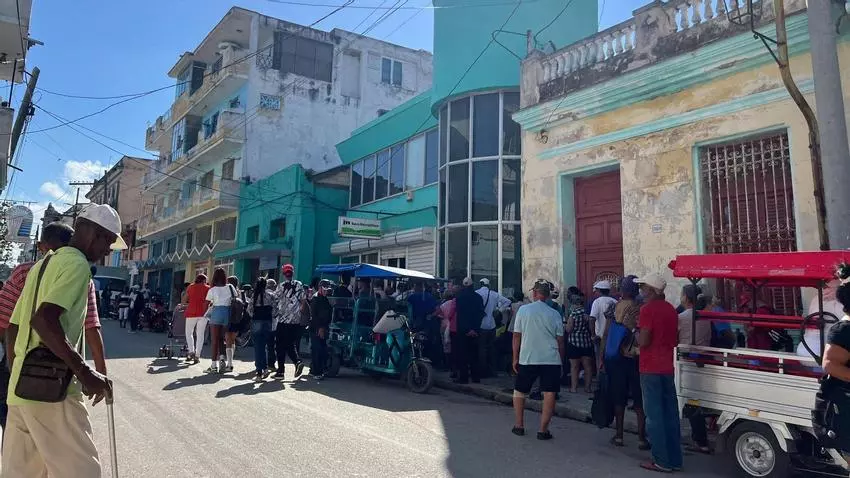
The room, with its peeling walls and fans that barely offered any relief from the tropical winter chill, was packed long before it began. Readers of all ages filled every available chair; others sat on the floor, leaned against the walls, or remained standing throughout the entire event. Among the attendees were writers, editors, artists, university professors, and regular readers, all mingling without any apparent protocol or hierarchy.
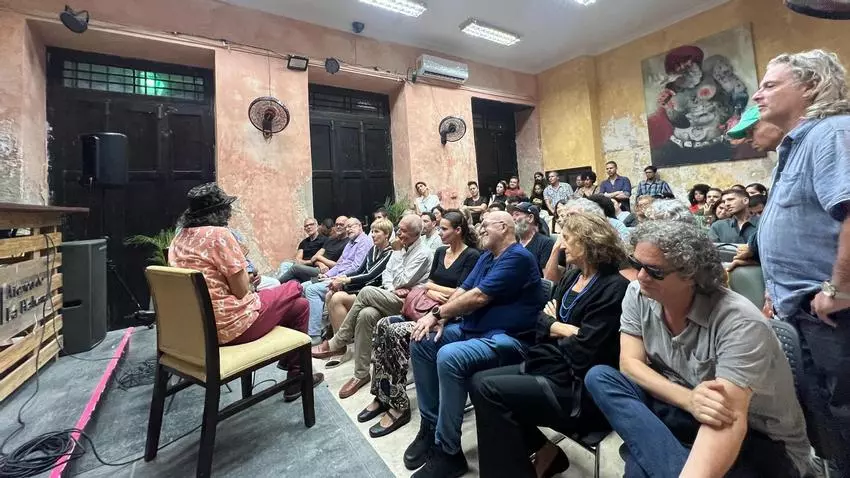
Rafael Grillo led the discussion with sobriety and precision, avoiding a laudatory tone and opting for questions that placed Vargas Llosa at the center of the literary debate, not in the realm of superficial political polemics. From the outset, it was clear that this was not an uncritical tribute, but rather a reasoned reading of a pivotal work of Spanish-language narrative. Padura knows that speaking about Vargas Llosa on the island entails acknowledging contradictions, areas of conflict, and an intellectual trajectory that cannot be reduced to slogans.
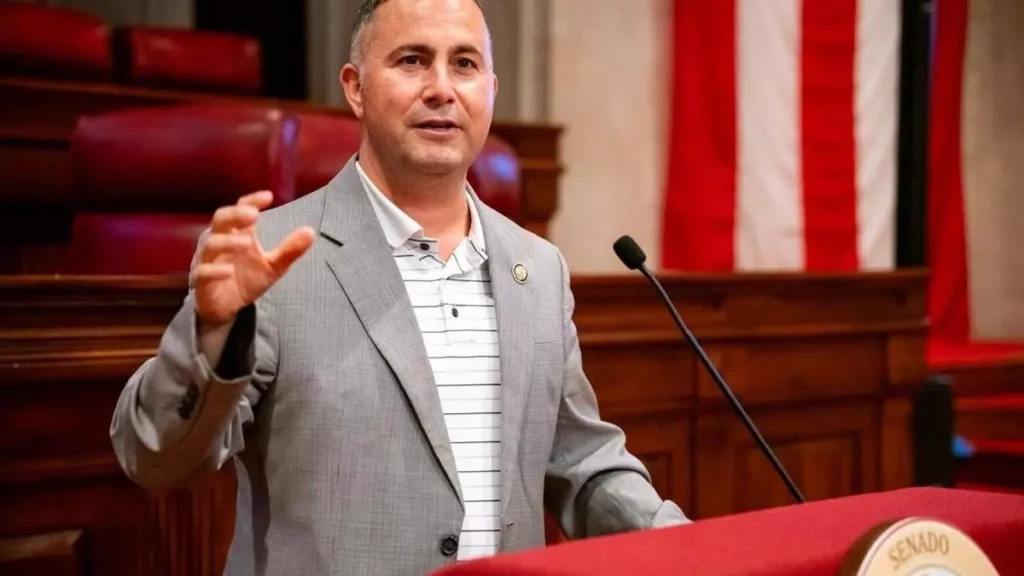
The Cuban author acknowledged his admiration for Vargas Llosa’s work, especially Conversation in the Cathedral, a novel he defined as one of the undisputed masterpieces of the 20th century. He detailed the Peruvian writer’s obsession with power, the mechanisms of domination, and the moral degradation produced by authoritarian structures. He also continue reading
One of the most talked-about moments was when Padura recalled personal anecdotes from his first encounter with Vargas Llosa. The first time he approached him, as they were getting off a plane, he told him he was a close friend of Ambrosio Fornet, with whom the Peruvian had studied in Madrid during his youth. Then he confessed: “Maestro, I just wanted to tell you one thing so as not to bother you: every time I start writing a novel, I read Conversation in the Cathedral .”
The dialogue also addressed Vargas Llosa’s relationship with the Cuban Revolution. Padura recalled that the Peruvian writer’s initial enthusiasm was shared by much of the Latin American intelligentsia of the 1960s and that the break was not immediate. The definitive rupture came in 1971, after the Padilla case, when Vargas Llosa spearheaded the letter of protest against the Cuban poet’s arrest and forced self-criticism. From that moment on, he noted, the distance was irreversible, and the writer understood that the revolutionary project had betrayed basic principles of intellectual freedom.
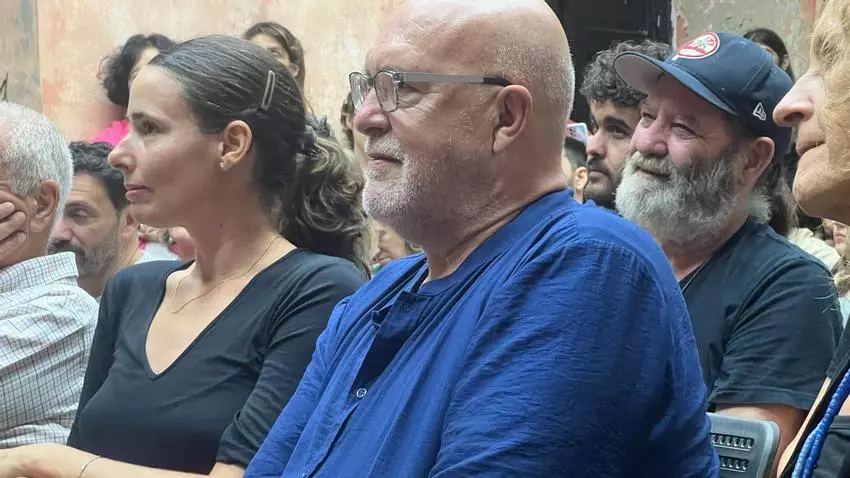
The audience listened in silence, without interruptions or signs of impatience. The final questions confirmed the level of attention and the need for these spaces. They discussed literature and politics, censorship and the market, in a country where the price of a book in Europe is equivalent to two months’ salary for the average Cuban. There were also references to Donald Trump and the current regional context, where old stories that “Cubans heard in fourth grade” are resurfacing, such as the Monroe Doctrine and gunboats.
Padura insisted that his relationship with Vargas Llosa has always remained on the literary plane, without demands for alignment or concessions, as if literature were the last territory where it is still possible to converse without preconditions.
____________
COLLABORATE WITH OUR WORK: The 14ymedio team is committed to practicing serious journalism that reflects Cuba’s reality in all its depth. Thank you for joining us on this long journey. We invite you to continue supporting us by becoming a member of 14ymedio now. Together we can continue transforming journalism in Cuba.