The Increase in Chikungunya Cases Is Creating a “Dangerous” Situation, Cuban Authorities Admit

Infections have risen by 23.2% in a week and the number of patients in intensive care, including many minors, has grown from 96 to 156.
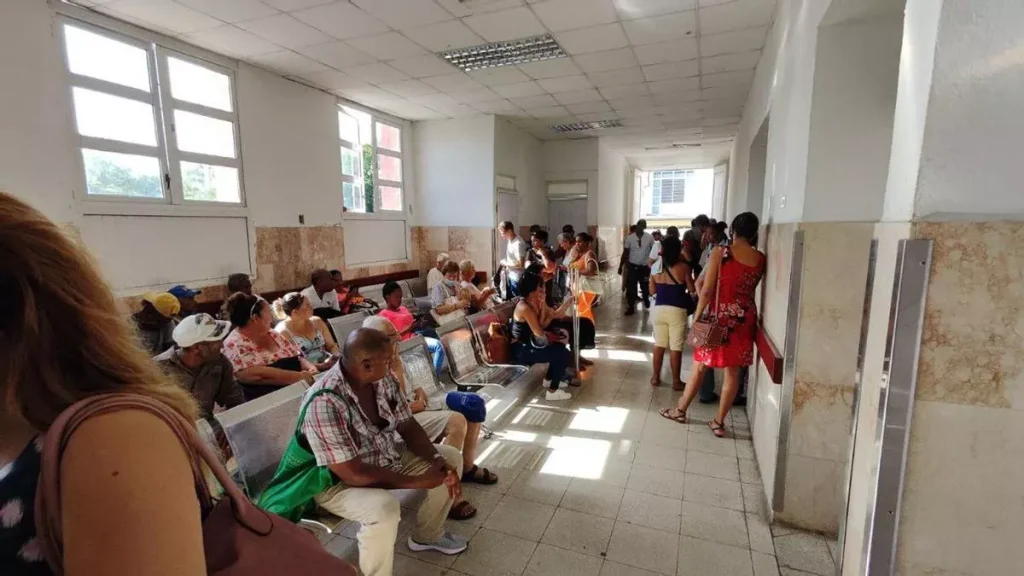

Cases have increased by more than 23% this week, although there is optimism for December. / Archive/ 14ymedio

14ymedio bigger14ymedio, Madrid, 25 November 2025 — Data on the arbovirus epidemic that Cuba has been experiencing in recent months is alarming health authorities, who on Monday warned of a 23.2% increase in chikungunya infections compared to the previous week. Carilda Peña García, Deputy Minister of Public Health, said that at the end of last week, 7,700 new cases of this disease had been recorded and, although she did not provide specific figures for dengue, she also confirmed an increase in the incidence rate.

In total, the country has recorded 39,760 people with “non-specific fever syndrome”, 15.8% less than the previous week. The official was optimistic about the future, stating that “historically, November is the most complex month for arboviruses, with dengue fever being hyperendemic.” This data led her to believe that there would be an improvement in the first or second week of December, also in the case of chikungunya, which is transmitted by the same mosquito.

At the moment, with 156 patients in intensive care – 96 more than the previous week – there is little cause for celebration. The Deputy Minister acknowledged that the situation “is considered dangerous” because there are many serious and critical cases. Of the latter, 34 (out of a total of 35) are under the age of 18. As for the seriously ill, the figure rises to 121, 96 of whom are minors.

There are 35 critical cases, 34 of whom are under 18. As for serious cases, the number rises to 121, 96 of whom are minors.

Peña García explained that he is aware that there is underreporting because many people do not go to medical centres. However, he added that all suspected cases are counted, even if they have not been diagnosed in laboratories, which is common in epidemic situations. On Monday, of the 7,700 cases, 137 were confirmed by PCR, a test reserved for identifying and characterising serious cases or the onset of outbreaks.

As for dengue fever, transmission is widespread, with cases still present in 14 provinces – Sancti Spíritus, Villa Clara, Havana, Guantánamo, Ciego de Ávila and Santiago de Cuba leading the way – and the incidence rate has risen to 22.6%. The figures have not yet been updated in the World Health Organisation (WHO) documentation, so people do not know how many infections there are. At the end of last week, three deaths and 9,602 infections had been reported, which is a high rate of 87.79 per 100,000.

Although Peña García insisted on the importance of seeing a doctor, especially for vulnerable population groups, many cases are not counted officially. “All of us who don’t go to the doctor and heal ourselves at home are not included in this figure. Conduct a block-by-block survey to see how many of us there are,” said a Cubadebate reader in response to the news. Another user asked the authorities to be more specific about the cases of deaths circulating on social media.

“Could you clarify whether there have been any deaths from this cause and, if so, how many? There are all sorts of rumours circulating about hospitals and funeral homes being full, the virus spreading for several weeks, and not a single death? Something doesn’t make sense, and I do not believe that any deaths are a crime or the fault of the Ministry of Health, as is the case anywhere else on the planet in similar situations. Thank you. We await your response,” he asked. The only deaths known to date directly associated with dengue fever are three, announced in October. Since then, rumours have been spreading like wildfire.

The authorities claim that the procedure has not been widespread because there are “limitations on fuel and insecticides, but priority was given to areas with the most active transmission.”

The deputy minister explained that the Aedes aegypti infestation is considered high, with 8,545 outbreaks. The municipalities with the worst indicators are Camagüey, Pinar del Río, Sancti Spíritus and Havana. In the latter, as in Santiago de Cuba and Granma, fumigation targets are being met, another fact that is highly questioned on social media, where hundreds of voices claim that no action is being taken. The authorities admit that the procedure has not been followed everywhere because there are “limitations on fuel and insecticides, but priority was given to areas with the most active transmission in order to reduce the vector population and break the chain of transmission”.

The situation has prompted the Dominican Republic to take action. On Monday, it announced the intensification of epidemiological surveillance and vector control measures throughout the country, “as part of the ongoing prevention and response strategy to the chikungunya outbreak reported in Cuba and other Caribbean countries”.

The country’s Ministry of Health said there will be intensive fumigation campaigns, scrap metal removal and community education, as well as active screening for fever and surveillance at airports, ports and border crossings. The minister asked citizens for their cooperation, especially in keeping yards clean and removing water tanks that encourage mosquito breeding.

Translated by GH

______________________

COLLABORATE WITH OUR WORK: The 14ymedio team is committed to practicing serious journalism that reflects Cuba’s reality in all its depth. Thank you for joining us on this long journey. We invite you to continue supporting us by becoming a member of 14ymedio now. Together we can continue transforming journalism in Cuba.

Protests Over Blackouts of up to 25 Days in Mayarí, Where There Are No Resources To Pay Bribes to the Electric Union

Reports multiply about “corruption in the Electric Company” to connect the powerful and leave others in the dark

Some 20 residents of Guairajal, in Holguín, protested this Sunday in broad daylight. / Facebook

14ymedio bigger14ymedio, Havana, November 24, 2025 — Hurricane Melissa left Mayarí hours after striking the east of Cuba, but the effects are still felt in the municipality of Holguín, where there have been three consecutive protests in small rural towns tired of living in the dark for almost a month. The last occurred this Sunday in Guairajal, where more than 20 people took to the streets with signs written on cardboard, demanding electricity after more than 25 days without service.

“Every day we talk to the delegate and the president of the People’s Council and nobody listens to us,” said one of the residents. Another explained that the community suffers a serious abandonment, and it has been decimated. “There were 200 or so houses here and there are 40 left,” she explained.

Women with babies in their arms and children holding balloons shouted “We want electricity,” a protest that could have been avoided, another neighbor said on social media. “We are tired of calling and complaining and not being heard. It shows a lack of respect for this small, poor and obedient town.

“In addition to not having electricity we have infinite problems; for example, not having water and being almost isolated, with the river running on the road and the bridge broken that connects us with Arroyo Enmedio. And nobody cares about that either. We feel totally abandoned by the authorities of the municipality,” she lamented only one day before the protest. continue reading

“There were 200 or so houses here and there are 40 left,” she explained

Although the government has praised the effort of the Electric Union linemen who came from different provinces in eastern Cuba to collaborate in repairs, the work has not been as exemplary as it appears, some complain.

“It’s been more than 20 days without electricity, and yesterday the linemen were up in Guayabo, where our transformer is located. They put on the power in one part and cut the cables that go to our neighborhood, on 21st street at the bottom, leaving out 11 houses. They did not want to continue because it was raining, there was mud, and they had to cross a bridge. So I ask you: Where are those hard-working linemen who are mentioned so much, leaving children, the elderly, the sick and working mothers without electricity? The residents themselves had to fix the fallen lines and keep the poles from falling down. The linemen only had to bring a ladder and connect the lines that go to the houses, but they didn’t do their work. It could have been done in less than half an hour, but it was easier to cut the lines and leave us without power. They reported that all the lines were on the ground and left,” said a resident of Mayarí, who continued with a warning: “We call the command post and they hang up the phone. So, what do we women and children have to do? We’ll throw ourselves into the street if they don’t connect us, like they did in Seboruco.”

The reference was to the protest that took place last Thursday in this community, where the neighbors went to the streets after 23 days without electricity or running water, an alarming situation amid the epidemic of arbovirosis affecting the island. “We called all sides; the mothers went to the Party (Communist Party of Cuba, the PCC), and there was no response from anywhere. We carried water from the rivers and were told every day that they would come, but it was a lie. Mothers with children went to the government, and we didn’t get a clear answer, so we could no longer stand it and threw ourselves into the street,” a resident, who asked for anonymity for fear of reprisals, told Martí Noticias.

There, before the dozens of people who demanded solutions, a PCC representative arrived and asked for understanding because the problem affected the entire locality. “Well this is all of Mayarí, not just Seboruco. If you want I will explain it to you; otherwise, I’ll shut up and keep walking,” he said. Empathy ended when he realized that he was being recorded: “You can’t record me because it’s against the law,” he said. Several hours later, according to various reports, electric service was restored to the community.

“We call the command post and they hang up the phone. So what do we women and children have to do? We will throw ourselves into the street if they do not give us electricity, like they did in Seboruco”

Pontezuela, another rural area of Mayarí, came out banging pots and pans on Friday night, in a type of protest more usual than the other two, which occurred in broad daylight with faces uncovered. There, the mayor and a political police officer stated that they did not yet know the extent of the damage or when services would be restored, and they asked for more patience from the population.

The last clear count of those without electricity in Holguín was on November 14, when there were still more than 52,000 residents without power. “We know that there are still areas waiting for attention. We have not forgotten anyone. We continue to try to reach every affected site, repair every malfunction and return every home to normal. Already this Tuesday 336,521 people in Holguín have been serviced, and we’re not stopping. Thank you for your patience, solidarity and trust,” added the provincial electricity company on day 19 in a Facebook post, where it showed the unsuccessful repair of the poles of Guairajal.

In the midst of this situation, the La Tijera Facebook page has reported rumors supported by countless commentators. In a post this Sunday, it described a dispute between local Electric Union administrators and residents of Manzanillo, in the province of Granma, who charged the workers with influence peddling and bribes.

“Neighbors complained that the power cuts were not due to the population but to an uncontrolled increase in private businesses, including illegal bakeries, welding workshops and refrigeration centers for sausages and meat, that were operating thanks to bribes paid to Electric Union officials, managers and linesmen,” said the post. It added that the inspection does not work and pointed to some specific businesses that paid to connect to circuits prioritized for leisure, among other irregularities.

A former worker of the electric company of Matanzas has confirmed to Martí Noticias that it is not only true, but the same thing happens throughout the island. “I saw the corruption in the Electric Company. It goes so high that you can offer any lineman money and get the service you need without having to go through the State channel,” said specialist Yanan Camaraza Medina.

“There are two transformers that feed the nearby neighborhood of the Cooperative, which has service 24 hours a day, because there are interests of millionaires based in the United States”

Living in Unión de Reyes, he said that the village of Juan Gualberto Gómez has been without service for weeks, but there are “two transformers that feed the nearby neighborhood of the Cooperative, which has service 24 hours a day, because there are interests of millionaires based in the United States who have their businesses, their investments here in Cuba, and, of course, they pay bribes.”

Camaraza Medina states that it has also been reported that the Provincial Freight Office accepts bribes in exchange for improving the conditions of the circuit and that there are more provinces where cases of this type have occurred, including Cienfuegos. In the municipality of Aguada there are four circuits that are exempt from the long blackouts, among them those that host facilities of the Party and the Government.

“If you pay they connect you to the protected area. That has happened in several houses here that have been reconnected in the neighborhood of the cooperative because they paid and are close by, and the linemen come and do the work stealthily and connect them,” the specialist told Martí Noticias. He describes several more cases of a situation that is not new, but that has become more desperate in these times of deep energy crisis.

Translated by Regina Anavy

____________

COLLABORATE WITH OUR WORK: The 14ymedio team is committed to practicing serious journalism that reflects Cuba’s reality in all its depth. Thank you for joining us on this long journey. We invite you to continue supporting us by becoming a member of 14ymedio now. Together we can continue transforming journalism in Cuba.

Cuba’s Only Bus Assembly Plant Shut Down Due to Lack of Electricity

The Ómnibus Caisa Production Company does not believe it can deliver more than 20 vehicles before 2026

Bus in Havana / Facebook

14ymedio bigger14ymedio, Havana, November 22, 2025 –The work of the Ómnibus Caisa Production Company, located in Guanajay, is strongly affected by the constant power cuts in Cuba. This situation means, according to a note published by El Artemiseño this Friday, that the only bus assembler in Cuba cannot advance in the repair work of the buses in Havana, despite having recently received a large donation of parts from the Chinese government.

This Saturday, for example, the Electric Union of Cuba reported the shutdown of unit 1 of the CTE Felton power plant because of “high temperature in the bearings,” which will consequently contribute to prolonged blackouts throughout the day. Yesterday, according to the UNE, there was a maximum allocation of 1,707 megawatts (MW), slightly higher than that planned for today (1,685 MW at peak hours), with an availability of 1,665 MW and a maximum demand of 3,280 MW.

Meanwhile in Caisa, 100 buses are stranded in the company’s parking lot, waiting to be repaired for several months.

A hundred buses are stranded in the company’s parking lot

The workers of the company assure El Artemiseño that they do not believe that more than 20 can be ready before 2026. The employees also point out that, although 27 people are active in a workforce of 47, if they could complete their eight-hour working day, they would be able to be much more productive and meet the capital’s transport demand more effectively. continue reading

This would also partially alleviate the serious crisis of public transport in Havana, already marked by the shortage of fuel and aggravated by the poor state of maintenance of the buses.

The situation is further complicated by the lack of operational vehicles. Recent statistics from the Ministry of Transport and the Provincial Company indicate that of the 435 buses which should be circulating in the capital, only 130 are able to operate. This represents only 35% of the fleet, with serious consequences for urban mobility. Of the 17 main and 112 secondary routes, less than half are in regular operation, affecting especially the working community, students and people who have to travel for health reasons.

The lack of buses is compounded by damage caused by misuse and vandalism: broken windows, chipped glass, damaged door systems and stolen parts, even in the new Foton minibuses from China, of which only 34 out of 50 were recently serviced. In the face of this shortcoming, many citizens are forced to resort to taxi drivers, but the prices of these private taxis have become significantly more expensive in recent years.

Translated by Regina Anavy

____________

COLLABORATE WITH OUR WORK: The 14ymedio team is committed to practicing serious journalism that reflects Cuba’s reality in all its depth. Thank you for joining us on this long journey. We invite you to continue supporting us by becoming a member of 14ymedio now. Together we can continue transforming journalism in Cuba.
If Trump Convinces Maduro To Leave, His Cuban Bosses Will Prevent It

Digital influencer Axios cites sources from the White House and points out that the Venezuelan president’s allies could eliminate him if he yields to US pressure

Maduro surrounded by his close military circle, which includes several Cubans. / EFE

14ymedio biggerEFE (via 14ymedio) ,Caracas, November 25, 2025 — US President Donald Trump is planning to hold a phone call with Venezuelan President Nicolas Maduro, according to the digital media Axios, which cites anonymous sources in the US administration.

According to these sources, Trump has told his advisers that he plans to speak with Maduro but has not yet set a date, because the call is “in the planning phase.”

“Nobody plans to come in and shoot or kidnap him (Maduro) right now. I would not say that it will never be so, but that is not the plan at this time,” a US official close to the alleged talks with Caracas told Axios.

“Nobody plans to come in and shoot or kidnap him (Maduro), right now. I would not say that it will never be so, but that is not the plan at this time”

Among the issues raised by the media is that Venezuela’s oil wealth “has helped to shore up the dictatorship in Cuba, which provides the security that helped install Maduro in 2013 and keeps him in power.”

“Part of the challenge to persuade Maduro to leave, say US officials, is that the Cubans who control him could execute him if he yields to American pressure and resigns.”

The information comes amid the huge military deployment that the US has maintained in the Caribbean since this summer. Yesterday, the US Department of State designated the Cartel de los Soles (Cartel of the Suns) as a foreign terrorist organization. Not much is known about this cartel, but the US links it to the head of the Army and the Venezuelan government and claims it is led by Maduro, who says the accusation is unfounded.

This Monday, Cuban Foreign Minister Bruno Rodríguez said that the Cartel de los Soles is a “fetish invented” by US intelligence services in order to justify violent actions to overthrow the Government of Venezuela. continue reading

“The Cartel de los Soles is an invention of the US Government and its Secretary of State (Marco Rubio) in order to justify violent actions to overthrow by force the Government of Venezuela and seize the oil of that sister country,” wrote Cuban Foreign Minister, Bruno Rodríguez, on social networks. In turn, he considered the designation to be “fraudulent, arbitrary and unilateral.”

The head of Cuban diplomacy also said that Washington intends to “return to the policy of gunboats as US conduct towards the region.” Venezuela quickly thanked him for the words of support from Havana.

This Monday, in addition, several US military aircraft flew over the waters of the Caribbean between the coast of Venezuela and the island of Curaçao

This Monday, in addition, several US military aircraft flew over the Caribbean waters between the coast of Venezuela and the island of Curaçao, which are 65 kilometers away, according to the flight tracking page FlightRadar24. It detected the movement of at least one B-52 bomber, two F/A-18 fighters and an E-2, an early warning and operations control aircraft.

This overflight coincides with the cascade of cancellations of flights by international airlines after the US Federal Aviation Administration last Saturday urged “extreme caution” when flying over Venezuelan territory.

Since that day, at least 22 flights from Caracas have been cancelled.

This Monday, US Chief of Staff Dan Caine visited Puerto Rico and will meet on Tuesday with Trinidad’s Prime Minister Kamla Persad-Bissessar, two of its military allies in the Caribbean.

Translated by Regina Anavy

Cuba: Mosquitoes, Garbage, and Chikungunya Are Rampant in the Military Neighborhood of San José De Las Lajas

The municipality of Mayabeque is experiencing one of its worst hygiene crises in decades

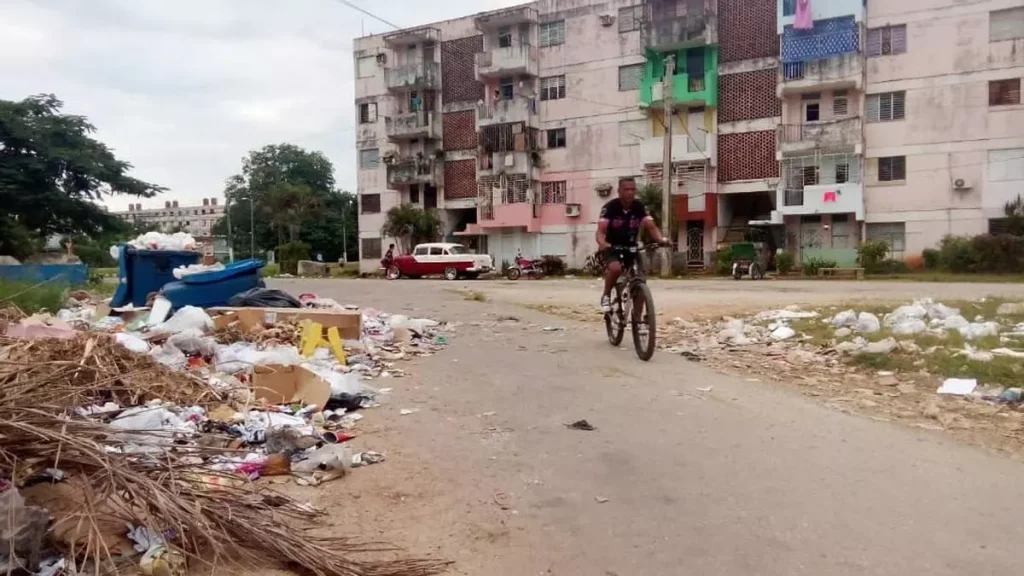
In the streets—if you can even call these shreds of torn-up asphalt streets—the garbage forms mountains that seem to have taken root. / 14ymedio

14ymedio bigger14ymedio, San José de las Lajas (Mayabeque),  Julio César Contreras, November 22, 2025 — At five in the afternoon, when a reddish light falls on the crumbling buildings of the Military Housing Complex in San José de las Lajas (Mayabeque), the same ritual occurs: doors close, windows are boarded up with cardboard, and neighbours hurry inside before the swarm of mosquitoes takes over the neighbourhood. There’s no need to look at the clock. The buzzing announces it.

In the streets—if you can even call these shreds of torn-up asphalt streets—trash forms mountains that seem to have taken root. Plastic bags, used diapers, food scraps, pieces of wood, and even broken furniture accumulate for days and weeks. A dog rummages through the garbage as if searching for an improbable treasure, while a neighbour rides by on a bicycle, dodging green puddles where the stagnant water reeks of feces and neglect.

San José de las Lajas is experiencing one of its worst sanitation crises in decades, but in the Military Housing Complex—an aging complex with inadequate infrastructure—the situation has reached unbearable levels. According to the official press in Mayabeque province, the province is seeing an increase in cases of fever associated with chikungunya and dengue, which has prompted “intensive fumigation efforts” in several municipalities. But these “efforts” have not reached their area, according to residents.

“The press says they’re using bazookas all over the city, but they haven’t come to my building.”

Orlando, a mechanical engineer and father of two, speaks to 14ymedio with a weariness evident in his eyes. “The press says they’re using bazookas [mosquito sprayers] all over the city, but they haven’t come to my building. Everyone in my house got it: first the boys, then my wife, and finally me. This virus finished us off.” continue reading

The neighbourhood, built decades ago by small groups of low-ranking officers, has changed drastically. “There’s hardly anyone left from those days,” says Orlando. “The military left, and now the civilians who remain get a garbage truck from the municipal services every three or four months. They come, empty a container—if it hasn’t been stolen—and leave. The rest of the garbage is left lying on the ground. Nobody picks up anything.”

The images tell the whole story: an improvised garbage dump stretching for meters, an overflowing container, and buildings whose facades have long since lost their color. On the ground, water forms puddles that resemble breeding grounds for the Aedes aegypti mosquito. The breeding grounds, say the residents, aren’t just outside. “Rotten pipes, cisterns without lids, rooftop tanks full of filth… that’s where they breed,” explains Orlando.

The disease is advancing like a shadow. “At least five buildings are sick. In mine, almost all of them,” the engineer estimates. “It’s a fence you can’t escape.”

The elderly woman claims that the delegate of People’s Power “is just a figurehead.”

Lucía, a retired woman who lives alone, displays a mixture of annoyance and resignation. She has called the local Communist Party headquarters, the government, and the municipal and provincial Public Health departments. “The answer is always the same: they’ll fumigate when the fuel arrives. I’ve been hearing that since August.” Finally, sick and exhausted, she opted for a paid solution: hiring a fumigator herself.

“I found him on Revolico, 600 pesos per visit. He came two days in a row with the bazooka. He told me himself that first he had to fumigate two blocks that were his responsibility near the East Polyclinic, and then he could come here. You can see how we are. I spent 1,200 pesos out of the 3,200 in my checkbook.”

The elderly woman asserts that the representative of the People’s Power “is just a figurehead.” She says it without anger, with the voice of someone exhausted from waiting for official solutions that never come.

Meanwhile, life in the Military Housing Complex is a succession of fevers, joint pain, vomiting, and sleepless nights. Every day, news breaks of someone else who has fallen ill. Outside, the children no longer play. The adults walk as best they can, their steps almost robotic due to the joint pain caused by chikungunya, their eyes fixed on the ground.

“The country that boasts of its medical prowess can’t even handle a mosquito.”

Authorities, for their part, report on television a decrease in cases and “greater vector control.” In practice, the epidemic remains out of control. Cuba’s Ministry of Public Health reported this Friday that 6,597 new cases of fever were registered the previous day, in addition to confirming 847 cases of dengue and 753 of chikungunya in a single day. Meanwhile, Durán explained, in his daily television address, that chikungunya, the main illness affecting the country, has now reached a total of 31,513 cases, including both confirmed and suspected cases.

“You feel embarrassed for them,” says Lucía. “A country that boasts of its medical prowess can’t even handle a mosquito.”

In the distance, a woman hangs a sheet out onto the balcony to dry. The wind carries a sour smell from the garbage. A truck drives by without stopping. The dog starts rummaging through the trash again. The neighbourhood settles into its routine of survival.

In the Military District, the only thing that moves with constant frequency is disease.

Translated by GH

____________

COLLABORATE WITH OUR WORK: The 14ymedio team is committed to practicing serious journalism that reflects Cuba’s reality in all its depth. Thank you for joining us on this long journey. We invite you to continue supporting us by becoming a member of 14ymedio now. Together we can continue transforming journalism in Cuba.

Cristina Fernández De Kirchner Sees Her Argentine Empire Crumble After the Seizure of 20 Properties

The decision also affects her children, who had inherited assets, deposits, and shares

Of the seized properties, 19 were registered in the names of her children, Máximo and Florencia, in addition to one property registered in Cristina’s own name. / Wikimedia

14ymedio bigger14ymedio/EFE, Havana, November 21, 2025 — Argentine Justice ordered the almost total confiscation of the emblematic assets of Cristina Fernández de Kirchner and her children, Máximo and Florencia, to cover approximately 685 billion Argentine pesos derived from the final conviction for fraudulent administration and steering of public works contracts in the province of Santa Cruz.

The Federal Oral Court No. 2 has ordered the seizure of approximately 20 properties, primarily located in Río Gallegos and El Calafate (Patagonia, southern Argentina), which will now be under the jurisdiction of the Supreme Court for administration and subsequent public auction. The former president, sentenced in 2025 to six years in prison and permanently barred from holding public office in the Vialidad case, now faces the financial dismantling of her family’s inheritance.

The hardest blow falls on Máximo and Florencia, her children. Many of the properties now subject to seizure were already in their names, thanks to a meticulous schedule of donations and transfers made between 2006 and 2016. In that last year, Cristina transferred 50% of 26 properties to them, in addition to bank deposits and shares. That move, presented at the time as a “family” asset restructuring, is now being interpreted by the courts as part of the same criminal scheme.

All those convicted must use their assets to cover the full amount of the damages, even if those assets are held by family members or third parties, according to a mechanism known as “joint and several confiscation.” This legal mechanism allows for the seizure of the 19 properties registered in the names of Máximo and Florencia, as well as a property in Cristina’s own name, lots in El Calafate, and assets linked to the hotel business. continue reading

Visits to the Peronist leader are restricted to only twice a week, a maximum of two hours, and no more than three people per shift.

While the Supreme Court prepares to act as administrator and auctioneer of the assets that for years represented the economic power of Kirchnerism, Cristina Fernández’s daily life has been spent under house arrest since June of this year. The same Federal Oral Court 2 that signed the seizure order has just restricted visits to the Peronist leader to only twice a week, for a maximum of two hours, and with no more than three people per visit. The decision comes after a meeting with nine economists that exceeded the limits of her legal status.

The new rules do not affect her immediate family, assistants, lawyers, or healthcare personnel, but they do limit Cristina’s ability to continue operating politically from her home, which she herself renamed San José 1111 on social media. On X, the former president attributed the decision to the “media circus” and defended the meeting with economists as part of a project for “productive and federal growth for the 21st century.”

Behind the fall of the Kirchner economic empire lies a geography that extends beyond Argentina, as a significant part of the family’s recent history unfolded in Havana. Florencia Kirchner traveled to Cuba in February 2019 to participate in a screenwriting course, already a key figure in the corruption cases involving her family. Just as she was due to return to Buenos Aires, Cuban doctors forbade her from flying, diagnosing her with post-traumatic stress disorder and mild lymphedema in her legs, in addition to other health problems. Cristina herself blamed the “fierce persecution” by the justice system for her daughter’s “physical deterioration.”

Between March 2019 and March 2020, Fernández traveled to the island at least ten times to visit her daughter.

From March 14, 2019, Havana became the former president’s second political and emotional home. Between March 2019 and March 2020, she traveled to the island at least ten times to visit Florencia. Some trips were to spend the end-of-year holidays, others to welcome 2020 with her daughter, and still others combined family and political engagements, such as the presentation of her book, Sinceramente, at the Havana Book Fair in February 2020.

Meanwhile, the Argentine Justice system imposed conditions: Florencia had to appear every 15 days at the Argentine Embassy in Cuba to report on her state of health and any changes of address, a form of minimal control over a key figure in the corruption cases involving the family.

From Cuba, Cristina fostered a narrative in which the Island was presented as a medical and political refuge from an Argentine Justice system supposedly aligned with “the hegemonic media.”

The thread that connects Río Gallegos, El Calafate, and Havana is that of a power that believed it could shield itself with properties, legal privileges, and international connections, and that is now discovering that the courts can also seize deeds, accounts, and hotels. Kirchnerism insists on speaking of “persecution.” The judicial reality, however, shows the end of an impunity that, for years, traveled first class between Buenos Aires and Havana. So far, Cuban state media have avoided mentioning the seizures.

____________

COLLABORATE WITH OUR WORK: The 14ymedio team is committed to practicing serious journalism that reflects Cuba’s reality in all its depth. Thank you for joining us on this long journey. We invite you to continue supporting us by becoming a member of 14ymedio now. Together we can continue transforming journalism in Cuba.
Cuban Prime Minister Manuel Marrero “Is Behind” the Trial of Gil Fernández for Alleged Collaboration With the CIA

The sister of the former Minister of Economy describes a plot devised by the prime minister and the military sector of the Cuban regime to protect their economic interests

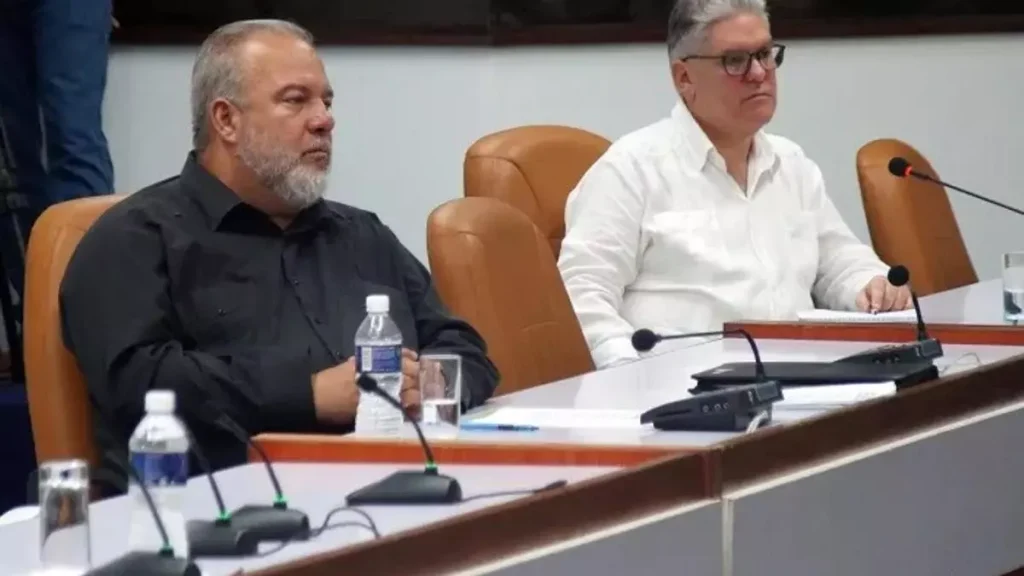
The prime minister of Cuba, Manuel Marrero Cruz, and Alejandro Gil Fernández, then Minister of Economy, in a 2023 photo. / Granma

14ymedio bigger14ymedio, Madrid, November 22, 2025 — María Victoria Gil, the sister of Alejandro Gil who was tried last week behind closed doors for espionage, has said that the country for which the former minister is accused of spying is the United States, specifically the Central Intelligence Agency (CIA), and suggests that the case against her brother was instigated by Prime Minister Manuel Marrero. In an interview with Miami-based Cuban journalist Mario J. Pentón, she said that her source, whom she cannot name, “is very reliable” and that the information “is corroborated.”

“What I am going to say is what my brother has really not been able to say,” said the former state television host and attorney. About her revelations Pentón says: “Supposedly the CIA gave him the Ordering Task to destroy Cuba; you know where this thread leads.” And Vicky Gil adds: “They always blame the United States for all the failures of a failed system that is corrupt to the core and that has been able to totally and absolutely destroy an entire country.”

Gil’s sister reiterated that the former Minister of Economy “categorically denies all facts related to the espionage” and that, as confirmed by a source close to the case, the defense made by lawyer Abel Solá López was “brilliant.” This same informant told 14ymedio that they expect the next trial of Gil, for more than a dozen crimes such as embezzlement, tax evasion, influence peddling and money laundering, and in which other senior officials of the regime are involved, will take place next Wednesday.

This same informant told 14ymedio this Saturday that they expect the next trial of Gil, for more than a dozen crimes, will take place next Wednesday

“In a country where the entire leadership is corrupt, how are you going to try an official for corruption, money laundering, influence peddling? You would have to try all of them,” observed Vicky Gil in the interview with continue reading

Pentón. So, she continued, they have to put on a “strong case,” which, brought by State Security, as happens in cases of espionage, “may be a total lie, but how do you prove it?”

The former presenter of De la Gran Escena on Cuban Television believes that “the least guilty of all that is happening with my brother is President Miguel Díaz-Canel Bermúdez,” because he was unaware, she claims, of the case being set up against Gil, who was his right-hand man. And she mentions, in this regard, the information about the prime minister that her source shared: on February 1, 2024, Marrero called Gil and told him that “his work as Minister of Economy and Planning has not yielded the expected results, that his work was poor, and, therefore, the next day he would be dismissed and must begin to hand over all the documentation relating to the ministry.”

The following day, continues Vicky, it was reported that her brother had been dismissed. “What is Miguel Díaz-Canel doing? Congratulate my brother for the good work,” she says about the tweet that the president posted on X on February 6, Gil’s birthday. On the other hand, according to her, the now-dismissed minister agreed to go to Marrero’s office for the delivery of the portfolio. “When my brother arrived there with all the documentation, he found that along with Manuel Marrero Cruz there were two officers from Cuban State Security,” who informed him that “he was under investigation.”

From that moment on, they took him and his wife, Gina María González García, “to one of those famous houses that the Ministry of the Interior has that are wonderful, that I know, that are in Nuevo Vedado, in Miramar…” “How do you know of them, Vicky?” asks Pentón. “I know two in Nuevo Vedado, because I was an agent for a short time, and I didn’t do well because I chickened out,” she confesses, specifying that she was picked to monitor the trafficking of artwork on the Island.

Gil instead went straight to the high security prison of Guanajay, in Artemisa, where his family has been able to visit him for “15 minutes every 15 days”

In any event, Gil and his wife stayed in that house for four months, during which time nothing was known of them publicly. It was then, imagines Vicky, that a criminal investigation was ordered. Her brother was prosecuted, and her sister-in-law was acquitted and returned to their home in Miramar, one of the most affluent neighborhoods of the capital. Gil instead went straight to the high security prison of Guanajay, in Artemisa, where his family has been able to visit him for “15 minutes every 15 days,” says the former presenter.

To Pentón’s question about whether the prime minister is the one behind her brother’s arrest, María Victoria Gil reaffirms: “Yes, Marrero is the person in front and behind this whole trial against Alejandro Gil,” which she considers “a racket.” As for the crimes of corruption that are attributed to the former head of Economy, she adds, “Marrero has committed five times more.”

The confrontation between Gil — who comes from the civilian world — and Marrero — a colonel — evidences a possible operation mounted by the military-controlled Group of Business Administration (Gaesa), which would thus hold the former minister responsible for having affected its business and contributing to the widespread collapse of the economy with the Ordering Task*, the process of monetary and exchange unification that began on January 1, 2021.

For Vicky, it may come from somewhere else: “Perhaps my brother wanted to put a stop to Marrero’s shameful waste and disloyalty.” Without giving more details, she adds, “We know how corrupt that world is. What more proof of the corruption do you need, and how little does the Cuban government care about the people of Cuba that when you put them all together, they can’t even close one button on their guayaberas?”

*Translator’s note: The “Ordering Task” [Tarea Ordenamiento] was a collection of measures that include eliminating the Cuban Convertible Peso (CUC), leaving the Cuban peso as the only national currency, raising prices, raising salaries (but not as much as prices), opening stores that take payment only in hard currency which must be in the form of specially issued pre-paid debit cards, and a broad range of other measures targeted to different elements of the Cuban economy. 

Translated by Regina Anavy

CITIZEN DECLARATION OF HEALTH EMERGENCY IN THE REPUBLIC OF CUBA

Refuting Cuba’s National Television News: Facebook Post by Alberto Arufe Rodriguez. Friday, November 21, 2025.

Proclaimed by the people of Cuba in response to the regime’s inaction and negligence. The Cuban Nation, in exercise of its popular sovereignty and in defense of the fundamental right to LIFE and HEALTH, formally declares a National Health Emergency in light of the serious epidemiological crisis facing the country and the current regime’s manifest inability to respond effectively, transparently, and humanely to the ongoing catastrophe.

I. Considerations

1. That the Cuban people are facing an unprecedented health crisis, with the simultaneous spread of arboviruses such as dengue, zika, chikungunya, and oropuche, among others, affecting millions of citizens throughout the country, including children, the elderly, and pregnant women.

2. That hospitals and health centers are overwhelmed, unable to receive new patients, and that medical personnel are working in inhumane conditions, without basic supplies, diagnostic reagents, essential medicines, drinking water, or a stable electricity supply.

3. That the epidemiological surveillance system has completely collapsed, as laboratory tests and clinical confirmations cannot be carried out, and that the health authorities are deliberately concealing the magnitude continue reading

of the outbreak to avoid international recognition of the crisis.

4. That the regime’s refusal to declare an official health emergency prevents the arrival of international aid, humanitarian donations, hospital supplies, specialized personnel, and logistical support from multilateral organizations and NGOs, blocking all avenues of assistance to the people.

5. That the government prioritizes tourism and the economic interests of military conglomerates such as GAESA—which controls more than $18 billion in assets—over public health, concealing the health disaster so as not to affect the income of the hotel sector or the privileges of the ruling elite.

6. That the Constitution of the Republic of Cuba, although distorted in its democratic spirit, recognizes the right to life, dignity, and health of all citizens, rights that are currently being violated in a massive and systematic manner.

7. That the international community, in accordance with the principles of the Charter of the United Nations, the Universal Declaration of Human Rights, and the International Health Regulations (2005), has a moral duty to intervene humanitarily when a State demonstrates its inability or unwillingness to protect its population in the face of a health emergency.

II. Declaration: Therefore, the people of Cuba, in their sovereign and inalienable right, proclaim a NATIONAL HEALTH EMERGENCY, in order to:

1. Highlight the magnitude of the epidemiological crisis and break through the information blockade imposed by the regime.

2. Call for immediate assistance from the international community, health organizations, and supportive governments.3. Protect the lives and health of Cuban citizens in the face of the criminal inaction of the state apparatus.

4. Demand the immediate opening of humanitarian corridors to allow the free entry of medicines, medical equipment, drinking water, specialized personnel, and technical assistance.

5. Request that the United Nations, the World Health Organization, the Pan American Health Organization, the International Red Cross, and independent medical organizations officially recognize the Cuban health situation as a public health emergency of international concern.

6.Urge democratic governments and international financial institutions to enable emergency assistance and loan programs administered directly by humanitarian agencies, without the mediation of the regime.

7. Call on the Cuban medical corps, both inside and outside the island, to organize solidarity networks for care, information, and supplies for the benefit of the people.

III. Moral and humanitarian justification

Health is a human right, not a concession of power. When a government turns illness into censorship, misery into silence, and death into statistics, it ceases to represent the people. Therefore, this declaration is not a partisan political act, but an act of love, life, and national dignity.
The Cuban people cannot continue to die of fever, pain, and neglect while those in power protect their hotels, their banks, and their propaganda.
This proclamation is based on a universal principle: “Where the state abandons the citizen, the citizen has a duty to raise his voice for their life and the lives of others.”

IV. Immediate demands

1. International recognition of the Cuban health emergency by the WHO, PAHO, and UN.

2. Urgent creation of an international humanitarian medical mission to assist the civilian population.

3. Guarantee of free access to health care without political conditions.

4. Transparency in epidemiological information, with the participation of independent doctors.

5. Temporary suspension of trade or financial restrictions that impede the flow of health resources to the island.

6. Protection for journalists, doctors, and citizens who report on the real health situation.

V. Final appeal

The people of Cuba proclaim this emergency on behalf of the sick who have no hospital,
– the doctors who work without syringes,
– the children who sleep with fever without diagnosis or antipyretics,
– the mothers who pray for their families,
– and the elderly who cannot even access painkillers.

We urgently call on the free nations of the world, on people of solidarity, on humanitarian organizations, and on Cubans in the diaspora to join forces and save lives.

We are not asking for political intervention, we are asking for humanitarian intervention, based on the principles of international law and the universal defense of life.

Cuba does not need speeches, it needs help. Cuba is not asking for charity, it is demanding assistance. The people cannot wait any longer.

Proclaimed in the name of the people of Cuba, for life, truth, and national dignity.

Share this message through all possible channels so that it reaches as many people, institutions, organizations, and governments around the world as possible. Do it for Cuba.

Do it for Cubans. If you can’t do anything, just spread the word.
#CubaEstadoFallido #SOSCuba

Translated by Gustavo Loredo

Havana Is No Longer Spared From Eight-Hour Power Cuts

“From 6:00 pm onwards, the most central area of Regla seems like a pitch black hole.”

“Perhaps a few lights here and there, from a café with plants, but the rest of us have to go out onto the pavement.” / 14ymedio

14ymedio bigger14ymedio, Darío Hernández, Havana, 22 November 2025 — “Chico, here in the neighbourhood we’re used to darkness at this time of day,” says Rodolfo, a 64-year-old man sitting at the door of his house on Martí Street, the main avenue in Regla. “By 6:00 pm, the most central area looks like a pitch black hole. Maybe there’s a light here and there, from a café with a generator, but the rest of us have to go out onto the pavement with chairs or sit on the walls and wait for the power to come back on.”

Yaima has already become accustomed to power cuts disrupting the schedule. “You more or less go by what the company says,” she says, although lately they have been lasting up to 20 or 30 minutes longer than announced. “I’m used to it now, but this week, as has happened on other occasions, the schedules have been completely off.”

Havana residents are the least affected by the Electric Union, while the rest of Cubans protest, but the energy crisis is already hitting so hard that no one is spared. “With the utmost calm, they send the message that certain blocks have had to be affected due to a generation deficit, and they ruin your plans,” he protests. On Wednesday, my children went to bed with a piece of bread because at 10 p.m., when the power came back on, they weren’t going to eat.”

Power cuts during the early hours of the morning last more than three to four hours.  / 14ymedio

On that day, several units at the Felton, Santa Cruz del Norte, Renté and Cienfuegos thermoelectric power stations were out of service or undergoing maintenance, and 91 distributed generation plants were out of service due continue reading

to a lack of fuel. The drop in supply from the main partners, Mexico and Venezuela, is – so far this year – 35% compared to 2024, a year in which there had also been a sharp cut in oil imports. The scale of this crisis has reached an unsustainable point and has simultaneously affected the six “blackout blocks” several times. Power cuts during the early hours of the morning are more than 3 or 4 hours.

The endless explanations from the authorities about the state of the national energy system and how it will be fixed – announcements that have been made for at least five years, during which time it has only gotten worse – fill minutes on TV’s Round Tables and prime-time news programmes that will not reach those who might be interested. “Here, for more than a week, it has not been possible to watch television from approximately four to eight or nine o’clock. This is bloody awful. Oh, and that’s not to mention the water, which arrives here every other day at that time. When the power comes on, all that’s left is a trickle of water,” Rodolfo continues in a very alarming complaint given the current health context on the island.

“Imagine, with these blackouts I can only work three or four hours a day” / 14ymedio

To make matters worse, the telephone and internet signals are lost when the power is cut. “On other occasions, the power went out here and there was no connection, but you could go out onto the roof and more or less access WhatsApp or Facebook during the four hours of the power cut,” says Yaima, whose work as a sales manager for a micro-SME [small business] is also affected. “Now it goes out, and the next second you lose the signal completely. You can’t call your mother, you can’t entertain yourself or, worse, as in my case, you can’t work. I get paid on commission, per customer I serve. Imagine, with these power cuts I can only work three or four hours a day,” she complains.

To top it off, the telephone signal and internet are lost with the blackouts. “There were times when the power went out and there was no connection, but you could go to the roof and more or less get on WhatsApp or Facebook during the four hours of blackout,” says Yaima, whose work as sales manager for a small group of people is also affected. “Now the power goes out, and the next second you lose the signal completely. You can’t call your mother, you can’t entertain yourself, or worse, as is my case, you can’t work. I charge a commission for each customer, and imagine, with these blackouts I can only work three or four hours a day,” she laments.

The winter chill is also absent from the island this year, and after a few days of milder temperatures at the beginning of the month, the heat is keeping demand for fans and air conditioning high. This Friday, authorities estimate that 3,200 megawatts will be needed during peak hours, but the system can only generate 1,494, much less than half. Meanwhile, the authorities will continue to be embroiled in their war against El Toque and in the new “programme to correct distortions and boost the economy”, which will be discussed today at a round table that neither Rodolfo nor hundreds of thousands of Cubans will be able to see.

Translated by GH

____________

COLLABORATE WITH OUR WORK: The 14ymedio team is committed to practicing serious journalism that reflects Cuba’s reality in all its depth. Thank you for joining us on this long journey. We invite you to continue supporting us by becoming a member of 14ymedio now. Together we can continue transforming journalism in Cuba.
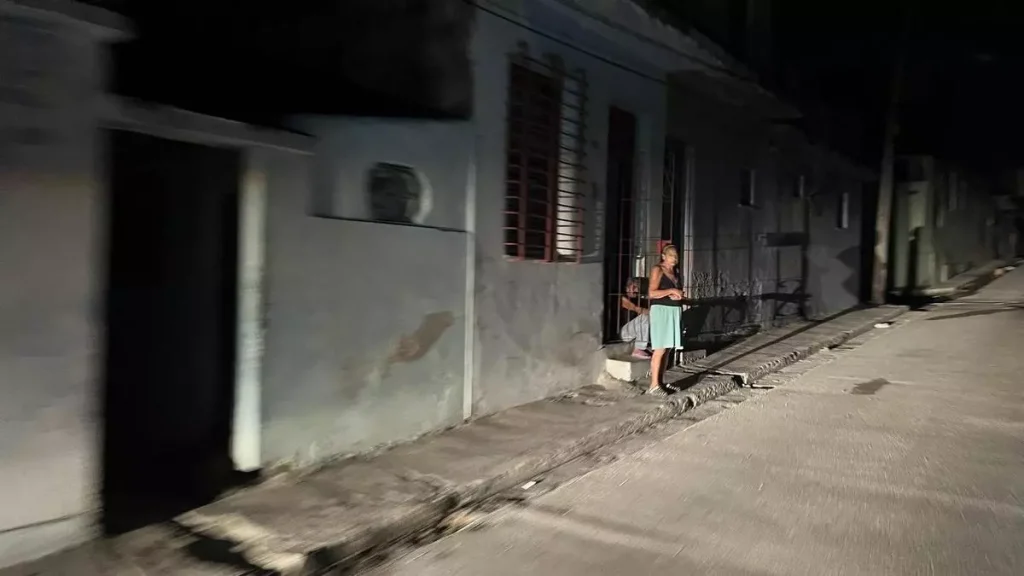
Cuba: There Are 19 Minors in “Critical Condition” and 44 Adults in Serious Condition Due to Chikungunya

Dr. Durán returns to his daily television program to report on the arbovirus epidemic.

Durán García acknowledged that this arbovirus – present in 14 provinces – is currently the main health problem. / Escambray

14ymedio bigger14ymedio, Havana, November 19, 2021 — A total of 63 patients are in intensive care units in Cuba due to chikungunya, including 19 minors in critical condition. This information comes from Dr. Francisco Durán, Director of Epidemiology at the Ministry of Public Health, who reported on Wednesday on what the government continues to call a “complex epidemiological situation” during the state television program Buenos Días.

The official’s report reveals the severity of the health crisis the country is experiencing, especially regarding chikungunya. He noted that 3,103 suspected cases of the disease were reported this Tuesday, “a high number for a single day.” He added that there are currently 2,216 diagnosed patients, of whom 126 are hospitalized.

Durán García acknowledged that this arbovirus – present in 14 provinces – is currently the main health problem, due to the number of infections and the severity of the symptoms, “which are extremely painful.” continue reading

This Tuesday, he noted, 3,103 suspected cases of this illness were reported, “a high number for a single day.”

This Tuesday, a report from the Pan American Health Organization (PAHO) indicated that Cuba registered an average of 700 new daily cases of this outbreak in October, the vast majority in Havana and Matanzas.

Regarding dengue fever, the specialist said that only 344 new cases were reported, although he did not provide total figures. In his appearance on Canal Caribe, where he will have a segment starting this Wednesday to report on the “fight against these arboviruses,” as he did previously for the COVID-19 pandemic, he also spoke about oropouche, and assured viewers that no new patients have been detected since September.

Furthermore, on Tuesday alone, 1,706 patients with “nonspecific febrile syndrome” were reported in the country, and it was noted that 3,226 people received medical attention, 16% of whom are hospitalized. Regarding the total number of cases, it was confirmed that 47,125 patients are currently hospitalized with one of these viruses.

The national director of Epidemiology acknowledged that the infection figures for both illnesses reported by the authorities “do not always correspond to reality,” because many sick people do not go to medical services and, therefore, are not officially registered.

He also reported that the Aedes aegypti mosquito infestation remains at 0.70%, a figure he described as “high,” as it implies “significant transmission possibilities.” Despite fumigation and larvicide application campaigns, the official himself admitted that the actions “remain insufficient.” He explained that, in many cases, the brigades lack sufficient personnel or that the equipment used to carry out these tasks is either unusable or “broken.”

In response, he accused the authorities of not carrying out these campaigns in places like Sancti Spíritus, Matanzas, Pinar del Río and Artemisa, especially since “these provinces have a high transmission rate.”

On the other hand, he denied the presence of the West Nile virus in the country, assuring that the Institute of Tropical Medicine “has not diagnosed any cases” after carrying out hundreds of tests, although he conceded that other arboviruses are circulating on the Island.

“Arboviruses. Which ones? We can’t know because there’s no reagent.”

The official, however, did not report on the number of deaths in the country from any of these illnesses. The last officially reported figure was three, a month ago. However, both the high activity at funeral services, reported by this newspaper , and numerous social media posts contradict this.

A Facebook post from Tuesday, for example, tells the story of a 24-year-old teacher who died without a clear diagnosis but who, “like many, her only ailment for three months and a little more was ‘some arbovirus’.”

Regarding the lack of diagnosis, the user asks in the message: “Arboviruses. Which ones? We can’t know because there’s no reagent. How to treat them? With whatever you can manage and plenty of fluids, which doctors say are good for everything. Of course, if you’re getting water, the fact that it’s colored doesn’t mean it’s not potable, according to the authorities.”

The complaint was also directed at the institutions, given their lack of answers. “We don’t know; no institution in our country is designed to answer the people’s questions. Their function seems to be to justify every action,” he said, also pointing the finger at doctors for not reporting the lack of supplies and for “their lack of precise knowledge about what has been ailing the people for some months now. We don’t know; perhaps no one wants to take responsibility.”

____________

COLLABORATE WITH OUR WORK: The 14ymedio team is committed to practicing serious journalism that reflects Cuba’s reality in all its depth. Thank you for joining us on this long journey. We invite you to continue supporting us by becoming a member of 14ymedio now. Together we can continue transforming journalism in Cuba.
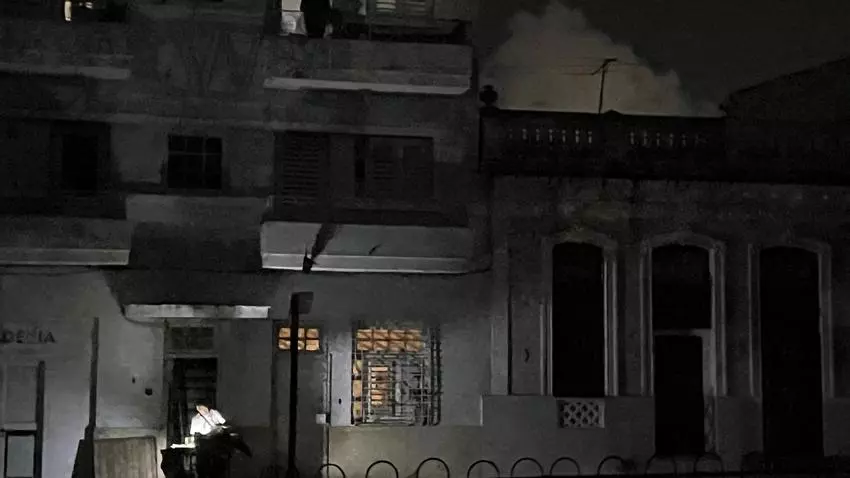
“Fight for My Freedom” Is the Cry of Yosvany Rosell, After 30 Days on a Hunger Strike

The Cuban political prisoner faces dehydration and possible kidney failure

Yosvany Rosell / Facebook

14ymedio bigger14ymedio, Mexico, November 21, 2025 — The health of Cuban political prisoner Yosvany Rosell García Caso continues to deteriorate after almost a month of hunger strike. The activist, who was sentenced to 15 years in prison for his participation in the Island-wide protests of 11 July 2021 [’11J’], was rushed to the Hospital Clínico Quirúrgico of Holguín. According to his wife, Mailin Sánchez, she was able to visit him yesterday and attend a medical consultation in which the doctors expressed their concern about possible irreversible dehydration and kidney failure.

Despite his physical deterioration, which is palpable in both his weight loss and the deterioration of his voice, Rosell remains firm in his position. “Do not ask me to stop my strike, I ask you to fight for my freedom,” was the message he sent, reaffirming that his refusal to receive treatment constitutes an act of radical protest against the unjust treatment he claims to have suffered in prison.

“Don’t ask me to stop my strike, I ask you to fight for my freedom.”

His family has been making an urgent appeal to international agencies for immediate action. They consider that the case is evidence of serious violations, both because of the prison conditions in which he has remained and because of the lack of humanitarian response to his protest.

Rosell began the strike on October 23, demanding a definitive change in his confinement regime. He alleges that prisoners considered to be opponents are subjected to constant pressure, prolonged isolation and practices which he describes as abusive. His family says that this is the seventh time continue reading

the activist has been on a hunger strike, despite being hypertensive and suffering from heart disease, which increases the risks.

The family insists that every day counts and that international intervention could prevent a fatal outcome. Meanwhile, human rights organizations watch the evolution of the activist with alarm. They fear that the continuation of his hunger strike could have irreversible consequences. In the midst of this situation, his wife expressed on social media that Yosvany received religious assistance this Friday.

Translated by Regina Anavy

____________

COLLABORATE WITH OUR WORK: The 14ymedio team is committed to practicing serious journalism that reflects Cuba’s reality in all its depth. Thank you for joining us on this long journey. We invite you to continue supporting us by becoming a member of 14ymedio now. Together we can continue transforming journalism in Cuba.
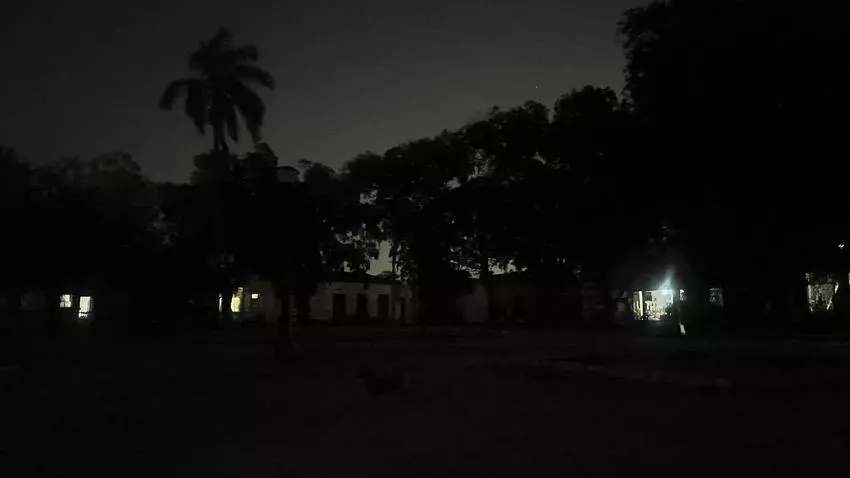
Meliá Blames “Social Network Campaigns” for the Poor Results of Tourism in Cuba

Other hotels suffer more than the Spanish, and the country’s revenues fall another 12%, with an occupancy rate of only 18.9% of the available rooms

Year after year, occupancy data deteriorate with no end in sight. / 14ymedio/Archive

14ymedio bigger

14ymedio, Madrid, November 21, 2025 — “In Cuba, there are signs of recovery despite the persistence of discouraging social network campaigns.” The phrase is not from the Minister of Tourism or any Cuban hierarchy: it appears in the quarterly results report that the Balearic hotel Meliá is obliged to make public as a company listed on the Spanish stock exchange. The company is proud of having recovered a derisory 0.7% occupancy between June and September, which is not little in the panorama of the Island, which so far this year has not managed to fill even one-fifth of the rooms available.

On Thursday, the National Bureau of Statistics and Information (ONEI) published its balance sheet for the first nine months of the year. There are few reasons to be satisfied, with an occupancy rate — in international tourism — of just 18.9%. Income also fell by 12%, from 94,320,614,700 pesos in the same period of 2024 to 82,885,5516,000 this year. 

Although the exchange rate applied by the government to the sector is unknown, the Cuban economist Pedro Monreal has concluded that everything indicates that it is 120, so the amount represents about $690.7 million, compared to the $786 million that accumulated last year at this point. This is gross revenue, from which expenses must be deducted, not disclosed but very high, because Cuba has to import everything from food to towels for the hotels, all owned by the State. continue reading

The amount is about $690.7 million, compared to the $786 million that it accumulated last year at this point

No indicator is saved, since there was also a drop in travelers, now known from the monthly reports, by 20.5% up to September, including  the number of nights they decide to spend on the Island: a drop of 20%. If up to a year ago foreigners had more than 10 million nights in Cuba, now there are two million fewer overnight stays. In summary, the four main indicators outlined by ONEI show a substantial decline of the sector.

From the Meliá data it is clear that its hotels get the best share, since the occupancy in its facilities was 40.2%, but all that shines is not gold. The hotel has had to continue to lower rates — 76.2 euros is now its average price, 8.7% less — and, therefore, its performance per room (Revpar) fell by 6.9%, reaching 30 euros. The hotel states in its report that the current Black Friday with its offers and the bet of the tour operators — facing the drop in direct reservations — will end up returning Cuba to its place.

The document takes stock and makes it clear that its bet on Cuba continues against all odds: “US restrictions and the complex energy situation remain the main challenges. However, the creation of a supply chain of our own has improved sourcing, allowing us to gain market share and strengthen our position in the market,” it says in relation to its company Mesol, from which this newspaper has tried to gather information without obtaining any response. In addition, air capacity has increased using the charter mode, especially from key source markets such as Canada.”

The return of the Canadians had been anticipated by Juan Carlos García Granda, minister of the branch, in some tourist areas, but this has not been supported by the current data. After a season of persistent falls, the Canadians return persistently to the Island, being one of the few nationalities that grows in the month of September, when 12.7% more travelers arrived from that country. 

However, we will have to wait for the development of the last quarter to know whether it is a mirage, since in global terms, Canadians still represent 20% less than in the first nine months of last year. 

Canadians return to the Island persistently, being one of the few nationalities that grows in the month of September, when 12.7% more travelers arrived from that country

Few nationalities have grown in this period, and some of those that do are with a low number of visitors. Among them are Argentina (7.3%), Colombia (11.2%), Turkey (9%) and Peru, (27%) but with only 10,382 tourists.

On the other hand, among those that fall — some of them plummet — are some of the main groups: Cubans abroad (20.7%), US (19.6%), Spain (27.1%) and Germany (43.5%). United Kingdom, where the drop is 56.8% -the largest of all countries listed — does not even count as a powerful nationality, bringing in only 10,175 tourists.

Also among Cuba’s partner countries there are notable collapses, especially — and although it has already strengthened — the Russians, who were the great hope of the year (it was expected to attract 200,000, but they didn’t come in 2024) and reached only 88,879, which is 37.2% less than in the same period of the previous year. The large resources and political efforts made to increase this group have proved fruitless, another failure in the bulky account of García Granda. 

Mexico, with 10% less, and Venezuela, with a 20% reduction, have not helped in this sector either. The new hope seems to be China, with whom a strategy similar to that of Russia is being deployed and which is only just beginning to bear very poor fruit. Although the coveted tourists of this nation grew by 4%, their total represents nothing for Havana: only 17,810 Chinese. Many, probably, are the ones who come to trade and monitor their investments. 

Translated by Regina Anavy

____________

COLLABORATE WITH OUR WORK: The 14ymedio team is committed to practicing serious journalism that reflects Cuba’s reality in all its depth. Thank you for joining us on this long journey. We invite you to continue supporting us by becoming a member of 14ymedio now. Together we can continue transforming journalism in Cuba.

Almost 50,000 Cubans Are Bedridden With Arbovirus Infections, and the Number of Critical Cases Continues To Rise

Dr Francisco Durán admitted on Cuban Television that this is a “fairly high figure” that “reflects the complexity of the disease”

Health clinic closed in Cárdenas, Matanzas, the epicentre of the epidemic. / EFE/Ernesto Mastrascusa

14ymedio bigger14ymedio, Havana, 21 November 2025 — In just one day, from Wednesday to Thursday, the number of patients in intensive care units due to chikungunya rose by 21 in Cuba. In total, there are now 81 cases, of which 61 are in serious condition and 20 are in critical condition. Of these, 48 are minors. In the same 24 hours, 4,708 patients with “non-specific fever syndrome” were also registered, which is how they enter the system, said Dr Francisco Durán García, director of epidemiology at the Ministry of Public Health, in a programme launched two days ago on Cuban television to report on the serious health situation facing the island.

The Cuban Ministry of Public Health reported on Friday that 6,597 new cases of patients with feverish symptoms were registered the previous day, in addition to confirming 847 cases of dengue and 753 cases of chikungunya in a single day. For his part, Durán explained in his television appearance today that chikungunya, the main disease affecting the country, now has a cumulative total of 31,513 cases, including confirmed and suspected cases.

On Thursday, the official released the total figures for the first time, which were very worrying. Currently, there are 47,125 patients bedridden with arbovirus, most of them in their own homes, he said. This is, he said, a “fairly high figure” that “reflects the continue reading

complexity of the disease”.

On Wednesday, Durán said, 620 new suspected cases were reported. “In just one day,” he emphasised. “You see how bad it is”. This, he went on, “without taking into account a significant number of patients who do not go to see the doctor.” There are 2,216 patients in hospital with this arbovirus.

This Wednesday, 107 cases of dengue fever were diagnosed in different provinces, bringing the total to 2,098.

As for dengue fever, the situation continues to get worse. On Wednesday, 107 cases of dengue fever were diagnosed in different provinces, bringing the total to 2,098. Regarding this disease, Durán said that “although it does not cause symptoms as severe as chikungunya – I say severe because of the discomfort it causes in people – it is very risky because it tends to become complicated at a certain point, and if the person does not have something as simple as hydration, they can die.”

Dr. Durán emphasised that people should see a doctor if they have a “persistent fever” or appear “dehydrated”. “In that case, you really need to do that quickly,” he warned.

He also spoke at length about the continuing “high infestation of the Aedes aegypti mosquito”, which is linked to “the rain that has fallen and is still falling” and “the piles of rubbish around here”. He warned: “While fumigation is important, sanitation is also important”.

Also on Thursday, what he did not talk about was people dying. On social media, however, they are increasingly reported. A few days ago, Cuban writer José Félix León, who lives in Barcelona, Spain, reported the death of a cousin in the Pinar del Río hospital due to COVID-19. “The ICU at that hospital is not big enough for the number of patients there, but those in power insist that there is no COVID in Pinar del Río,” he said. “Cuba is in a situation unlike anything it has ever experienced in its recent history. The diseases transmitted by the Aedes aegypti mosquito are killing and incapacitating people, and the government of El Fatso is not declaring a state of emergency.”

“How long are they going to keep denying reality?” says a driver from Holguín who for weeks has been transporting relatives of those who died from a virus. At the Mayabe cemetery, he says, “they confiscated a young woman’s phone for taking pictures showing the number of burials and coffins that came in a single day.” State Security was guarding the cemetery.

The document, published just three days ago, confirms that the first outbreak of this arbovirus occurred last July in Perico (Matanzas)

As this newspaper has confirmed, simple visits to funeral homes and cemeteries demonstrate that activity there is higher these days. So much so, that, at least in Havana, they are using vehicles from the telecommunications company Etecsa as hearses.

The space Dr. Durán now occupies—similar to what he had during the COVID-19 pandemic five years ago—reveals the extent of the regime’s concern, which ignored the situation for months. The Ministry of Health ‘s brand-new “management and research protocol for patients with chikungunya” reveals the degree to which this concern is exposed.

The document, published just three days ago, confirms that the first outbreak of this arbovirus occurred last July in Perico (Matanzas), and from there it spread throughout the island. In September, when infections from an unidentified virus had multiplied, local health authorities simply reprimanded the alarmed population. “There is no mysterious disease in Cárdenas,” declared Andrés Lamas Acevedo, director of the Matanzas Provincial Center for Hygiene and Epidemiology, at the time.

The epidemiological alert in that territory was of little use : the arbovirus had already escaped.

The protocol provides detailed information on the symptoms, stages of the disease, and risks for children, pregnant women, and those with other conditions, including co-infection with dengue or COVID-19. It also recommends medications to relieve fever and pain, such as paracetamol or metamizole, and, if these are ineffective, opioids, while avoiding aspirin and steroids.

“While chikungunya has a low mortality rate and is therefore generally considered non-fatal, deaths frequently occur in cases with comorbidities or with rarer but more severe symptoms of the disease,” the text warns. “Death is primarily due to pre-existing health problems or severe clinical manifestations in the elderly, infants, or immunocompromised patients.”

In the final pages of the protocol, the use of “natural and traditional medicine” is recommended. These, they indicate, “based on an integrative model of care, can be combined with the rest of the preventive measures and conventional treatment” and include herbal medicine, homeopathy, acupuncture or “related techniques” and ozone therapy, all of which lack any scientific basis.

Added to this is the sudden start in the production of natural repellent made with extracts of neem and caña santa [lemongrass], as reported by Venceremos, by the Medilip Oral Liquids Pharmaceutical Laboratory Company in Guantánamo, even though this type of mosquito repellent is not effective against the persistent Aedes aegypti.

The lack of medicine, on the other hand, means that Cubans don’t need this “encouragement” from the government to seek alternative remedies . Also in Holguín, a vendor recounts that, faced with the spread of chikungunya and the resulting limitations in movement and fatigue, “people are resorting to energy drinks to stay afloat.” The result, this small business owner assures, is that sales of these “anti-zombie products” have skyrocketed.

Meanwhile, Mexico’s Ministry of Foreign Affairs recently issued a travel alert for the island, following a similar one issued two months ago by the U.S. State Department, due to the “worsening health situation resulting from the spread of arboviruses.” The anticipated decline in tourism, coupled with recent economic measures against foreign companies , whose accounts have been frozen, threatens to create an apocalyptic situation in Cuba.

Translated by GH
____________

COLLABORATE WITH OUR WORK: The 14ymedio team is committed to practicing serious journalism that reflects Cuba’s reality in all its depth. Thank you for joining us on this long journey. We invite you to continue supporting us by becoming a member of 14ymedio now. Together we can continue transforming journalism in Cuba.
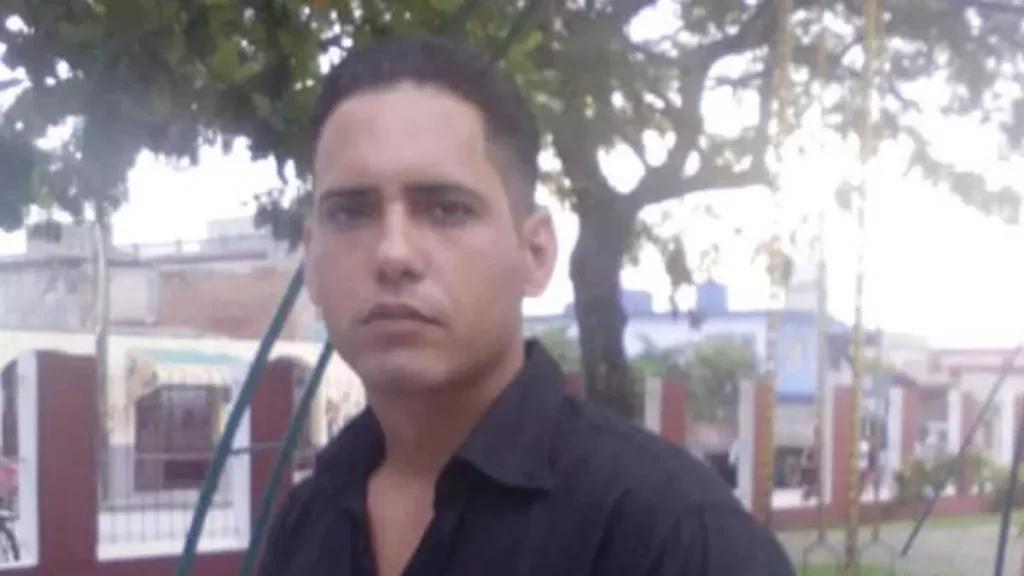
Ciego De Ávila, Cuba, Suffers Power Cuts Lasting up to 24 Hours at a Time

Priority circuits, such as the hospital and the dairy plant, are also affected.

Cargo Dispatch Office of the Ciego de Ávila Electric Company. / Invasor
14ymedio

14ymedio bigger14ymedio, Havana, 21 November 2025– The electricity situation is critical, and only solar parks provide a “daytime respite.” With these words, without sugar coating it, and right from the headline, Invasor paints the picture in Ciego de Ávila this Friday. According to Lester Arencibia Bacallao, director of the Provincial Load Office of the Electricity Company, the territory is suffering from “maximum blackouts”, i.e. power cuts that last up to 24 hours a day.

For this reason, they are prioritising the circuits that supply power to “essential services”, such as the Provincial Hospital and the Dairy Plant. However, even these are not immune to power cuts: three and a half hours of blackout for every three and a half hours with power.

Arencibia responded to a “frequent concern among the population” – “Why are these circuits so extensive and not segmented to free up energy for more areas?” – without providing much clarification. “These circuits have been physically like this for many years. This is how they have been configured,” he explained to the provincial newspaper (which comments in a final note that the text was generated by artificial intelligence based on information provided by the official).

Making changes “requires very costly investments, such as laying 33-kilovolt lines and installing substations, resources that are not available in the current economic situation.”

Making changes, Arencibia explained, “requires very costly investments, such as laying 33-kilovolt (kV) lines and installing substations, resources that are not available in the current economic situation.”

As for the “non-priority” circuits, the aim is to ensure that power cuts do not exceed 12 consecutive hours, but the official acknowledged that with the current deficit “this is impossible”. He explained: “Sometimes, the circuits even exceed 12 to 14 hours. They have even reached 19 and 20 consecutive hours without power.” continue reading

He also addressed the extent to which solar parks alleviate the situation. Although he said that photovoltaic generation is “the main palliative” – in Ciego de Ávila there are three 21.4 MW solar parks and four smaller ones, with a total capacity of more than 76 MW – he pointed out that this type of energy “is intermittent”.

The greatest contribution they can make, between 10:30 and 14:30, is also fragile, simply caused by a cloud. “This volatile nature, coupled with the lack of storage systems, prevents this energy from being available in a stable manner and for the critical night-time peak hours,” says Invasor. Arencibia adds: “During the day, solar parks save many tonnes of fuel… and if we do the maths and didn’t have any of those parks, the situation would be much worse.”

Although the interview focused on the province of Ciego de Ávila, the official went on to draw conclusions about the rest of the country: until the “structural problems of national thermal power generation” are resolved, the situation “will continue to be complex”.

One of the damaged facilities was the Hermanos Díaz Oil Refining Company, which is responsible for fuel supplies throughout the east.

On the subject of energy, if there is any news in the official press, it refers to the effects of Hurricane Melissa, which almost a month later are still being felt in eastern Cuba. One of the damaged facilities was the Hermanos Díaz Oil Refining Company in Santiago de Cuba, which is responsible for fuel supplies from Las Tunas to Guantánamo. “Diesel, fuel for electricity generation, kerosene for mountainous areas, lubricants and other derivatives depend on its stable operation,” Juan Jesús Alfonso López, director of Refining at Cupet, told Sierra Maestra.

At the refinery, the newspaper reports, “work is continuing around the clock to restore the plant to full operation.” Hurricane-force winds – reaching speeds of up to 200 kilometres an hour – caused “severe damage to internal electrical networks, thermal insulation, sea containment barriers and other systems critical to the refining process.”

This Thursday, President Miguel Díaz-Canel, once again dressed in olive green, visited areas in the provinces of Santiago de Cuba and Granma, the hardest hit by the cyclone. He noted that 96.43% of electricity service has been restored. “There are still 9,000 customers in remote areas, which we are working on,” he said.

Meanwhile, the daily deficit is returning to its pre-hurricane levels, once again approaching 2,000 MW. On Wednesday, the Cuban Electric Union recorded a shortfall of 1,964 MW during peak demand hours in the late afternoon and evening. For the following day, 1,494 MW were expected to be available for a demand of 3,200 MW, meaning that the deficit would be 1,706 MW, although the actual impact was expected to be 1,776 MW.

Six thermoelectric power plants (CTE) are out of service due to breakdowns or maintenance: one in Felton, three in CTE Renté, another in Santa Cruz and one more in Cienfuegos, as well as the gas plant in Puerto Escondido, Varadero.

Translated by GH.

____________

COLLABORATE WITH OUR WORK: The 14ymedio team is committed to practicing serious journalism that reflects Cuba’s reality in all its depth. Thank you for joining us on this long journey. We invite you to continue supporting us by becoming a member of 14ymedio now. Together we can continue transforming journalism in Cuba.

The Regime Admits Its Defeat in Its Struggle With Cuban Freemasonry

He withdraws his support for his pawn, former Grandmaster Filema Duarte, and accepts the election of his successor, José Manuel Valdés.

Valdés’s candidacy was presented under the slogan “United we are stronger.” / Facebook / José Manuel Valdés Menéndez-Cuesta

14ymedio bigger14ymedio, Havana, November 20, 2025 — After nearly two years of open crisis in the Grand Lodge of Cuba, the regime has decided to try to extinguish the flames. The Ministry of Justice declared the general elections of October 25th “legitimate,” in which Havana Freemason José Manuel Valdés Menéndez-Cuesta was elected as the new Grand Master. With this decision, the country’s authorities officially withdraw their support for Mayker Filema Duarte, who clung to the position against the will of the majority.

The decision comes via Resolution 7, signed by the Director of Associations at the Ministry of Justice, Miriam García Mariño, and represents a sharp reversal of the government’s stance since May, when the Masonic High Chamber removed Filema from office, yet the ministry refused to acknowledge the change. Now, without state backing, Filema is definitively out of the picture, after months of presenting himself as the legitimate Grand Master thanks solely to the endorsement of government authorities.

In July, Justice Minister Óscar Manuel Silvera asserted on national television that the Masonic crisis was an “internal matter” and labeled accusations of state interference as “false” and “malicious.” However, Law 54 on Associations itself grants the Ministry a “leading” role over the internal affairs of organizations like the Grand Lodge of Cuba (GLC) and empowers it to approve or reject the resolutions of its Higher Chamber. In practice, no Masonic election is valid until the Ministry of Justice ratifies it. This key to “legality” has been used by the regime to prop up unpopular Grand Masters and, now, to try to extinguish the fire it itself helped to ignite.

For months, Filema refused to call elections, suspended crucial sessions, and tried to extend his term beyond its established deadline. On July 6, around 200 Freemasons staged a sit-in at the GLC headquarters to prevent him from remaining in office, in one of the most unusual displays of civil defiance Havana has seen in recent years. continue reading

The Ministry of Justice admits that Filema’s attitude “disregarded the will of the majority” and sought to “irresponsibly and indefinitely” delay the institutional functioning of the Grand Lodge

The security apparatus responded with summonses, threats, and surveillance. Several leaders of the revolt were interrogated, and some, such as Acting Grand Master Juan Alberto Kessel Linares and Sovereign Grand Commander José Ramón Viñas Alonso, ended up facing criminal charges for alleged “currency trafficking,” measures that the membership itself interpreted as punishment for not being “submissive.”

In the resolution that now recognizes the new leadership, the Ministry admits that Filema’s attitude “disregarded the will of the majority” and sought to “irresponsibly and indefinitely” delay the institutional functioning of the Grand Lodge.

Some Freemasons, interviewed anonymously by the independent media Cubanet, went even further, describing the Filema period as a veritable “dictatorship,” made possible only by state support. “We lived under a dictatorship, Filema’s dictatorship,” one of them summarized. Another interviewee believed that the regime’s interference “will continue,” but “not so blatantly,” and warned that these nearly two years of struggle with the government “shook the foundations of the Order” and forced the government to “put out the fire” in the face of the strength shown by the membership.

In this context, José Manuel Valdés Menéndez-Cuesta, a member of the Federico Valdés lodge in the Havana municipality of Cotorro, rose to Masonic power. With more than 25 years of experience within Cuban Freemasonry, Valdés was elected on October 25th at the National Masonic Building, following an election in which the Higher Chamber managed to overcome Filema’s delaying tactics.

With Resolution 7, the Government is trying to close the most scandalous chapter of its fight with Freemasonry.

The scale of the embezzlement Valdés inherited goes far beyond the $19,000 stolen from the Llansó National Masonic Asylum, the theft of which triggered the current crisis. According to internal documents cited by the Grand Lodge itself, then-Grand Master Mario Urquía Carreño and his treasurer Airam Cervera were not only responsible for that cash, but also allegedly manipulated bank statements and falsified invoices to misappropriate another 2.1 million Cuban pesos, in addition to recording $2,700 as “losses.”

The supposed “restitution” of the money has also failed to restore confidence. At the end of August, Urquía and Cervera sent one million pesos as the first payment. Weeks later, a second deposit of four million pesos was announced, also in Cervera’s name, bringing the total to five million pesos deposited into the Grand Lodge’s account. Meanwhile, the whereabouts of the dollars from the Asylum remain unclear, and the leadership itself admits that the repayments only cover part of the shortfall created in Masonic finances.

Valdés’s candidacy was presented under the slogan “United we are stronger,” a motto that encapsulates the aspiration to close ranks after the internal fracture. Some members of the Fraternity describe him as an “honest” and “decent” man, capable—at least in theory—of rebuilding internal order, restoring the institution’s independence, and “getting rid of the traitors and infiltrators” that the crisis exposed.

With Resolution 7, the government attempts to close the most scandalous chapter of its conflict with Freemasonry. But the gesture does not erase either the previous interventionism or the legal framework that made it possible. The ministry urges Valdés and his team to “achieve unity, institutionalization, and the proper development of the transition process” in accordance with Masonic legislation, while reserving the final say on any relevant decision.

____________

COLLABORATE WITH OUR WORK: The 14ymedio team is committed to practicing serious journalism that reflects Cuba’s reality in all its depth. Thank you for joining us on this long journey. We invite you to continue supporting us by becoming a member of 14ymedio now. Together we can continue transforming journalism in Cuba.