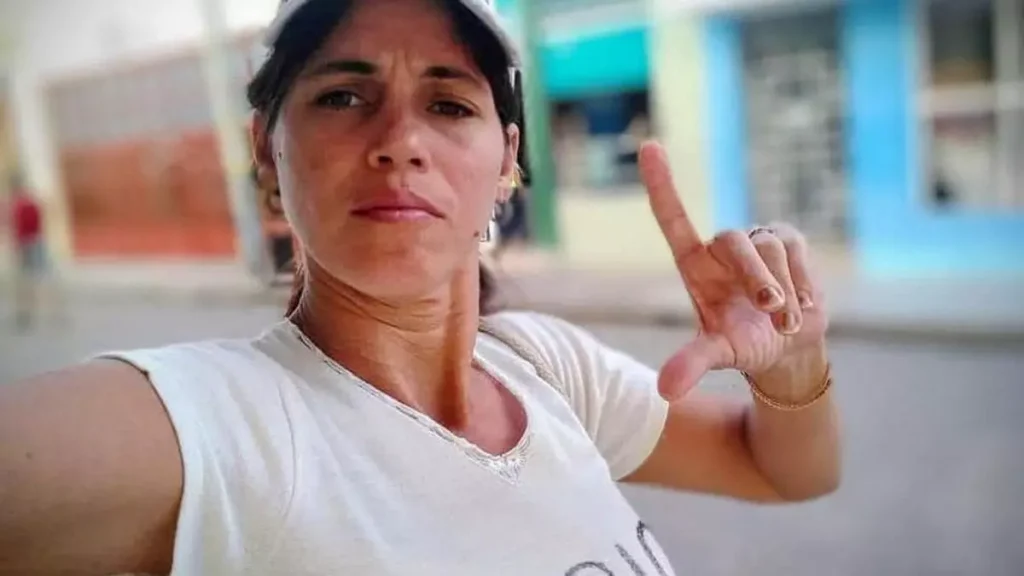
Moisés Legrá Díaz was held in conditions of overcrowding and malnutrition despite a police expert report that exonerated him
 14ymedio, Havana, April 9, 2026 – Moisés Legrá Díaz was released by the regime on April 7, after spending nearly two months deprived of liberty under pretrial detention as a precautionary measure, accused of the crime of “propaganda against the constitutional order.”
The arrest had taken place on February 13 in Havana, after the young man responded to a summons from State Security in Villa Marista, following the appearance of graffiti in the municipality of Arroyo Naranjo with the phrase “Patria y Vida” and insults against President Miguel Díaz-Canel. From the political police operations center, he was transferred to Combinado del Este, a maximum-security prison.
According to Javier Larrondo, president of the NGO Prisoners Defenders, speaking to 14ymedio, the precautionary measure was lifted after handwriting analysis could not prove that the posters matched his writing. Therefore, he clarified, Legrá Díaz’s release is not part of the 51 political prisoners the regime promised to release after the agreement reached with the Vatican last March. Nor is it part of the 2,010 prisoners that the Cuban government announced it would release starting this April, who so far are all common prisoners.
Legrá Díaz, a father of three with no criminal record, was released as innocent. However, he had been held since his arrest in conditions of overcrowding and malnutrition, according to complaints by his mother and civil organizations. During the weeks he remained in pretrial detention, activists and relatives warned about the deterioration of his health. continue reading
During the weeks he remained in pretrial detention, activists and relatives warned about the deterioration of his health
One of these independent organizations was Cubalex, which denounced that, although Legrá had undergone handwriting analysis to determine whether he authored the posters, with a negative result, he remained detained.
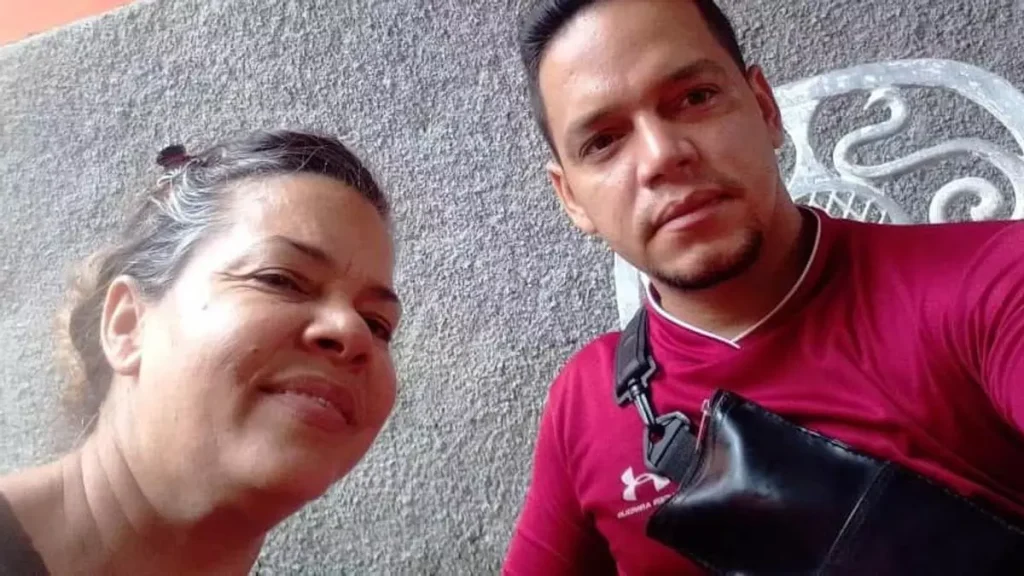
Legrá Díaz’s return to his home, where his family was waiting for him, was confirmed by a call from his mother to Martí Noticias: “Since around two in the afternoon Moisés is now here at home with the children,” who, she describes, “cried and hugged their father.”
The criminal offense of “propaganda against the constitutional order,” incorporated into the 2022 Penal Code, penalizes any expression of criticism that the State considers “incitement against the social order or the socialist State,” without clearly defining which acts constitute the crime, making it a legal instrument to persecute dissent.
The case exposes the abusive use of pretrial detention as a preventive punishment, as well as the use of ambiguous criminal charges to target freedom of expression
Cubalex points out that the case of Legrá Díaz, a family man with no criminal record or activist background, exposes the abusive use of pretrial detention as a preventive punishment, as well as the use of ambiguous criminal charges to persecute freedom of expression.
The same offense has been applied, with prosecutors requesting up to nine years in prison for posters or street graffiti, as in other recent cases reported by 14ymedio, but also for social media posts or direct criticism of the government, among which the example of the conviction and imprisonment of the young creators of the digital collective El4tico stands out.
Translated by Regina Anavy
______________________
COLLABORATE WITH OUR WORK: The 14ymedio team is committed to practicing serious journalism that reflects Cuba’s reality in all its depth. Thank you for joining us on this long journey. We invite you to continue supporting us by becoming a member of 14ymedio now. Together we can continue transforming journalism in Cuba.



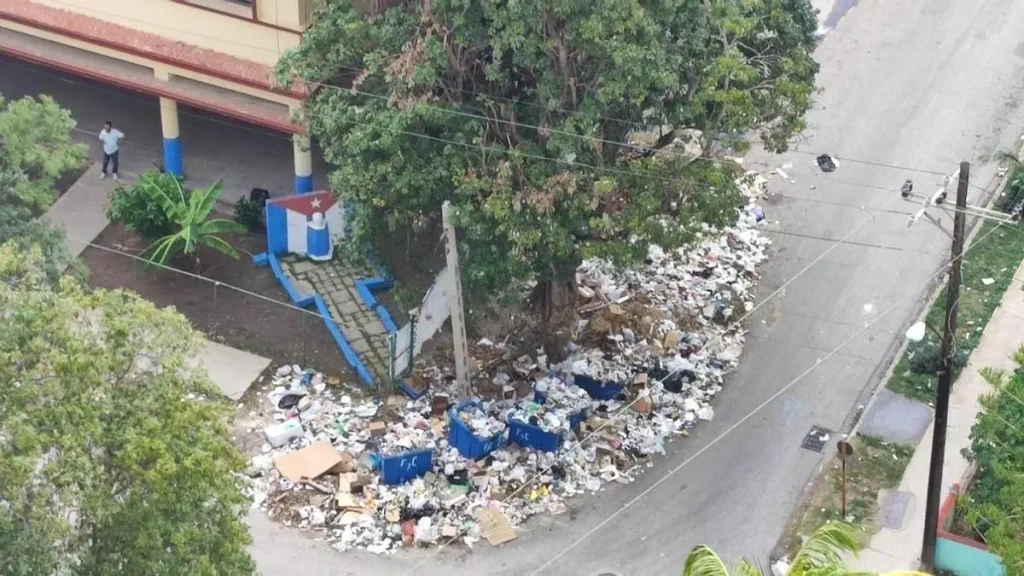
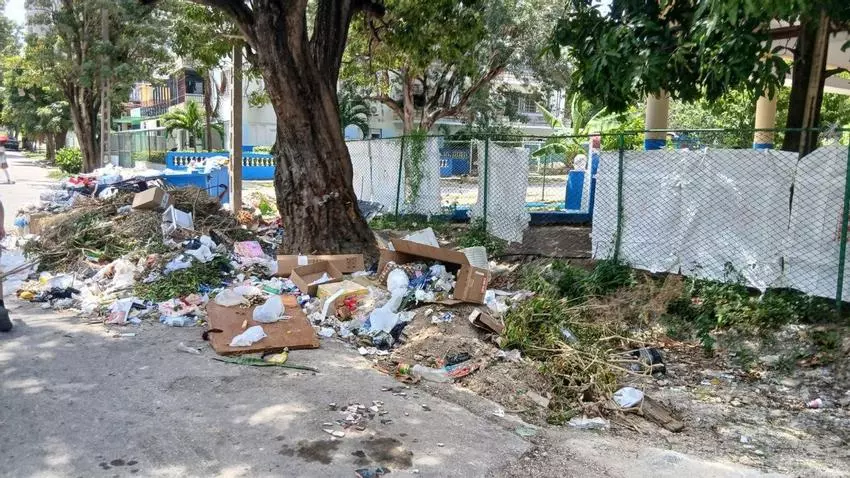 Sackcloths hiding the statue of Martí at the corner of Factor and Conill streets in Nuevo Vedado. / 14ymedio