According to the newspaper, the Government will announce it this Monday during a television appearance by Minister Oscar Pérez-Oliva.
 14ymedio, Havana. March 15, 2026 – “Perhaps the time has come,” says Joe García, former Democratic congressman for Miami and former executive director of the Cuban American National Foundation, quoted by El Nuevo Herald. García is referring to an economic reform that could open the door to one of the most significant changes on the Island in decades: allowing Cubans living abroad, including Cuban Americans, to invest in and own private businesses in the country.
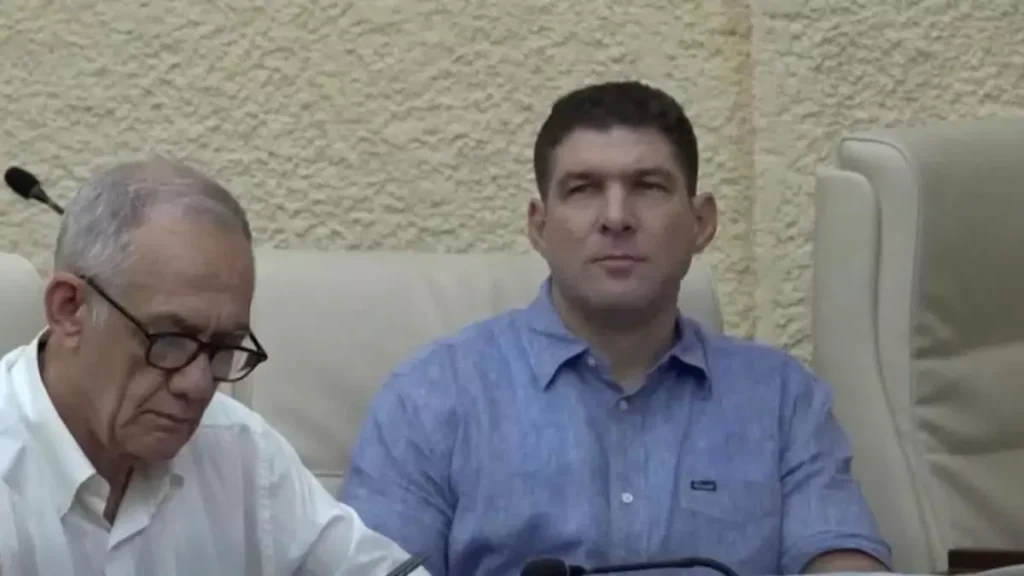
The announcement, according to the media, would come this Monday, the same day a public appearance is expected by Oscar Pérez-Oliva, the great-nephew of Raúl and Fidel Castro and vice prime minister and minister of Foreign Trade and Foreign Investment, as previously announced by Cuban president Miguel Díaz-Canel.
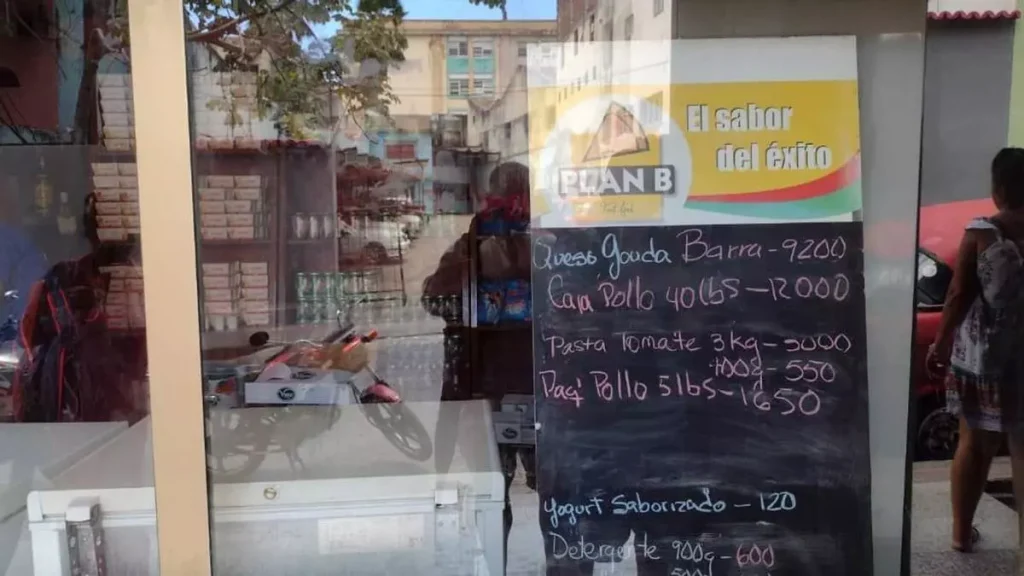
Sources cited by the newspaper say that Cuban authorities have prepared this package of reforms, which would also allow investment capital in the private sector, as a way to attract liquidity, technologies, and international experience that would benefit the Island. Currently, many private businesses in Cuba receive informal financing from relatives abroad, especially from the United States, something the reform would explicitly legalize.
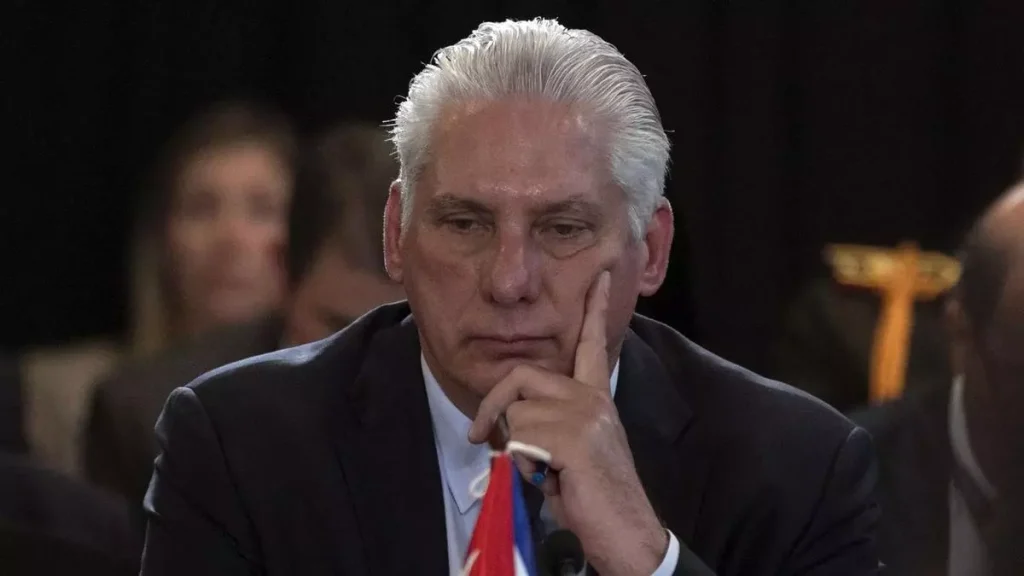
These measures come amid pressure from the Trump administration, including the oil blockade following the U.S. military intervention in Venezuela last January, and at a time when talks between the two countries are taking place, as acknowledged by Díaz-Canel last Friday. continue reading
The president said that a set of measures has been adopted aimed at easing current bureaucratic barriers
During an appearance before state media and international outlets friendly to the Government, when asked about Cuban Americans who allegedly want to invest in the country, the president said that a set of measures has been adopted aimed at easing current bureaucratic barriers. The decisions will be announced Monday in an appearance by Pérez-Oliva on a television program that could be, he said without full certainty, the Mesa Redonda [Round Table] program.
“The return of the Cuban diaspora is imminent,” says a source familiar with the issue interviewed by the Herald, who also raises doubts about how quickly all the measures agreed upon behind closed doors will be implemented. Laws and regulations approved by the Cuban Government have sometimes taken months or even years to be fully developed.
Some entrepreneurs in Miami interviewed by the newspaper expressed questions about the guarantees Havana would be willing to offer to provide legal certainty to investors. Such guarantees would require modifications to Cuban legislation and, ultimately, to the Constitution itself. Without those guarantees, they expect the country to receive few large-scale investments.
On this matter, Sebastián Arcos, who directs the Cuban Research Institute at Florida International University, said in an interview with Local 10 News that “obviously, they are more interested in making money than in the freedom of the Cuban people.”
“Obviously, they are more interested in making money than in the freedom of the Cuban people”
The academic, born in Havana and experienced in monitoring human rights violations on the Island, also noted that “there cannot be an economic recovery unless there is first a political reform,” warning that doing business in Cuba “would be too risky” for now.
Carlos Giménez, a U.S. congressman of Cuban origin, also emphasized the importance of a profound change in the country. Through X, he stated that “there will be no investment from the United States unless a major political change takes place on the Island.” He also made it clear that “the regime needs us; the United States does not need them.”
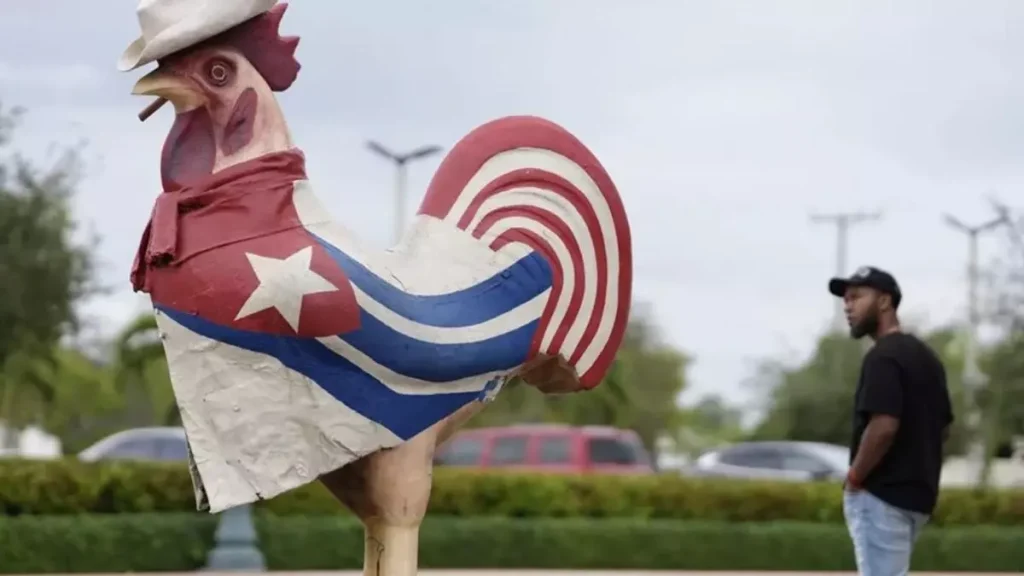
Despite these warnings, some entrepreneurs say they are ready for the new opportunities that could open up in the country. That is the case for a group in Miami’s Little Havana.
“Hopefully now that things are changing very quickly,” says Fidel Asís López, owner of The Havana Collection on Calle Ocho, which specializes in guayabera shirts. When asked whether he would invest in Cuba, Asís López responded: “In a free Cuba, 100% for sure.”
Translated by Regina Anavy
______________________
COLLABORATE WITH OUR WORK: The 14ymedio team is committed to practicing serious journalism that reflects Cuba’s reality in all its depth. Thank you for joining us on this long journey. We invite you to continue supporting us by becoming a member of 14ymedio now. Together we can continue transforming journalism in Cuba.