At the start of Saturday, the system had only 1,120 megawatts of generation available against a demand that reached 2,450.
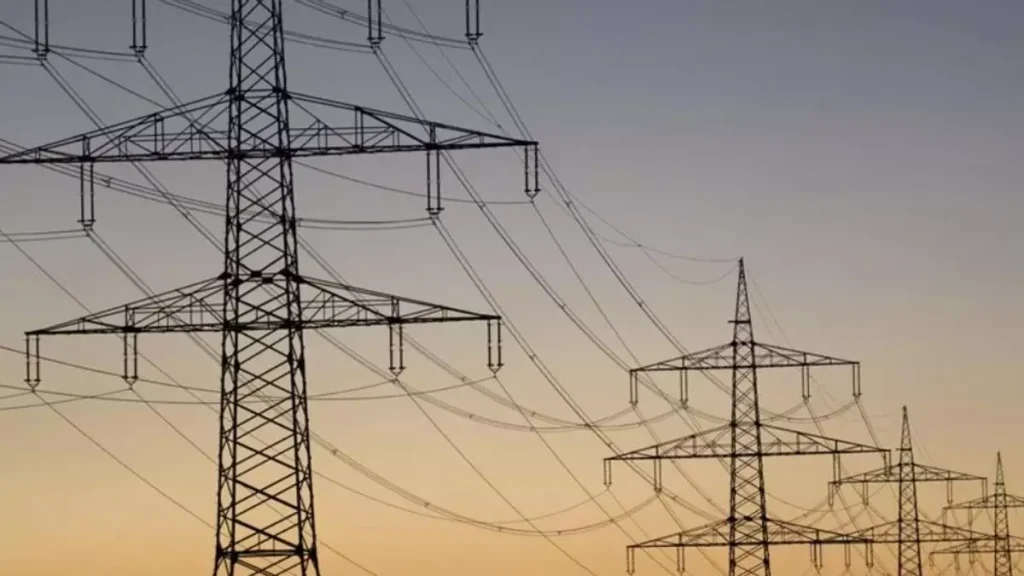
 14ymedio, Barcelona, March 14, 2026 — This Saturday, Cuba’s National Electric Union reported that service will be affected by a 65% drop in demand due to insufficient generation capacity in the national power grid, a situation that has been affecting a large part of the population for months. On March 6, the country reached a record deficit, with 67% of the country’s energy demand falling below peak hours.
At the start of Saturday, the system had only 1,120 megawatts of generation capacity available, compared to a demand of 2,450 megawatts (MW). This shortfall resulted in an immediate outage of 1,326 MW, causing widespread blackouts throughout the early dawn and into the morning, once again highlighting the fragility of an energy infrastructure that has been operating at its limit for years.
According to the official report, the following units are currently out of service due to breakdowns: Unit 5 of the Mariel thermoelectric plant; Units 1 and 2 of the Santa Cruz plant; Unit 2 of the Felton plant; and Units 3 and 6 of the Antonio Maceo plant in Santiago de Cuba. In addition, other units are shut down for maintenance, including Unit 6 of the Mariel plant, Unit 5 of the Nuevitas plant, and Unit 4 of the Carlos Manuel de Céspedes plant in Cienfuegos, highlighting the high degree of deterioration of the country’s main power plants.
In total, the limitations in thermal generation represent around 336 MW that the system cannot supply, further reducing the country’s capacity to meet electricity demand and maintain service stability.
On Friday, the power outages lasted for 24 hours and peaked at 7:10 p.m.
The previous day also reflected the severity of the energy situation. On Friday, the blackouts lasted 24 hours and reached their peak at 7:10 p.m., when the outage affected 1,977 megawatts. This figure even exceeded official forecasts due to the late commissioning of a generating unit at the Cienfuegos thermoelectric plant, another example of the instability that characterizes the system.
Although the government has repeatedly highlighted the contribution of renewable energy as part of its energy strategy, its impact remains limited compared to the system’s structural deficit. The 51 photovoltaic solar parks installed in the country generated 4,119 MWh during the day and reached a peak capacity of 600 MW at midday, which helped to partially alleviate the power outages during those hours, but was insufficient to compensate for the collapse of thermal power generation.
However, the forecast for Saturday afternoon and evening is even more complex. The National Electric Union estimates that demand could reach 3,130 megawatts during peak hours, between 5:00 p.m. and 9:00 p.m., while system availability would remain at just 1,120 megawatts. This would imply a deficit of approximately 2,010 megawatts and outages that could reach around 2,040 megawatts, one of the highest levels of service interruptions recorded in recent months.
The authorities, in official media, have attributed part of the blame to “thefts and acts of vandalism” against electrical infrastructure, such as the dielectric oil of transformers, an essential component for the cooling and safe operation of this equipment.
______________________
COLLABORATE WITH OUR WORK: The 14ymedio team is committed to practicing serious journalism that reflects Cuba’s reality in all its depth. Thank you for joining us on this long journey. We invite you to continue supporting us by becoming a member of 14ymedio now. Together we can continue transforming journalism in Cuba.