In Regla, neighbors, pedicab drivers, and even police officers stopped in front of a bar with a generator during the match between Argentina and Cabo Verde
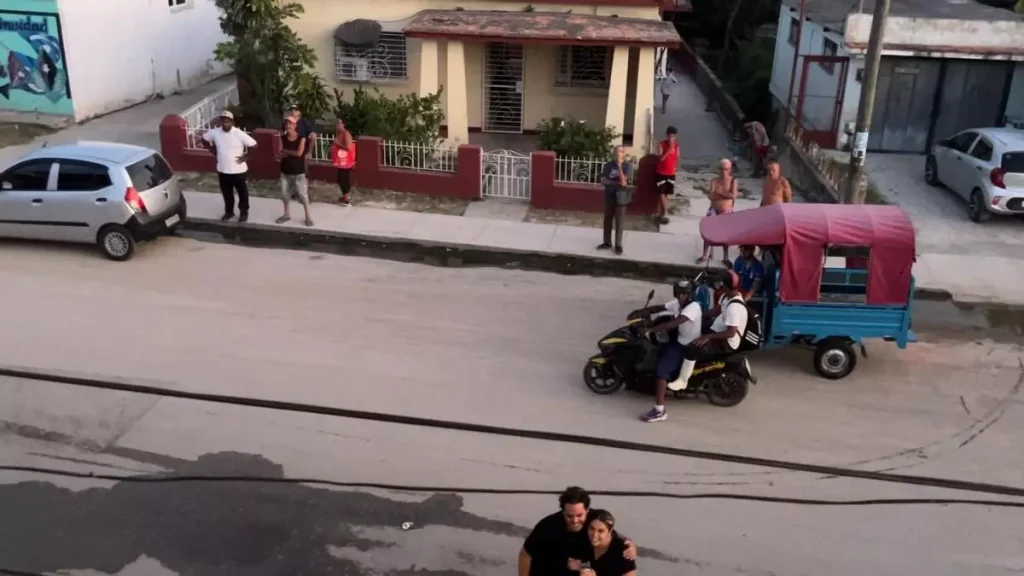
 14ymedio, Darío Hernández, Havana, July 5, 2026 / “I didn’t come to buy anything. I came to watch the soccer,” says a man of about fifty, craning his neck toward the screen inside a bar. Blacked-out Havana also wants to watch the World Cup. And while much of the neighborhood remained in the dark, a bar with a generator and several televisions turned on drew neighbors, passersby, pedicab drivers, and even police officers during the match between Argentina and Cabo Verde.
On a street in Regla, this Friday, the only possible stadium was the sidewalk. Inside the establishment, the screens, the colored lights, the bottles lined up on the bar, and the seated customers offered an almost normal scene: soccer, conversation, drinks, and a festive air. Outside, however, the improvised crowd followed the game from a distance, at the edge of the street, as if electricity had drawn a border between those who could partake of the World Cup’s joy and those who could barely catch a glimpse of it.
The scene, documented by this newspaper, has been repeating these days at various points across Havana. Bars and restaurants with generators have become luminous refuges amid the blackouts, but also showcases of an increasingly visible inequality. Those who can pay sit in front of the television; those who cannot, watch from the street, amid darkened doorways and cables strung across the avenue.
The police, deployed to control crowds and prevent protests, also find themselves caught up in curiosity about the match. In the Cuba of the blackouts, even the uniformed officers end up gravitating toward any lit screen. As long as the shouts, insults, and jeers were directed at the referee, a distracted defender, or the opposing team, no one seemed too concerned. Sports offer one of the few spaces where people can still shout in public without every word seeming like a crime.
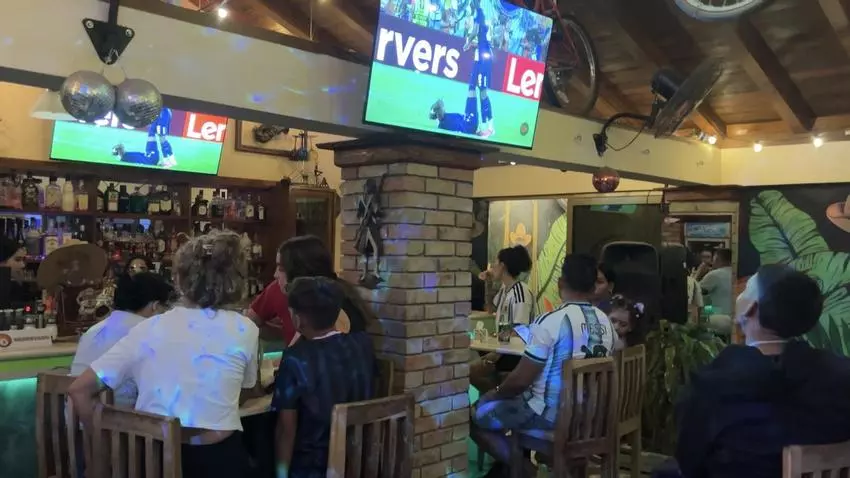
The World Cup, one of the few truly popular and cross-cutting spectacles, arrives in Cuba amid an energy crisis that has turned basic activities – cooking, sleeping, charging a phone, cooling a room – into intermittent privileges. Watching a full match no longer depends solely on having a television, but on living in an area with electrical service, having mobile data, having access to a generator, or finding a private business that keeps its lights on.
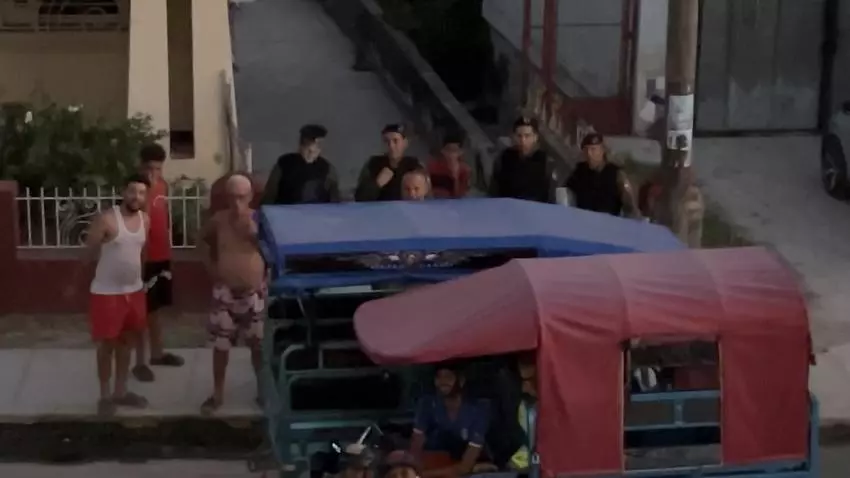
“Before, people used to watch soccer in the living room at home,” says the fifty-year-old man, without moving from the sidewalk, as the match ends on the bar’s screens. Now, he adds, you have to go out and find where there is power, like in the 1990s. But with one difference: back then, when the power went out, it went out for everyone. “The whole block would go dark,” he recalls. Today, by contrast, some people can buy themselves their own little piece of light.
For those residents of Regla, the match between Argentina and Cabo Verde ended up being less a sporting event than a lesson in urban survival. In Cuba, even joy needs fuel.
Translated by GH.
______________________
COLLABORATE WITH OUR WORK: The 14ymedio team is committed to practicing serious journalism that reflects Cuba’s reality in all its depth. Thank you for joining us on this long journey. We invite you to continue supporting us by becoming a member of 14ymedio now. Together we can continue transforming journalism in Cuba.