
Drinking the Water From the Tanker Trucks is a Time Bomb for Cubans’ Health

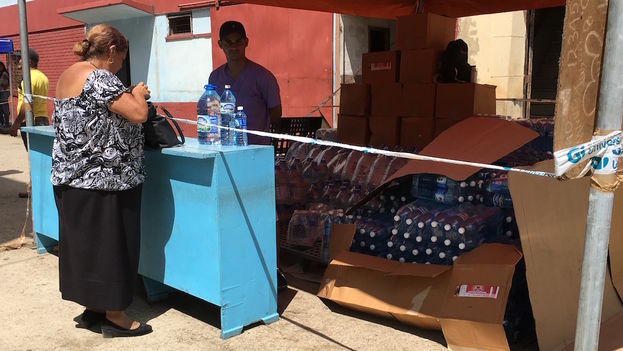
Selling bottled water in Havana. (14ymedio)

14ymedio bigger14ymedio, Luz Escobar, Havana, 1 November 2017 — When their daughter turned seven, the family stopped boiling its drinking water. “It took me a long time,” explains the mother in the gastroenterology office. Soon after, the little girl showed symptoms of being infected with amoeba, a parasite closely linked to the poor quality of drinking water on the island.

First came the discomfort, then the diarrhea and later the vomiting. By the time they went to the hospital, the diagnosis was evident: amebic dysentery. Now, the girl is under medical treatment and the parents have returned to the practice of boiling water. “You can’t trust the water that comes in the tanker truck,” reflects the grandmother. continue reading

Medical research conducted between 2013 and 2014 in Havana and Santiago de Cuba revealed that Cubans have a low perception of the risk of acquiring Acute Diarrheal Disease (ADD). In addition, most of the respondents said they consume the water as it is delivered via the trucks.

The study warned of the low consumption of boiled water in homes, most commonly motivated by lack of time or resources for cooking. According to data from the last census conducted in 2012, only 78% of homes cook with manufactured or liquefied gas.

Families that have only electric stoves or prepare their food with kerosene think twice before boiling water. “I can’t afford it and my electric bill goes through the roof if I start boiling all the water we consume in this house,” says María del Carmen, a resident of the city of Camagüey.

With a well in the yard, the woman recognizes that it would be best to “be safe” and give some additional treatment to the water that the family drinks. She, her husband and their two children have suffered repeated infestation by intestinal parasites. “When it’s not amoeba, it’s giardia,” she says.
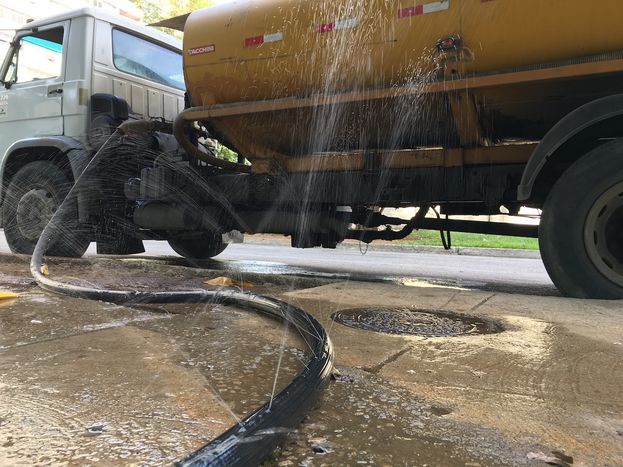
Some areas of the country have to be supplied by tanker trucks due to the poor condition of the pipes and the low water pressure. (14ymedio)

Some residents opt for water filters, made in South Korea, which have been sold in the network of national stores. However, the authorities of the Ministry of Public Health (MINSAP) warn that these processors, manufactured with activated carbon and other elements, are not capable of eliminating the most dangerous bacteria and microorganisms.

Quality is not the only reason why many do not use filters. “They are very expensive, because at the very least they cost 65 convertible pesos (CUC) and the spare parts are never less than 10 CUC,” María del Carmen says with regret. For some months now, the Camagüey family has started using a 1% sodium hypochlorite solution to purify the water.

“The problem is that it is not always available in the pharmacies, so we spend several weeks drinking clean water and then we have to go back to the old habits because they don’t have the product in stock,” explains the mother.

In the tourist forums for trips to the island, the questions about whether travelers can consume water from the tanker trucks are many. The warnings not to do so are overwhelming and some tour operators even recommend traveling with chlorine tablets to use during the stay.

Owners of houses that rent to foreigners try to maintain a supply of bottled water, but the costs are high for a worker’s pocket. If an individual consumes between two and three quarts of bottled water daily, it would cost about 40 CUC per month to stock up, in a country where the average monthly salary is around 25 CUC.

An investigation carried out by the University of Miami pointed out some important problems that affect the potability of the island’s water. Among its basic observations is the existence of aged pipes that in many cases are “so corroded” that the liquid is often contaminated. The study pointed out that due to the water shortage “most Cubans have cisterns or water tanks” – where they store water for their own use due to the unreliability of the supply, whether by pipes or water trucks – while the lack of pressure is a problem in many multi-family buildings. In addition, the irregular disposal of garbage often ends up contaminating the stored water.
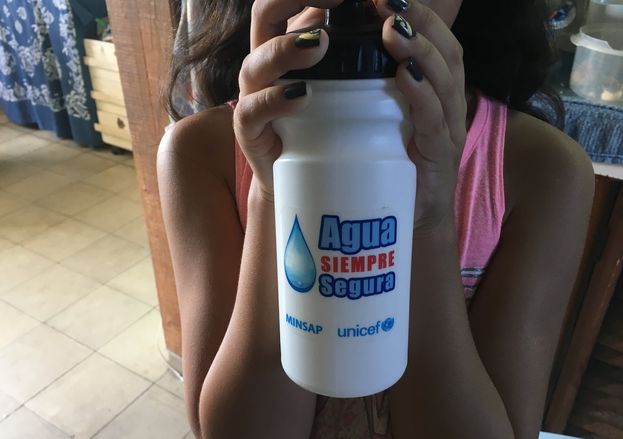
The United Nations Children’s Fund and MINSAP are promoting the “Always Safe Water” campaign in disadvantaged neighborhoods such as La Timba, in Havana and Chicharrones, in Santiago de Cuba. (14ymedio)

Helena Solo Gabriele, an engineering professor at Miami University who worked on the study, found that a good part of the problem in Havana comes from the aquifer system underneath the Almendares River.

“The river is receiving all the wastewater, and the water from the river infiltrates the aquifer, putting the drinking water at risk,” the specialist warned.

Although there are no updated official figures on the degree of infestation by amoeba or giardia among Cubans, the last national survey on the subject, conducted in 1984, showed that these parasites affected 7% of the population.

The United Nations Children’s Fund (UNICEF) has decided to take action on the matter and, together with MINSAP, has launched the “Always Safe Water” campaign in disadvantaged neighborhoods such as La Timba, in Havana and Chicharrones, in Santiago de Cuba.
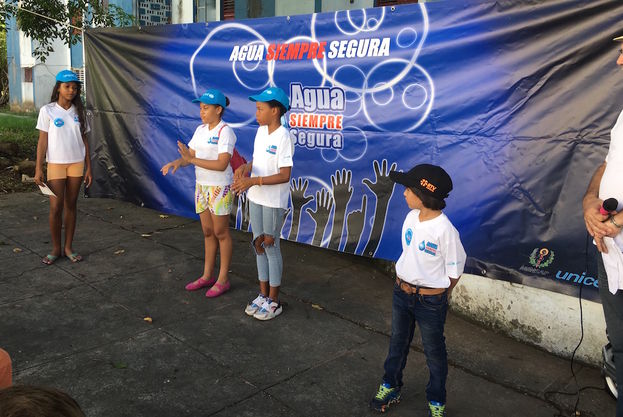
The United Nations Fund for Children and the Ministry of Public Health are carrying out the “Always Safe Water” campaign in Cuba. (14ymedio)

The project estimates that by next year some 27,700 inhabitants of the areas where they have worked will have improved their hygiene behavior on hand washing, storage and use of safe water.

Dr. Oria Susana, specialist of the Department of Health Promotion at national level, warns those who store the precious liquid that “the quality of water deteriorates over time” and recommends that before using it “it is always necessary to chlorinate it.”

However, cisterns, elevated tanks and storage buckets will remain a part of the daily routine for Cubans for a long time, since just under 6% of the population has access to running water 24 hours a day.

The figures offered by the National Institute of Hydraulic Resources show that last year only 654,001 people could count on running water in their homes at any time of the day, a drop in numbers compared to 2015 when 1,036,686 consumers had this assurance.

“Wash your hands with running water and rinse the vegetables abundantly under the tap,” reads a poster outside the gastroenterology clinic of a Havana polyclinic. The mural also recommends boiling the water or chlorinating it so as not to get sick, while all those waiting in line to be treated believe they are infected with a parasite.
No Independent Candidate Made It Through The Filters For Municipal Elections In Cuba

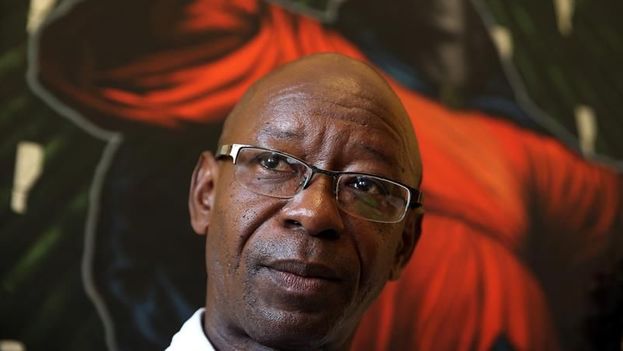
Manuel Cuesta Morúa says that five candidates have been tried for “prefabricated” crimes to prevent them from participating in the elections. (EFE)

14ymedio biggerEFE / Via 14ymedio, Havana, 30 October 2017 — The process of nominating candidates for the municipal elections to be held in Cuba on November 26 ended on Thursday without any of the independent applicants associated with the citizen platform #Otro18 (Another 2018) having been nominated, according to Manuel Cuesta Morúa, the platform’s spokesperson.

More than 170 candidates associated with #Otro18 ran independently, although only 53 made their names known in public lists and none have been nominated as candidates for the upcoming municipal elections, which are the starting signal for the electoral process that will culminate with Raúl Castro’s handing over the presidency of the country in February of 2018. continue reading

“Some were arrested so that they would not be able to attend the nominating assemblies where they were going to run, in the case of others the municipal authorities did not inform them about the day of the assembly so they would not show up, and not even their closest neighbors were informed to ensure [[the would-be candidates] would not find out in other ways,” said the dissident Cuesta Morúa.

He also denounced that the police appeared in some nomination assemblies to coerce the people casting their votes and that in the municipality of Aguada, in the province of Cienfuegos, the authorities “stole” the vote since the neighbors nominated the independent candidate Michel Piñero, but his name was changed in the final list.

In addition, five of those 53 candidates have been tried for “prefabricated” crimes to prevent them from standing for election, as happened in the municipality of Perico (Matanzas) to Armando Abascal, prosecuted for “instigation to commit a crime,” said Cuesta Morúa.

According to Cuesta Morúa, the only thing Abascal did was to address the local authorities, at the request of his neighbors, to request the restoration of water and electricity services following the passage of Hurricane Irma, without making any political demands.

Despite the fact that none of the independent candidates was confirmed, Cuesta Morúa was satisfied because, according to him, one of the objectives of #Otro18 has been met, which was to demonstrate that independent voices have popular support.

“We have acted with the law and respecting the law, it has been the Cuban authorities who have violated the laws to prevent other voices from entering the political contest,” he said.

The Cuban electoral law only allows people not linked to the Communist Party of Cubato run at the municipal level, and they must run independently since other political parties are illegal.

Municipal elections were scheduled for October 22, but were postponed after the passage of Hurricane Irma and the deadline was extended to hold nominating assemblies of candidates for delegates (councilors), which take place by an open show of hands in each constituency.

Once these assemblies have been concluded, the biographies and photos of the candidates for delegates to the Municipal Assemblies of the People’s Power will be published as of November 1 so that their constituents will know them; these posted biographies are prepared by the Electoral Commissions, not the candidates themselves or their supporters, and are the only “campaign activity” legally allowed.

On November 26, Cubans will elect the municipal delegates for a period of two and a half years, with a second round on December 3 in those districts in which none of the candidates get more than 50% of the votes.

Most of the candidates for the provincial elections and the general elections will be chosen from these elections, on a date not yet announced, and in the latter elections the deputies of the National Assembly will be elected, with a mandate of five years. The National Assembly formally ratifies the choice for president of the country.

President Raúl Castro has reiterated that he will retire from office in February 2018, and although there have been no official announcements, it is foreseeable that his successor will be the current first vice president, Miguel Díaz-Canel.

Two Cuban Rafters Disappear After Their Boat Capsizes South Of Camagüey

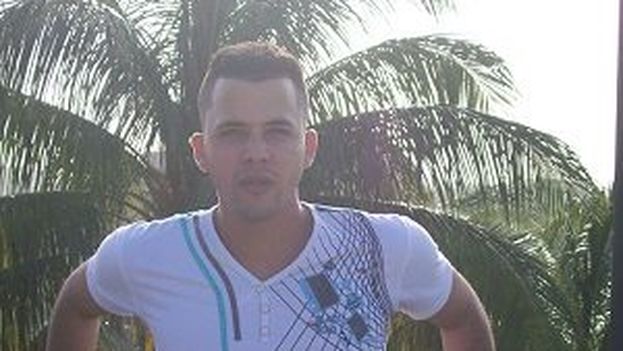
Julio César de Gotor Osorio, 24, is one of the young people who so far has not been found. (Facebook)

14ymedio biggerMario Penton, Miami, 30 October 2017 — Two young Cubans are missing after the shipwreck on Saturday of a rickety boat on which they attempted to leave the country along with four other people. According to the relatives who spoke with14ymedio, the group on the boat had left from the area of Cayo Caguama, south of Camagüey.

Two young men, Yasniel Naranjo and Julio César de Gotor Osorio, both 24 years old, have yet to be found, while four others were saved by the Cuban Border Patrol. continue reading

“We are desperate, I do not even want to talk, I just want my husband to appear alive,” Yuneisy González de Armas says through her tears from Santa Cruz del Sur, a small fishing village south of Camagüey.

The couple has a one-year-old girl and Gonzalez says her husband never told her that he planned to leave the country.

The Border Patrol Troops continue the search by sea, but according to a family member who asked not to be identified “when other family members asked him to use helicopters, an officer replied that this could only be done by the Revolutionary Armed Forces and that it was outside his scope of control.”

Until last January, the United States’ wet foot/dry foot policy allowed Cubans who reached US soil to apply for permanent residence in the country. However, rafters that were intercepted at sea by the US or Cuban Coast Guards were returned to the island.

Under the current migratory agreements between the US and Cuba all Cuban migrants who arrive in the United States without a visa are deported to the island. However, if they arrive at a border post and can demonstrate a credible fear of persecution, they could be admitted and allowed to present their case for political asylum.

Where the rafters left from and where the boat capsized.