The state-run store in Matanzas offers all the colors needed for the city’s peeling façades; all that is missing are the customers.
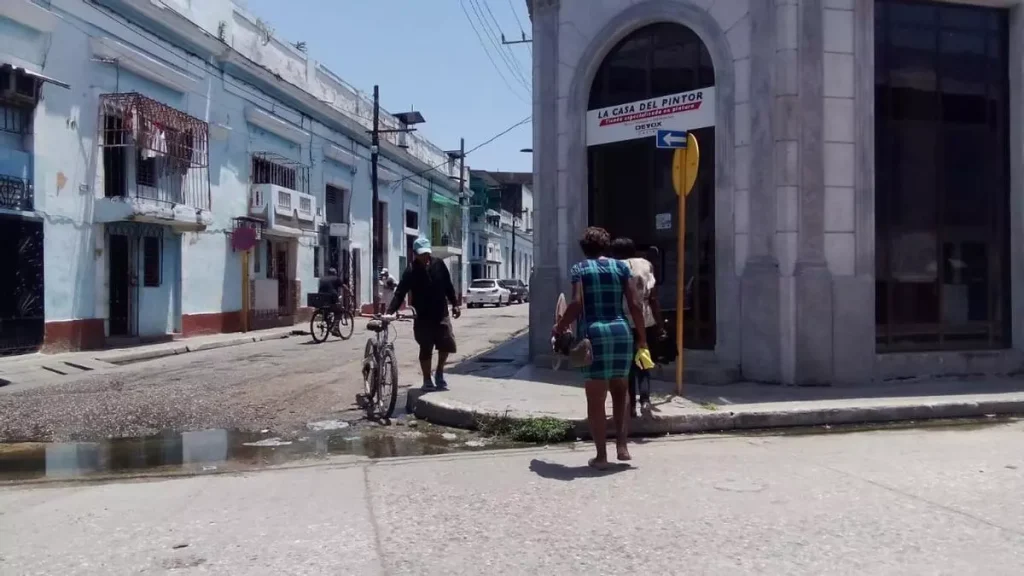
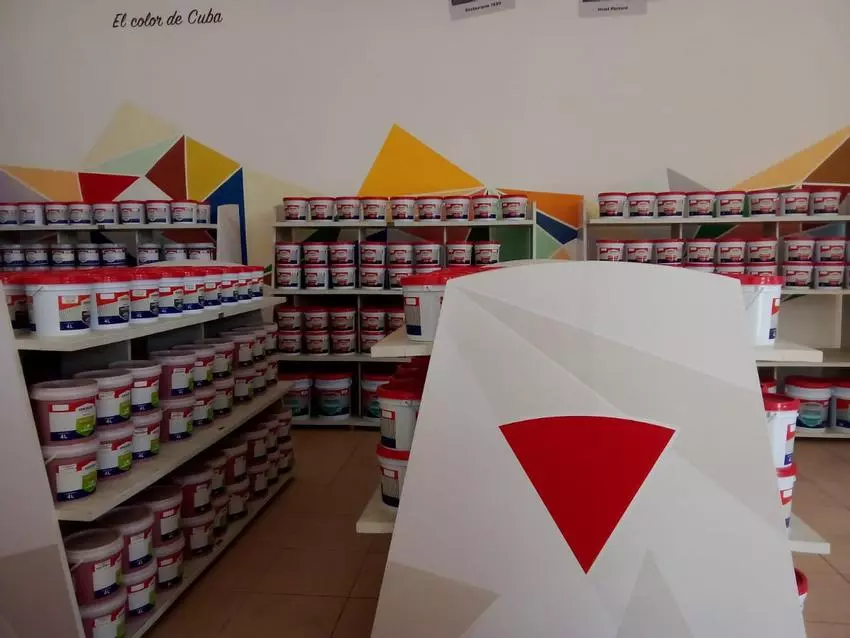
 Julio César Contreras, Matanzas, August 17, 2026 – The saleswoman extends her arm toward shelves packed with buckets of paint as if she were displaying a collection of valuable pieces. White, black, terracotta, yellow. At La Casa del Pintor store, popularly known as El Fuego, in the city of Matanzas, there are enough colors to imagine a city different from the one waiting just outside the door: peeling façades, walls eaten away by dampness, and homes that have not seen a paintbrush in years. The establishment, belonging to the Cimex Corporation, linked to the military conglomerate Gaesa, looks more like a paint museum than a store intended to sell it.
“We accept payment in cash dollars and by bank transfer,” the employee explains, somewhat surprised by the arrival of a customer, when serving buyers should be part of her routine. “I can guarantee the product’s excellent quality and good coverage,” she adds. She later admits, however, that she herself has not been able to buy a bucket, even to give the façade of her home a single coat.
The explanation lies in some small stickers placed on the shelves. Prices range from $20 to $50, depending on the color and size of the container. A figure that helps explain why, during the eight hours the store remains open, the premises are practically empty.
“Those who have been able to buy it have confirmed to me that it adheres very well to the walls. I would have to put together four salaries just to try the cheapest one,” the worker laments.
There is something surreal about the scene. Dozens of perfectly aligned buckets, with their red lids and intact labels, wait for customers who almost never arrive. Outside, Matanzas displays a very different palette: the gray of crumbling plaster, the green of dampness, and that indefinable shade that walls acquire after years without maintenance.
Customers are also not allowed to open the containers to check the product before taking it home. They must rely on the lot number, expiration date, and information on the label. “It’s a shame that, being a product made in Cuba, it is sold in U.S. dollars,” comments a customer who, surprisingly, arrives in the middle of the morning.
From the street, El Fuego looks like a store intended for the newly wealthy, although inside, the air conditioning can do little during blackouts. The door remains open, but many passersby do not even turn their heads. They know in advance that what is sold behind the glass is not intended for their wallets.
“Those who have been able to buy it have confirmed to me that it adheres very well to the walls. I would have to put together four salaries just to try the cheapest one”
“Certainly, it is a lack of respect toward the population, especially in this La Marina neighborhood, which is falling to pieces,” complains Argelio, a local resident. “Only people who have family abroad or those who run big businesses can buy there. Meanwhile, the poor have to continue living with walls blackened by grime.”
A 67-year-old retiree from the state Commerce sector, Argelio points out another peculiarity. Less than two blocks away, vinyl paint is sold at a private business. “The other day I was curious enough to take a look, and they have almost the same colors in both places. The difference is that the private seller charges 3,500 pesos per liter and, as you would expect, they add something to it so that the product goes further.”
He also criticizes the fact that a store specializing in paint does not have different types of brushes or other accessories needed to complete the job. The irony goes so far that it was the saleswoman herself who told him where he could find cheaper paint.
“Since I live on my pension, I don’t have the money to indulge in painting my house with products sold in dollars,” he admits. Nevertheless, he says that if he could afford it, he would prefer to buy the sealed container at El Fuego rather than take a chance on discounted or adulterated products that are abundant on the informal market.
Translated by Regina Anavy
______________________
COLLABORATE WITH OUR WORK: The 14ymedio team is committed to practicing serious journalism that reflects Cuba’s reality in all its depth. Thank you for joining us on this long journey. We invite you to continue supporting us by becoming a member of 14ymedio now. Together we can continue transforming journalism in Cuba.