The Elecric Union (UNE) Forecasts a Record 2,380-Megawatt Shortfall During Peak Hours.
 14ymedio, Darío Hernández, Havana, July 29, 2026 – Cuba’s Electric Union (UNE) forecast a record shortfall of 2,380 megawatts (MW) during peak hours this Wednesday, a figure that, if realized, would further deepen the paralysis of a country battered by blackouts, the lack of transportation, and the deterioration of its cultural spaces. The outlook was already bleak last weekend, when a nighttime tour by 14ymedio through several central areas of the capital confirmed that Havana is dead.
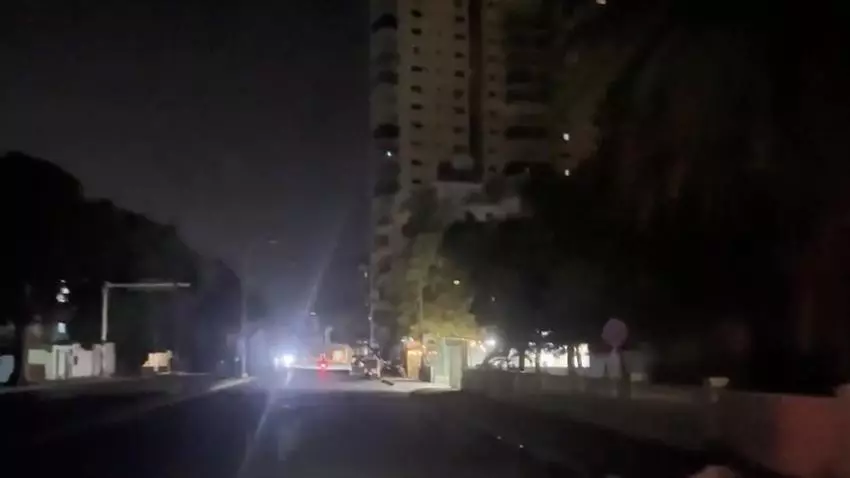
It was around nine at night, and only a few cars were traveling along Línea Street. The sidewalks were empty, the building facades blended into the darkness, and the few buildings that still had some light looked like isolated islands in a deserted city. There were no groups of young people walking, no couples looking for a place to sit, and no audience waiting to enter a concert. “There’s nowhere to go,” summed up a young man from Havana. The darkness swallowed everything.
And this Wednesday threatens to be even worse. UNE estimates that during the period of highest consumption there will be demand for 3,200 MW compared with availability of just 850 MW, enough to cover little more than a quarter of the country’s needs (26.5%). If the projected 2,380 MW shortfall is reached, the figure will surpass the record of 2,341 MW recorded on July 8.
If the projected 2,380 MW shortfall is reached, the figure will surpass the record of 2,341 MW recorded on July 8
Although Havana has traditionally received more favorable treatment than the provinces, prolonged outages now frequently affect large areas of the capital. The deterioration of the electrical system coincides with the fuel shortage, the collapse of public transportation, the prohibitive cost of taxis, rising violence, and the loss of purchasing power. Going out at night has become a difficult undertaking even before choosing a destination.
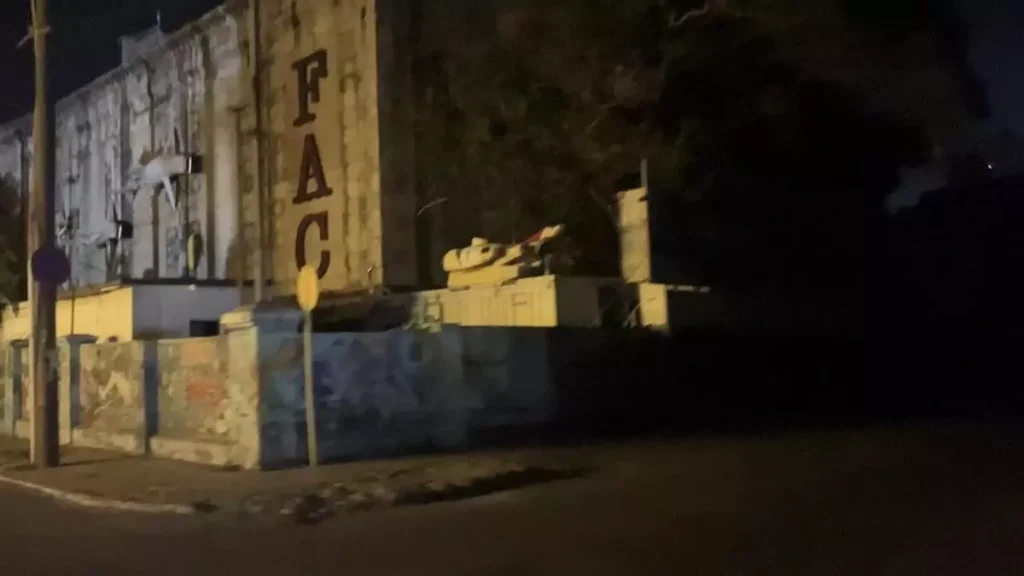
And there are not many destinations left to choose from either. In front of the entrance to the Cuban Art Factory (Fábrica de Arte Cubano) this past weekend, there were no lines, conversations, or street vendors. The building remained closed and completely dark. For more than a decade, the former industrial building has been one of the busiest centers of Havana nightlife. Its halls hosted exhibitions, concerts, theater, dance, cinema, and parties that could last until dawn. Now, the vertical FAC letters were barely visible beside the walls.
At the beginning of June, the venue announced a pause in its regular programming without specifying when it would fully resume activities, although it later reopened for some individual events. Its management said it needed to reorganize in the face of difficulties that were part of “a broader context.”
The current closure has not been attributed exclusively to the blackouts, but it is impossible to separate it from a crisis that drives up fuel costs, makes air conditioning difficult, paralyzes equipment, and drives audiences away. Without electricity, the lights, sound system, refrigerators, and ventilation do not work; without transportation, there is no way to get home after a performance.
The paralysis extends along Línea Street, an avenue that for decades connected some of El Vedado’s main cultural venues. The street is home to theaters, cinemas, Café Brecht, and bars where musicians, actors, students, and audiences used to continue the night after performances. That night there was no trace of that activity.
The crisis at the Bertolt Brecht Cultural Center began even before the current worsening situation. The failure of its transformer left part of the facilities without adequate conditions, forced limitations on the use of its halls, and turned the heat into yet another enemy for artists and audiences.
The paralysis extends along Línea Street, an avenue that for decades connected some of El Vedado’s main cultural venues
Havana has always built part of its identity around the night. Cabarets, jazz clubs, theaters, cinemas, concerts, and cultural gatherings survived different periods of hardship. Even during the harshest years of the Special Period, when public transportation collapsed and the overcrowded camellos [‘camel buses‘] appeared, meeting places capable of sustaining some cultural life endured.
Now it is not just a matter of lacking electricity. There is also a lack of audiences, artists, fuel, transportation, and money. Many young people have emigrated; others remain in their homes to make use of the few hours of electricity or to avoid walking through completely dark streets.
During the 14ymedio tour, the vehicle’s headlights were at times the only source of illumination. They revealed trees, walls, parked cars, and closed entrances for a few seconds before everything disappeared again. The camera was not capturing a sleeping city, but a paralyzed city.
The forecast of a record 2,380 MW shortfall provides a technical measure of the disaster. Havana’s nightlife offers another one, visible in miles of avenues without pedestrians, closed cultural institutions, and an entire generation with nowhere to go. The capital that once prided itself on never sleeping can no longer even keep its lights on.
Translated by Regina Anavy
______________________
COLLABORATE WITH OUR WORK: The 14ymedio team is committed to practicing serious journalism that reflects Cuba’s reality in all its depth. Thank you for joining us on this long journey. We invite you to continue supporting us by becoming a member of 14ymedio now. Together we can continue transforming journalism in Cuba.