Trigueros, where the scattered pieces of a country can sit together again around the same table
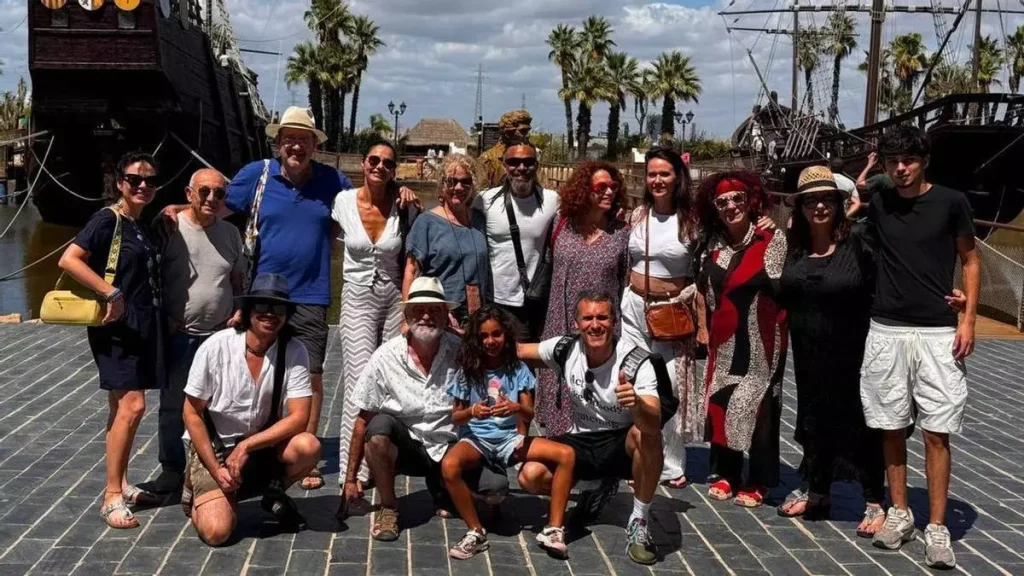
 14ymedio, Dayana Prieto Espinosa, Trigueros (Huelva), August 27, 2026 / For eight days, a small town in Huelva became a meeting point for an increasingly scattered Cuban culture. From August 19 to 26, the XIII edition of Cubacultura brought together in Trigueros musicians, writers, filmmakers, actors, and visual artists living both on and off the island, in a program inevitably shaped by emigration, memory, and reunion.
At the center of nearly everything is Harina de Otro Costal, a space that resists easy categorization. The home of cultural manager Lourdes Santos and artist Juan Manuel Seisdedos was built around an old mill, whose machinery today shares space with works of art. Together with actress Laura de la Uz and photographer and writer Héctor Garrido, the couple make up the foursome that has, for thirteen years now, sustained a festival dedicated to building bridges between Cuba and Andalusia.
Walking into Lourdes and Juan’s house carries something of the fascination Federico García Lorca felt on discovering the Loynaz siblings’ residence in Havana. The poet ended up calling that Vedado mansion “my enchanted house.” Cuban artists today feel something similar as they wander through Harina de Otro Costal, where the mill’s old machinery shares space with paintings, books, beds for friends, and tables always set to stretch out the conversation.
By day, Trigueros seems like a town suspended in time – closed doors, silent streets, roosters announcing dawn and siesta alike. But once night falls, Harina de Otro Costal transforms everything. Visitors arrive from Huelva, Seville, other Spanish cities, and even Portugal, and the old mill fills with conversation, music, and accents.
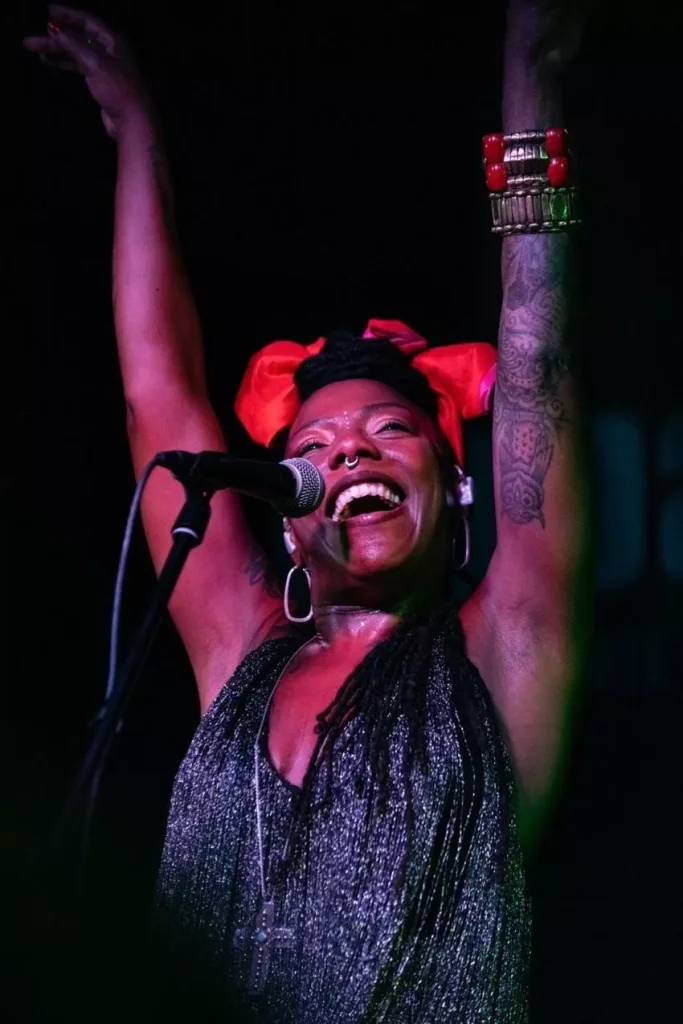
This edition opened with three photography exhibits: Retrospectiva inconclusa (Unfinished Retrospective), by Alberto Díaz Korda; Otra música (Another Kind of Music), featuring photographs by Silvio Rodríguez; and Cuba iluminada: 10 años (Cuba Illuminated: 10 Years), by Héctor Garrido. The first night ended with La Dame Blanche, a project by Cuban artist Yaite Ramos Rodríguez, blending hip hop, reggae, cumbia, and Afro-Cuban roots.
Film picked up next. Al oeste, en Zapata (West, in Zapata), by David Bim, offered a look at a Cuba far removed from postcard images, while A media voz (In a Half Voice), by Heidi Hassan and Patricia Pérez, placed emigration at the center of the screen. Built on the correspondence and archives of two friends who left the island and ended up living in different countries, the documentary speaks to loneliness, the unexpected trades of exile, motherhood, and that sense of having left parts of oneself scattered across different cities.
“We Cubans are like fragments of a broken mirror, like pieces of a puzzle we still haven’t managed to put together,” one audience member summed up. For a few days, Cubacultura made it possible to try to put some of those pieces back together.
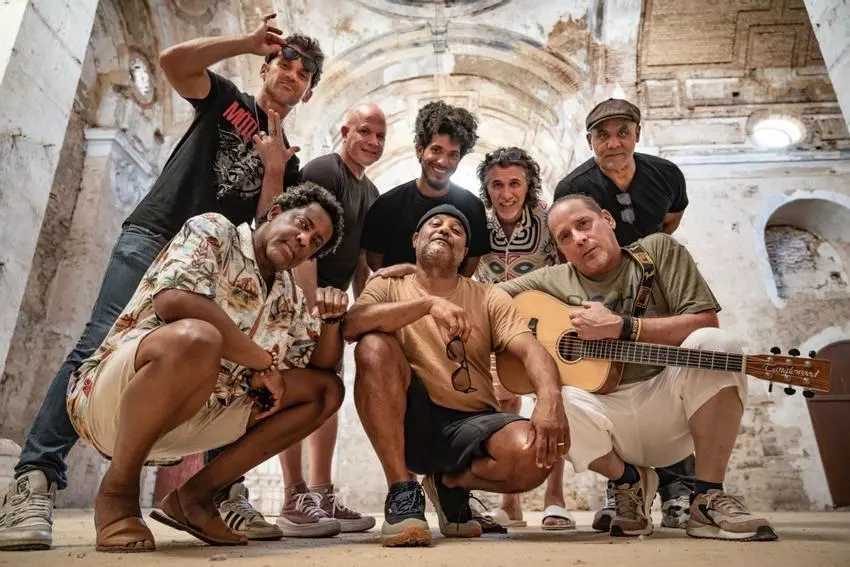
Music carried that same experience into other registers. Habana Abierta took over the old Convent of Santa Catalina on Saturday. Founding members Alejandro Gutiérrez, Vanito Brown, and José Luis Medina – La Liebre – were joined by Roberto Carcassés, Ernesto Blanco, José Raúl Machado, Fernando Favier, and Pedro Pablo Rodríguez.
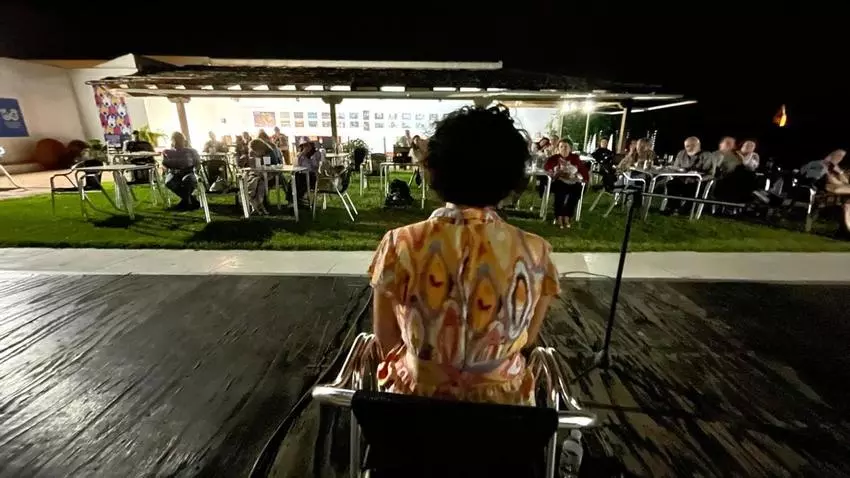
Theater arrived two nights later with Jacuzzi, by Yunior García Aguilera, performed by the author himself alongside Claudia Álvarez and Yadier Fernández. More than a hundred audience members followed a story in which friendship, love, fear, and politics all end up trapped in the same space. It was then that political debate jumped from the stage into the audience. A member of a Spanish organization sympathetic to the Cuban government took the floor to repeat against García the narrative used by State Security, which years earlier had tried to portray him as part of a foreign operation aimed at pushing a “soft coup” in Cuba.
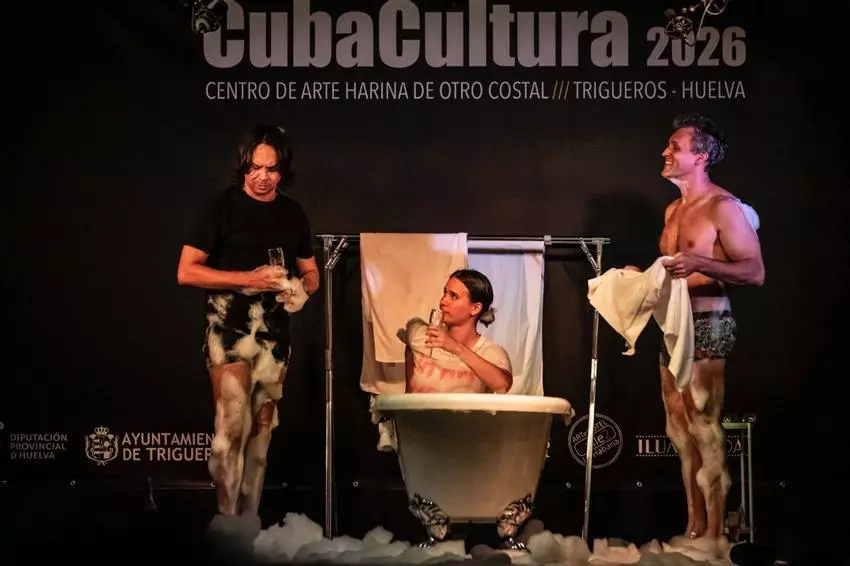
The attempt to steer the discussion toward that narrative met with a calm response. García thanked the audience for the debate and noted that a discussion like that would be practically impossible on the island, given censorship and the government’s monopoly on public speech. Laura de la Uz then spoke up: “You have the freedom in Spain to say everything you think. But we, as Cubans, have it too.”
The audience quickly returned to Jacuzzi. Comments focused on the emotion and sincerity of the piece, and some attendees mentioned the miles they had traveled to see it. The incident ended up demonstrating, almost inadvertently, one of the festival’s distinctive traits: no one needed to banish the dissenter or silence him in order to defend their own ideas.
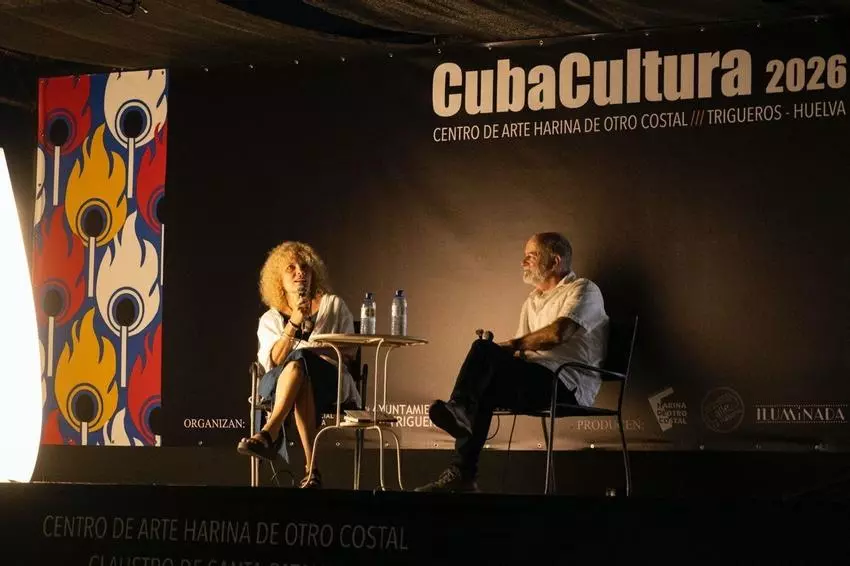
Literature continued that same dialogue between departures and returns the following day. Karla Suárez and Héctor Garrido presented Objetos perdidos (Lost Objects) and Habitación con cielo (Room with a Sky) in an unconventional conversation, almost a gathering among friends. The stories seemed to move in opposite directions only to end up meeting. Garrido, who is Spanish, writes about Havana after choosing to live in Cuba; Suárez, a Cuban who emigrated very young, sets in Barcelona a novel in which seemingly insignificant bracelets end up holding the emotional chronology of years of farewells and reunions.
The closing fell to musician X Alfonso, who brought the event to a triumphant close alongside Ernesto Blanco and Frank Durand. Hundreds of people had reserved their tickets, and the venue had been sold out for two days beforehand. In a small format of guitar, bass, piano, and percussion, the musicians switched instruments with startling ease during a concert as intimate as it was powerful.
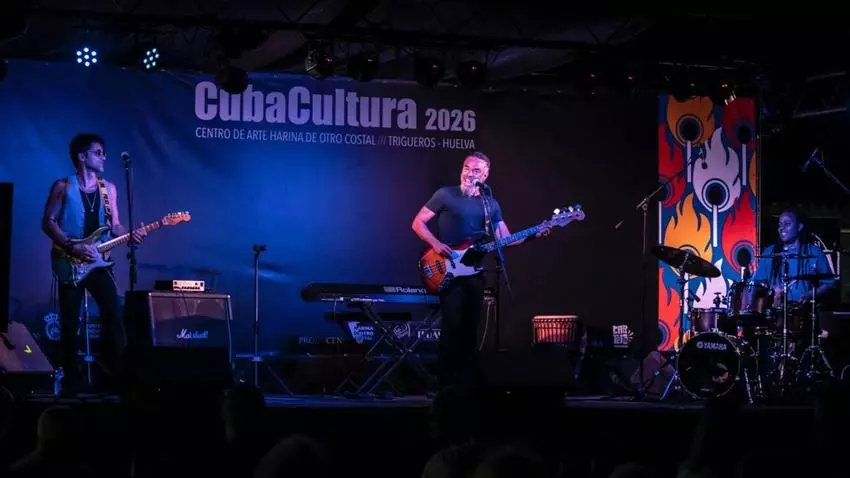
There’s something of a Renaissance artist about X. It’s hard to confine him to music alone. Composer, performer, photographer, filmmaker, and cultural manager, he has managed to bring together disciplines that others tend to keep apart. That vocation perhaps finds its most visible expression in Fábrica de Arte Cubano, the space he has championed for years in Havana as a meeting point for the arts, even amid the shortages and obstacles that come with sustaining a project like that in Cuba.
Central to that endeavor has been Sandra Lusitana, his wife, producer, and cultural manager, one of those people capable of solving any setback. In Trigueros, she wasted no time joining the invisible machinery that keeps the festival running. But if anyone ended up taking ownership of the event, it was Mar, X and Sandra’s young daughter. With the ease children have for abolishing formality, she renamed several of those present and lit up every corner of Trigueros with her personality.
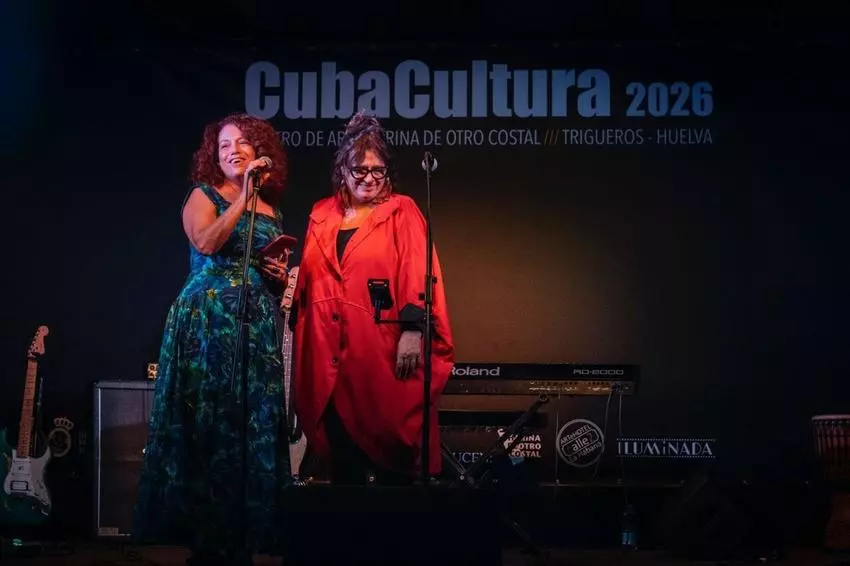
What makes Cubacultura unique isn’t only its program. It’s in the hospitality. In those who cook for the artists, wash a costume at the last minute, fix a technical problem, offer a beer, or make room around a table. In Lourdes and Juan Manuel, after more than half a century together; in Laura de la Uz, also revealed as a tireless cultural organizer; in the hospitality of Garrido and of a team – made up of Lola, Chari, Vito, Parra, Alfonso, and Antonio – for whom almost no setback seems impossible to solve.
For eight days, Harina de Otro Costal was exactly that: another way of understanding Cuba. One where artists from different fields can share the same program; where someone can defend their ideas without triggering an act of repudiation; and where the scattered pieces of a country can sit together again around the same table. It isn’t yet the Cuba that exists. But for one week, in an old mill in Trigueros, it came close to a rehearsal of the Cuba we dream of.
Translated by GH
______________________
COLLABORATE WITH OUR WORK: The 14ymedio team is committed to practicing serious journalism that reflects Cuba’s reality in all its depth. Thank you for joining us on this long journey. We invite you to continue supporting us by becoming a member of 14ymedio now. Together we can continue transforming journalism in Cuba.