The NGO reports 19 deaths in state custody due to lack of medical care since January
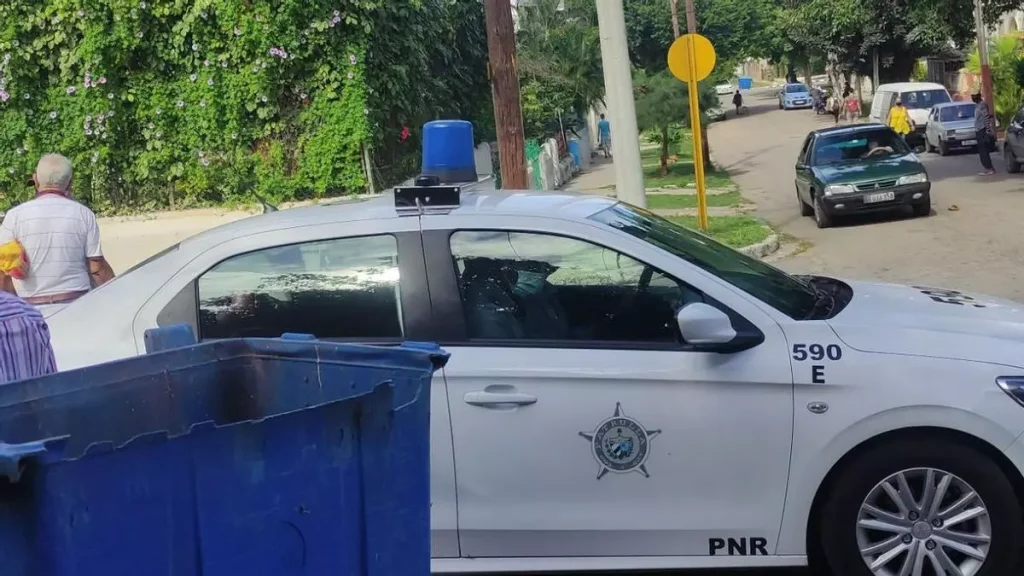
 14ymedio, Havana, August 24, 2026 / In July at least 37 homicides were recorded in Cuba, more than one per day on average, the highest monthly figure since the legal advice center Cubalex began recording these incidents four years ago. Among these crimes were also nine femicides, according to the organization’s most recent report.
In its report, the NGO points out that the figures are only an undercount, so there could be more cases. “The absence of official information about criminality and violence constitutes a violation of the right to access public information and impedes the design of effective public policies to prevent these acts and protect victims,” it emphasizes.
In light of this, Cubalex reiterates “the need for the Cuban State to publish complete, reliable and periodic statistics on homicides, femicides, disappearances, suicides and other acts of violence, guarantee independent investigations and adopt effective prevention and protection measures with a human rights approach.”
Regarding gender violence, the NGO alerts that the figure recorded in July is a sign of “a scenario of defenselessness exacerbated by the evident vulnerability of women facing the dynamics of extreme gender violence and the lack of effective state protection mechanisms.”
The NGO alerts that the figure recorded in July is indicative of “a scenario of defenselessness exacerbated by the evident vulnerability of women.”
“Citizen violence reached its highest point since 2022,” the NGO said, adding that it also recorded four suicides last month, “the highest figure this year, indicating an underreporting of the mental health crisis in the country.”
In total, the organization recorded 168 incidents of violence and crime during the month. Most of the cases involved robberies and assaults with machetes or firearms, primarily targeting people in vehicles and stealing electrical generating equipment.
The organization condemns in its report that, despite constant citizen complaints about the rise in crime in the country, “the almost daily deployment of the state defense and security apparatus focused on containing the protests over the blackouts and not on responding to the persistent increase in violence.”
In its report, it emphasizes that “the documented situation reveals a systematic incapacity of the State to guarantee the right to a dignified life for the civilian population.”
“The documented situation reveals a systematic inability of the State to guarantee the right to a dignified life for the civilian population.”
Cubalex also documented 199 protests during July, averaging more than six per day. These were concentrated toward the end of the month, coinciding with several consecutive days of prolonged power outages. “July 24 recorded the peak for the month with 25 events in a single day, while on July 11 there were 15, including two in prisons,” the report states.
In another report published this Monday, Cubalex states that, so far in 2026, a total of 19 deaths have been recorded in state custody “associated with a lack of medical attention or negligent care in Cuba.” Of that total, 17 correspond to people deprived of their liberty who were held in eight prisons across the country.
Four of those cases, a fifth of the total, were concentrated in the Las Tunas Provincial Prison, known as El Típico. As an example, it says, “last week the deaths of three inmates were reported in that prison, amid a serious situation of malnutrition, marked by the scarcity and poor quality of food, as well as by the lack of medical attention.”
“Last week, the deaths of three inmates were reported at that prison, amid a serious situation of malnutrition.”
Cubalex emphasized the case of inmate Yoandry Cutiño Oliva, 34, a native of the La Victoria neighborhood in Las Tunas: “He was in a critical state of malnutrition: he was approximately 5 feet ten inches tall and weighed only 70 pounds.”
Situations of risk are not limited to prisons. The NGO has also documented cases of people who died while in state custody in other locations, including a police station and a psychiatric hospital.
“The deaths that occur in state custody must be clarified through independent and impartial investigations that allow us to determine their causes and the circumstances in which they occurred,” the center denounces, adding that, as in other areas, “the lack of information, the absence of transparent investigations and the allegations of medical negligence prevent the establishment of responsibilities and favor impunity.”
______________________
COLLABORATE WITH OUR WORK: The 14ymedio team is committed to practicing serious journalism that reflects Cuba’s reality in all its depth. Thank you for joining us on this long journey. We invite you to continue supporting us by becoming a member of 14ymedio now. Together we can continue transforming journalism in Cuba.