Neighborhood markets are also being created, which may be run by private operators, for the sale of 16 basic foodstuffs and five hygiene products
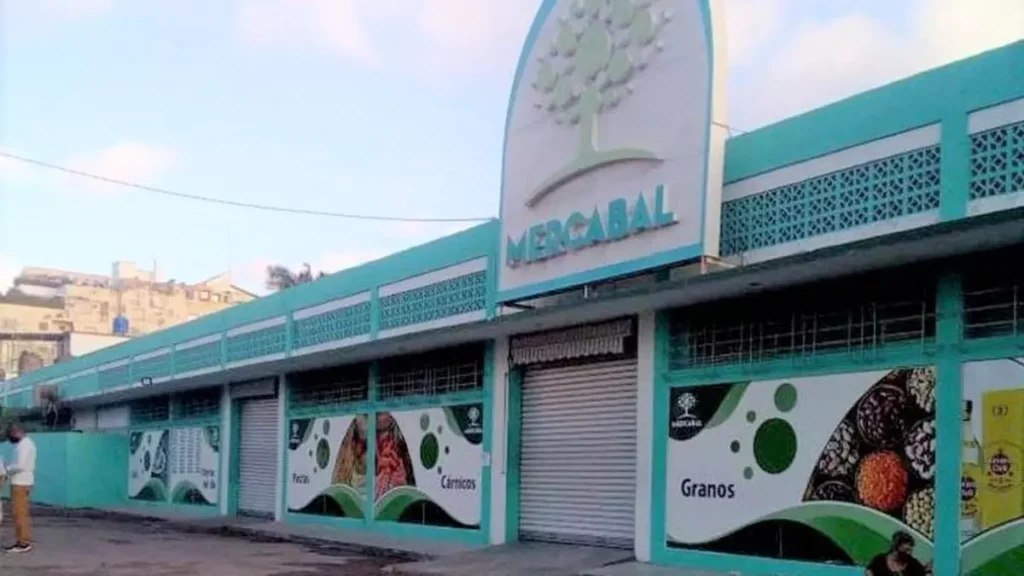
 14ymedio, Madrid, August 5, 2026 / The overwhelming shortages in Cuba’s markets have forced another novelty through which the Government is seeking to include private operators in a mixed trade model that puts an end to the state monopoly over bodegas and wholesale markets. The legislative package, published this past Tuesday in the Official Gazette, does not resolve the question of access to foreign currency and goods, and also creates an additional problem: the coexistence of two currencies in supply establishments.
Of the set of regulations, three are intended for the creation of the “neighborhood markets,” as these outlets will be known, for the sale of a series of basic necessity products listed in the law itself, namely powdered milk, ground meat, hamburger, chicken, sausage, eggs, vegetable oil, tomato puree, pasta, noodles, grains, rice, sugar, wheat flour, instant soup, coffee, detergent, soap, toilet paper, deodorant, and toothpaste.
The establishments will be state-owned commercial premises that until now have been empty or semi-empty and that will be put out to tender
The establishments will be state-owned commercial premises that until now have been empty or semi-empty and that will be put out to tender so that MSMEs, cooperatives, foreign investors, and self-employed workers can operate them. As an incentive, the private operator is exempt from paying rent during the first two years, and if they invest money in fitting out the property, that amount will be deducted from the percentage of profits they must contribute to the state owner.
The products sold at these markets will receive a 5% discount on the sales tax, in order to prevent prices from skyrocketing, something that has been happening in recent days precisely with oil, which last week was selling for around 3,000 pesos and is already being seen in some stores at double that price.
The monetary issue remains less clear. Neighborhood markets will operate in Cuban pesos, although electronic commerce is authorized, with payments from abroad in foreign currency. This would allow the Government to obtain foreign currency if relatives abroad begin making use of online purchases with dollars, although it also deepens the gap that already exists between those who have access only to the national currency and the privileged few who do not depend solely on their salary or pension.
A side effect of this duality could be the tendency of the private merchant to set the product price – now that it is not capped – according to the informal dollar exchange rate, in order to be able to import as they have done until now.
In an attempt to prevent this, the Government has simultaneously created the wholesale market abasto.cu. Through these establishments, individuals and businesses will be able to buy wholesale in different formats. The Official Gazette defines these warehouses as an “area where sellers and buyers converge, maintaining commercial relationships with multiple transactions, under the principle of supply and demand,” one of the pillars of capitalism.
The Official Gazette defines these warehouses as an “area where sellers and buyers converge, maintaining commercial relationships with multiple transactions, under the principle of supply and demand”
The wholesale markets will be open primarily to companies, private operators, national and local producers, importers, marketers, and foreign investors. In addition, a membership system is being introduced that is very similar to the membership cards found in the large wholesale markets of any city in the world, with discounts for regular buyers and other benefits.
As with the neighborhood markets, these too will be able to operate in national and foreign currency, something that will also have repercussions for import possibilities. At a time when domestic production is at rock bottom, imports of these products from the US, which are exempt from the embargo, are almost the only option for filling the warehouses, especially since major shipping lines have ceased operations to Cuban ports because of sanctions from the State Department.
This limitation has resulted, according to two experts cited by Reuters, in the loss of 60% of maritime traffic for the island. However, for US exporters, who can take advantage of licenses for the sale of food, an opportunity is opening up.
Translated by GH.
______________________
COLLABORATE WITH OUR WORK: The 14ymedio team is committed to practicing serious journalism that reflects Cuba’s reality in all its depth. Thank you for joining us on this long journey. We invite you to continue supporting us by becoming a member of 14ymedio now. Together we can continue transforming journalism in Cuba.