Day 2 of the Covid-19 Emergency in Cuba

Keeping the schools open at all levels has been one of the official decisions most questioned by citizens.

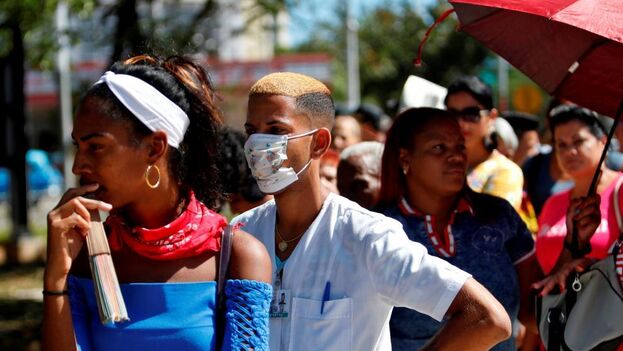
14ymedio bigger14ymedio, Yoani Sanchez, Havana, 22 March 2020 — It’s Sunday and the clotheslines in the building are about to snap from the weight of the clothes. This morning they turned the water pump on early and families rushed to wash everything that had accumulated during the week. School uniforms are the priority, although many hope that classes will be canceled soon due to the advance of Covid-19 on the Island.

Keeping schools open at all levels has been one of the official decisions most questioned by citizens. The officials started by saying that the country “had never closed schools in the face of any epidemic,” and then later explained that a suspension would bring stress and with it “a drop in the immune system” and, finally, they qualified by adding that they are reviewing how to continue teaching “every day.”

But everything indicates that they cannot guarantee distance learning in a country where the computerization of society is weighed down by technological limitations and the high price of internet connections. But neither do they have the flexibility to restructure the centralized model of education and guarantee care in the community for the children of those who work in essential sectors. continue reading

So we are trapped in rhetoric, just as we will soon be trapped inside our homes.

I was finally able to buy the potatoes. “The ones that are left are small,” said the employee, with a certain aftertaste, when I arrived at the stall this Sunday where they limited sales to only seven pounds for each person. “Yesterday I got the eggs and today the potatoes, so it looks like a Spanish omelette,” I thought, in tribute to all my friends who are fighting the pandemic right now in the “Motherland.”

A neighbor has the theory that products that we never imagined will now reach the markets. “Since no more tourists will come, I am sure that the food from the hotels will be sold to Cubans,” she says, but her hypothesis has not convinced me. “If we see grapefruit, shrimp and beef arrive at the stores, it will be the ‘foreigners’ reserves”, she concludes with enthusiasm.

I find it hard to believe that there will be an upturn in the sale of food, the omens go rather in the other direction. This morning, the nearby Youth Labor Army market on Tulipán Street was “more peeled than a banana,” according to a customer who entered and left with the same empty bag. A small private business, just a few yards away, had almost run out of bread and cookies by mid-morning.

Before nine I managed to finish the facemask I was sewing, but I was not aesthetically very presentable. It doesn’t matter. It serves to cover part of my face and will be very useful when entering the small Russian-made elevator that serves the more than half a thousand people who live in this building, carrying them up and down. There are those who even enter the tight metal box while smoking, so my facemask will do double duty.

I also have some neighbors who seem to have qualified as epidemiologists in a week and give advice as if they had practiced medicine for years. Others are calculating and trying to take advantage of the situation. “We are going to become rich by selling interferon alfa 2B,” repeats a retired Communist Party militant who spends long hours in the basement of the building.

It matters little if someone tells him that this allegedly Cuban antiviral was discovered by a Swiss in 1979 at the University of Zurich and that it is one of the 30 drugs that are being used to treat Covid-19, but there is nothing conclusive about its effectiveness when fighting disease. The man keeps repeating that “we are going to get rich,” while waving his ration book in one hand.

A few yards from our concrete block, a daughter who migrated abroad was able to send her family a package of food and cleaning supplies. The shipment includes disposable diapers for the two bedridden elderly in the home, cared for by another daughter, who is also in her 60s. I try not to think about what will happen to those three lonely and vulnerable people if the virus spreads.

Amid the uncertainty about supplies, at home we now have “one more mouth.” Friday, a homeless little barker who could no longer stay in her temporary home arrived. A friend asked me to take care of her for a few days, but I think she will stay even though my cat Totí and my dog ​​Tinta have not yet accepted her. We were going to name her “Corona,” but it is a very big name for such a tiny animal.

Among the collateral victims of this whole situation are the thousands of abandoned animals that are found all over the Island. If they are normally exposed to mistreatment, violent death and hunger, we now add the fact that many people who feed them do not want to leave home for fear of contagion. The false rumors also do them a lot of damage.

A few days ago, an official journalist stoked the fears. In a Telecubanacán program, he asked a guest specialist if pets transmitted the disease, but when he did not receive the answer he wanted, he added on his own: “I wouldn’t pet them that much anyway.” Soon after, the protectors began to fill the networks with photos of themselves petting their dogs and cats, but the damage was already done.

In the coming weeks the number of abandoned pets may grow due to the fear of contagion and due to problems in obtaining food. The little dog we’ve adopted, still without a name, has no idea what is coming.

_____________

COLLABORATE WITH OUR WORK: The 14ymedio team is committed to practicing serious journalism that reflects Cuba’s reality in all its depth. Thank you for joining us on this long journey. We invite you to continue supporting us by becoming a member of 14ymedio now. Together we can continue transforming journalism in Cuba.

Put the Planet First: Globalism and Nationalsim

Covid-19 spread from China’s Wuhan province to the rest of the planet. (SINC Agency)

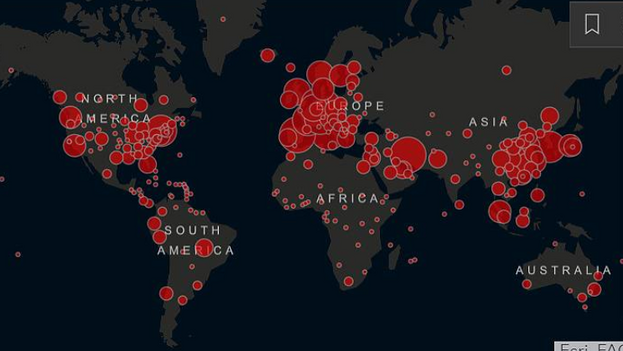
14ymedio bigger14ymedio, Carlos Alberto Montaner, Miami, 22 March 2020 — The current crisis began in an open-air market where live animals were sold, in a remote corner of the world. Covid-19 spread from China’s Wuhan province to the rest of the planet. It seems that it originated from the habit of drinking bat soup that the Chinese have, or at least some Chinese.

The New York and London Stock Exchanges plummeted. Cinemas, theaters and concerts around the world were closed. Many shopping centers and restaurants were also closed. Experts announced that unemployment would increase exponentially. In the United States it could reach 20% of the population. Chaos. Armageddon.

The anecdote will result in several million deaths, even more than two million in the United States, according to The Economist magazine. It must end the idiotic debate between “nationalists” and “globalists.” continue reading

Nationalism is not only stupid. It is even worse; it is impossible, despite what Brexit supporters say or vote. It is an incontrovertible fact; globalism, that is, the notion that we are all interrelated and must shelter behind supranational institutions, although many of them are frustrating, however perfectible, and we must behave as human beings beyond flags and hymns.

That was the dilemma posed to the United States after the end of World War II–trying to rebuild the planet and help even the defeated countries, or risk another similar conflict as a result of resentment and nationalism, that explosive mixture that had burst only two decades after the end of the First War.

Fortunately, the F. D. Roosevelt and H. Truman tandem was in the White House and they both understood their country’s contemporary history. After Roosevelt died and the war was won, a journalist asked Truman if it made sense to rebuild Germany and the rest of Europe at the cost of $13 billion through the Marshall Plan. “That figure is infinitely less than what the war cost us,” the president replied. He was right.

The idea of “put America (or England, Russia, China or Germany) first” is foolish. It is true that globalism slows down the processes of wealth creation due to the clumsiness of international organizations; and it is no less true that abuses are committed against some key nations such as the United States, but the cost of abandoning the path of solidarity and internationalism is too high to assume.

Globalism arose, in an embryonic way, thousands of years ago, when two people belonging to different tribes established a kind of exchange beyond their respective languages. Those were the remote antecedents of the UN, the European Union and the fight to mitigate the problems of climate change that are being debated today.

At the end of the 15th century, globalism gained a new momentum with the discovery of the Americas in 1492. The Kingdom of Castile, chance and marriages of convenience within the royalty allowed the arid plateau–then determined to reconquer the territory that had been taken by the Arabs many centuries before–to transform into a formidable imperial power that ruled the world for a century with the help of the Church, the Genoese bankers and the trading instruments devised in the Netherlands.

Finally, since the 17th and 18th centuries France and Germany (which became a nation unified by Prussia in the 19th century) picked up the baton, as England unleashed the industrial revolution and rose to the top of the world, spawning in America thirteen colonies that ended up becoming independent and, as they took into account the thought of the Scottish Enlightenment, ended up becoming the most successful republic in history.

None of this would have happened without a globalist mindset. Nationalism must be forgotten. After all, states, as we know them, are only a few hundred years old. Little by little, the planet is unifying in the most successful expressions. Overcoming many obstacles, with ups and downs, representative democracy, the cult of human rights, the market and freedom are gradually prevailing. That is also globalization. Put the planet first.

______________

COLLABORATE WITH OUR WORK: The 14ymedio team is committed to practicing serious journalism that reflects Cuba’s reality in all its depth. Thank you for joining us on this long journey. We invite you to continue supporting us by becoming a member of 14ymedio now. Together we can continue transforming journalism in Cuba.

Day 1 of the Covid-19 Emergency in Cuba

For weeks we had been crying out for tourism to be cut off and for the national media to warn of the seriousness of the situation. (EFE)

14ymedio bigger14ymedio, Yoani Sanchez, Havana, 21 March 2020 — I got up before the sun came up and had a coffee on the balcony, 14 floors above the ground. The city was still silent and dark. A few hours earlier they had announced measures to stop the spread of the coronavirus on the Island, so this Saturday we entered an unknown territory: zero hugs, social distancing, practically closed borders, hotels turned into quarantine zones and 11 million people “regulated” and unable to leave the country. (“Regulated” is a term the government applies to those it finds “uncomfortable” and bars from leaving the country.)

For weeks we had been crying out for tourism to be cut off and for the national media to warn of the seriousness of the situation, but official voices preferred triumphalism and spread the idea that we were more than prepared to face the disease. Yesterday, that arrogance was shattered. The same people who a few days before had been speaking of not creating alarm and of the superiority of the Cuban health system recognized the “silent advance of the disease,” the possible “collapse of the health system” and the need for isolation.

In an hour, we went from caricatures of nurses batting the virus away from the Island, to official faces marked by worry. In my neighborhood something has also changed since that afternoon, but many still find it hard to believe that we are facing an danger we can’t see, one that does not come with strong winds like a hurricane and that nobody can pinpoint on a map. However, even the most disbelieving have begun to have a lost look and avoid greeting each other with kisses or handshakes. continue reading

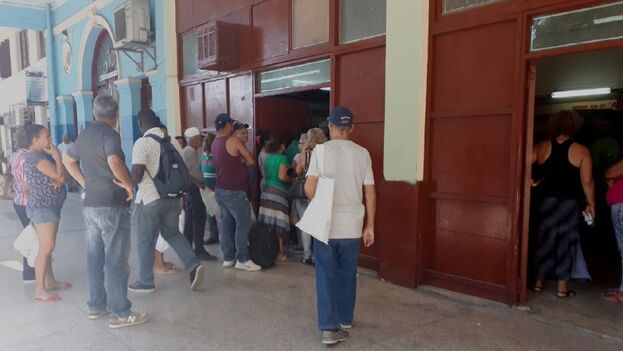
From the early hours, the arrival of eggs and potatoes at the rationed market generated long lines and even the odd fight. The line at the bottom of the building was a sample of the aging population that lives in the neighborhood and throughout Cuba: bags, gray hair and canes. Occasionally someone who coughed caused a stir. I was finally able to buy the eggs but I couldn’t find potatoes. “At least it’s something,” I said to myself even though I’d had the illusion of mashed potatoes for lunch.

This morning a neighbor knocked on our door to ask for some water. For months the building’s motor can only be started once a day because the cistern can’t fill up. In the afternoon, when the liquid begins to run through the pipes, the residents of the 144 apartments in this Yugoslav model concrete block begin a race against the clock to store the precious liquid in tanks, buckets and pots. With the announcements this Friday, that anxiety has multiplied.

So I also stored my water reserves and took out the sewing machine that has not been used for years. In the absence of masks in pharmacies, I want to make my own protection kit for when the situation worsens. I have found a piece of cloth that can help me and I have also located a bottle of alcohol, some vitamins and a thermometer with a dead battery. We are fine, because others don’t have even have.

Getting the sewing machine going again has taken me over an hour. I’d even forgotten which way the thread had to go to get to the needle. After several attempts I managed to make a firm seam on the fabric. The sound relaxed me for a few minutes and brought me back to my childhood, when hurricane emergencies were days of storytelling around a flashlight, eating canned food, and not going to class.

As I thread, cut the pieces that will make the mask and hit the pedal of the machine, I listen to the radio. They transmit a special program on the coronavirus in which voluntarism and restlessness still alternate, along with a certain chauvinistic arrogance in response to the uneasiness before the number of patients who have tested positive, which has already reached 21, two of them in serious condition.

The presenters constantly make nationalistic allusions, point out the failures of other countries to curb infections and sing praises to the “Chinese response” to the disease. If the words specific to Covid-19 were dropped, it would seem that the announcers are speaking of some ideological battle against out neighbor to the north or of the need to over produce in some area of agriculture.

“Onions!” Shouts a vendor in the hallway and brings me back to the reality of my home, my building, and my neighborhood. “Take advantage of it now!” he adds in a tone between a merchant and a sergeant. “Come on, buy onions, they are the last!” he emphasizes and suddenly I feel that life as we knew it until yesterday has ended.

____________________

COLLABORATE WITH OUR WORK: The 14ymedio team is committed to practicing serious journalism that reflects Cuba’s reality in all its depth. Thank you for joining us on this long journey. We invite you to continue supporting us by becoming a member of 14ymedio now. Together we can continue transforming journalism in Cuba.

A Cuban Radiologist Recounts His Experience From Italy

In Turin, Italy, it’s also difficult to contain the coronavirus. (EFE)

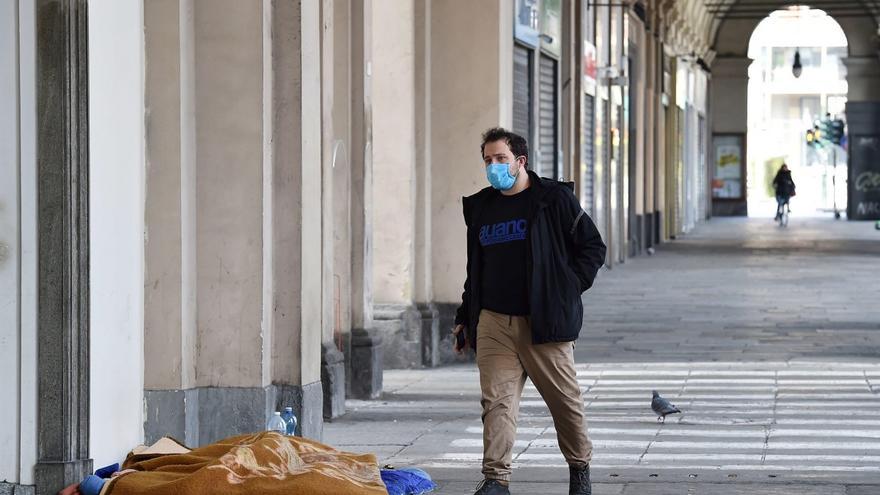
14ymedio bigger14ymedio, Galina González, Turin, March 21, 2020 — We here in Italy have already  lived for a month in this nightmare, and in spite of the fact that we haven’t reached the peak of the contagion, we are very aware of the restrictive measures that must be taken. Avoid contact with others and keep a one-meter distance if you don’t have a face mask. Wash your hands often and never touch your face while you are in the street. Avoid going out unless it’s for work or to buy food and medicine. The Red Cross has activated volunteer services to help the elderly.

When everything began in February, I didn’t know very well what I had to do and things were less clear. For me it was more difficult in relation to my work in the hospital, but now I am less worried. I work in radiology where women who have been operated on for breast cancer come to be monitored, but on March 9 they asked us to suspend all exams. My work right now consists of telephoning and giving information to patients. I don’t work with patients infected with the virus.

With all the restrictions that many people have who can’t go to work, it’s good right now to be able to work.

I feel I am living in a future that now everyone outside Italy is beginning to experience, and I’m worried about you. No one is prepared for this epidemic unless you are living inside it. i tried to give some advice to people outside Italy but realized it’s difficult to understand if it’s not happening to you.

I live in Turin, which is not as large as Milan, where it’s very difficult to contain the infection. Here when I go out to work in the morning with my bicycle I don’t have to stop at any traffic lights even if they’re red, because there’s no traffic. But I can see people walking their dogs.

When I finish work at 4:00 in the afternoon, it’s hard to see anyone walking in the center. Everything is closed: bars, shops, theaters, etc. And if the police see you outside your house they can stop and question you just because you’re outside. They’ve never stopped me because I have a certificate already prepared saying it’s for work.

I heard a radio program on the epidemic in other countries, and Cuba seems to be reluctant to take the restrictive measures necessary to avoid contagion. I saw a video on Facebook about a meeting of medical students in Cuba. A doctor was talking and asked someone to take off his mask or leave the room. This is disturbing, not to mention criminal. It could mean disaster. Be vigilant, all of you, and take preventive measures, even if the Government is taking its time to do it.

Translated by Regina Anavy

______________________

COLLABORATE WITH OUR WORK: The 14ymedio team is committed to practicing serious journalism that reflects Cuba’s reality in all its depth. Thank you for joining us on this long journey. We invite you to continue supporting us by becoming a member of 14ymedio now. Together we can continue transforming journalism in Cuba.

The U.S. Embassy in Cuba Suspends its Services Because of Coronavirus

The Consular Section of the U.S. Embassy in Havana will offer only emergency services for U.S. citizens. (EFE)

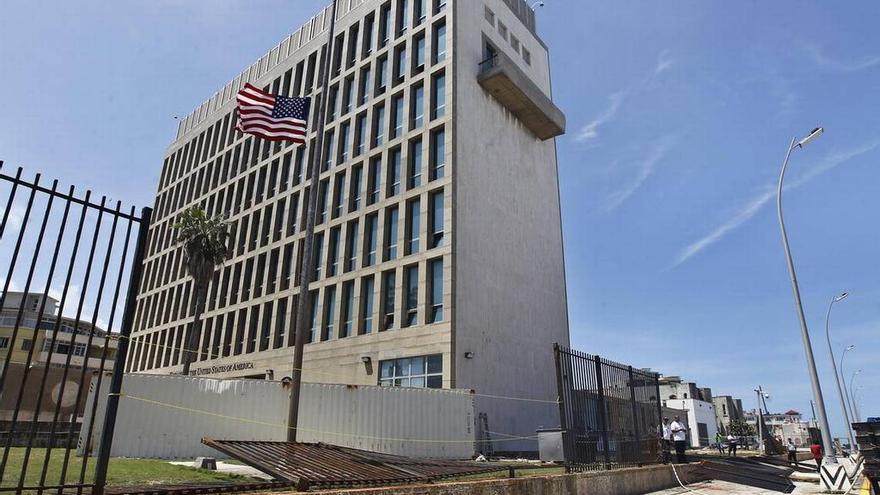
14ymedio bigger14ymedio, Havana, March 17, 2020 — On Monday, the U.S. Embassy suspended “routine” services for North American citizens owing to the health emergency posed by the coronavirus, according to a diplomatic communication.

“As a result, the Consular Section of the U.S. Embassy in Havana will offer only emergency services for U.S. citizens and non-migrant visa services,” it added.

Applicants who already have appointments will be notified by email when routine services resume, the Embassy indicated.

Cuba now has five confirmed cases — one in a critical state — of the illness caused by Covid-19.

The U.S. had already suspended consular services for immigrant and tourist visas some years ago because of mysterious attacks that required the evacuation of a large part of its Embassy staff in Havana.

Relations between the U.S. and Cuba have cooled since ex-President Barack Obama reestablished diplomatic ties between both countries and traveled to Havana to promote what was known as the “thaw”.

The policy of rapprochement, harshly criticized in South Florida where most of the exiled Cubans live, gave way to an escalation of confrontation after President Donald Trump took office. He blames Cuba for the authoritarian drift of Nicolás Maduro’s regime. Most of Cuba’s economic support comes from Venezuela.

Translated by Regina Anavy

___________________

COLLABORATE WITH OUR WORK: The 14ymedio team is committed to practicing serious journalism that reflects Cuba’s reality in all its depth. Thank you for joining us on this long journey. We invite you to continue supporting us by becoming a member of 14ymedio now. Together we can continue transforming journalism in Cuba.

14 Rumors About Coronavirus: Some Cuban and Others Universal

Non-professional face masks can help not infect others, but not to protect oneself. (Pedro Luis García)

14ymedio bigger14ymedio, Havana, March 16, 2020 — Here at 14ymedio we want to contribute to the truthful spread of information about the coronavirus. We are aware that we don’t have many certainties up to this point, given that the virus is new and research all over the world is beginning to be carried out with the little data available, but there is a lack of scientific evidence that can settle certain questions.

However, we want to help in checking information in face of the risk that Cubans may receive propaganda or disinformation in a centralized system. Here we offer 14 questions and verified answers.

Has Cuba developed a vaccine against the coronavirus?

At this time there is no vaccine against the coronavirus. Neither Cuba nor any other country has developed it although there are various laboratories in some twenty countries around the world that are working on it. The World Health Organization has already warned that it will not be ready in less than a year, since there are many subsequent studies that have to be done. This weekend there was a controversy between the US and Germany, since that country has accused Washington of wanting to make it exclusively with the trial from the pharmaceutical CureVac.

Does Cuba have “the cure” for coronavirus for already infected cases? 

Those infected do not develop the sickness (they are asymptomatic) at a high rate, but around 30 or 40% do, with pneumonia being the most dangerous which, linked with chronic conditions (hypertension, coronary pathologies, diabetes) and depressed immune systems (in cancer treatment or HIV carriers) can become complicated, meaning a risk to life. continue reading

Patients with symptoms are being treated all over the world with different medications and therapies, but until now no country has a totally effective cure, because it largely depends on the point at which the disease is detected, the state in which the sick person arrives at the hospital, and his or her previous medical condition, as well as the medical care they can receive, thus the importance of not filling up hospitals.

Is interferon a “cure” for coronavirus?

In recent weeks the news that the Cuban drug Interferon Alpha 2B has helped thousands of Chinese patients recover from the pneumonia associated with COVID-19 has circulated widely on social media. The trigger for this information was a tweet by Miguel Díaz-Canel in which he assured that it was “Interferon Alpha 2B: the Cuban drug used in China against the coronavirus.” However, the leader’s message did not clarify that it was one of 30 medications being used in the Asian country in the treatment of those patients.

One day after that tweet, the newspaper Granma, official organ of the Communist Party, added that the Cuban drug has had “palpable results in the cure of more than 1,500 patients,” but without citing sources. An investigation carried out by the Venezuelan site Efecto Cocuyo revealed that the figure in reality corresponded with those patients who had managed to recover from the disease up until February 6, but the official Chinese report where that statistic appears for the first time “never attributes their recovery to the effect of the Cuban drug or any other treatment.”

The Cuban Embassy in China also spread the message, on February 5, and touted the role of the drug in Chinese authorities’ fight against COVID-19: “The Health Commission has selected our product among those used in the fight against #coronavirus,” the Cuban embassy in Beijing wrote on Twitter. However, on the website for the mixed Chinese-Cuban company ChangHeber, with headquarters in the city of Changchun, where the recombinant Interferon Alpha 2B is made, there is still no information on its use in patients with coronavirus. The website only mentions its efficacy in treating hepatitis, leukemia, lymphoma, papilloma, and myeloma, among other illnesses.

Cuban authorities have brandished the massive local fabrication of Interferon Alpha 2B as one of the main strengths of the country in face of the advance of the disease; however, some specialists qualify this assertion. “The drug is not going to prevent you from getting infected, it doesn’t cure COVID-19 by itself, and although it has proven useful to alleviate symptoms, there will not be tons of Interferon that will save us in the case that the appropriate measures of containment and mitigation are not applied, and as a consequence, the health system will collapse,” warned the Cuban biologist Amílcar Pérez Riverol.

Do high temperatures prevent infection?

Although there are various scientific theories that indicate that the virus does not tolerate temperatures above 82 degrees fahrenheit, none of them have yet been proven and the WHO maintains that the coronavirus can circulate in any area unless the opposite is proven. This contradicts the propaganda of the Ministry of Tourism that is promoting Cuba as a safe destination for sun and sand. Spreading this information, currently, is irresponsible.

It was only on Sunday, and after the rumor about heat as an “antidote” for coronavirus had widely circulated, that national Cuban television issued a denial. By that point, the deceitful advertisement by Havanatur and Cubatur had already reached thousands of potential vacationers. That advertisement also included the claim that “seawater” kills bacteria, which makes Cuba even more attractive as a destination, but is a matter of confusion because COVID-19 is a virus, not a bacteria.

Will tourists find a “safe destination” in Cuba and free and effective medical attention if they get sick on the Island?

There has been on official pronouncement that the tourists hospitalized in Cuba for coronavirus symptoms will be treated for free. Bárbara Cruz Rodríguez, general director of Marketing of Cuba’s Ministry of Tourism, assured that “clients who decide to come to Cuba will be well received” and “we will give them all services,” an assertion that indicates that the Government could be planning for a time in which the national coffers suffer a serious drop in funds.

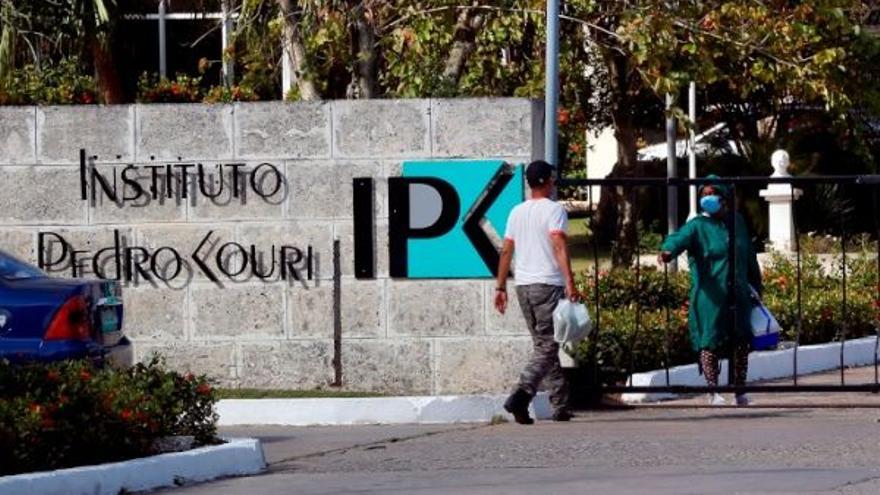
To this must be added that, over the weekend, the Italian tourist Marta Cavallo, who is admitted under suspicion of coronavirus at the Pedro Kourí Institute of Tropical Medicine (IPK), reported on the conditions in she is experiencing in that hospital. “We are in a terrible hospital, in dramatic sanitary conditions, they ask us to take the soup from the plate, there isn’t even toilet paper…they don’t give us news of any kind,” she wrote on Facebook.

Can the borders remain open and the arrival of tourists kept up without this influencing the number of infections? Did the airport controls detect the first cases of coronavirus?

The border controls are currently one of the resources most used by the majority of countries, but their success is relative. Border closing has been used in China, which has managed to check the epidemic, but not in South Korea, which is also achieving that.

Border closings can help because it limits mobility and, thus, social distancing is being demonstrated as effective, although it is not effective alone. Airport controls are hardly reliable despite being used in a massive form. The majority of those infected are asymptomatic and especially in the first days, when the viral load is lower. Even tests may not detect it, creating a false sense of security. Quarantine, on the other hand, does guarantee greater security without an investment of resources.

Does keeping classes open help turn schools into detection centers?

In general, the majority of countries are proceeding to close schools. Although children appear to be less likely to present grave symptoms or get sick, they are carriers of the virus in any case and have a high risk of transmitting it through their socialization and lower awareness of the seriousness of the situation.

Although children are encouraged to wash their hands frequently, they touch each other and many surfaces when they play, which is why schools are important transmission centers.

In some places with more elderly populations, like Cuba, where grandparents frequently assume childcare duties while the children’s parents work, it could also be an added risk of infecting one of the greatest high risk groups.

Cuba has 1,125,000 residents aged 60-69, 768,000 aged 70-79, and 392,000 older than 80, rates very similar to those of Italy and Spain, countries battered by the virus. It is a case that can be learned from Spain, where the same thing is happening and where children are urged not to visit their grandparents.

Is early detection enough to stop the coronavirus?

In part yes, but in the case of Cuba the four confirmed cases of coronavirus are people who passed through the airports without any symptom being detected. One of them, a Bolivian living in Milan, arrived on the Island on February 24 and was in Santa Clara without her illness having been detected before she joined, on March 8, her Cuban husband, who was then presenting cough and fever. By then, the tourist had overcome the coronavirus and interacted with dozens of people.

So although early detection can help, the measures of containment and restriction on mobility, entry into the country, quarantine, and self-isolation seem to be more effective to slow down the speed of transmission, thus attempting to not collapse the health systems.

Do the cloth surgical masks that will be distributed in Cuba work as a barrier against the virus?

There are different types of face masks, the majority of which are available to people, as is the case with the cloth face masks that are planned to be distributed on the Island. But these masks do not prevent contagion, although they do prevent transmission.

Infected people can use them to avoid infecting others, but healthy people cannot avoid being infected that way. The clinical ones are more effective, but neither are they the only measure. There is a shortage all over the world of masks, although the industry is making them at a forced march and China has sent shipments to various countries that need them. Cuba already warned that the lack of money will prevent buying them.

Can rum be used to sanitize the hands?

In face of the shortage of soap to wash hands and also other products like sanitizing gel, Cubans are making use of other products to maintain hygiene. Perfumes, colognes, and even rum are some of them, but it is likely that these solutions do not totally protect those who use them.

To sanitize the hands and eliminate the virus requires alcohol in a sufficient quantity as well as glycerine, experts warn. The small boxes (tetrapack) of Planchao or Silver Dry rum that many are using as a hand “gel” only have 36% alcohol when a concentration of 70% is required. Specialists reiterate that a better way of protecting oneself from coronavirus is washing one’s hands with soap and water frequently, for at least 20 seconds each time.

Is it useful to drink alcohol or hot beverages to prevent contagion?

The rumor that hot drinks helps prevent coronavirus comes directly from the belief that temperature has an influence. As we previously said, there is no evidence yet that the virus dies at 82 degrees, but additionally the infection system is not related to the consumption of liquids. Some doctors have even warned that these false tricks can be counterproductive if they affect the mucous membrane. Regarding alcohol, not only is that theory unfounded but it is also very dangerous. In Iran last week 36 people died, drunk from consuming alcohol believing that it would stop contagion.

At what distance can the virus be caught?

A totally secure distance is one greater than two meters. The virus is transmitted through fluids, like drops of saliva and nasal secretions that leave a person who coughs or sneezes, which is approximately one meter. In the case of living with someone who is infected, measures must be taken like isolating them in one room and avoiding sharing a bathroom, in addition to maintaining the hygiene of the home and persons. All these measures are very complicated in the context of the homes and hygiene products found in Cuba. To which must be added that common on the Island are long lines to buy basic products, packed public transport, and overwhelmed bureaucracy offices.

Can pets be infected?

No. Pets like cats and dogs cannot be infected with the coronavirus and, in fact, one of the exceptions to confinement in the countries that have imposed it, like Italy and Spain, is for taking out dogs, although as quickly as possible and only with one person. Despite everything, it is a good idea to maximize hygiene by washing hands very well with soap and water after touching pets.

Is there any home test to see if one is infected?

In some countries there has spread a rumor that one can simply check if he or she has been infected by filling the lungs and seeing if there is no pain in the side when holding the breath for 10 seconds. Neither this nor any other test works for self diagnosis. Following recommendations from health authorities and, in the case of presenting symptoms, self isolating or consulting doctors are the measures that stop the spread of the virus. Ruling out the illness with these types of false tests can only contribute to spreading the infection.

Translated by: Sheilagh Herrera

__________________

COLLABORATE WITH OUR WORK: The 14ymedio team is committed to practicing serious journalism that reflects Cuba’s reality in all its depth. Thank you for joining us on this long journey. We invite you to continue supporting us by becoming a member of 14ymedio now. Together we can continue transforming journalism in Cuba.

Some Cuban Parents Don’t Trust Government Measures and Keep Their Children Home

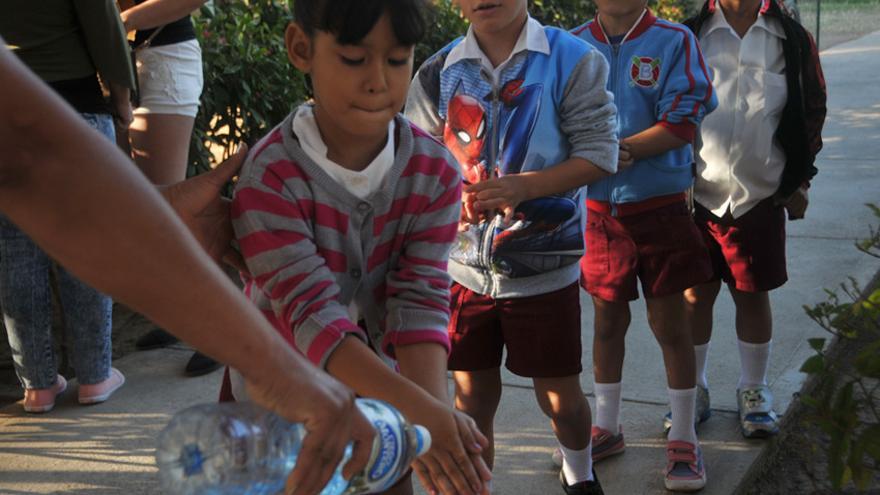
Many schools lack adequate water or soap for handwashing. Here children have chlorinated water poured on their hands as an alternative to handwashing. (Newspaper26)

14ymedio bigger14ymedio, Havana, 17 March 2020 — The news of a fifth positive case of Covid-19 on the Island has triggered the concern of many parents about the poor measures applied in schools.

Some have limited themselves to expressing their doubts while others have made the more drastic decision to not send their children to school, an idea that had been brewing since yesterday.

“Until it is well understood how this works, I am no longer bringing my child. I see that in many countries the first thing they have done is to close schools and here, where there is no water to wash their hands, we keep them open. Everything on a whim,” a mother who preferred not to identify herself told 14ymedio. continue reading

“Of course, I did not tell the teacher exactly the reasons, I just told her that a relative had come from abroad and we were going to go to the province for a few days. Actually I am very worried because I do not trust the measures that are being taken, so it is up to me as a mother to do something,” she added.

The list of governments that have applied total or partial school closures, in an attempt to stop the spread of the coronavirus, now reaches a hundred, although in some cases they affect the entire country and in others it is limited to specific areas, according to the figures updated as of March 16 from the United Nations Educational, Scientific and Cultural Organization (Unesco).

Ena Elsa Velázquez Cobiella, head of the Ministry of Education, said last week that schools had never been closed in Cuba, despite the numerous epidemics that have occurred on the Island. A week later, she maintains that decision. “The coronavirus has already entered Cuba, now we must prevent it from spreading, reaching our schools. We, in the most critical epidemiological conditions we have had — H1N1, cholera — have never had to shut down the school year,” she insisted.

Many Cuban parents are informed, through the news that is published even in media related to the Government, such as Telesur, of the strict measures that are being taken in countries as different as Italy, China, Spain and Russia, and in some US states. That is why they fear that the Cuban authorities are not being cautious enough to stop the contagion.

“There is no water here, much less soap, which is the basic thing to maintain hygiene. The teacher waits for you every morning with a little bit of chlorinated water to put on each person’s hands. Those are the measures that have been taken until now. They have not suspended morning assemblies or after-school activities either. What is the point of canceling sporting and cultural events if the schools are kept open. The feeling I have is that there is no awareness that the danger is in contagion and the spreading of the disease more than the disease itself,” said another worried mother this Monday as she was picking up her preschool daughter.

“Since last Friday, my oldest son’s math teacher has not been to classes because she had a high fever and discomfort since Thursday and the director decided that it was best that she stay at home. Or rather, in the hostel, because she is one of the teachers they have brought from the province,” she added.

The Facebook wall of Cuban artist Reynier Chino Leyva Novo had a blue sign this morning that said: “My kids aren’t going to school anymore until further notice!”

As explained by the minister, epidemiological surveillance is carried out to isolate or prohibit entry into schools to people who have symptoms of acute respiratory infections. Students with fever are also isolated, while their family and health clinic are notified.

Officials from the Ministry of Education have given instructions on cleaning classrooms and smooth surfaces such as tables, doors and handrails.

“The ministry has tried to create the conditions in as many institutions as possible so that there is permanent water somewhere where hand washing can take place,” Mary Carmen Rojas Torres, head of the School Health Department, told the official press.

An online petition has more than a hundred signatures from people demanding that the authorities put into practice “optimal national health security measures to lessen the negative effects of this pandemic.” The signatories request, among other things, the closure of borders and schools, that they be allowed to work from home and that citizens have “timely and true information.”

___________________

COLLABORATE WITH OUR WORK: The 14ymedio team is committed to practicing serious journalism that reflects Cuba’s reality in all its depth. Thank you for joining us on this long journey. We invite you to continue supporting us by becoming a member of 14ymedio now. Together we can continue transforming journalism in Cuba.

Concerts, Movies and Museums Without Leaving Home

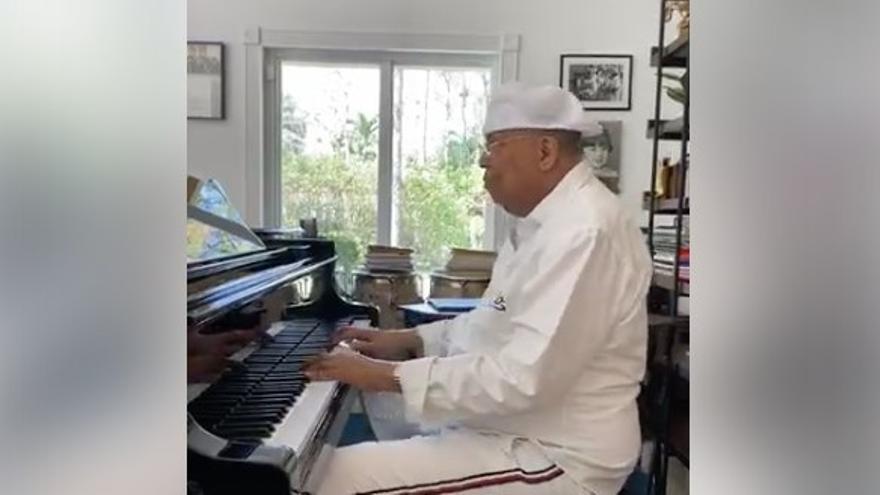
Chucho Valdés plays the piano for his Facebook followers after canceling a public performance. (Facebook)

14ymedio bigger14ymedio, Luz Escobar, Havana, 18 March 2020 — The coronavirus is arriving in Cuba behind Europe and the US, but with ten people now infected the concern begins to grow. The cultural sector is one of the areas most suffering worldwide, with the suspension of collective events. Concerts, premieres, theatrical performances, museums… all the pieces have been falling internationally and have even reached Cuba, which, in the absence of more far-reaching measures, has indeed canceled cultural leisure activities until further notice.

Cuban artists, like their colleagues in dozens of countries, are suffering the consequences of the pandemic directly, but they have learned from others that music, cinema or any other art can go ahead from home to ease the harshness of the measures of isolation, some imposed and others, as on the island, assumed individually as an exercise of responsibility.

The path in Latin America was forged globally by the Colombian Juanes and the Spaniard Alejandro Sanz, who last Sunday offered a concert from Sanz’s home in Madrid, which was broadcast through his YouTube channel. continue reading

This Tuesday, the pianist Chucho Valdés did the same on his Facebook page through a live broadcast of a recital, after having to cancel his international appearances.

“We have canceled all the tours we had lined up for the coming spring, and it occurs to me that we may never part ways with technology,” said the artist.

“I am going to dedicate a mini-recital to you with much affection and love, always with the hope that everything will normalize, but the connection with music and many other things will be maintained, especially love and hope that everything will pass, as storms sometimes do,” he added.

With such popular faces starting these kinds of initiatives, many have been inspired to continue them and accede to the global request to stay home as a method to reduce the brutal growth in the number of infections of the coronavirus, far superior to other similar ones that preceded it, like the flu or N1H1.

A group of filmmakers has already launched a project that they have called Cuban Cinema in Quarantine and that offers some of the national classics and many independent films through streaming. The creators will broadcast films that were on the professional video platform Vimeo through their Facebook pages, along with some royalty-free films.

“Let’s help viewers discover our films in this period of seclusion and isolation. No matter the year of production, the length of the footage, the genre or the format. Communicate privately!” The promoters of the page announced.

The titles they have already begun to share include the classic documentary Coffea arabiga, by Nicolás Guillén Landrián; Reflexiones, by Yimit Ramírez and Laura Tariche, which won the award for Best Animation in the 9th edition of the Young Filmmakers Exhinition; Qué remedio? La parranda, , by Daniela Muñoz Barroso, which addresses the theme of the popular Remedios fiesta; El proyecto, by Alejandro Alonso and Tierra roja, by Heidi Hassan. Filmmaker Fausto Canel also shared Desarraigo, his first film.

On Instagram, a group of artists is organizing to launch the Tunturuntu pa’tu casa festival, with the idea of raising awareness of the importance of seclusion to control the spread of Covid-19.

“We want to bring home to each one of you the benefits of music and culture, in these circumstances,” said the statement, shared by actress Alicia Hechavarría. The concerts will be performed live from the profiles of the artists proposed by the festival participants. “Leave us your comments in the comment section and don’t forget to tag your favorite artist to join this festival,” invite the organizers.

Another who has joined is the writer Ariel Maceo, who will start a reading club with other colleagues through a WhatsApp group. “There I am going to upload audios with my texts and those of other authors that readers ask of me,” the author tells 14ymedio.

To better pass the time of the “retreat at this challenging time,” the artist Reynier (Chino) Leyva Novo has launched the project: Nice to meet you. Don’t touch me. “I am going to design a business card for anyone who wants to for free with the condition that they do not print it. It can only be shared through social networks,” he explains.

Another musician who joined the virtual initiative was the troubadour Ray Fernández who, from his Facebook page, announced: I’m going live from home! Tuntun at home *Uncensored*.

In Italy and Spain, where the propagation figures have been high for days and confinement measures have been imposed for more than a week, this type of initiative has multiplied. Not only among artists but also among cooks who make healthy recipes, athletes who organize online sessions against the sedentary lifestyle of isolation, storytelling for children who aren’t in school… there are beginning to be more online activities than those affected can take on.

But the connectivity limitations of the Island open an uncertain panorama, especially for the elderly, the first group which the authorities around the world are asking to seclude themselves, due to their increased risk of contagion and the lethality of the disease for those over 65. This group risks significant loneliness without contact with loved ones that can facilitated with technology, but technology that is expensive and scarce in Cuba.

_______________

COLLABORATE WITH OUR WORK: The 14ymedio team is committed to practicing serious journalism that reflects Cuba’s reality in all its depth. Thank you for joining us on this long journey. We invite you to continue supporting us by becoming a member of 14ymedio now. Together we can continue transforming journalism in Cuba.

‘Who Is Going to Bring Me Food If I Can’t Go Out?’

The virus is more lethal to old people. (14ymedio)

14ymedio bigger14ymedio, Marcelo Hernández, Havana, 19 March 2020 — Every morning he greets the dawn in front of the newspaper stand. Sometimes he waits a few minutes and others for hours, but Romualdo, 79, explains that he has time because he is retired and without a family. After buying the papers, he resells them through the streets of Havana. “They tell me that I shouldn’t leave the house because of the coronavirus, but if I don’t do this, I don’t eat.”

He pays 0.20 CUP (Cuban pesos) for each copy of the official newspaper,  Granma, and then offers it to customers who don’t want to line up at the kiosk for five times that value. Although it seems a high number, it is just pennies (4 cents US) that mean little in Cuba’s expensive daily life. “There are days when I make 15 [Cuban] pesos and others that I am lucky enough to meet tourists who pays me 1 CUC  (Cuban convertible peso, roughly $1 US) for a newspaper, those are the holidays.”

With a pension that does not exceed 300 CUP per month, about $12 US, Romualdo survives on the resale of newspapers and running errands for his neighbors, such as buying their products from the rationed market and delivering them to their homes. He is what is popularly called a “messenger” who, with those extra tasks manages to “eat poorly, but eat every day,” he says. continue reading

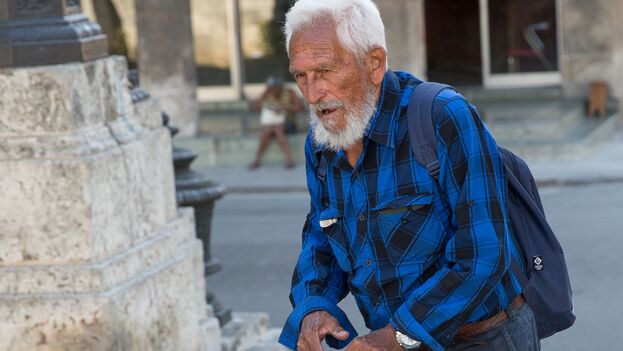
But now, his life, which seemed to have found a precarious balance, is about to change. “I am diabetic and asthmatic, the family clinic doctor told me that I have to take care not to get the virus which is already here.” The retiree is between a rock and a hard place: “I can’t stay locked in my house because if I don’t sell my newspapers and run other errands I can’t eat. Who is going to bring me food if I can’t go out?”

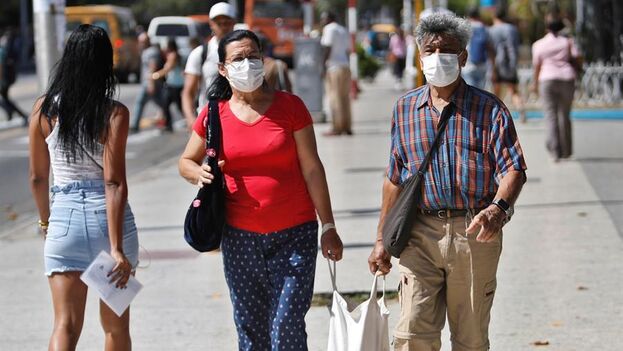
The call to stay at home that is traveling the world in the face of the pandemic has reached Cuba through social networks. Many parents have decided not to send their children to school even though the Ministry of Education has not yet canceled classes, and at state workplaces, employees are trying to convince their bosses to let them work from home. But there are others who know that being locked within four walls can present other risks.

Currently, 18.3% of Cuba’s 11.1 million inhabitants are over 60 years old, which places the country among the oldest in the Americas. This demographic composition makes the Island especially vulnerable to Covid-19, as demonstrated by the incidence of mortality among the elderly in Italy and Spain, where several nursing homes have become death traps for dozens of inmates.

Biologist Amilcar Pérez Riverol warned of the seriousness of the matter in a text published on his Facebook account. “Cuba has more than 1,125,000 inhabitants between 60-69 years (estimated mortality of Covid-19 in this age group, 4.5%), more than 768,000 between 70-79 years (lethality 8.9%) and more out of 392,000 aged 80+ (18% case fatality),” he wrote. Those data give a total of “more than 2,286,000 inhabitants in the ages of risk.”

Rosa María is 72 years old and makes a living preparing homemade sweets at her home in the Güira municipality, in Artemisa, and selling them to customers in the Cuban capital. Once a week, she takes the train that leads to the small station on Calle Tulipán and offers her products in the high-rise buildings in the area, where for years some residents have made a habit of buying her guava chells, dulce de leche and homemade jams.

“I am hypertensive and for five years I have been in remission from cancer, so I am in the group of people with the highest risk from the virus,” she details. Widowed for a decade, Rosa María has always been a housewife and now receives the pension of her deceased husband. “It is not enough for me, if I do not go out to sell my sweets I will die of hunger,” she says.

Many Cuban elders survive by reselling official newspapers. (B. Atkinson)

This week, several customers didn’t even open the door for her when she knocked. “They told me that they don’t want to let anyone in and have contact with people who come from far away in case they bring the coronavirus,” laments the lady. “I was only able to sell two of the 10 candies I brought so I don’t know what I’m going to do in the next few days.”

“If they cancel the train and quarantine the country, I am going to be one of the victims, but not of the virus, rather of the lack of food and soap. In my neighborhood in Güira there are many old people who are worse off than I am because they can’t even stand up on their own. If it is difficult to buy a diaper for the elderly here in normal times, imagine now,” she details.

In nursing homes, concern grows. A nun who works as a caregiver the Santovenia Nursing Home, in the Havana municipality of Cerro, tells 14ymedio her fears.

“We are an institution with about 500 elderly residents and of them more than 300 are permanent residents here.” Most of the daily chores and care “are done by the Little Sisters of the Homeless Elderly, but there are also personnel hired for other maintenance and administration tasks. Now everyone must redouble their hygiene.”

Quinta Santovenia, a stately mansion on Calzada del Cerro, also has the support of the Ministry of Public Health and receives frequent donations from abraod from the Galician Government and the autonomous governments of Asturias and the Canary Islands. More than two decades ago, the Betania dining room was created on the site, serving the elderly who do not reside in the center but are in a vulnerable situation. Those who arrive receive not only food, but also vitamins, toiletries, clothing and medical attention.

The nuns also care for several dozen people in their homes, bring them medicine and food, and ensure that they are well. “Many are old people who live alone because their children migrated or they are living with relatives who cannot provide them with the care they need due to lack of resources or time,” says one of the nuns.

In the spacious living room, many old people from the area meet at lunchtime, and not only do they eat there but, for many, it is their only chance to have some social contact and conversation.

“We must protect them from themselves because some of them come here with a tremendous desire to speak, to hug each other and to be close because they don’t have anyone in their homes,” explains the nun. “We cannot close the dining room because we know that many of them do not have the resources to achieve even one meal a day.”

“This nursing home is one of the best in the city because a large part of the management is carried out by the Church and because we receive a lot of help and donations, but the state of other centers is truly dire,” she details. “For the most part, there are serious hygiene problems that even in normal times are potential life hazards for the elderly but are now becoming even more serious.”

_______________

COLLABORATE WITH OUR WORK: The 14ymedio team is committed to practicing serious journalism that reflects Cuba’s reality in all its depth. Thank you for joining us on this long journey. We invite you to continue supporting us by becoming a member of 14ymedio now. Together we can continue transforming journalism in Cuba.

The Charges Against Otero Alcantara Are Still In Force But ‘The Crisis’ Postpones The Trial

The charges against Luis Manuel Otero Alcántara remain while the trial has been postponed. (Facebook)

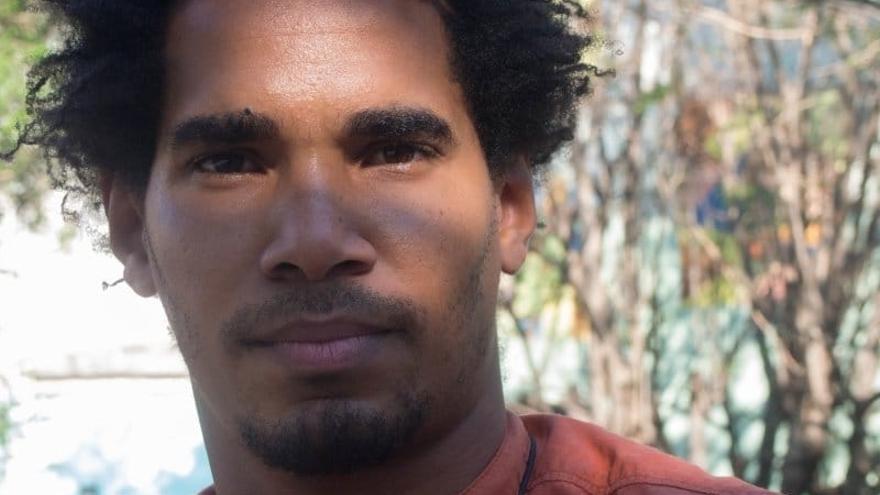
14ymedio bigger14ymedio, Havana, 18 March 2020 — The judicial processes against the artist Luis Manuel Otero Alcántara are still open and the pending trial for the alleged crimes of “insult to the national symbols” and “damages” can be held at any time, according to the artist’s lawyer who spoke on Tuesday.

“The lawyer looked for a document that legally certifies my release, but all they told him was that they released me because they wanted to, without an explanation. The trial is already in the provincial court, which means that it must be held, there’s no going back”, explained Otero Alcántara to 14ymedio.

The trial, according to the explanation obtained by the lawyer, has not yet been held “due to the economic conditions of the country” which right now “does not have the infrastructure to move everything necessary.” In addition, he indicated that the law provides for the suspension of procedures for “justified” causes. “It can be any time, he tells me that both cases are open and that the trial can be any day, in a month, in two months…” continue reading

Amnesty International declared the artist a prisoner of conscience last Friday and demanded his immediate release.

Otero Alcántara was arrested on March 1 as he left his home. The first trial, for “insult against the national symbols,” was scheduled for March 11, but he was released after spending several days in detention awaiting the oral hearing.

Twenty independent press media, artists, writers and journalists, intellectuals, even some from the official sphere, joined their voices in defense of his release and a campaign in his favor gathered more than 3,000 signatures.

Cuban Police and State Security detained several people during a protest by activists demanding justice for the artist. During the annual stock-taking of the cultural sector, Miguel Díaz-Canel urged a “battle from culture and history,” something that was interpreted by some officials as an invitation to launch a campaign on social networks against Otero Alcántara, although it hardly had any impact.

__________

COLLABORATE WITH OUR WORK: The 14ymedio team is committed to practicing serious journalism that reflects Cuba’s reality in all its depth. Thank you for joining us on this long journey. We invite you to continue supporting us by becoming a member of 14ymedio now. Together we can continue transforming journalism in Cuba.

Cuba’s State Telecommunications Company Silent Before the Pandemic

Etecsa has not proposed any price reductions to date, should people need to be confined at home as in other countries. (14ymedio)

14ymedio bigger14ymedio, Marcelo Hernández, Havana, 17 March 2020 — While the world implements social distancing measures and encourages teleworking to fight the spread of the coronavirus, none of this occurs in Cuba, where lack of connectivity prevents recourse to these measures that are proving effective against the spread of the epidemic elsewhere.

The support of telecommunications companies has been key in countries that have opted for people to work at home. On the other hand, on the Island this formula is practically non-existent and the high prices charged for the internet contribute to this situation.

“We do not have any [price] reduction scheduled at the moment,” an employee of the Etecsa office located on the ground floor of Havana’s Focsa building tells 14ymedio, a statement reiterated by several employees of the state telecommunications monopoly who answer the customer service numbers. Covid-19 is only alluded to on the company’s website to advertise a mobile application with information about the coronavirus. continue reading

Although the current situation on the Island is far from that experienced in Italy and Spain, the cases of infection in Cuba come from these countries. With them the Island shares a risk factor that affects the lethality of the disease, the high number of elderly people in the population.

In addition, also as in the two European States, a high percentage of the population makes a living in the service sector associated with tourism, which hinders the expansion of telework and threatens to leave many people without income, especially in the case of Cuba, where the Government lacks the financial wherewithal to borrow and offer aid.

Amazon Prime Video is another of the companies that has boosted its leisure time offerings and has made its content platform free in the areas most affected by the coronavirus in Italy. Lombardy, Piedmont, Venice and Emilia-Romagna have had access to series and movies on the streaming platform for days without having to register in advance for the company’s services. Nor is it necessary to pay the usual fee to sign up.

For its part, the Google Art Project, a partnership between the internet giant and more than 60 cultural institutions, has made available to users virtual tours of the most important museums in the world. From a mobile phone or a computer, those interested can visit these places as if they were physically on site.

“That requires a lot of megabytes and it is also audiovisual content that needs a stable and broadband connection, something that Etecsa does not manage to provide in many areas of the country,” says Mateo, a young computer engineer who is dedicated to installing applications for phones with the Android operating system. “Buying navigation packages for cell phones that could so something like this would be crazy and with the Nauta Hogar [Home internet] service it is complicated because it is not stable,” he points out.

In October of last year, official figures indicated that the Nauta Hogar service reached only 110,000 households within the Island. The price of 30 hours of navigation ranges between 15 and 70 CUC depending on speed, and beyond that users can continue browsing at a price of 0.50 CUC for each hour. A virtual visit to a museum, a movie on Netflix or watching a series on Amazon could easily cost a full day’s salary of a professional.

But through the mobile phone service, with more than 6 million subscribers across the country, it would be even more expensive. Packages of 6.5 gigabytes cost 35 CUC and 10 GB packages cost 45, figures equivalent to the monthly salary of an engineer. Both offerings are available only for the 4G network that is not yet deployed across the whole country.

At least once a month Etecsa posts a mobile balance recharge offer with an extra bonus, an option that is designed to be paid for by family or friends from abroad and bring fresh currency to the country. However, the extra bonuses that accompany the main balance cannot be used for navigation packages, only to talk on the phone and send text messages.

“Don’t even think that they are going to make an offer, if we have been crying out for internet prices [to drop] every day for months and they always have a justification for not doing it,” says Carlos Fernández, a young man who has participated on Twitter in the intense campaigns that have been carried out in the last year to try to influence the only telephone company authorized to operate in the country.

“What I fear is quite the opposite, that they take hold of all this coronavirus and cut off services so that people can’t share what is happening or report the cases of infected people they know,” he warns. “We must not forget that Etecsa is a company that does not work for the interests of its customers but rather for the interests of the Government. If the higher-ups want them to close up, they will do it  without batting an eye.”

In September of last year and when the energy crisis triggered alarms on the Island, the official media began to talk about telework. The practice is supported by the Labor Code, which went into force in June 2014, but many state companies do not try it because it demands, among other things, fluid connectivity between the employee and the center.

“They give me a number of free megabytes every month to use on my mobile,” a worker from an agency of the Ministry of Foreign Trade tells this newspaper anonymously. “Although I could do my job perfectly from home, I have to go to the office every day because those megabytes are not enough to do everything from a distance,” he regrets.

“Part of the megabytes they give me are for me to defend the Revolution in the networks, and the rest are for me to look for the data that I need for the reports, but if I tried to work from home I wouldn’t be able to connect for three days in a row,” she explains. “We have been told that we have to keep showing up for face-to-face work because the ministry does not have, at the moment, a way to guarantee teleworking.”

However, the employee fears for her health. “We are more than a dozen people breathing and moving in a closed room with air conditioning; if one has the coronavirus the others do not have any protection,” she adds. Among her hopes is that Etecsa will launch special offers in the coming days in the face of the pandemic: “It is at least what they can do with all the money they’ve earned.”

______________

COLLABORATE WITH OUR WORK: The 14ymedio team is committed to practicing serious journalism that reflects Cuba’s reality in all its depth. Thank you for joining us on this long journey. We invite you to continue supporting us by becoming a member of 14ymedio now. Together we can continue transforming journalism in Cuba.

Italian Tourist in Cuba Dies of Coronavirus and 10 Are Infected

The deceased had prior respiratory problems. (EFE)

14ymedio bigger14ymedio, Havana, 18 March 2020 — Health authorities confirmed the death of the first patient admitted to the hospital with coronavirus in Cuba. The deceased is a 61-year-old Italian who was in serious condition last night. In addition, three other people have tested positive for coronavirus on the Island making 10 already affected.

The Minister of Public Health, José Angel Portal Miranda, warned last night on the Roundtable program on TV, where the situation of the coronavirus in the country was discussed, that the Italian was in intensive care and his state was critical. The tourist was asthmatic, one of the groups most vulnerable groups to Covid-19.

“Despite the efforts made by the intensive care team that was directly treating him, as well as the group of experts from the Ministry of Public Health who followed him continuously, complications developed due to his illness causing his death. We deeply regret what happened and we convey to his family and friends our deepest condolences,” says the official note. continue reading

The death is joined by the update of the number of infected, which has increased by three cases this morning, now a total of 10. They are two Cubans and one American.

The youngest, age 25 and a resident of Santa Clara, had been in Spain until March 8. After presenting the first symptoms on the 14th, he went to his local clinic and was redirected to the Manuel Piti Fajardo Hospital, where he was admitted. Five of his contacts have been quarantined, all asymptomatic at the moment.

Another case of a Cuban in Santa Clara is that of a 67-year-old woman who arrived on March 11 from New Jersey and presented symptoms a day later. After going through her family doctor, she was referred to the hospital and five of her contacts were isolated.

The third case diagnosed today is that of a 77-year-old American citizen, who arrived on March 8 from California. His symptoms began on the 14th and were identified by the carrier and the guide of the tourist group with which he was in Trinidad, Sancti Spíritus province. In his case, he was transferred to the city’s international clinic and is now admitted to the Villa Clara Isolation Center. There are ten isolated and asymptomatic people from his environment.

These new cases are added to the two reported yesterday, a resident of Camagüey and a cruise ship worker; and another from Guanabacoa, whose daughter recently returned from Milan, one of the most affected cities in Italy.

The Minister of Health reported last night on the total numbers of those admitted for surveillance, at that time 389, 147 of them foreigners and 242 Cubans. In addition, also being monitored, but at home, are 24,853 people on the Island.

________________

COLLABORATE WITH OUR WORK: The 14ymedio team is committed to practicing serious journalism that reflects Cuba’s reality in all its depth. Thank you for joining us on this long journey. We invite you to continue supporting us by becoming a member of 14ymedio now. Together we can continue transforming journalism in Cuba.

Health Authorities Confirm Seventh Case of COVID-19 in Cuba

On national television Dr. Francisco Durán reported two new cases of COVID-19 in Cuba for a total of 7 positive cases. (Isla de la Juventud Health)

14ymedio bigger14ymedio, Havana, March 17, 2020 — Health authorities confirmed this Tuesday the seventh case that has tested positive for coronavirus in Cuba, as reported on the Roundtable TV show by Dr. Francisco Durán, national director of Epidemiology of the Ministry of Public Health.

“In that last 24 hours, there have been added two new cases of COVID-19, for a total of 7 positive cases of the virus,” warned the official, but without offering more details for the moment. Almost all of the contagions have in common that “they were via a contact” with someone infected arriving from abroad, he specified.

Durán justified the measures taken by the Cuban Government that do not at this time include the closing of the borders nor the suspension of classes in schools. “Quarantine is not justified in a general manner. Maybe at another time,” he explained. In place of that, “anyone arriving from the nine countries that we consider at risk with any respiratory symptom, is isolated in a health unit.” continue reading

“We cannot say that transmission exists. That will occur when we begin to find people with presence of the virus, with or without symptoms, who have not had any relation with one of the infected patients who arrived from abroad or with links to them,” added the doctor.

In face of the criticism that has grown in recent days over the delay in suspending classes, Durán insisted that “when there is no evident transmission and you close schools, it creates an extra tension and diminishes the immunological capacity. Cuba is attentive and it has been made public that a group of activities with large concentrations have been suspended.”

On Monday the fifth positive case of coronavirus was reported, in a Cuban citizen living in Havana who had recently returned from a trip in Galicia, Spain.

Regarding the first three cases of Italian tourists confirmed in the country, the Ministry specified that one of them, a 61-year-old whose state worsened on Sunday, is currently reported in a “critical” state and with artificial ventilation.

For their part, local media in Matanza stated that in the province there have been 46 suspected cases of coronavirus reported. Of those 24 are foreigners and 22 Cubans. “After carrying out the appropriate tests to detect the presence of COVID-19, 19 people have had negative results,” detailed a report.

All of the suspected cases are in isolation, specifies the note. “The foreigners are at the Hotel Club Karey, Kawama, Varadero equipped for this possibility. For their part, the Cubans are under observation at the Mario Muñoz Military Hospital in the city.”

On the Roundtable show, the Director of the Central Unit of Medical Cooperation, Jorge Delgado Bustillo, assured that up to this point no Cuban worker abroad has been infected with COVID-19. The Island has 28,760 doctors and specialists abroad and in 34 countries where the disease is present there are 25,900 medical personnel working.

Translated by: Sheilagh Herrera

____________________

COLLABORATE WITH OUR WORK: The 14ymedio team is committed to practicing serious journalism that reflects Cuba’s reality in all its depth. Thank you for joining us on this long journey. We invite you to continue supporting us by becoming a member of 14ymedio now. Together we can continue transforming journalism in Cuba.

Cuban News and False Normality

People in Cuba continue to crowd together without a sufficient distance between them. (14ymedio)

14ymedio bigger14ymedio, Yoani Sanchez, Generation Y, Havana, 17 March 2020 — Every day I have to make an effort to watch the official Cuban official. My work as a journalist obliges me to tune in to those news programs because in a country marked by vertical control of the news, there are data and statements that are only published on those television or radio stations. Although I always muster a special patience to sit before the screen, I must confess that these days the drink is getting much more bitter.

NTV, in the evening primetime hours, is broadcasting some dangerous hoaxes about the coronavirus, turning the pandemic into an ideological battle, using the calamity to compete politically, and denying the mistakes of the “fellow comrades” while minimizing or falsifying the successes of democratic countries before the advance of Covid-19. Thus, it disseminates statements from officials more concerned with appearing normal than with protecting the population. Everything Venezuela’s Maduro and Nicaragua’s Ortega do in the face of the pandemic is an example to follow, while Germany’s Merkel or France’s Macron seem to be literally sinking their countries, according to this crude news script.

The newscast speaking of the interior of Cuba tells us that everything is “tranquility and discipline” and in its reports and headlines chauvinism reaches unbearable heights with a mix of recklessness, arrogance, absolute lack of humility and folly. The responsibility for the damage this disease causes in an unsuspecting Cuba – where the borders have not yet closed, classes are not canceled, work days are not suspended, offices are not closed, and there is no strong call for people to stay at home – will fall on the official news media and its public “information.”

_______________

COLLABORATE WITH OUR WORK: The 14ymedio team is committed to practicing serious journalism that reflects Cuba’s reality in all its depth. Thank you for joining us on this long journey. We invite you to continue supporting us by becoming a member of 14ymedio now. Together we can continue transforming journalism in Cuba.