In July, the monthly CPI rose 2.56%, the cumulative figure since January reached 15.12%, and the year-on-year rate stood at 20.70%

14ymedio, 19 August 2026, Madrid / For another month, official data – far more benevolent than independent estimates, such as those of economist Steve Hanke – once again confirm what ordinary Cubans see for themselves every day: inflation shows no let-up. According to the most recent report from the National Statistics and Information Office (Onei), the consumer price index (CPI) rose 2.56% in July compared with the previous month.
The cumulative increase in prices reached 15.12% since January, while the year-on-year variation stood at 20.70%, well above the figure recorded for the same period the previous year (14.37%). Hanke, for his part, in a chart published this same Tuesday, places the island among the countries with the highest inflation in the world, with a year-on-year rate of 67%, behind only Venezuela, Iran, North Korea, and Sudan.
As the main factor behind the rise (accounting for 63.18% of the total) are, once again, food and non-alcoholic beverages. These grew 3.51% during the month, above the overall average. Their weight in the consumer basket means that this increase has a far greater impact than that of other categories, whose prices rose even faster, such as alcoholic beverages and tobacco (which rose 6.07%) and, to a lesser extent, restaurants and hotels (3.68%).
The data presented this Wednesday by Onei do not yet reflect the new measures implemented by provincial governments in an attempt to halt inflation
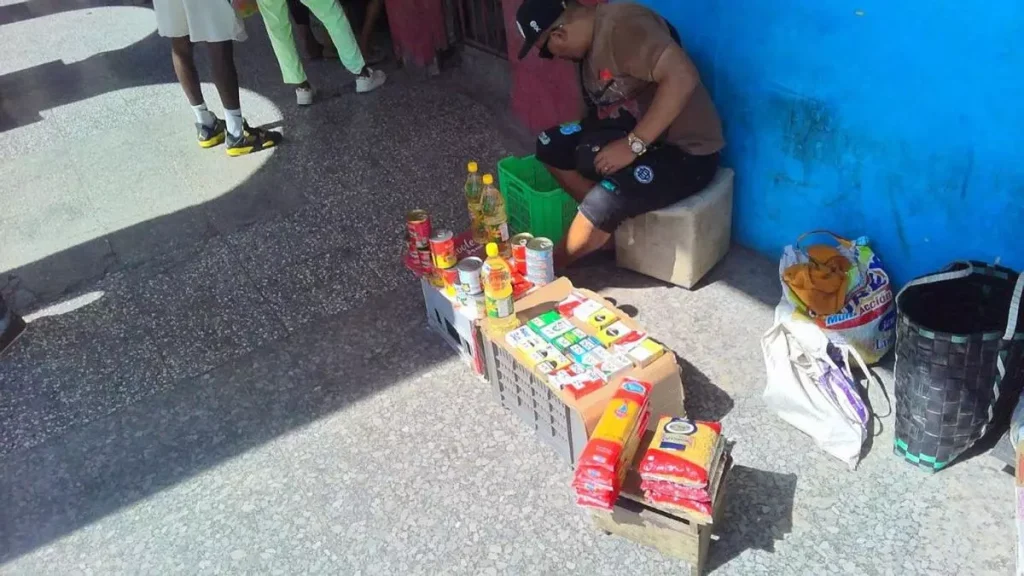
Among food items, the highest costs go to bottled oil, which has officially ranged from 1,400 pesos per litre (the lowest price recorded, in Pinar del Río) to nearly 2,800 (in Havana). Next comes powdered milk, at between 900 and 1,500 pesos per pound.
Transport recorded a monthly increase of 1.05% and contributed 4.06% to the rise, while miscellaneous goods and services rose 2.33%, with an effect of 4.86%. Furniture and household goods rose 2.22% and contributed 2.10% to the overall increase.
The remaining categories had a smaller impact. Housing services rose 1.60%, with an effect of 1.32%; clothing and footwear rose 1.30%, with an effect of 0.97%; and recreation and culture rose 0.80%, with an effect of 0.50%. Communications barely changed, at 0.08%, while health prices fell 0.01%.
The data presented this Wednesday by Onei do not yet reflect the new measures implemented by provincial governments in an attempt to halt inflation, which consist basically of price caps, controls on commercial profits, inspections, and fines. The result of the new regulations, however, is already becoming visible on the streets: lost products, an exponential rise in food prices on the informal market and, above all, closed businesses.
Translated by GH
______________________
COLLABORATE WITH OUR WORK: The 14ymedio team is committed to practicing serious journalism that reflects Cuba’s reality in all its depth. Thank you for joining us on this long journey. We invite you to continue supporting us by becoming a member of 14ymedio now. Together we can continue transforming journalism in Cuba.