There is no official data on the results of this program implemented in the provinces of Mayabeque, Artemisa, and Villa Clara.
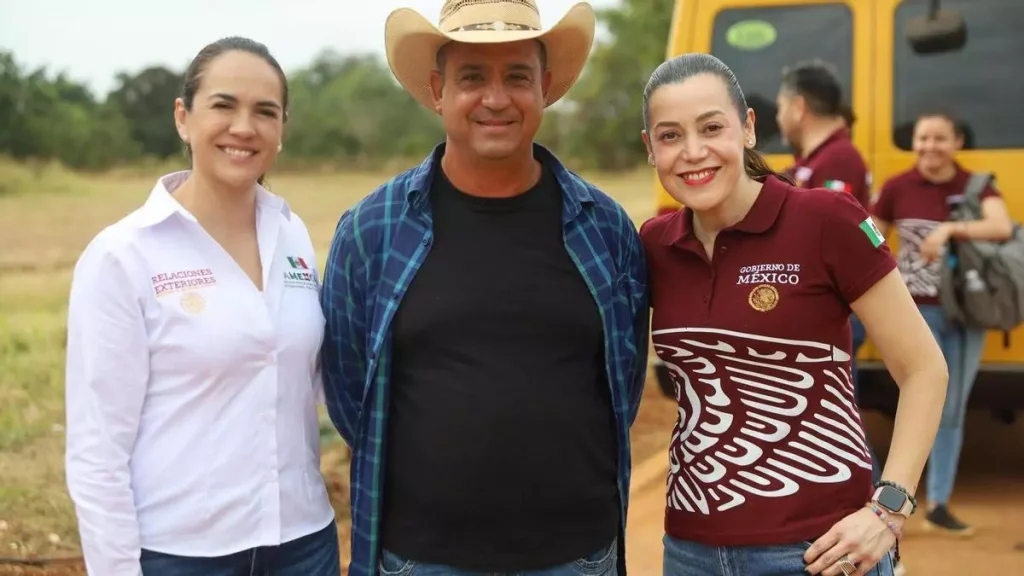
 14ymedio, Havana, April 5, 2026 – Mexico disbursed another 588,000,000 pesos ($32,889,565) for the Sembrando Vida [Sow Life] program in Cuba, announced on the Island in 2022. It claims to have benefited 5,000 farmers through the delivery of seeds and farming equipment, as well as technical support. However, no official data has been published on production in the provinces of Mayabeque, Artemisa, and Villa Clara, where the project was carried out.
Despite this, the second phase of the program insists that “the objective is to promote food self-sufficiency and job creation in rural areas of the Island, using a resource donation scheme under the Mexico Fund trust,” according to the government of Claudia Sheinbaum.
In the same document, the payment of 1,479,600 pesos to the company Dragon Charge is confirmed, a member of the support committees that evaluated the project in Cuba.
According to the Mexican government, “69% of the beneficiaries in Cuba report that their monthly income increased compared to what they had before entering the project,” but there are no documents to certify this.
Claudia Sheinbaum’s administration specified that in 2025, 21,000 people in Central America and the Caribbean benefited. In addition, 150 scholarships were awarded to foreigners from 180 countries called by the Mexican Agency for International Development Cooperation (Amexcid).
The document does not specify who will receive the funds nor how many farmers and agricultural areas will benefit. The Island is going through a widespread crisis, and the countryside has been particularly hard hit. In December of last year, the agricultural director of the Fernando Echenique Agroindustrial Company, Odisnel Traba Ferrales, denounced the lack of the kit that the State previously distributed to producers, which included imported fertilizers, herbicides, and pesticides, which are essential for certain crops: in this case, rice.
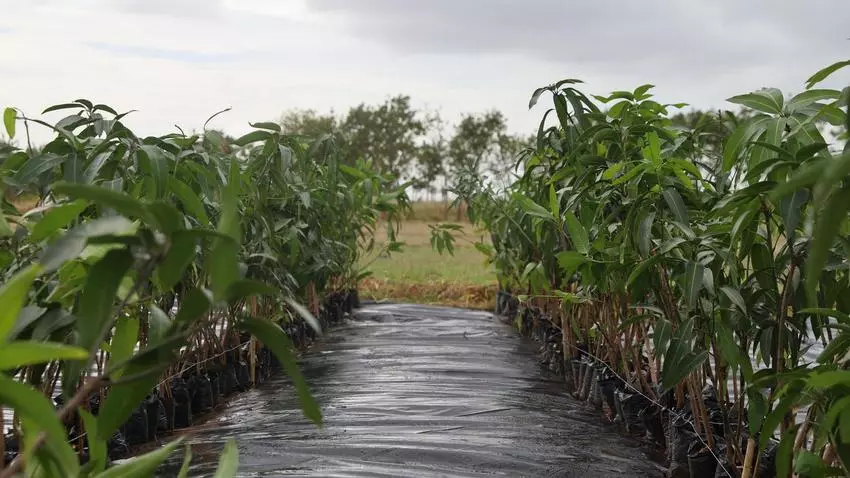
The province of Granma, once among the elite rice-producing regions, plans to plant 41,000 hectares of this cereal, out of the 200,000 planned nationwide, but the data does not inspire optimism, as the same official cast doubt on this goal.
Since its inception, the Sembrando Vida project, to which Mexico initially allocated $63.5 million to implement it in El Salvador, Honduras, Guatemala, Haiti, Belize, and Cuba, has faced criticism. According to the information platform Connectas, it shows “the discretionary expulsion of beneficiaries, a lack of transparency in the management of farmers’ savings, and delays in investigations reporting its mismanagement.”
The launch of the first phase on the Island took place in July 2023. A group of farmers received a package with scissors and boots. Felicia Mesa Pérez, one of the beneficiaries, said they were also offered “machinery, chemicals, and grain and vegetable seeds,” without specifying dates.
In December of that same year, the project donated half a dozen tractors to Cuba and inaugurated two nurseries for fruit and timber trees in the municipalities of Artemisa and Mayabeque. The project focused on curbing irregular migration through the implementation of social programs in the Northern Triangle of Central America, made up of Guatemala, Honduras, El Salvador, Cuba, and Belize.
Translated by Regina Anavy
______________________
COLLABORATE WITH OUR WORK: The 14ymedio team is committed to practicing serious journalism that reflects Cuba’s reality in all its depth. Thank you for joining us on this long journey. We invite you to continue supporting us by becoming a member of 14ymedio now. Together we can continue transforming journalism in Cuba.