In 2024, billed consumption was 13,985 GWh, a value close to what was produced, which makes the energy debacle even more incomprehensible.
 14ymedio, Havana, May 31, 2025 — The Cuban energy debacle in the last four years fits into the 16-page report published this Friday by the National Bureau of Statistics and Information (ONEI). Among the “selected indicators” of the crisis, the fall of 25% of the national electricity generation in that period stands out, a decisive factor in the season of endless blackouts in which Cubans have been immersed for months.
In 2024, the generation of electricity in Cuba was only 14,334 gigawatt hours (GWh), a radical drop compared to what was generated in 2020, about 19,070 GWh. Of the annual total, most is produced by utilities -13,921 GWh last year- and a small percentage of only 284 GWh, which the ONEI calls self-producers – that is, non-State companies and other “independent” generators.
The other side of the coin is the invoiced consumption, whose total in 2024 was 13,985 GWh, a value close to what occurred, which makes the energy debacle even more incomprehensible. However, ONEI clarifies that the total consumption – including what is not invoiced by the Electric Company – reached 15,047 GWh.
Most of it is produced by utilities -13,921 GWh last year- and a small percentage, of only 284 GWh, by autoproducers
As was to be expected, invoiced consumption is concentrated around the country’s major cities. A significant 3,742 GWh of consumption corresponds to Havana, a figure that is not even close to Santiago de Cuba, with only 836.9 GWh.
However, Holguín (with a consumption of 1,188.4 GWh), Matanzas (1,131) and Villa Clara (1,016) are the provinces that consume the most electricity. For the remaining provinces, led by Camagüey as the largest consumer and Isla de la Juventud as the smallest (with 115 GWh), consumption is between 300 and 700 GWh.
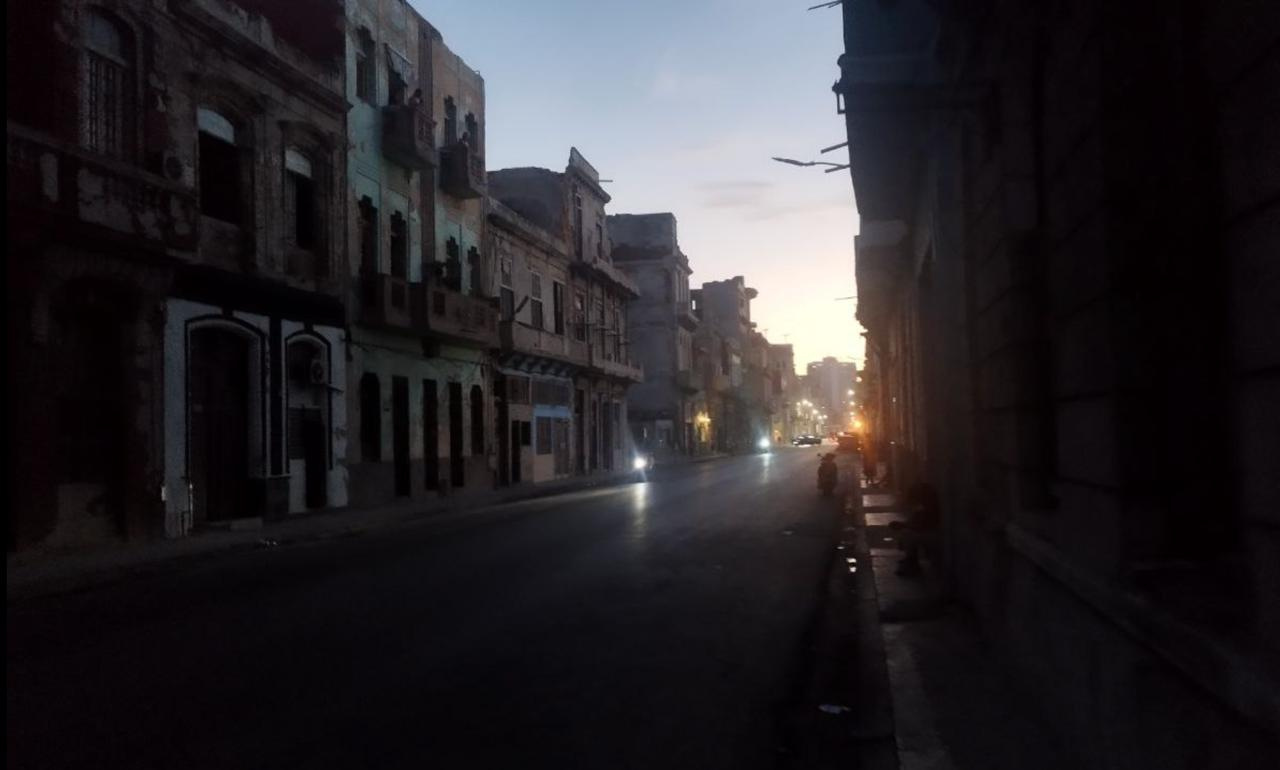
In the whole country, it is the private sector that consumed most in 2024, with 9,414 GWh – 8,843 of them by the residential sector- while the state consumed 4,570 GWh, of which just 170 went to the deteriorated public lighting system. Considering the ridiculous number, even with stable electricity, the streets of the island would be dark.
ONEI reports that the mobile generation from the floating power plants contracted to the Turkish company Karpowership, one of which could be about to leave the island if it is confirmed that the OK cargo ship has arrived in Havana to take the Suheyla Sultan away, in 2024 provided 3,647 GWh, 19% less than the previous year, 4,493 GWh.
The report devotes an important portion to distributed generation, whose production has also fallen significantly since 2021 – when it produced more than 5,900 GWh – up to 2024, with only 2,095, between generators operating on fuel oil and those operating on diesel.
With daily blackouts of around 18 hours in most of the country, Cuba has nothing to brag about in terms of energy
With daily blackouts of around 18 hours in most of the country, Cuba has nothing to brag about in terms of energy. Miguel Díaz-Canel dedicated a chapter of his podcast, From the Presidency, to comment on the situation, without daring to hope for any improvement except a “secret” plan with Venezuela to import more oil.
The president summed up the energy problem in the very high demand of the island and its contrast with the little fuel available. ONEI’s report this Friday refutes another of Díaz-Canel’s arguments: that the blackouts are due to the excessive consumption of Cubans. With its main energy fronts in crisis, the idea of a country without blackouts is further away as the summer consolidates, a season that brings as many power cuts as excuses from leaders.
Translated by Regina Anavy
____________
COLLABORATE WITH OUR WORK: The 14ymedio team is committed to practicing serious journalism that reflects Cuba’s reality in all its depth. Thank you for joining us on this long journey. We invite you to continue supporting us by becoming a member of 14ymedio now. Together we can continue transforming journalism in Cuba.