Human Rights Council calls for end to repression following protests
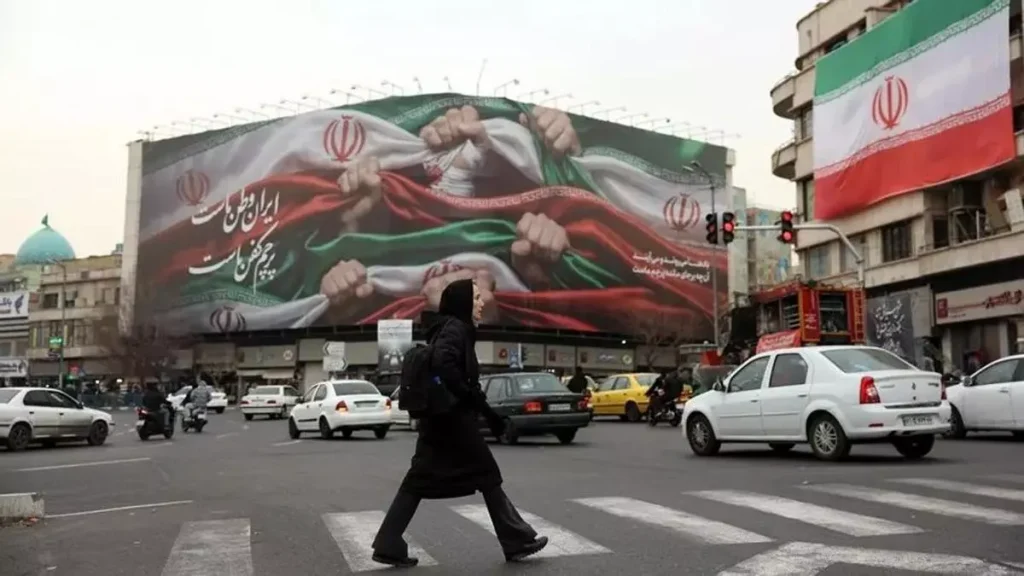
 EFE/14ymedio, Geneva, 24 January 2025 — The UN Human Rights Council on Friday approved a resolution demanding that Iran end extrajudicial executions, enforced disappearances, torture and other abuses committed against peaceful protesters. In the vote, Cuba aligned itself with the regimes that rejected the text, a position that once again places Havana on the side of states accused of covering up or minimising serious human rights violations.
The resolution was adopted after a special session held in Geneva to discuss the repression unleashed in Iran since late December. The document “deeply deplores” the human rights situation in Iran, where the state’s response to peaceful protests “has resulted in the deaths of thousands of people, including children, and a large number of injuries,” according to the approved text.
The Council also urges the Iranian authorities to ensure that no one is sentenced to death or executed for crimes that do not reach “the threshold of the most serious,” and explicitly prohibits the imposition of capital punishment for acts committed before the age of 18. The resolution also stresses the need for all criminal sentences to be handed down by “competent, independent and impartial” courts, a requirement that clashes with repeated allegations of summary trials and proceedings without guarantees.
As part of the measures, the Council extended the mandate of the Independent International Fact-Finding Mission on Iran for two years, requesting an urgent investigation into abuses committed during recent protests, including the executions of demonstrators and the systematic repression of dissent.
Only seven countries voted against: Cuba, China, India, Indonesia, Iraq, Pakistan and Vietnam.
The text was approved with 25 votes in favour from the 47 members of the Council, including Bolivia, Chile, Colombia, the Dominican Republic, Ecuador, France, Italy, Japan, Mexico, the Netherlands, Spain and the United Kingdom.
Only seven countries voted against it: Cuba, China, India, Indonesia, Iraq, Pakistan and Vietnam.
The vote came after more than three hours of debate in a body from which the United States and Israel withdrew last year.
Havana’s vote reignited criticism from organisations and activists who question the legitimacy of a state with a sustained history of internal repression holding a seat on the Council. Several NGOs point out that Cuba does not allow peaceful demonstrations, criminalises dissent, imprisons opponents for political reasons and lacks independent courts.
For these groups, the presence of governments that systematically violate the fundamental rights of their citizens not only erodes the credibility of the Council, but also turns its debates into an exercise in double standards where perpetrators judge and acquit other perpetrators.
Translated by GH
____________
COLLABORATE WITH OUR WORK: The 14ymedio team is committed to practicing serious journalism that reflects Cuba’s reality in all its depth. Thank you for joining us on this long journey. We invite you to continue supporting us by becoming a member of 14ymedio now. Together we can continue transforming journalism in Cuba.