“Paladares” and cafés in the historic center remain closed this Saturday or offer only drinks and bread.
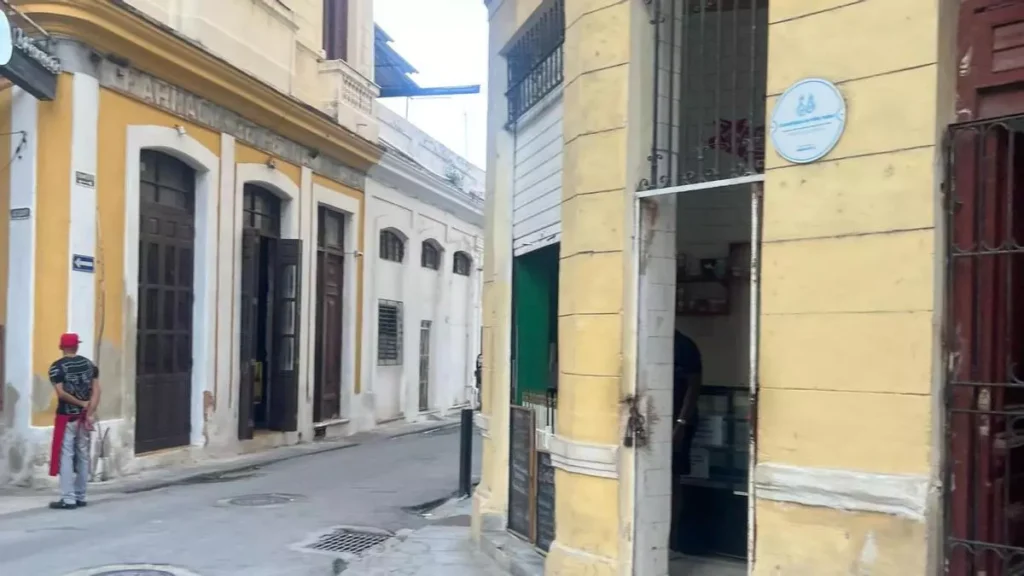
 14ymedio, Darío Hernández, Havana, November 14, 2026 – Finding a place to have lunch in the historic center of the Cuban capital has become another obstacle course. In addition to the increasingly frequent blackouts in an area that for years enjoyed the advantages of underground electrical circuits, because it is a heritage and tourist district, this Saturday there is also a shortage of manufactured gas, whose supply has suffered new interruptions since the previous day.
According to 14ymedio’s observations, numerous restaurants and cafés had their stoves turned off. Some were selling only drinks or sandwiches, while many others had not even opened.
In addition to the increasingly frequent blackouts in an area that for years enjoyed the advantages of underground electrical circuits, this Saturday there is also a shortage of manufactured gas.
In the picturesque Peluqueros Alley, businesses kept their doors open, although their kitchens were missing an essential ingredient: gas. The shortage was hampering service at establishments in the area, located on Aguiar Street, between Peña Pobre and Avenida de las Misiones, in the Santo Ángel neighborhood, as well as at other nearby businesses.
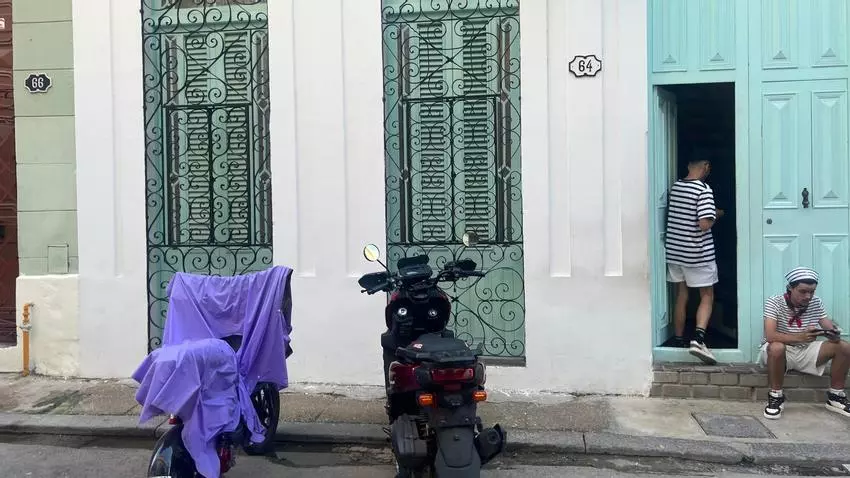
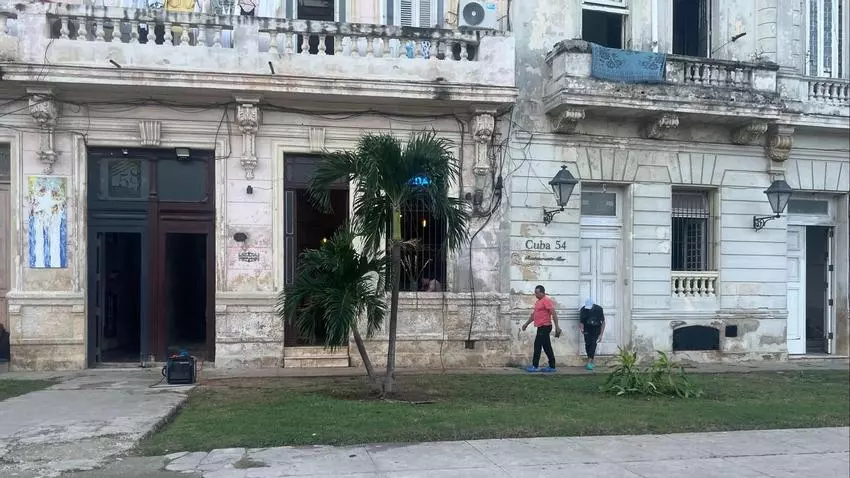
Among those affected were Paladar La Lore, Café Fortuna Joe, and the Cuba 54 restaurant, which traditionally offer a diverse menu that includes Cuban and international food.
The search for a hot lunch was also unsuccessful just a few blocks away. El Ateneo, on Prado, between Refugio and Genios, was without gas or electricity. Farther south, the always-crowded Venamí pizzeria on Avenida Bélgica, between Lamparilla and Teniente Rey, remained closed.
The Manufactured Gas Company reported this Friday a reduction in natural gas deliveries to its production plants. The reduction caused low pressure and partial or total disruptions in different areas of the distribution networks. The statement, released by the Havana government, did not identify the affected municipalities or specify when service would be restored.
Having been accustomed for years to a more stable electricity supply than other neighborhoods, many businesses in Old Havana and Central Havana had not needed to invest in generators, batteries, or other alternatives to keep their services running during blackouts. Now, with power cuts becoming increasingly frequent, this lack of preparation has become an additional problem.
Installing solar panels is also not easy in these neighborhoods. The deterioration of buildings and the characteristics of their roofs and rooftops complicate a solution that may be more accessible in other parts of the city.
Installing solar panels is also not easy in these neighborhoods. The age of the buildings, the deterioration of many properties, and the characteristics of their roofs and rooftops complicate a solution that may be more accessible in other parts of the city. But while blackouts can be overcome with alternatives of one’s own, the lack of gas is more difficult to resolve because it depends on the restoration of supply through the distribution network.
Even the underground network is no longer immune to breakdowns. Last August 29, eight circuits in Old Havana were left without service. A month earlier, residents of the municipality had warned that frequent blackouts could cause further damage to the installations. The infrastructure was already showing signs of deterioration more than a decade ago: in September 2015, 14ymedio reported a breakdown that affected 23 city blocks in Central Havana and required repairs to a century-old network.
The electricity crisis itself has contributed to worsening the difficulties with gas. In October, the Manufactured Gas Company explained that the shutdown of the Antonio Guiteras and Ernesto Guevara thermoelectric plants had forced it to use more natural gas to sustain electricity generation at the Energas power stations, reducing the raw material available to the production plants in Havana and Marianao.
As early as August, a breakdown at the Canasí collection center had affected seven municipalities in the capital, including Old Havana and Central Havana. At food establishments in El Vedado, images very similar to those now spreading throughout Old Havana were seen at the time.
Translated by Regina Anavy
______________________
COLLABORATE WITH OUR WORK: The 14ymedio team is committed to practicing serious journalism that reflects Cuba’s reality in all its depth. Thank you for joining us on this long journey. We invite you to continue supporting us by becoming a member of 14ymedio now. Together we can continue transforming journalism in Cuba.