Amid increasingly expensive merchandise, impoverished customers, and price caps, many private businesses are operating on razor-thin margins or surviving thanks to remittances.
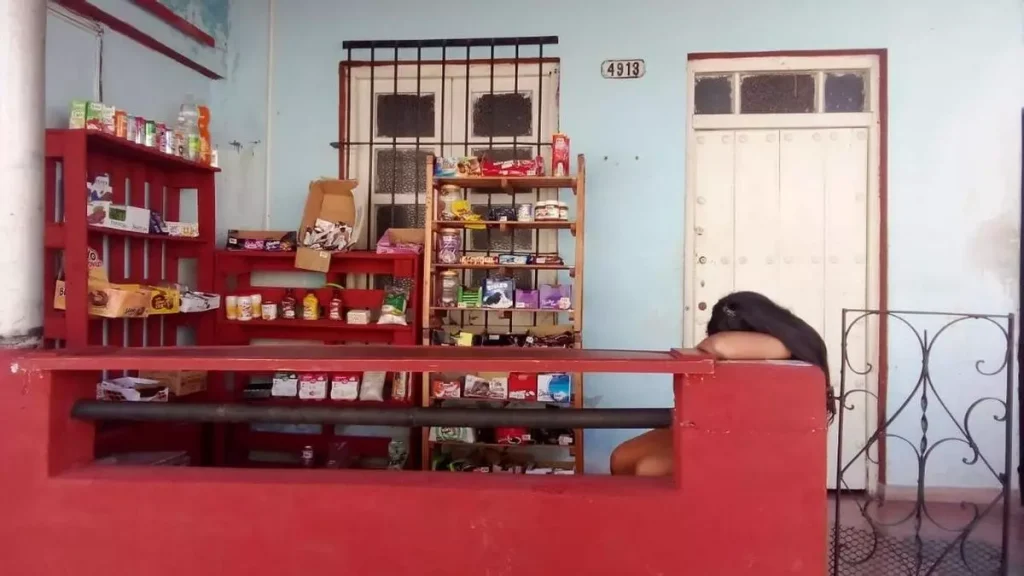
 14ymedio, Julio César Contreras, Matanzas, August 16, 2026 — When the armchairs disappeared from the porch and Milagros replaced them with two wooden shelves, she thought she had found a way to shore up the family finances without leaving home. In Pueblo Nuevo, Matanzas, where the steady flow of neighbors ensures constant attention to any storefront, she began with sweets, cleaning products, and some basic goods. Seven years later, the shelves are still there, but the initial optimism has shrunk almost at the same rate as her customers’ purchases.
“My sister, who lives abroad, gave me an initial contribution of $200, which in 2019 was enough to open a small business,” she recalls. Now, after years behind the counter, Milagros is torn between continuing and temporarily closing. “For quite some time now, I’ve barely managed to recover what I invested in buying merchandise.”
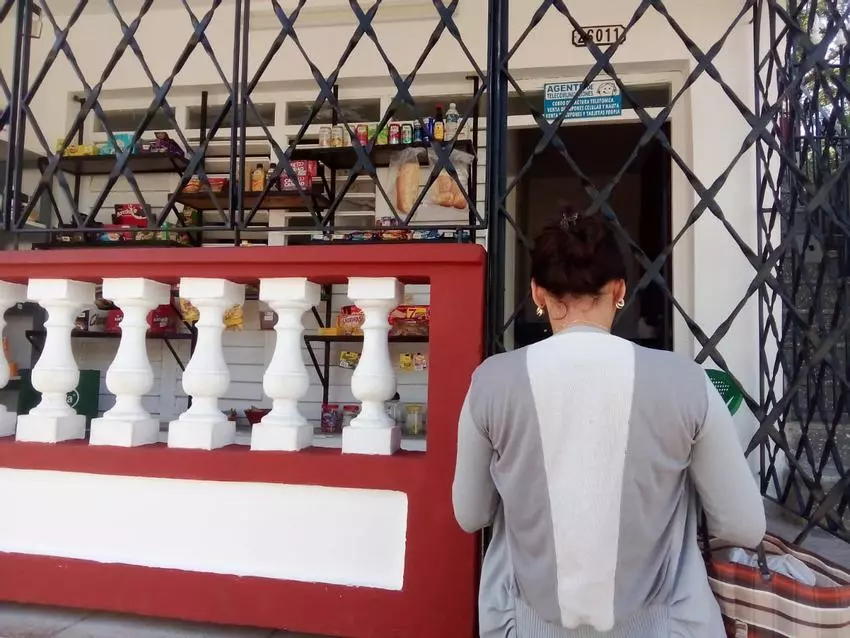
The scene is repeated throughout Matanzas. Porches converted into cafés, garages transformed into shops, and windows protected by bars that serve as counters display soft drinks, packages of cookies, canned goods, and jars of mayonnaise. The merchandise is there, but customers arrive only in dribs and drabs. Some ask about prices and walk away; others buy just one thing.
Milagros explains the arithmetic that is suffocating her. “The prices of all products in the MSMEs that import goods are constantly rising. A package of spaghetti, for example, now costs me 100 pesos more than it did last month, which means 50 pesos less in profit.” On top of that, there is an increasingly impoverished customer base. “People are buying the bare essentials to survive. Before buying cookies, parents have to put at least a boiled egg on their children’s plates.”
The recent pricing policy has added another dose of uncertainty. In June, the Government eliminated the nationwide price caps that had been imposed since 2024 on five imported food products, including chicken and cooking oil, after admitting that the measure had failed to contain inflation and had contributed to shortages. However, in Matanzas, authorities have once again tightened the screws on small businesses and reintroduced maximum prices. Local inspections have also multiplied, with threats of fines of up to 60,000 pesos and even closure for those who refuse electronic payments. The offensive has gone so far as to introduce a slogan for inspectors: “Territorial inspection, a weapon of the Revolution!”
For merchants like Milagros, every new regulation ultimately collides with an elementary reality: authorities can limit her selling price, but no one guarantees how much she will be able to pay for merchandise tomorrow. Sales at her small business, even with inflation, are “well below 5,000 pesos a day,” less than eight dollars. After the pandemic, she had to let go of the employee she had hired. “The good thing is that since I’m at home, I don’t have to pay rent.”

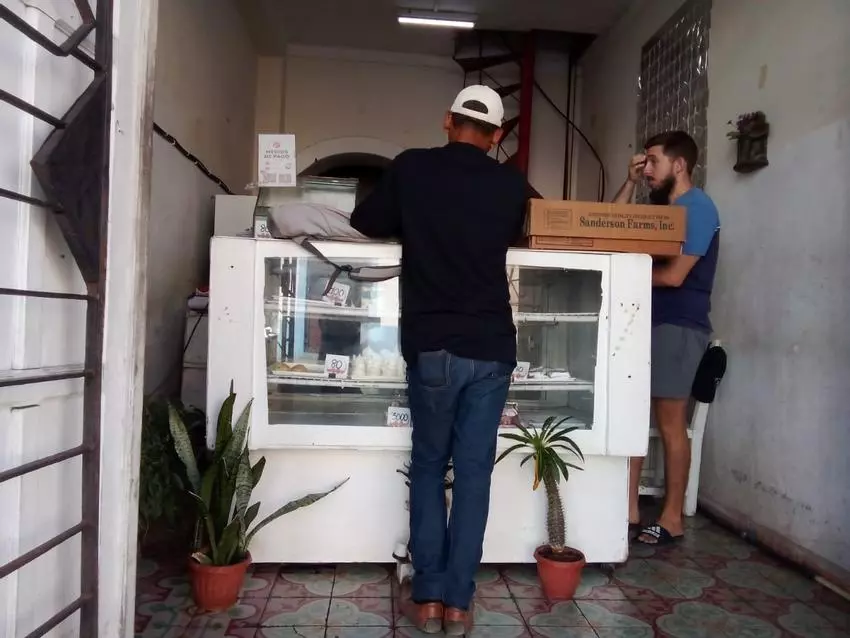
A few streets away, Mariano knows that other expense well. He is 71 and has been selling merchandise since the days when “street hustler” was a phrase uttered with official disdain. “I’ve never had as much trouble as I do now getting merchandise,” he says.
In his shop, some products seem to be waiting indefinitely for a buyer. Mariano tries to lower prices until they are barely above the minimum profit, but he knows that food is what sells best. He has considered taking advantage of a good refrigerator to sell meat products and eggs, although the power outages turn any investment in refrigeration into a dangerous gamble. “I’ve thought a lot about how to get out of this situation, and the truth is that the dominoes are closed.”
For the past three months, Mariano has been paying his employee with part of the money his son sends him from the United States. The business, conceived to generate income, now survives thanks to a remittance. The garage rental alone costs him 30,000 pesos a month. Perfumes, deodorants, and other items remain stuck on the shelves, capital tied up in goods that cannot be converted back into cash.
“If it weren’t for the fact that my pension isn’t enough even to get through a week, I would sell whatever is left, including the display cases, and go home to rest,” he confesses.
In the doorways of Pueblo Nuevo, improvised counters can still be found behind balustrades and bars. There are cans carefully lined up, bread hanging in transparent bags, and small signs for electronic payments, which are often there simply to satisfy inspectors. What is scarce is the customer capable of sustaining this network of tiny businesses.
Milagros looks at her shelves and thinks about the additional assistance her sister wanted to send her to relaunch the business. She chose to stop her. “With things as bad as they are, it’s better not to start making purchases that end up sitting unsold.”
Mariano sums it up in fewer words, with no entrepreneurial hope left: “This isn’t about a bad spell, nor is it that the location isn’t good for that type of sales. What’s happening is that Cubans are hitting rock bottom.”
Translated by Regina Anavy
______________________
COLLABORATE WITH OUR WORK: The 14ymedio team is committed to practicing serious journalism that reflects Cuba’s reality in all its depth. Thank you for joining us on this long journey. We invite you to continue supporting us by becoming a member of 14ymedio now. Together we can continue transforming journalism in Cuba.