The Cuban Observatory for Human Rights documented 356 repressive actions in July, including 109 blockades of homes.
 14ymedio, Havana, August 5, 2026 / The 14ymedio newsroom woke up this Wednesday under the surveillance of State Security, which deployed an operation in the lower levels of the building where the newspaper operates, in Havana’s Nuevo Vedado district, to prevent the departure of its director, Yoani Sánchez, and the journalist Reinaldo Escobar.
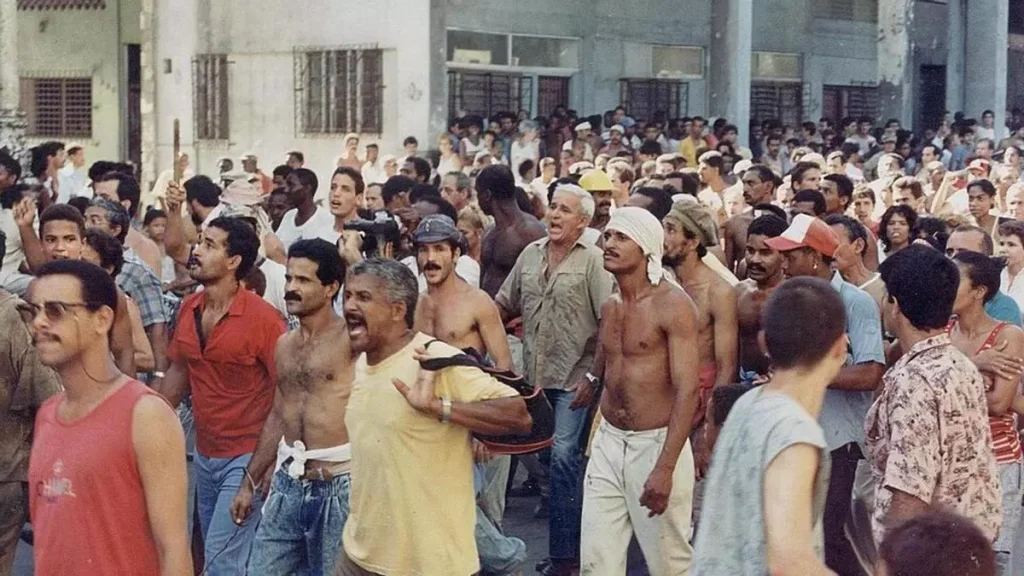
The date coincides with the 32nd anniversary of the Maleconazo, the popular protest that shook Havana in 1994 and ended with hundreds of arrests and the subsequent opening of the so-called Balseros [Rafter] Crisis.
Independent journalist Camila Acosta also confirmed to this newspaper that she was under surveillance. Contacted at midday on Wednesday, she said she had just noticed the presence of agents in the vicinity of her home. “Yes, I just found out,” she replied. “Anniversary of the Maleconazo, right?” she added, linking the deployment to the anniversary.
This is not the first time this year that State Security has prevented Sánchez, Escobar, and Acosta from leaving their homes. The three were subjected to similar operations on 20th of May, the anniversary of the founding of the Republic, and on the 11th of July, the fifth anniversary of the largest anti-government protests on the island since 1959.
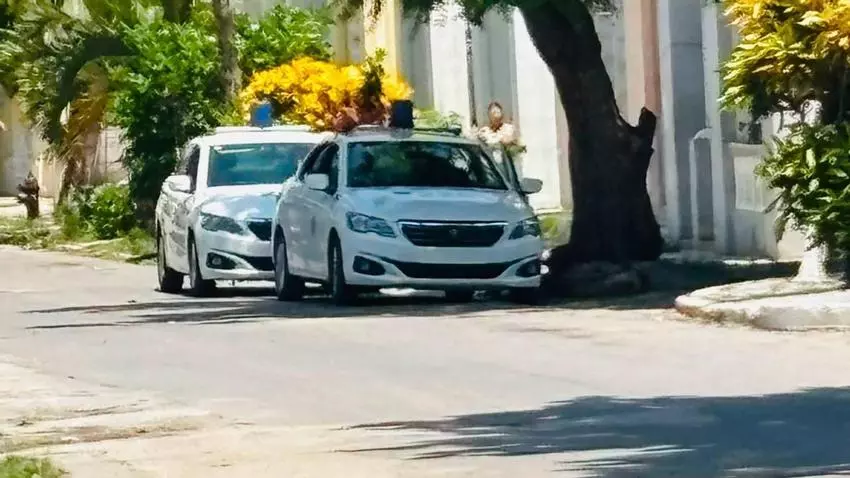
The political police’s calendar has become filled with “dangerous” dates. May 20, July 11, August 5, and December 10, International Human Rights Day, are often accompanied by house raids, summonses, threats, internet outages, and preventive detentions of journalists, opposition members, and activists. Surveillance is also intensified during official holidays, international summits, visits by heads of state, and diplomatic activities organized by the U.S. Embassy.
Official concern increases, especially during the summer. High temperatures amplify the impact of power outages, water shortages, and food scarcity, while families spend entire nights unable to sleep, preserve food, or protect themselves from mosquitoes. Under these conditions, a power failure or a prolonged interruption of supply can quickly escalate into a pot-banging protest, a street blockade, or a mass demonstration.
This was the context for numerous demonstrations recorded during the month of July. A significant portion of the arrests documented by human rights organizations were related to peaceful protests sparked by prolonged power outages, water shortages, and deteriorating living conditions.
“The social climate is unbearable: on the one hand, blackouts, hunger and lack of medicine; on the other, the excessive police presence to repress and control.”
The Cuban Observatory for Human Rights (OCDH) reported on Wednesday that at least 356 repressive actions were recorded in the country last month. Of these, 54 were arrests and 302 corresponded to other abuses, including interruptions of communications, harassment, threats, and police summonses.
The most widespread method was surveillance of residences, with 109 cases. The report mentions among those monitored in July Sánchez, Escobar, and Acosta, as well as journalists Henry Constantin, Vladimir Turró, Yunia Figueredo, Ángel Santiesteban, and Boris González Arenas.
Opposition members Óscar Elías Biscet, Manuel Cuesta Morúa, Berta Soler, Ángel Moya, and María Cristina Labrada were also surrounded, along with relatives of political prisoners from the July 11th uprising, religious leaders, and human rights defenders. Havana, Santiago de Cuba, and Camagüey saw the highest concentration of repressive actions.
According to the OCDH, these operations sought to prevent the participation of members of civil society in public activities, commemorations of the fifth anniversary of the 11th of July attacks, and other events considered sensitive by the authorities. The Madrid-based organization also noted an increased presence of police and special forces on the streets, primarily in provincial capitals.
“The social climate is unbearable: on the one hand, blackouts, hunger and lack of medicine; on the other, the excessive police presence to repress and control,” summarized Yaxys Cires, strategy director of the Observatory.
______________________
COLLABORATE WITH OUR WORK: The 14ymedio team is committed to practicing serious journalism that reflects Cuba’s reality in all its depth. Thank you for joining us on this long journey. We invite you to continue supporting us by becoming a member of 14ymedio now. Together we can continue transforming journalism in Cuba.