The KMCERO platform appears to be a private small business, but it uses the logistics of the state company Cupet
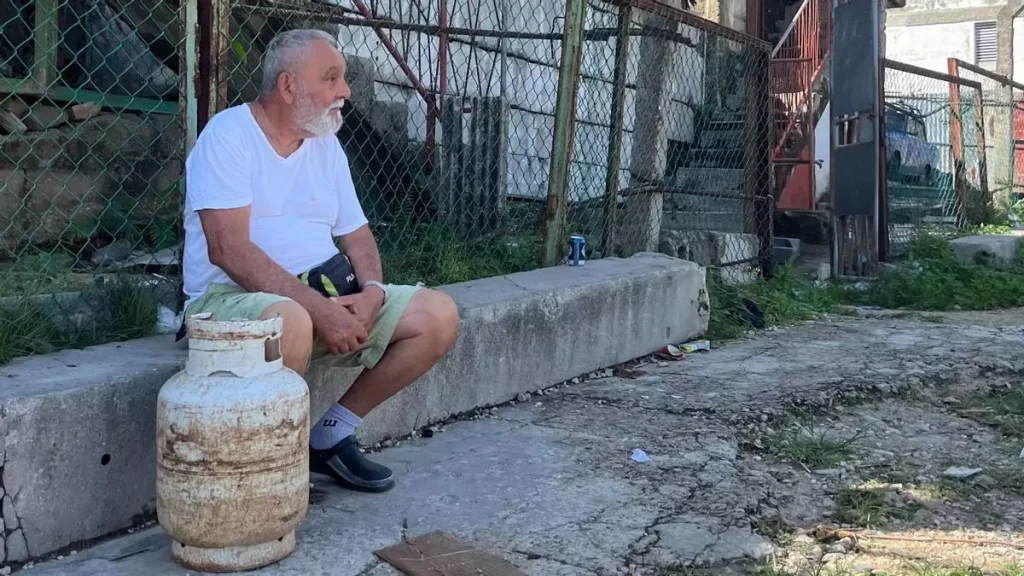
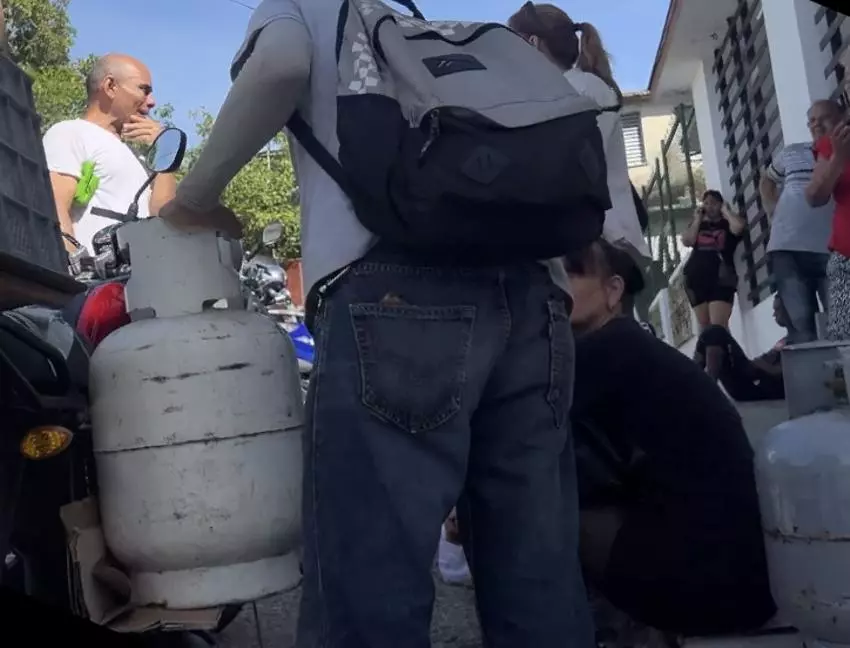
 14ymedio, Havana, Darío Hernández, May 27, 2026 – “Those balitas, just as you see them, are from here. The same ones they distribute through the ration book system. Don’t let them fool you.” The remark came from a woman standing in line in San Miguel del Padrón, in Havana, while several customers waited to pick up a propane cylinder purchased online in dollars. She pointed to the usual balitas, the same ones that for decades have circulated through Cuba’s state liquefied gas distribution network.
In theory, that product arrives through a regulated system. Each contracted customer receives one when their turn comes, hands over the empty one, and waits for the next cycle. But delays are frequent, and many families spend weeks waiting for a delivery that can determine the rhythm of an entire household. Without propane, cooking becomes an obstacle course, especially with the increase in blackouts.
That overloaded and sluggish system now has a parallel outlet. On the KMCERO platform, presented as a digital marketplace for petroleum derivatives, a 10-kilogram liquefied gas cylinder is being sold for 24 dollars. The buyer must hand over another empty cylinder in good condition. Payment is made with Clásica, AIS, Tropical, Visa, or Mastercard cards. The operation excludes the Cuban peso, even though the product is the same one many families are waiting for through the regulated system.
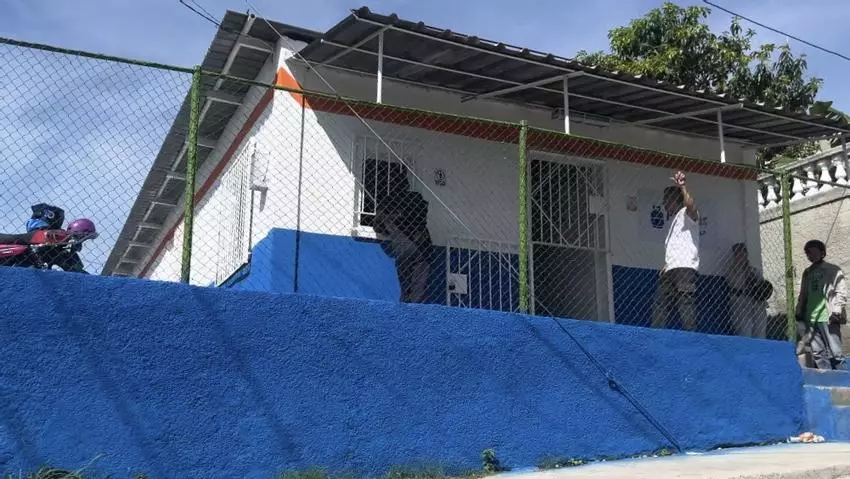
The only pickup point visible so far is in a small alley at Ciudadmar and 7th Street, in San Miguel del Padrón. When asked whether other pickup sites would be available, the person in charge replied that there were plans to open one more, although it was still “in process.”
About 15 people, each carrying an empty balita, stand in a discreet line. One question circulates among them: if someone buys now in dollars, will they later be able to use that same cylinder once distribution through the ration book system resumes?
One woman answered without hesitation. “Last time, as I remember, when they distributed balitas, nobody asked for the numbers anymore. You handed one over and that was it. Besides, if half the population is now going to buy them here, it’s obvious they’ll allow it.” She then added the detail that most concerned those present: “They’re not like the white ones that Supermarket23 used to send; these are the same ones from the regular service.”
The comparison with Supermarket23, another foreign-currency shopping platform used by Cubans inside and outside the Island, helps place the new business in context. There, a balita can cost around 30 dollars. The KMCERO one costs 24, although it requires traveling to the pickup point. For those without a compatible card, the final cost rises. A man sitting at the site explained that he had to buy dollars from a friend through a Clásica card, so he ended up paying more.
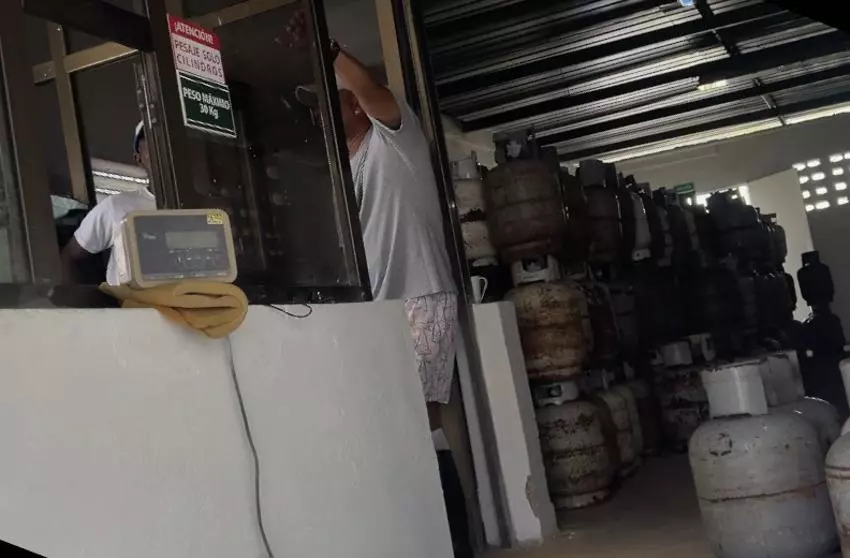
The website adds another obstacle: availability. According to reports collected by this newspaper at the delivery point, the cylinders sell out quickly. “To get a balita, you have to be ready at 7:00 am, do everything quickly, because the balitas disappear immediately,” one customer commented. Even after paying, customers do not receive the product right away. Pickup is scheduled for the following day.
The supplier listed on KMCERO is Progas. However, many questions surround that company. The website does not provide a clear explanation of who is behind the operation. The “Who We Are” section is either inaccessible or fails to provide enough information. The commercial brand appears on one side, the platform on another, and the promotion comes from state-linked entities.
That last detail is key. KMCERO was promoted by Tecnomática together with the state SME TM-NEXGEN as a virtual store for purchasing fuels and lubricants in Cuba. Tecnomática is part of the business ecosystem linked to Cupet, the state conglomerate that heads the petroleum sector on the Island. The platform itself markets products associated with fuel, oils, and gas, a business that requires permits, specialized transportation, secure storage, and access to infrastructure rarely available to a small private enterprise.
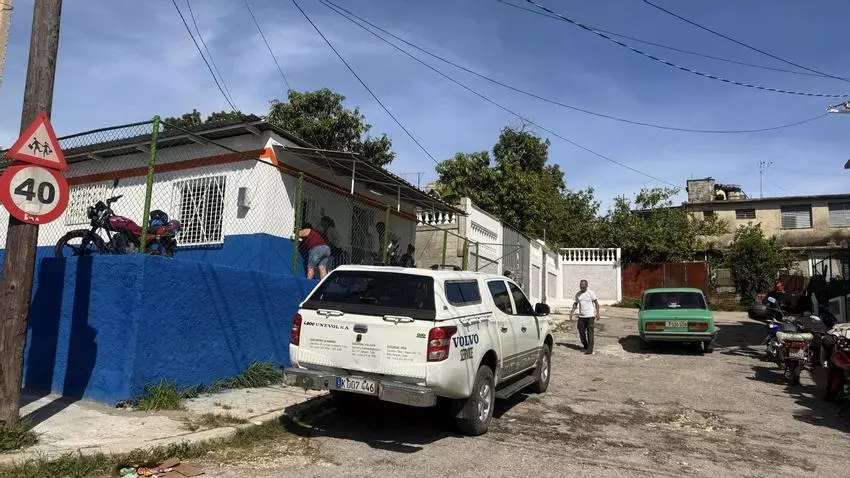
Suspicion grows when examining the details closely. Customers hand over cylinders identical to those used in the state system and receive similar ones in return. The logistics point to already existing facilities. The transportation observed by neighbors and customers resembles that historically used by Cupet. None of those elements alone proves that Progas is a front for the state company. Together, however, they sketch an operation difficult to present as an independent private business.
“If the product, the cylinders, the logistics, and the promotion belong to the state system, what exactly does Progas contribute besides a new label and a way to charge in dollars?” asks one customer while waiting in line.
Progas appears precisely within a gray area that several observers of the Cuban economy have been pointing out for years: the creation or use of formally private companies to operate where state entities carry a poor commercial reputation or seek to evade U.S. sanctions. Under that model, a company with the appearance of a non-state actor can import fuel, hire services, or present itself to foreign suppliers as an independent business, even though in practice it depends on state assets, permits, logistics, or decisions.
In strategic sectors such as fuel, where official control has historically been nearly absolute, an opaque brand forces observers to look beyond the commercial name. The question is not only who delivers the cylinder, but who owns the product, the containers, the trucks, the warehouses, and the money entering from each sale.
No one knows where the gas comes from, whether from the Energas plant in Varadero or from a private import operation in partnership with the Cuban state, the only economic actor authorized to charge in dollars. What is clear is that the balitas can no longer be obtained in national currency.
For Cuban families, the immediate answer lies not in corporate documents but in the kitchen. Those with cards, internet access, and foreign currency can try to buy. Those dependent on salaries paid in pesos must continue waiting for the regulated distribution. The balita that once formed part of a rationed system now appears in a digital store, with another name, another currency, and one unanswered question: who is really collecting the money for the gas?
Translated by Regina Anavy
______________________
COLLABORATE WITH OUR WORK: The 14ymedio team is committed to practicing serious journalism that reflects Cuba’s reality in all its depth. Thank you for joining us on this long journey. We invite you to continue supporting us by becoming a member of 14ymedio now. Together we can continue transforming journalism in Cuba.