 14ymedio, Pablo Padilla Cruz, Varadero (Matanzas), March 15, 2026 – If there are sectors where the deep crisis currently affecting Cuba is most painfully reflected, they are precisely those that were once the backbone of its economy. Tourism, for example, with the suspension of flights due to the lack of fuel, now threatens to become the same kind of corpse that the sugar harvest has turned into.
One of the most affected places has been the Island’s main international destination, Varadero. Over the last decade, the resort area of Matanzas prided itself on receiving more than one million travelers annually, but that figure has dropped drastically. Today, it faces a decline of 70%, a number that many workers in the sector never imagined they would experience.
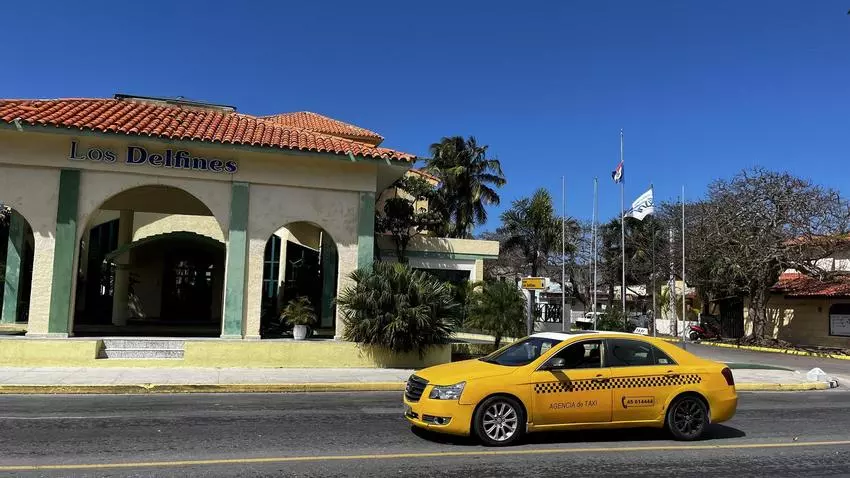
“Varadero is in chaos right now,” says a worker at the Hotel Los Delfines, on 32nd Street in the city. “There is no water in this area, the electricity goes out constantly, and that’s why they decided to close the hotel and concentrate the tourists in the Club Tropical hotel.” The closure of accommodations and the “compaction” of visitors in other hotels has been one of the measures taken by the regime following the blockade of all fuel entering the Island after the United States intervention in Venezuela on January 3, and the subsequent threat by Donald Trump to third countries that send oil to Cuba.
The employee’s words reflect the difficult situation the entire sector is experiencing. “At first they brought us to the hotel, and we stayed three days working, then they sent us home for another three days. But soon they started telling us, ‘don’t come anymore.’ That way, a month would go by without them calling me to work again,” he explains. This situation has become common in many hotels, where employees are sent home without prior notice, hoping to be called back when the situation allows.
The uncertainty is palpable. This worker, who prefers not to give his name, says that job options in this context are few. “They offered me jobs in Municipal Services or as a guard at the Matanzas cemetery, but that’s not what I studied. It’s a job that not even the unemployed want to take, and the worst thing is that they present it as if it were a solution,” he says with frustration.
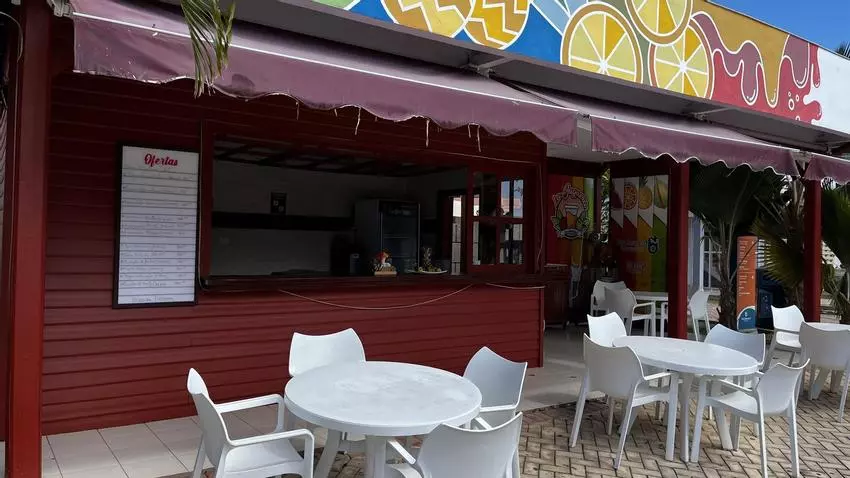
Maday, a clerk at a café in central Varadero, also recounts her experience with a mixture of resignation and concern. “Fortunately, I can still work, but the number of customers keeps getting smaller. Cubans, who used to help us on a bad day, hardly come anymore. Besides, I have to spend 200 pesos to get to Varadero from Cárdenas, and another 500 on an electric car to return home in the afternoon,” she says. That means a daily expense of 700 pesos, which is hardly compensated by the tips she receives. The tourists simply are not enough to maintain the flow of income.
“If you want to be ‘interrupted’ [work on specific days], the job options they offer are in an organoponic garden or in municipal services,” adds Maday, sadly: “They offer me these positions just to complete the paperwork, but in reality I have no options.”
Meanwhile, buy-and-sell groups on social media in cities like Matanzas and Cárdenas have seen the demand for work multiply. Clerks, cooks, DJs, and artisans are trying to find their way in an oversaturated market, seeking to survive amid the uncertainty of the private sector. However, the situation becomes even more complicated for workers at craft fairs, who historically have depended on tourism to sustain their work.
Raúl, a visual artist who has spent nearly two decades working in crafts, laments the crisis affecting his sector. “I’ve seen good and bad moments over the years, but what we’re living through now is unprecedented,” he says. “With Covid-19, we knew the situation would improve someday, but now we’re facing a crisis with no short-term solution.” Like other workers in the sector, Raúl notes that the Varadero craft fairs, which once received thousands of tourists, are now deserted. “Varadero adapted to receive more than one million foreigners a year, but now not even 250,000 arrive. The few who survive are those who have tables inside the hotels,” he points out.
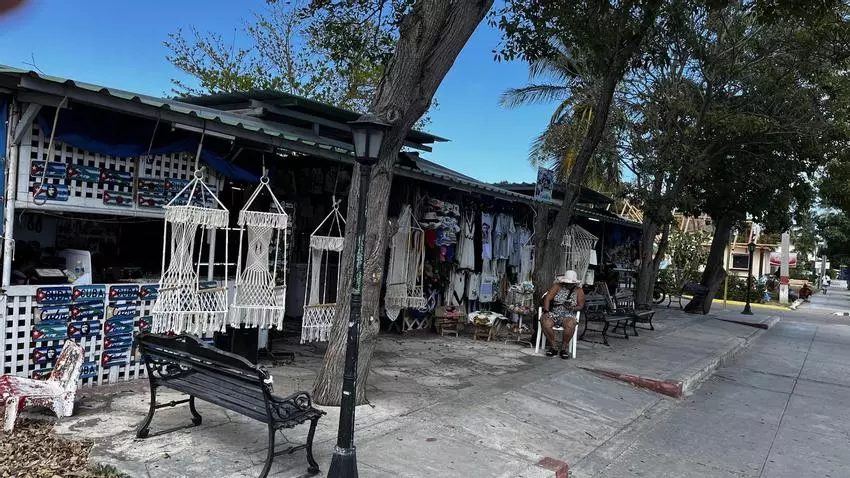
Competition among artisans has increased significantly, making it even harder to generate sales. “When a tourist shows up, there are so many of us competing that we barely manage to make anything,” Raúl says. And, to make matters worse, the National Fund for Cultural Assets, which manages the spaces for the fairs, demands payments for the use of the space, another burden for the already impoverished workers in the sector.
Beatriz, a Spanish tourist who has been returning to Varadero for ten years, has also witnessed the crisis affecting the Island. “I knew the situation was difficult, but I didn’t think it was this bad,” she comments. Bea, as the workers at the Cuatro Palmas hotel call her, considers herself almost part of the family in Varadero, since she has returned year after year. “This beach is the best in the world, but the situation has become unsustainable. The electricity goes out too often, and I’ve even had to bring eggs from Spain,” she says with frustration.
Beatriz also notes a change in her relationship with Cubans. “They no longer see me here as a foreigner but as an ATM,” she says regretfully. “No matter what I give away, they always want more.” The friendliness and warm atmosphere she once felt on the Island have been overshadowed by the desperation of those who depend on tourism to survive. “I don’t know if I’ll return next year. If I do, it will be for less time, or maybe I’ll change destinations,” she concludes, hinting that the crisis may have marked the end of her relationship with Varadero.
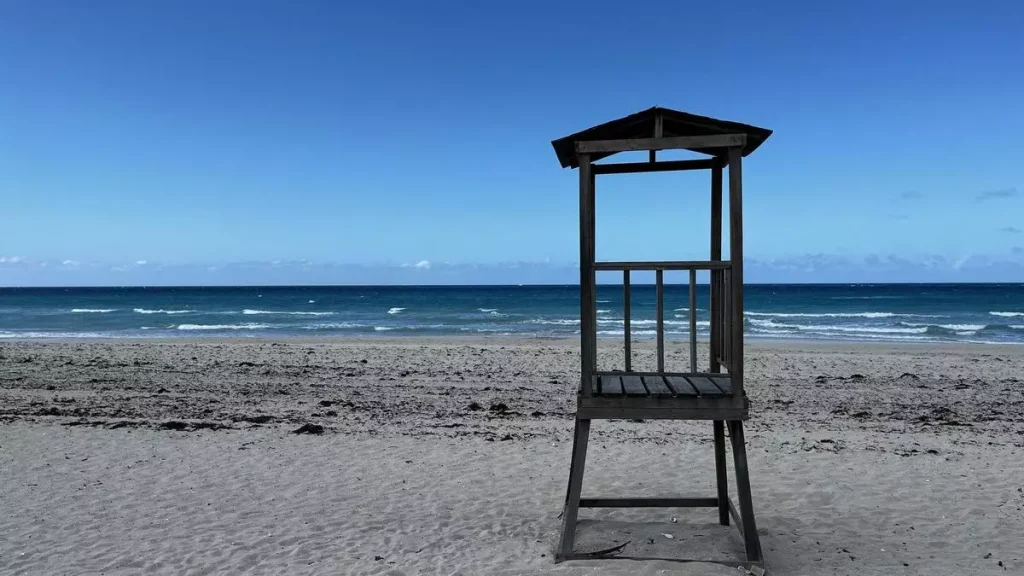
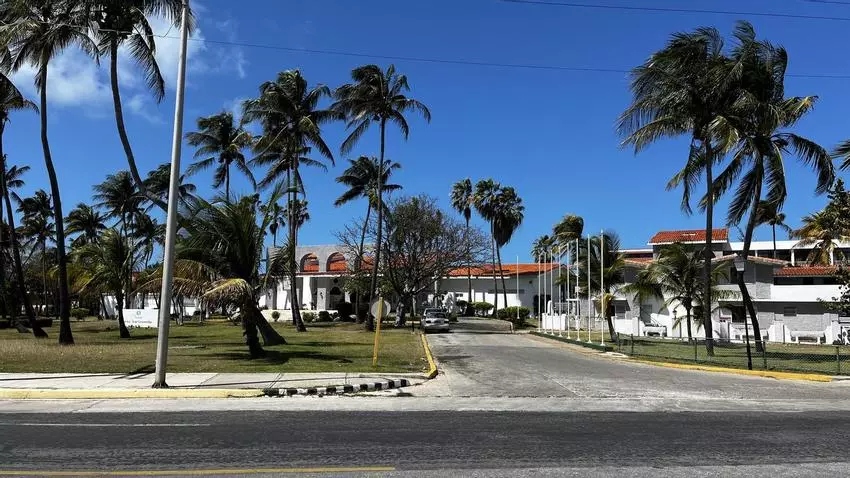
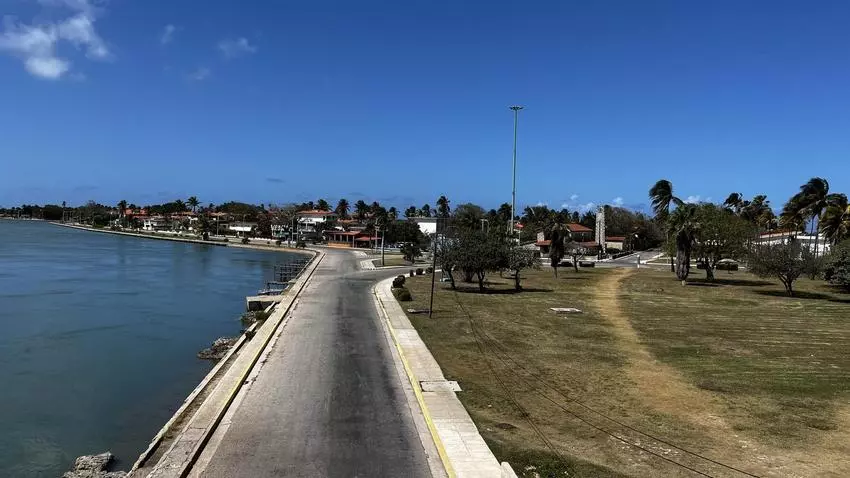
The city, which was once the locomotive of the Cuban economy, now lies almost empty. Buildings are half-repaired, the lack of potable water and electricity is constant, and only a few residents walk through streets once crowded with tourists. Hotels, private hostels, and recreational centers remain mostly closed. The laughter of tourists is gone, and the bustle of workers returning home has faded. Now, the wind and the occasional carriage drivers urging on their horses are the only sounds accompanying the decline of what was once considered the best beach in the Caribbean islands.
Translated by Regina Anavy
______________________
COLLABORATE WITH OUR WORK: The 14ymedio team is committed to practicing serious journalism that reflects Cuba’s reality in all its depth. Thank you for joining us on this long journey. We invite you to continue supporting us by becoming a member of 14ymedio now. Together we can continue transforming journalism in Cuba.