On the sidewalks of Matanzas, informal vendors defy the heat and surveillance to survive.
 14ymedio, Julio César Contreras, Matanzas, 3 August 2025 — In July and August, school holidays send children and teenagers home. Many state employees also take a break. But in Matanzas, the city isn’t completely at rest: on its sidewalks and in its doorways, informal vendors remain, unfazed by the harsh sun or the barely visible shade offered by the eaves.
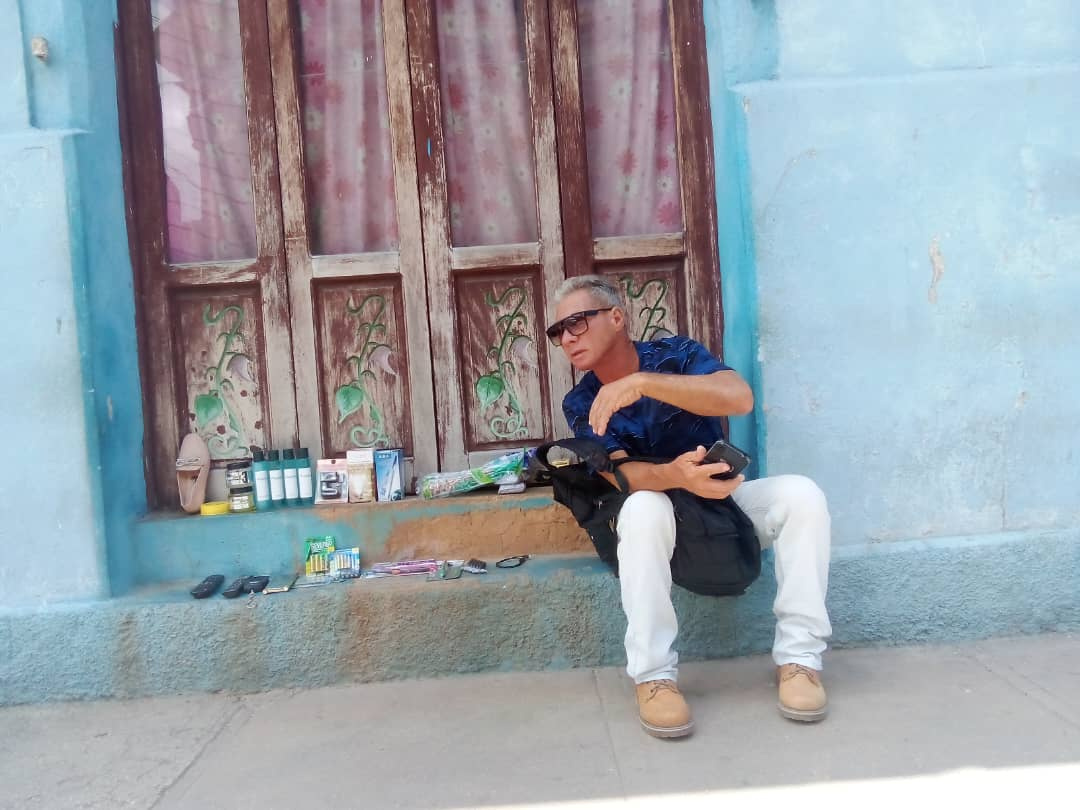
“This is my workplace. Thanks to what I sell here, my wife and I survive,” says Lázaro, a retiree who arranges matches, soap, and pencils on the steps of a house on Calzada de Tirry every morning. His voice mingles with the sound of traffic and the impromptu shouts of other street vendors, never taking a break. “There are no vacations for the poor here.”
A former school bus driver, he never imagined making a living this way. “At first, it was difficult because I’d never even sold a pin,” he confesses. “There was also the logical fear of being fined for not having a license. But going hungry is terrible. Seeing the empty pots gave me the strength to make up my mind, and I’ve been selling this way for a year now.” His strategy for evading inspectors includes “a little gift to make them turn a blind eye and go back where they came from.”
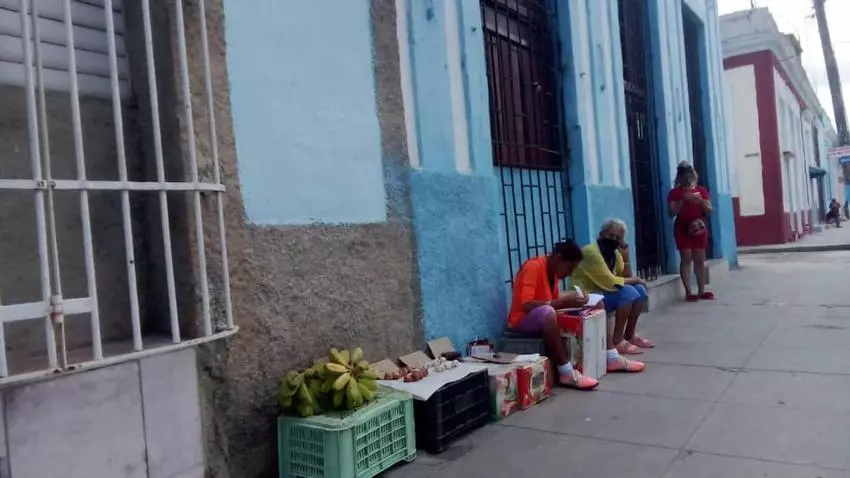
In Matanzas, informal vendors seem like an extension of the urban landscape: under colonial doorways, in front of pharmacies, or around markets. They can’t even afford to rest on Sundays. “These products aren’t mine, so most of the money doesn’t belong to me either,” explains Orestes, as he sets up his makeshift folding table at the entrance to a pharmacy. “When they warn me of an inspection, I stay away from the En Familia café and walk through neighborhoods where I sell less, but run less risk of fines.”
On his small table, there’s everything: matchboxes, instant glue, gaskets for coffee makers and pressure cookers, rat poison, pens, and even covers for the ration book, which is being used less and less due to the shortage of supplies in the bodegas [ration stores].
“Who does it hurt when an old man like me sells nylon bags and razors?” Lázaro asks, recalling the afternoon he tore up his National Vanguard Construction diplomas, accumulated over nine consecutive years. “In addition to paying us miserable pensions, the government makes our lives difficult, even by fining us a few pesos that aren’t even enough to make ends meet.”
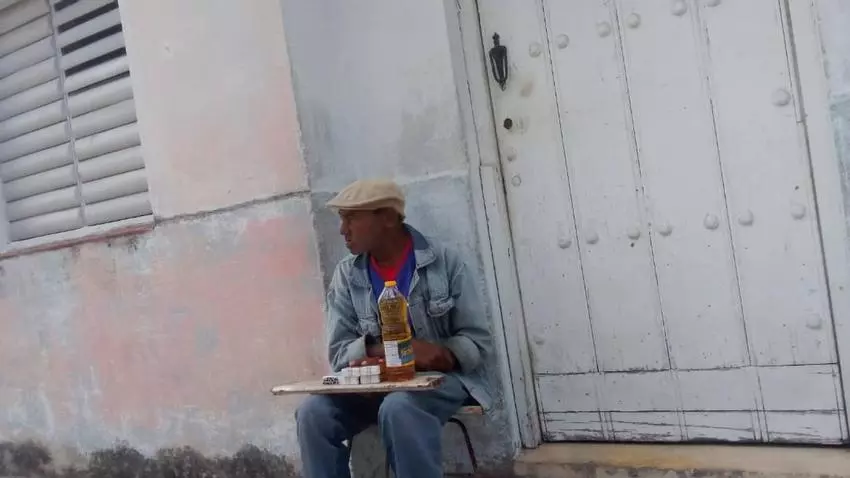
Others prefer more discreet methods. Demetrio, sitting on a bench on Calzada de San Luis, holds three packs of cigarettes in his hand. He doesn’t need more: the buyers come by themselves. “I arrange them with the warehouse manager or a friend who works at an MSME” [a small private business] he admits quietly. “I don’t want any trouble, but I have to do something so I don’t starve to death, because things are really tough.”
Poverty is growing, spreading from the Simpson and La Marina neighborhoods to the old residential areas of Peñas Altas and Versalles. For informal vendors, there are no weekends, holidays, or summer vacations. They stay until the day gives them just enough to eat. And then, at dusk, they clear their tables, stash the little money they’ve earned, and hope that tomorrow won’t surprise them with an inspection or despair.

____________
COLLABORATE WITH OUR WORK: The 14ymedio team is committed to practicing serious journalism that reflects Cuba’s reality in all its depth. Thank you for joining us on this long journey. We invite you to continue supporting us by becoming a member of 14ymedio now. Together we can continue transforming journalism in Cuba.