The business, which leases the premises from a state entity in Río Cauto, is looking for new “honest” workers
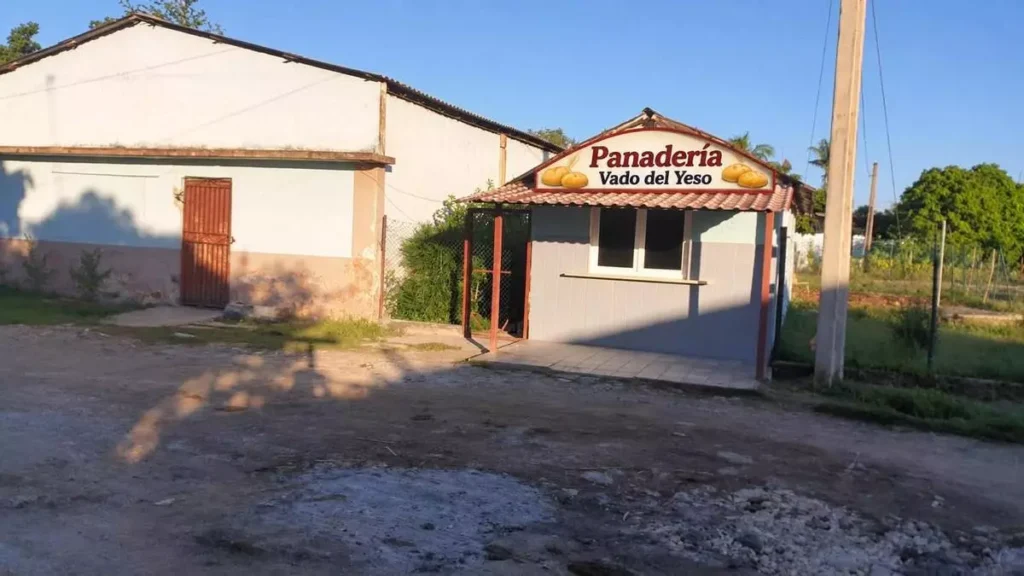
 14ymedio, Havana, November 8, 2026 / The private bakery Doña Nieves, located in the town of Vado del Yeso, in the municipality of Río Cauto (Granma), has temporarily suspended production after its managers reported irregularities in the making of the bread and decided to tighten controls over the workers. The standoff has left residents without the service, while the family that runs the establishment looks for three new bakers to resume operations.
In a lengthy Facebook post, Robert Román Quezada, manager of the Complejo Doña Nieves group, explained that his family holds a lease agreement with the Río Cauto Bread and Pastry Company [Empresa de Pan y Dulce]. The agreement includes paying rent for the establishment and giving the workers 5% of the profits.
According to the statement, over a period of about two months, consumer complaints about the poor quality, size and low weight of the bread began to multiply. Faced with the lack of solutions from the establishment’s management, the family decided to carry out a surprise inspection of the production process.
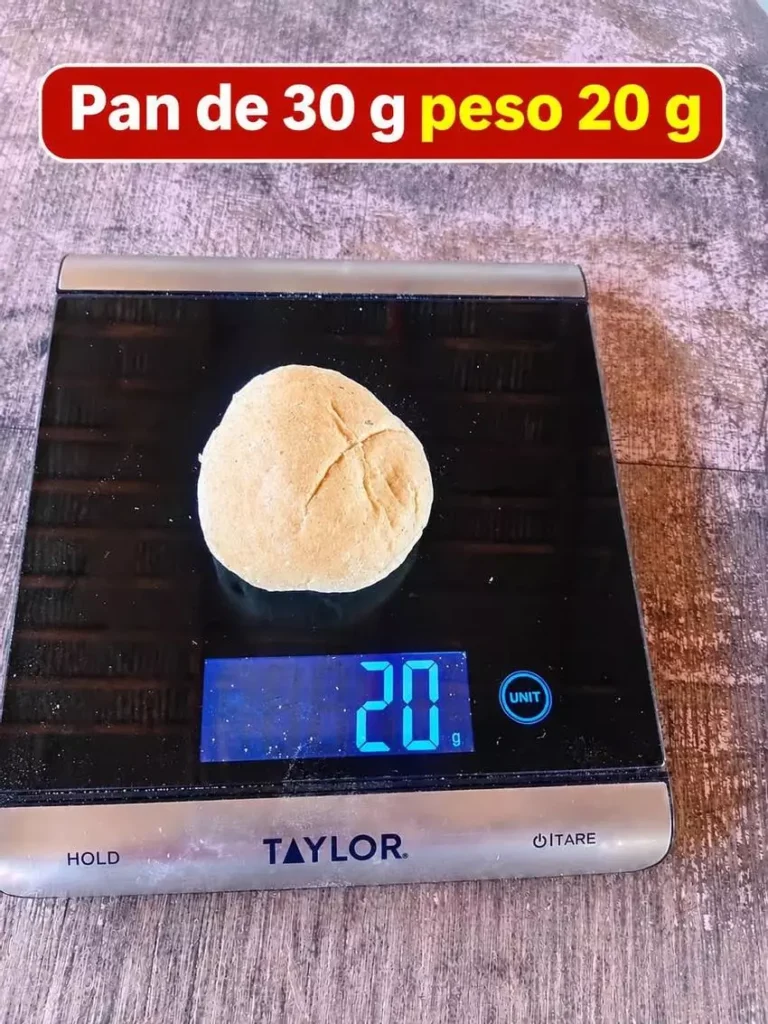
The results revealed that for every 25 kilograms of flour, some 120 more loaves were being made than the recipe called for. In addition, rolls that should have weighed 30 grams after baking barely reached 24, while the 50-gram ones came in at 44.

At a price of 40 pesos each, the 120 extra loaves would represent 4,800 pesos. If 50 kilograms of flour were processed, the difference would rise to 9,600 pesos. The family clarifies, however, that these figures correspond to the potential value of the surplus production and do not constitute proof that the workers pocketed the money.
To correct the irregularities, the leaseholders placed a representative in charge of supervising the ingredients, the quantities used and the weight of the finished product. They also eliminated two benefits that, they explain, they had been granting the bakers voluntarily: an extra payment and five loaves a day per worker.
The family maintains that the employees decided to stop working after the controls were introduced and the incentives withdrawn. It considers it unfair that residents should be left without bread because the family demanded that the quantities and quality of the product be respected.
The post sparked a discussion on social media. Several commenters backed the measures and said that the diversion of raw materials and the deliberate reduction of the weight of bread are common practices in Cuba. Others questioned the calculations and pointed out that part of the dough’s weight is lost during baking.
In response to these objections, Román Quezada replied that the portions intended to produce 50-gram rolls were initially cut from 70 grams of dough, precisely to compensate for the loss of moisture. He also provided a new piece of information: before the supervision, some finished rolls weighed between 34 and 44 grams.
“We have had a person supervising the entire process for 13 days, with the same bakers working and using different types of flour. During that time, no roll has weighed less than 56 grams, and we have even found rolls of up to 68 grams,” the manager said.
Some participants mentioned the Cuban Bread-Making Standard [Norma Cubana de Panificación] and its weight tolerances, although they disagreed on the permitted margins and the correct way to take the measurements.
Another part of the debate focused on working conditions. Several users reproached the family for detailing the incentives that had been withdrawn without specifying how much the bakers actually earned. “Don’t talk about %, talk about how much each worker earned per day,” wrote Osmany Castro, who felt that taking away the five daily loaves worsened the economic hardship of their families.
The complaints also extended to other provinces. Users from Holguín, Santiago de Cuba and Havana reported increasingly smaller loaves of poor quality and, in some cases, with hygiene problems. From Ciego de Ávila, one commenter said that bread from the bodega [state ration store] was no longer being distributed and that he now depended on private vendors who charged 60 pesos apiece.
Meanwhile, Doña Nieves announced that it intends to resume production on Monday or Tuesday, although it acknowledged that the new workers might need training. The family promises to maintain the supervision and to respect the quantities established in the recipes.
“We are not looking for conflicts with the workers. We want the contract to be respected, for people to work honestly and for every consumer to receive quality bread with the weight they are entitled to,” the statement concludes. The residents of Vado del Yeso, meanwhile, are still waiting for the oven to be lit again.
Translated by GH.
______________________
COLLABORATE WITH OUR WORK: The 14ymedio team is committed to practicing serious journalism that reflects Cuba’s reality in all its depth. Thank you for joining us on this long journey. We invite you to continue supporting us by becoming a member of 14ymedio now. Together we can continue transforming journalism in Cuba.