Shortages, a lack of tourists, and restrictions on payments with foreign cards have left the establishment practically without merchandise or customers.
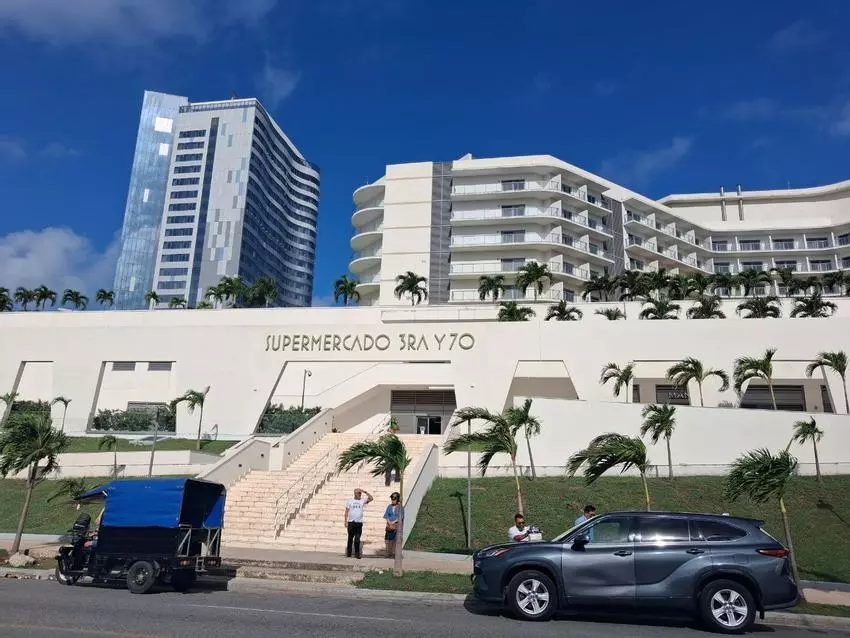
 14ymedio, Natalia López Moya, Havana, October 20, 2026 / Pablo has been sitting for a while on his electric tricycle in front of the 3rd and 70th Street Supermarket, in Havana’s Playa municipality. He is waiting for a shopper to come out carrying bags and hire him for “a ride right to their front door,” but this Tuesday, luck does not seem to be on his side either. “Very few people are coming because they already know this place is practically empty,” he tells 14ymedio as he watches the entrance to the establishment.
“I used to wait for passengers here until the afternoon, but now I stay for a while, and if I see that I’m not going to get anywhere, I take 3rd Street toward the Iron Bridge to look for passengers,” he explains. His business has shrunk at the same pace as the supermarket’s merchandise. The store opened amid great expectations on December 31, 2024, and became one of the symbols of the dollarization of Cuba’s state-run retail trade.
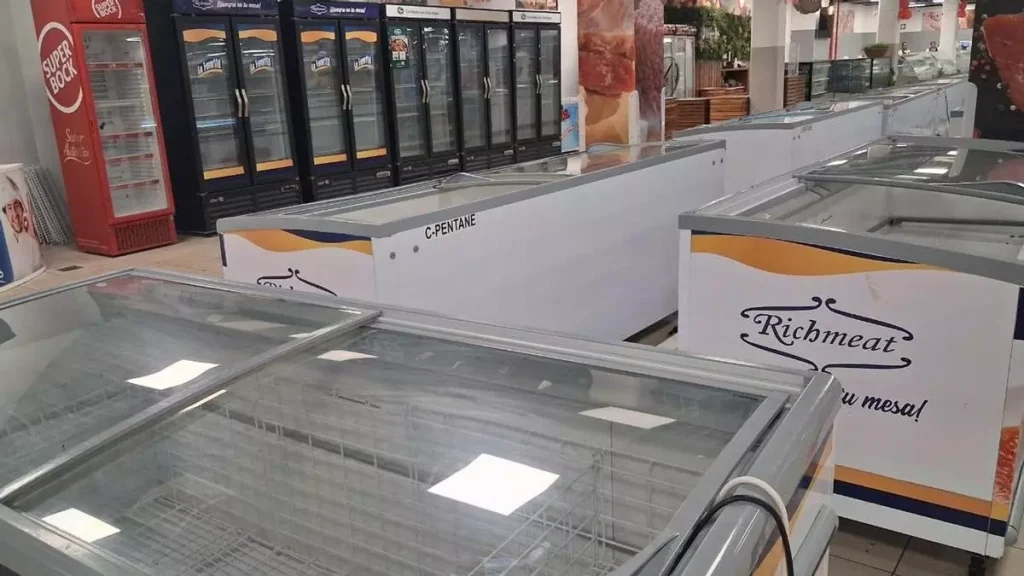
That gleaming establishment, with its 12 cash registers, fully stocked shelves, and clientele that included diplomats, foreigners, and Cubans with dollars, now seems like a distant memory. Where cheeses, meats, cold cuts, canned goods, and imported products were once displayed, empty refrigerators now predominate. The glass doors still shine under the ceiling lights, but behind them, little remains beyond the metal frames of the baskets.
“Hardly any meat products are coming in. What’s in the refrigerators is inventory that has been sitting here for a while because these aren’t goods that are in much demand”
The few refrigerators containing merchandise display enormous cuts of beef or whole fish that “sell very little,” an employee acknowledges. There are no eggs, chicken, sausages, beer, or cheese. On the shelves, bottles of water multiply into long rows, a strategy to disguise the lack of variety that had already become evident during the first months of this year.
“Hardly any meat products are coming in. What’s in the refrigerators is inventory that has been sitting here for a while because these aren’t goods that are in much demand,” explains an employee in the warehouse department. “People don’t buy such large cuts of meat because of the problems they have refrigerating them afterward.”
The smell that greets visitors as soon as they cross the entrance adds another troubling sign. Keeping food properly preserved has become a challenge even for this privileged establishment. “We have a generator, but there have been times when the power goes out and we don’t have fuel to get it running. That interrupts the cold chain, and some foods can’t withstand that,” the worker acknowledges.
The Spanish company Vima’s logo remains on some refrigerators, although no merchandise is left behind their doors. The company, a commercial partner of Gaesa, has begun reducing its presence in Cuba. At the end of September, it removed its signs from the store at Infanta and Santa Marta streets in Central Havana, and it left two of its three storage warehouses in Berroa practically empty.
Something similar appears to be happening with Richmeat, the company registered in Mexico whose corporate structure and ties to the Cuban leadership have raised numerous questions. Its popular La Favorita sausages and El Cocinerito chicken ground-meat tubes have disappeared from the refrigerators, although the brand’s advertisements remain, featuring photographs of appetizing hot dogs that contrast with the bare baskets.
The collapse of the business cannot be explained by shortages alone. “This place was also intended to supply an area that was very touristy, but now there’s no tourism,” the employee says, pointing toward the imposing Gran Muthu Habana hotel, built above the shopping complex.
Adding to the loss of customers was the inability, starting in June, to pay with Visa and Mastercard cards after a foreign bank interrupted its operations with Fincimex. “Diplomatic personnel used to come more often, churches did their shopping here, and so did other international organizations, but almost all of them use foreign cards,” the worker regrets.
The decline is especially significant because the supermarket was created as a showcase of abundance in a city full of poorly stocked stores. Its opening ultimately sealed the fate of the former 3rd and 70th Street market, located directly across the street, which was dismantled and converted into a warehouse.
Now, the establishment that was supposed to represent the future of dollar-based retail trade reproduces the same image of scarcity that has characterized state-run commerce in pesos for years. Outside, Pablo looks toward the entrance again. No one comes out with enough purchases to need his tricycle. Perhaps it is time to set off toward the Iron Bridge.
Translated by Regina Anavy
______________________
COLLABORATE WITH OUR WORK: The 14ymedio team is committed to practicing serious journalism that reflects Cuba’s reality in all its depth. Thank you for joining us on this long journey. We invite you to continue supporting us by becoming a member of 14ymedio now. Together we can continue transforming journalism in Cuba.