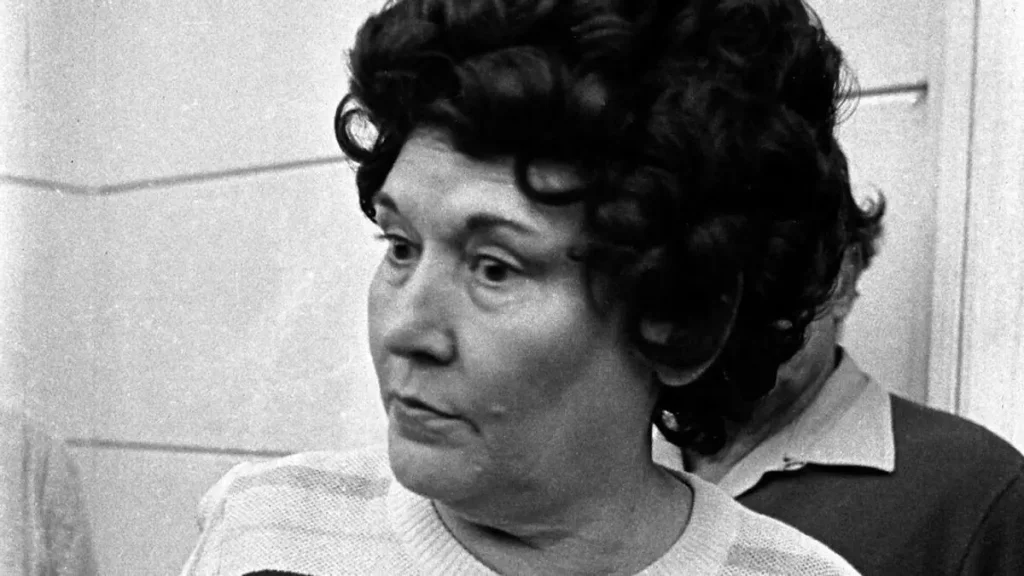
 14ymedio, Reinaldo Escobar, Havana, 28 July 2020 [delayed translation] — Forty years ago today, Haydée Santamaría Cuadrado committed suicide.
Her self-immolation occurred two days after the 27th anniversary of the Moncada Barracks attack. That commemorative event was held in the plaza named after her brother, Abel Santamaría, in the province of Ciego de Ávila. It was also the birthday of Melba Hernández, the other woman linked to that attack.
The official version states that she died in the house she shared with her children as a result of a gunshot wound to the head. Despite being considered a heroine and a member of the Council of State and the Central Committee, her remains were not laid to rest in the Plaza de la Revolución, as they should have been, but rather in a funeral home in Vedado, Havana.
In the political code of those who rule in Cuba, suicides do not deserve to be honored, perhaps for this reason those who attended her funeral shared the feeling that they were committing an act of disobedience.
The reason for her decision is attributed to the fact that her physical and mental health was very deteriorated, as she had never been able to overcome the trauma of having lost her brother and her boyfriend in that action in Santiago de Cuba on July 26, 1953.
Her depression, almost permanent, was affected by what happened a few months earlier when the Peruvian Embassy was taken over by more than 10,000 Cubans who no longer wanted to live in Cuba.
Her depression, almost permanent, was affected by what happened a few months earlier when the Peruvian Embassy was taken over by more than 10,000 Cubans who no longer wanted to live in Cuba, and then more than 100,000 embarked through the port of Mariel for the United States. The infamous repudiation rallies, in which the protesters were humiliated and mistreated, must have seemed like an atrocity to her. Her colleagues at Casa de las Américas, which she chaired, noticed that she would spend weeks at a time without going to her office.
It’s hard to believe that in the final minutes of her life, Haydée Santamaría didn’t want to leave a written record of the profound reasons for her dramatic decision. It is significant that no one has ever dared to deny the existence of a letter that was most certainly addressed to Fidel Castro.
Cubans under fifty today are probably no longer interested in learning the content of a probable confession of disappointments. They barely care about knowing anything about the lives of those who dreamed of a utopia, much less the reasons they had for killing themselves. What does it matter, since today almost everyone is disappointed?
This disinterest, this neglect, is like the second death that awaits those who founded a project without a future. If that letter, which those of us who wanted to know about it never saw, is ever declassified, it will remain a historical curiosity… and it’s only been forty years.
____________
COLLABORATE WITH OUR WORK: The 14ymedio team is committed to practicing serious journalism that reflects Cuba’s reality in all its depth. Thank you for joining us on this long journey. We invite you to continue supporting us by becoming a member of 14ymedio now. Together we can continue transforming journalism in Cuba.