At least 21 deaths were documented as resulting from “severe malnutrition or starvation,” another 12 linked to communicable diseases, and nine to violence.
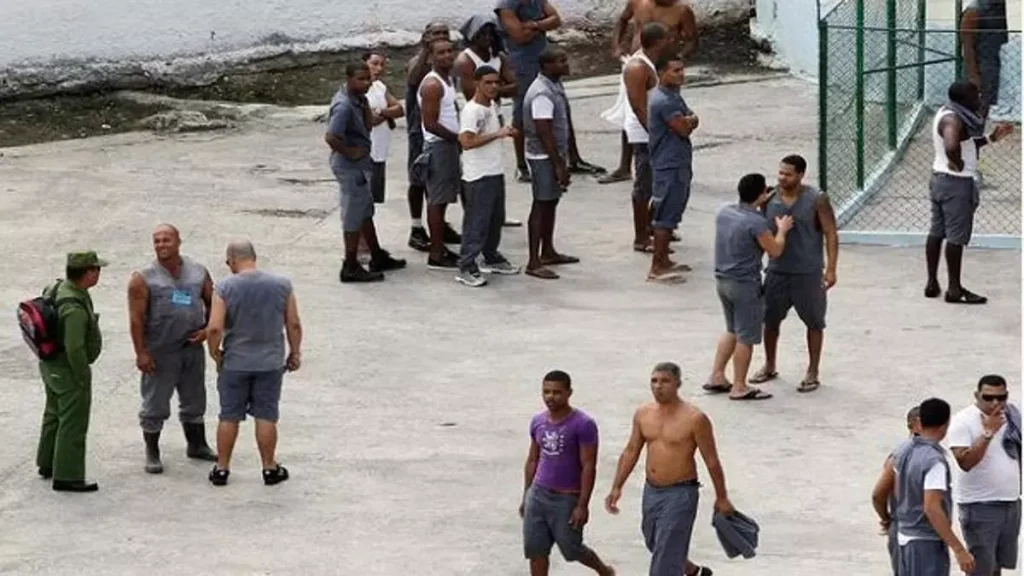
 EFE/(via 14ymedio), Havana, September 22, 2026 – The NGO Cubalex reported in a special report published Monday that between February 1, 2024 and June 30, 2026, it recorded 115 deaths in state custody at Cuban penitentiary facilities, involving people deprived of their liberty by judicial ruling.
According to the analysis, negligence or denial of medical care constitutes the predominant mechanism, identified in at least 80 cases, approximately 70% of the total.
Cubalex notes that the records describe delays in assistance, interruptions or absence of treatment, and a lack of response to situations involving known risks.
Cubalex notes that the records describe delays in assistance, interruptions or absence of treatment, and a lack of response to situations involving known risks
“Their recurrence and concentration in certain establishments point to serious deficiencies in the provision of food, health care, and the prevention of collective risks, which go beyond the isolated actions of certain officials,” the text emphasizes.
The report, which does not specify which cases involve political prisoners, also documents “lethal violence” attributed to “prison agents, prolonged use of means of coercion,” as well as deaths of “particular suspicion” in which “official versions of suicide coexist with indications of violence.”
In cases of deaths attributed to suicide, the analysis reveals a history of “neglected depression, previous attempts without follow-up, and degrading treatment.”
Regarding deaths caused by other inmates, the report raises questions about supervision and protection against third parties.
Cubalex warns that attributing a death to self-harming behavior or to another inmate “does not rule out examining the actions or omissions by the state that may have contributed to the outcome.”
It also reports that three Cuban provinces show a marked concentration of prison mortality, accounting for more than half of the cases: Santiago de Cuba (29 deaths, or 25.2%), Havana (21 deaths, or 18.3%), and Mayabeque (16 deaths, or 13.9%).
They are followed by Guantánamo, which ranks fourth with 11 deaths (9.6%), most of them occurring so far in 2026 and associated with malnutrition, starvation, and tuberculosis, along with Granma with 7 deaths (6.1%).
The NGO cites cases of death in the Island’s prisons due to “medical denial or negligence,” a mechanism it considers “dominant,” having been identified in at least 80 of the 115 recorded deaths (70%).
Three provinces show a marked concentration of prison mortality, accounting for more than half of the cases: Santiago de Cuba (29 deaths, or 25.2%), Havana (21 deaths, or 18.3%), and Mayabeque (16 deaths, or 13.9%)
It also adds that at least 21 deaths were documented due to “severe malnutrition or starvation,” another 12 linked to communicable diseases such as tuberculosis, and 9 from extrajudicial execution, characterized by the direct use of force by state agents or by indications of physical violence.
It also mentions 7 cases identified under a “specific pattern,” which is “the granting of releases or extrapenitentiary leave” shortly before the prisoners’ deaths.
In particular, it states that of the 115 deaths, 112 involved men and 3 women, which in its view constitutes a “strongly masculinized” context.
It adds that the overall average age is 41.9 years and, in the section concerning “racial bias,” indicates that people of African descent represent 27% (31 cases).
This situation is taking place amid the profound economic crisis affecting Cuba, the worst in recent decades, evident in shortages of basic necessities such as food, medicine, and fuel, high inflation, economic contraction, growing dollarization, and prolonged daily blackouts.
Translated by Regina Anavy
______________________
COLLABORATE WITH OUR WORK: The 14ymedio team is committed to practicing serious journalism that reflects Cuba’s reality in all its depth. Thank you for joining us on this long journey. We invite you to continue supporting us by becoming a member of 14ymedio now. Together we can continue transforming journalism in Cuba.