In my country, the use of Spanish language words is subordinated to the political interests of the moment. So, at the beginning of the sixties when the dangers of communism were pointed out, they talked of humanism. Later, when the lack of democracy was pointed out, they spoke, officially, of proletarian democracy. When confronted with the issue of human rights, they talk about the rights to defend ourselves. And so it goes.
- Now they’ve turned to other words. The crisis that threatens the country is not that, but simply problems and difficulties. The massive layoffs of workers, is a process of making people available. Those who are laid off, and so become unemployed, are not that at all, they are “available.” And so to the point of exhaustion.
- This game with words and with the different internationally accepted categories, has brought consequences in regards to statistical information about Cuba, which are ignored by any serious world organization, as they lack absolute reliability. The statistic that there are 3.6% unemployed, reported for several years now, is example enough, when in reality there is underemployment, using three or more workers where one would be enough.
- The result was catastrophic: low productivity, no profits for businesses, poor quality products and services, and labor, financing and corruption problems, diversion of resources, miserable wages, etc. Precisely what they are not trying to fix.
- What would make sense is not to repeat the mistakes made. However, that’s not the situation. They continue down the same road, trying to continue to politically manipulate words, believing that using some instead of others will change reality.
December 11, 2010
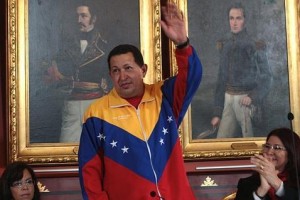 While Hugo Chavez reported to the Venezuelan Parliament his intention to establish an armed forces of the extreme left, that would make government decisions and prevent the triumph of right in the elections of 2012, his Cuban mentors promoted some liberal measures to survive without the support that put him over the top when he assumed absolute power decades ago.


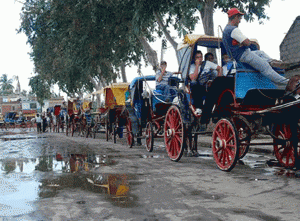 The drivers holding licenses agreed to stop in protest of the raise in the monthly tax, from 120 pesos (5 dollars) to 571 pesos (24 dollars). When they increased the fares to the passengers by one or two pesos, they refused to pay double.
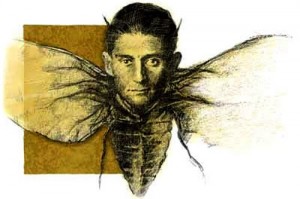 For the third time in a row a writer from our island is honored with the Premio Novelas de Gaveta “Franz Kafka,” awarded by its Czech sponsors to the Carnival and the Dead, by Ernesto Santana, who introduced it in a brief evening ceremony on Friday, December 13, at the apartment of Yoani Sánchez and Reinaldo Escobar, creators of the Cuban Alternative Blogosphere Academy, a civic non-profit entity that disseminates new technologies and citizen journalism.
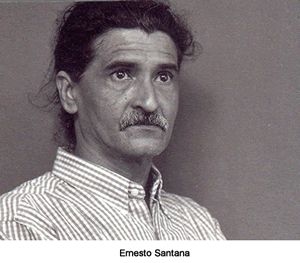 In 2008 the Premio Novelas de Gaveta “Franz Kafka” was awarded to the Habanero Orlando Freyre Santana, author of Blood and Freedom, which addresses, in fiction, the struggles against the Cuban military dictatorship.
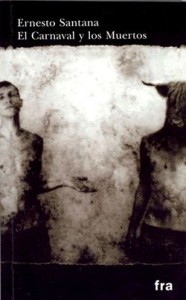 As it is not possible to read and review a 174-page novel in a single weekend, I offer the reader a summary of the review written by Carlos A. Aguilera on The Carnival and the Dead, by Ernesto Santana.
 There is no doubt the dissidence on the island is looking for a space. The document: A Future for Cuba. Issued on December 2, it is counter-proposals to the