Bienestar Animal Cuba has called for adoptions to be suspended in the Havana municipality, and an anonymous supporter is offering $1,200 for information about the alleged person responsible.
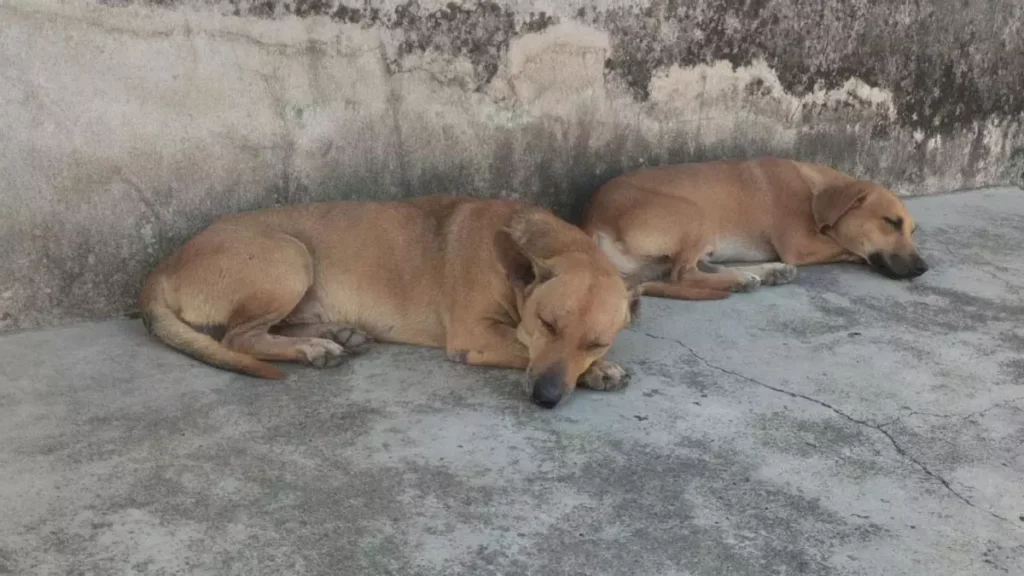
 14ymedio, Madrid, November 18, 2026 / 14ymedio, Madrid, November 18, 2026 – The independent organization Bienestar Animal Cuba (BAC) has denounced the existence of a clandestine network dedicated to killing stray dogs and cats and selling their meat for human consumption in the municipality of Cotorro, in Havana. The association says it has gathered reports and photographs supporting the accusation and has declared a “national emergency” in response to the seriousness of what it considers a practice reminiscent of the worst years of the Special Period.
“That municipality has a clandestine network that kills stray animals, dogs and cats, to sell their meat as food for people. We have received more than six reports confirming this activity. Of those six, three have sent us extremely graphic photographs,” BAC says in a statement published on Facebook.
“Where is the Government?” BAC asked in another post, before answering: “Repressing those who think differently and indifferent to everything that is necessary. A disgrace”
The association criticizes the authorities’ failure to act, despite the fact that Cuba has had Animal Welfare Decree-Law 31 in place since 2021. “Where is the Government?” BAC asked in another post, before answering: “Repressing those who think differently and indifferent to everything that is necessary. A disgrace.” Animal protection advocates have spent years denouncing the limited enforcement of the regulations and the lack of an institutional response.
The organization identifies who goes by the name of Lázaro Carbonell as the alleged ringleader. According to the complainants, he has collaborators in Cotorro and advertises in Facebook groups using an international telephone number. “He moves around the municipality on a three-wheeled bicycle, delivering the merchandise to those who buy it,” BAC says.
A supporter of the organization has offered a $1,200 reward for information about the whereabouts of the alleged person responsible. “This follower has requested anonymity,” BAC explained, adding that he wants the money to be used exclusively for that purpose “because it is his money.”
The first measure adopted by the animal rights activists has been to suspend adoptions of dogs and cats arranged by the organization in Cotorro, in order to prevent the animals from ending up in the hands of the alleged network. They also announced the creation of an investigative committee and checkpoints in Havana, for which they are recruiting volunteers.
The association has asked businesses that sell food to register with its BACuba app so they can undergo inspections
The denunciation has also prompted BAC to expand the functions of its BACuba mobile application. The association has asked businesses that sell food to register on the platform so they can undergo inspections and allow consumers to consult information about the establishments.
The application was personally financed by Javier Larrea Formoso, BAC’s founder, who recently announced that he had paid out of his own pocket for its expansion to include more than 20 free services. Larrea has lived in Spain since 2023, where he moved after years of harassment by State Security. In 2021, pressure, threats, and a police boycott of his activities, including the cancellation of a bicycle rally and an adoption fair, led him to resign as BAC president and abandon his law studies. “I need peace,” he said at the time.
“Do not trust any business that is not listed in the BAC application,” the organization warned, adding that it has identified several businesses it intends to investigate.
BAC began investigating these incidents in September 2024, when it received rumors about stray animals being killed for human consumption. Its initial inquiries were unable to corroborate them. Recently, a post claimed that a micro, small, and medium-sized enterprise (MSME) was processing dogs and cats to feed the carnivorous animals at Havana’s zoos. The association dismissed that account after determining that “the announcement was completely false” and that the zoo animals were not being fed dog and cat meat.
However, the investigations uncovered other irregularities. A veterinarian who requested anonymity reported alleged thefts of food intended for the Zoo of 26 to BAC. According to the association, the specialist said that many of the products donated for the animals are stolen by the facility’s administrators and employees, who use them for their own pets or sell them.
The clandestine dog-meat trade has precedents on the Island. In April 2024, three people were arrested in San José de las Lajas, Mayabeque, accused of slaughtering animals and selling their meat as if it were pork or mutton. During the Special Period of the 1990s, food shortages also led to the consumption of dogs and cats, a practice that is once again being denounced amid the current economic crisis.
BAC is one of Cuba’s largest independent animal protection networks, with branches covering 48 municipalities in 11 provinces. Its volunteers have organized thousands of rescues and adoptions, campaigns against animal abuse, and mobilizations demanding protective legislation.
Translated by Regina Anavy
______________________
COLLABORATE WITH OUR WORK: The 14ymedio team is committed to practicing serious journalism that reflects Cuba’s reality in all its depth. Thank you for joining us on this long journey. We invite you to continue supporting us by becoming a member of 14ymedio now. Together we can continue transforming journalism in Cuba.