In the first six months of the year, 766 demonstrations were recorded in 141 municipalities across the island
 EFE/14ymedio, Havana, August 20, 2026,The organization Cubalex stated this Wednesday that “the energy, water, and health crisis” caused an “unprecedented increase” in protests in Cuba during the first half of 2026, which reached 766 demonstrations in 141 municipalities across the island.
These demonstrations reached “historic peaks” in February and June, the NGO reported, noting that in the latter month it recorded as many as 31 protests in a single day. A total of 253 were counted, “the highest number in a single month” since Cubalex began documenting them, in 2022.
The protests “not only increased in number, but also in radicalization in response to the structural crisis” the country is experiencing, said Cubalex researcher Salomé García Bacallao, during a virtual discussion held today to present the Semi-Annual Report on the Human Rights Situation in Cuba.
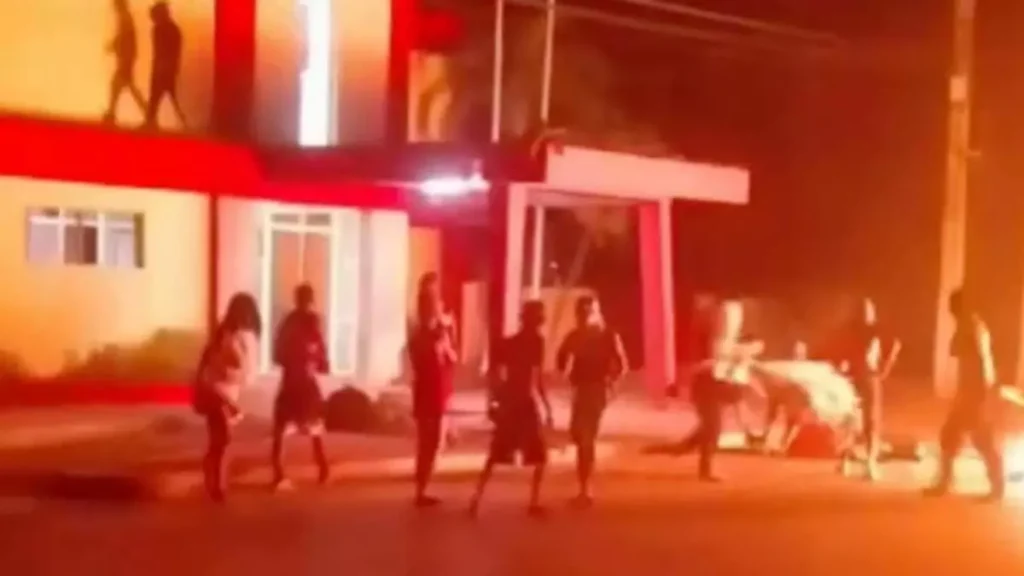
She added that social discontent in Cuba is expressed through “burning of garbage, pot-banging protests, chants, signs, occupation of public spaces, and street closures”.
The epicenter of the protests continues to be Havana, with 495 events in six months
In this regard, she noted that the most “radicalized” incidents recorded were the burning of the entrance to the municipal headquarters building of the Communist Party of Cuba in the city of Morón, in Ciego de Ávila, this past March, and a similar action at a museum dedicated to a guerrilla fighter close to Ernesto Che Guevara, in the town of Contramaestre, in Santiago de Cuba.
However, according to Cubalex, the epicenter of the protests continues to be Havana, with 495 events in six months, “registering a progressive shift from the outskirts toward central areas of the city”, while the provinces of Santiago de Cuba, with 81 demonstrations, and Matanzas, with 25, established themselves as the second and third centers of mobilization.
According to the report, the Cuban government “responded with a parallel intensification of repression” against the protests through actions such as “mass arrests at the time of the demonstrations, followed by summonses, threats, fines, and prolonged criminal proceedings weeks or months later”.
The NGO also denounced other repressive activities against the “right to freedom of expression and information”
Cubalex’s data indicate that 257 incidents of arbitrary detention were recorded during the half-year, representing a “70% increase over the previous half-year, with at least 410 victims”.
The NGO also denounced other repressive activities against the “right to freedom of expression and information”, which are carried out through “detentions, criminal proceedings, and sanctions for critical opinions, selective communication cuts, and hacking for purposes of surveillance and censorship”.
And it emphasized that in the prison system, “violence and preventable deaths due to medical negligence in a context of absolute impunity” persisted, and it denounced “the high concentration of vulnerabilities among persons deprived of liberty, Afro-descendants, human rights defenders, and former political prisoners”.
Translated by GH.
______________________
COLLABORATE WITH OUR WORK: The 14ymedio team is committed to practicing serious journalism that reflects Cuba’s reality in all its depth. Thank you for joining us on this long journey. We invite you to continue supporting us by becoming a member of 14ymedio now. Together we can continue transforming journalism in Cuba.