“This year, the only thing I can buy for the mothers in my family is a bar of bath soap for each of them,” Dianet admits with a mixture of shame and resignation.
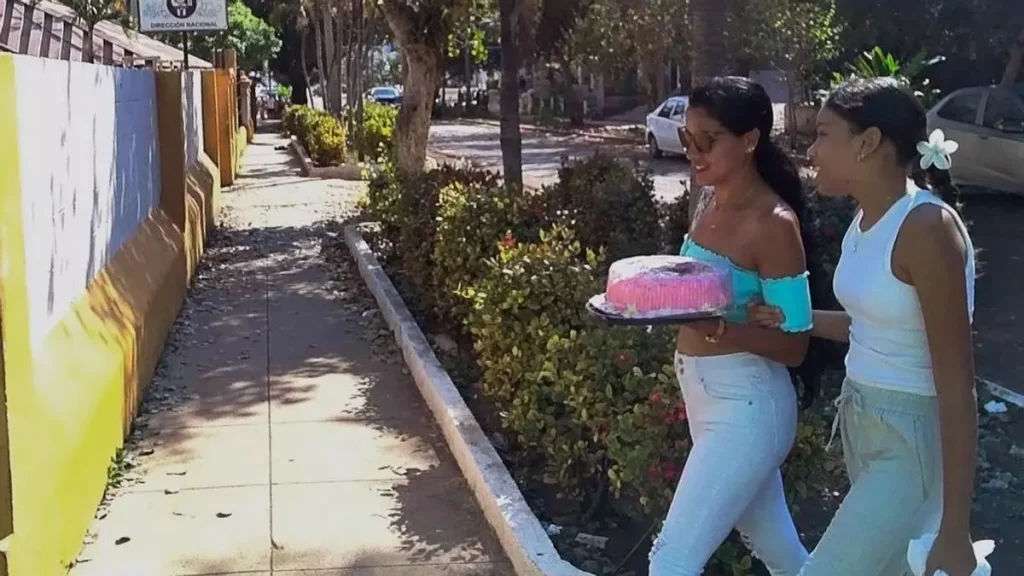
 14ymedio, Julio César Contreras, San José de las Lajas (Mayabeque), May 9, 2026 / Gone are the days of making the bed with the best sheets available and placing gifts for Mom on it every second Sunday of May: perfume, a housecoat, new slippers, or a box of chocolates that remained untouched until after the family lunch. In San José de las Lajas, just days before the second Sunday of May, Mother’s Day seems to have become more of an exercise in economic survival than a celebration.
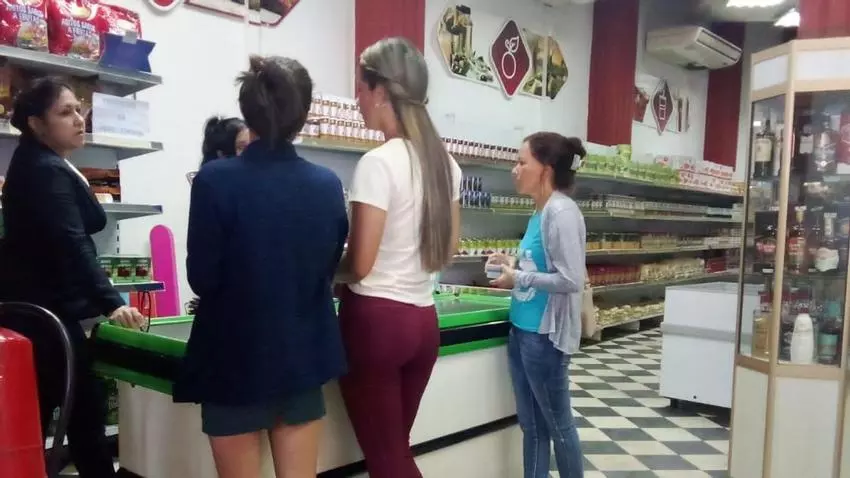
“This is what we have left of the little money my son sent from abroad,” says 74-year-old Georgina, clutching a debit card with barely nine dollars remaining. In front of her, the shelves of the La Época store display the same familiar scene: packages of detergent, bottles of shampoo, napkins, spaghetti, and a few imported soaps with prices that seem out of this world. The retiree scans the shelves again and again as if, by persisting, a miraculous sale might appear. But no. “It’s vanished like smoke, and we’ve barely bought anything, and there’s a holiday coming up that we should be celebrating.”
Inside the store, the air conditioning is only partially working, offering little resistance to the humid heat that seeps in from the street. Leaning against the cash registers, the clerks chat about the power outages, the price of rice, and the latest blackout in Jamaica, the outlying neighborhood where many have built makeshift homes of concrete and asbestos cement. No one mentions Mother’s Day promotions. There are no plastic flowers, no pink ribbons, not even a hastily written sign with a marker saying “Happy Mother’s Day.” Everything feels as cold as a government office.
“All the stores have the same old things, with the same exorbitant prices.”
“All the stores have the same old things, with the same exorbitant prices,” Georgina complains. She does mental calculations as she looks at a product priced at $2.50. If she buys that for a granddaughter who just gave birth, then her daughter and niece will be left with nothing. “Pensions are around five or six dollars a month, and here any little thing costs half of that,” she laments.
Among the customers is Dianet, recently arrived from Palma Soriano and now living in a llega y pon [‘shanty town’] on the outskirts of town. She walks with a small child in tow and an impossible list running through her head: soap, deodorant, something for her mother in Oriente, and, if she can afford it, a little something for her cousins and sisters who live nearby. “This year, the only thing I can buy for the mothers in my family is a bar of soap each,” she admits with a mixture of shame and resignation.
As she speaks, an elderly woman examines packages of toilet paper as if appraising fine jewelry. In another corner, two young women argue about whether it’s worth spending seven dollars on shampoo or buying better cooking oil. Inflation has blurred the lines between necessity and sentimentality. A bottle of cologne can cost several days’ worth of food; a simple postcard, if it were to appear, would be almost a luxury.
“A one-way ticket costs 5,000 pesos. Instead of celebrating Mother’s Day, we’re living in times of hardship.”
For Dianet, going into a dollar store is reminiscent of the story of Martina the Cockroach: choosing between too many necessities with barely a few coins in her purse. “Before Friday, I plan to send my mom a money order for 200 or 300 pesos,” she explains. A trip to the East is out of the question. “A one-way ticket costs 5,000 pesos. Instead of celebrating Mother’s Day, we’re living in times of hardship.”
In the private shops downtown, the scene isn’t much different. The shop windows display bottles of rum, packets of coffee, a few imported sweets, and small perfumes that look like relics. The prices, however, are shocking. Twelve dollars for a modest fragrance, almost ten for a body cream, more than 1,000 pesos for a mug decorated with artificial flowers.
Aimé, a worker at the Banco Popular de Ahorro and a new grandmother, has spent days visiting state-run stores and micro-enterprises without making a decision. “I can’t spend $12 on perfume for my daughter, and besides, giving her spaghetti or condensed milk seems tacky for this occasion,” she says. She’s looking for something “that she’ll like and that will be useful,” a combination that has become almost impossible in today’s Cuba.
“A picture postcard accompanied by another item would be a decent gift,” she adds, while looking at some patterned napkins that she might end up buying for lack of alternatives. “But there aren’t even any postcards. Sometimes it’s better not to go into these places, because you leave empty-handed and disappointed.”
Outside, in the central park, a few artisans are trying to salvage the season by selling crocheted flowers, inexpensive jewelry, and varnished wooden frames. Several women stop, ask prices, and continue walking. Most are silently calculating their cash.
______________________
COLLABORATE WITH OUR WORK: The 14ymedio team is committed to practicing serious journalism that reflects Cuba’s reality in all its depth. Thank you for joining us on this long journey. We invite you to continue supporting us by becoming a member of 14ymedio now. Together we can continue transforming journalism in Cuba.