- More than half of the visitors came from the US, mostly members of the Cuban community abroad.
- In March 2025, 98,714 Canadians visited Cuba, while a year later, only 512 did
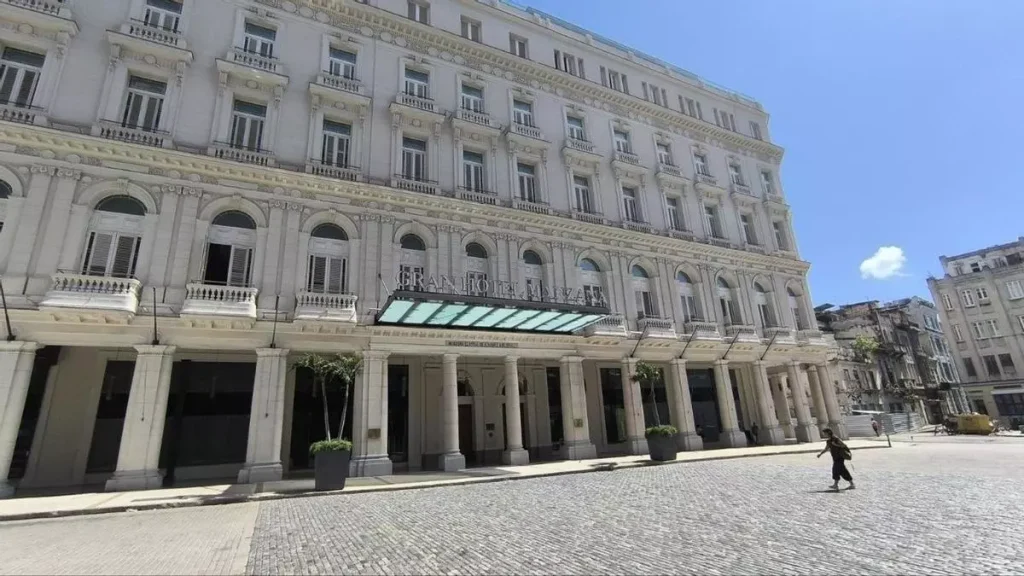
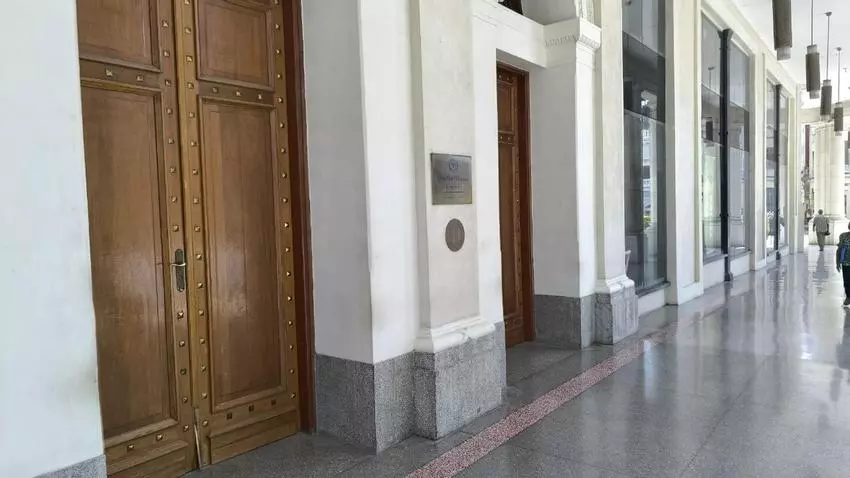
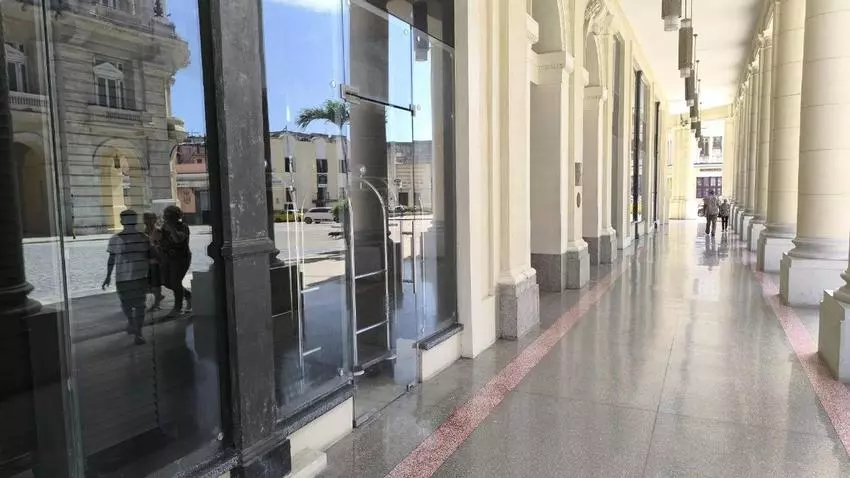
 14ymedio, Madrid, June 15, 2026 / Kempinski, the German-Swiss luxury hotel chain, is maintaining complete silence, but its charismatic Manzana Hotel remains firmly closed at the moment, as 14ymedio was able to confirm. Opened in 2017 as Cuba’s first “high-standard” hotel, the establishment, located in Parque Central, opposite the Capitol Building and in one of Havana’s most important tourist areas, is not accepting reservations until at least August 1, as can be seen on its website when attempting to make a booking.
The Gran Hotel Manzana Kempinski belongs to Gaviota, the tourism company of the military conglomerate Gaesa, as do the other two hotels that the European company once managed on the island. The Cayo Guillermo Resort Kempinski, in the northern keys, was returned to Gaviota and is now called Hotel Playa Luxury Cayo Guillermo. The other property managed by the firm was the Bristol, which in August 2025 was taken over by Meliá. On June 3, when the Spanish hotel chain announced its divestment from 15 properties it managed, it included the Bristol on the list.
The silence and the message that it’s not possible to book the Gran Hotel Manzana until August leaves several questions about the future of the iconic establishment, but the fact that the sector is mortally wounded—for the moment—is undeniable. Tourism figures for May have just been released and reveal the catastrophe. Only 30,883 visitors arrived on the island in the fifth month of the year, although paradoxically, that was 332 more than in April. So far this year, Cuba has received 359,491 international travelers, 58.4% fewer than in 2015 for the same period.
Furthermore, of this meager total, the vast majority arrived in January (184,833), which, while a disastrous figure for a time of year that traditionally saw up to half a million tourists, could still be considered decent. With the announcement of the end of refueling for international flights, most airlines began evacuating their domestic passengers and ended up canceling unsustainable routes. Therefore, February held up, with very poor figures (77,663 passengers), but not yet disastrous. March is the turning point.
The National Office of Statistics and Information (ONEI) also published on Monday the sector’s report for the first quarter of the year, which provides a more detailed look at other figures that highlight the collapse caused by the latest measures from the US government. Tourism in Cuba had not recovered since the pandemic, and the data, after a significant improvement in 2022 and 2023, foreshadowed an unmitigated crisis. But the energy embargo, which has grounded most flights, and the sanctions against GAESA, have dealt a final blow to one of the few sources of foreign currency not only for the state, but also for hundreds of thousands of people who depend on the sector for their livelihood in private businesses, from restaurants and craft shops to street vending.
The first-quarter report is devastating. At the start of this year, only 1.3 out of every 10 hotel rooms were occupied in Cuba. Visitors fell by 48% – 298,057 compared to 573,363 last year – overnight stays also plummeted by half – 1.8 million compared to 3.6 million – and gross revenue dropped from nearly 35 billion pesos (US$52 million, according to the informal exchange rate of 670 to 1) to around 20 billion. And all this considering that January was still considered a “normal” month.
The losses aren’t limited to hotels. The Onei* report, which includes quarterly revenue figures for other sectors, shows enormous declines across the board. The overall change has been from 48.4 billion to 27.9 billion pesos, but the hardest hit sector is gastronomy, which has lost almost half its revenue – from 19 billion to just 10 billion. This is followed by lodging, which has fallen from 14 billion to 8 billion pesos, transportation – from 5.7 billion to 3.9 billion – and retail – from 2.1 billion to 1.5 billion.
In addition, this report includes data on tourist arrivals by nationality for the month of March alone, providing a broader perspective on the catastrophe that is only hinted at when looking at cumulative figures. For example, in March 2025, 98,714 Canadians visited Cuba, while a year later, only 512 did: a drop of 95.5%, the steepest decline of all. It is worth noting that no Canadian airline—the leading source of tourists to the island for decades—currently operates flights to Cuba.
Flights from Russia were also abruptly suspended that same February, effectively drying up that market, which was expected to be the miracle cure for Cuban tourism, especially after the 2022 invasion of Ukraine and the sanctions that banned Russian planes from European airspace. In March 2025, although the strategy was already proving ineffective, 11,135 Russians arrived on the island, compared to just 250 in the same month this year: a loss of over 97%.
These are the most significant drops, although no country escapes the declines, which mostly hover around 60% or 70%. Only two origins remain stable, and they are practically one and the same: the US. The Cuban community abroad contributed 11,256 travelers that month, half the number from a year ago, while Americans reached 5,243, almost a third compared to 2015, but not so bad when compared to other travelers.
Amid this shipwreck, the Cubanacán Group held a summer tourism fair this past weekend on the Comodoro Hotel boulevard, which has generated much criticism among the population. State agencies have tried to promote offers in destinations like Varadero, Viñales, and the Zapata Swamp, with free admission for children. But domestic tourists are not in the mood to travel, and international tourists, whose options have been severely limited, need almost a personal incentive to choose Cuba as a destination now, when most foreign affairs agencies worldwide advise against it.
Last Friday, when Miguel Díaz-Canel convinced the international press of reforms that were neither so extensive nor so new, he mentioned the inclusion of “new players in tourism.” This was, in reality, the only genuine novelty, but barely stated, no one knows what it might entail, because the attempt to get emigrants to invest in the sector is nothing new and has fallen on deaf ears. The US gaining the coveted control of the hotels remains the prediction of many experts, but we will have to wait to see if the regime relinquishes this key piece.
*National Office of Statistics and Information
______________________
COLLABORATE WITH OUR WORK: The 14ymedio team is committed to practicing serious journalism that reflects Cuba’s reality in all its depth. Thank you for joining us on this long journey. We invite you to continue supporting us by becoming a member of 14ymedio now. Together we can continue transforming journalism in Cuba.