Immigration policy has oscillated between privilege and punishment
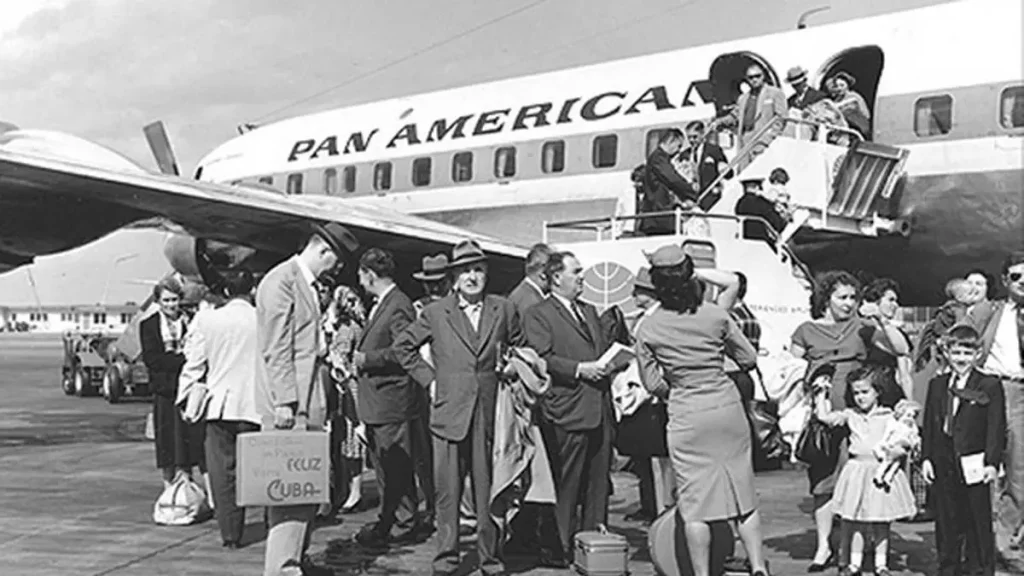
 14ymedio, Rafael Bordao, Miami, 27 October 2025 — There is no exile without loss, but the anti-Castro Cuban exile has also carried a more subtle and corrosive form of loss: that of recognition. From the first days after the triumph of the Revolution, those who dared to dissent and leave the island were marked not only by the pain of separation, but by a persistent hostility disguised as indifference, suspicion, and silence.
Castro’s skillful and tenacious propaganda has managed to infiltrate the most intimate fabric of cultural and academic life in the United States, Latin America, and Europe. In universities, at film festivals, in publishing houses, and in the media, the official narrative has been repeated so effectively that the anti-Castro exile appears as an uncomfortable, almost anachronistic figure: the “worm,” the reactionary, those nostalgic for a past that, we are told, deserved to die.
In Spain, where the cultural left has embraced a romantic vision of the Cuban Revolution for decades, exiles have been received coldly, if not with outright animosity. They have been denied the right to complexity, to contradiction, to plural memory. But something is changing. The growing presence of Cubans in Spanish territory has begun to erode this monolithic narrative. Direct experience, human closeness, and the voice of those who have experienced repression and scarcity are opening cracks in the wall of propaganda.
Exile is not just a wound: it is also a form of resistance.
In the United States, paradoxically, where many exiles found refuge, they have also faced the weight of suspicion. Immigration policy has oscillated between privilege and punishment, and new exiles, especially those who arrive after denouncing the regime, face a system that demands proof of suffering while denying them empathy.
Hostility toward the anti-Castro exile isn’t always expressed in shouts. Sometimes it is omission from textbooks, exclusion from academic panels, mockery in intellectual circles. It is the silence surrounding their testimonies, the discomfort their presence provokes.
But exile is not just a wound: it is also a form of resistance. Every voice that rises against the single narrative, every story told from a fractured perspective, every gesture of memory that defies propaganda, is an act of dignity. And that dignity, though often ignored, is what sustains the truth in the face of oblivion.
____________
COLLABORATE WITH OUR WORK: The 14ymedio team is committed to practicing serious journalism that reflects Cuba’s reality in all its depth. Thank you for joining us on this long journey. We invite you to continue supporting us by becoming a member of 14ymedio now. Together we can continue transforming journalism in Cuba.