“These people have spent more than half their lives in the US and they have no one in Mexico.”
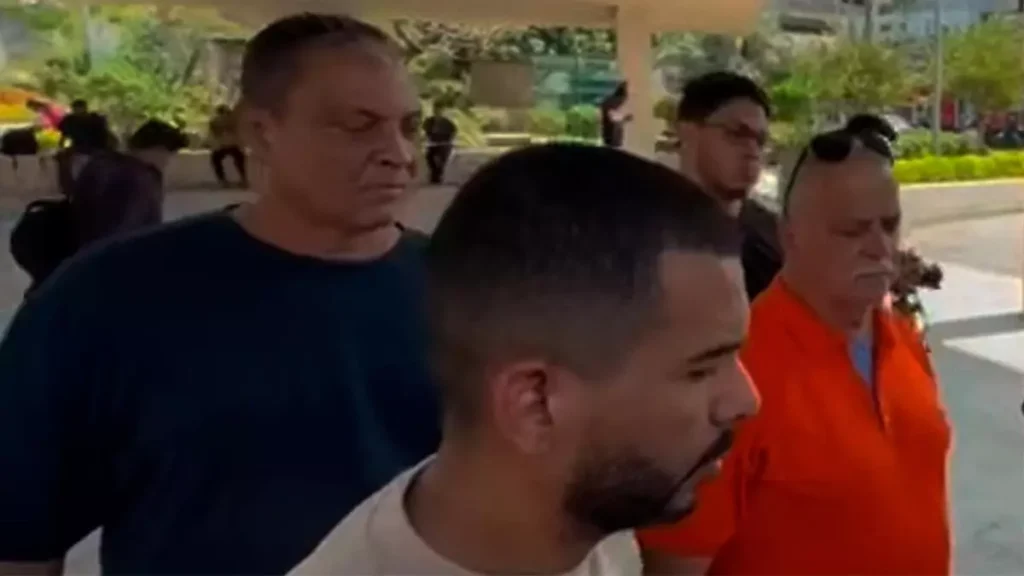
 14ymedio, Angel Salinas, Mexico City, April 10, 2026 / Tapachula, in the state of Chiapas, has become the epicenter of deportations from the US of Cubans, Haitians, Mexicans, and Salvadorans. “Mexico is doing the dirty work; today it accepts people that the Donald Trump administration doesn’t want—people with criminal records and the elderly, people who are abandoned without papers or money,” says lawyer Jacinto Gómez.
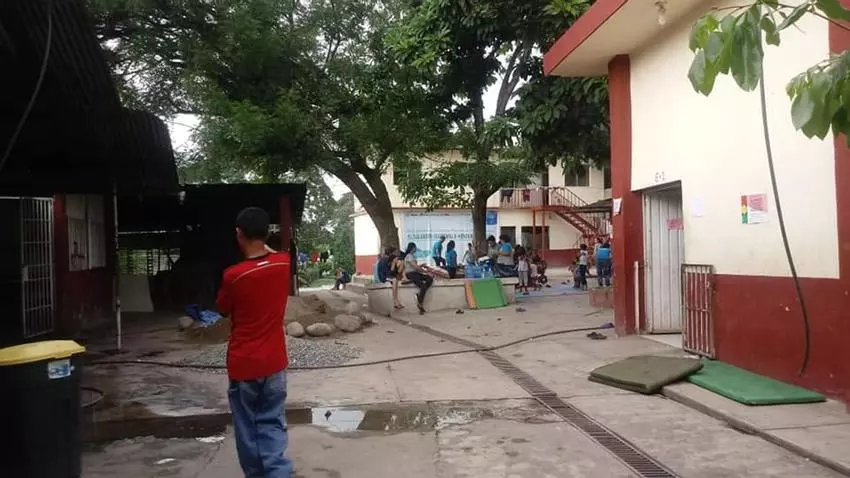
At the Jesús el Buen Pastor del Pobre y el Migrante shelter, there are seven Cubans. The oldest, Olga Sánchez Martínez, the center’s director, tells 14ymedio, is about 65 or 75 years old. “These people have spent more than half their lives in the US; they have children, family, property, but they were deported and have no one in Mexico.”
Doña Olga, as the migrants call her, has accepted these Cubans regardless of their history. “They need help; most are between 40 and 50 years old, and many of them have spent days without food and sleeping on the street.”
At the shelter, located almost 20 minutes from downtown Tapachula, migrants find a place to sleep, shower, and eat, “for as long as they need.” The facility, which has been receiving migrants for decades , has a capacity for 1,500 people, but is currently housing only 90. In addition to Cubans, “there are Nicaraguans, Haitians, Salvadorans, Africans, and Mexicans.”
Despite being expelled, the island’s nationals, Sánchez says, “are hoping to return when Trump leaves the White House. They are waiting for changes.”
More than 500 Cubans have been deported by the US between March and the beginning of April. The director of the Center for Human Dignity, Luis Rey García Villagrán, denounced the apathy of the authorities toward their requests for immigration regularization. They are allowed to fill out the forms and “in the best-case scenario, are told to wait three to four months to receive an email that will never arrive.”
The shelter is sustained by Sánchez Martínez, who also owns a small store: “That’s where the money comes from to cover the electricity, water, and food expenses.” The state government helped him this year with bathroom renovations. “Health authorities come to the shelter twice a week to provide medical care.”
Sánchez began supporting migrants in 1992, helping those who “fell off the train and lost legs or an arm,” she says, referring to the freight train known as La Bestia (The Beast), which travels north-south through Mexico carrying all kinds of goods, while migrants sneak on for a ride north. She continued even when authorities pressured her to stop the aid. “The train left, but the migrants kept arriving, first a few, then thousands, and they know they won’t lack food or shelter.”
During the day, the migrants go out in search of work; “there is work on the farms, harvesting bananas, papayas, and coffee.” Because of their circumstances, the wages are low; they earn 150 pesos a day (a little over $8) when the average wage is 270 pesos ($15.60) per day.
While some deported Cubans hope to return to the United States, others have expressed their desire to go back to the island. One of them is William Herrera López, who told Diario del Sur last March that, given the lack of opportunities in Tapachula, he was seeking Mexico’s support to return to his country. “I’m 53 years old and I’d like to be sent back to my country. There I have my mother, siblings, nephews, and a humble little house where I can stay, not here in a place I don’t know and am completely alone.”
Óscar Rodríguez, another of those expelled by the US, lamented: “Work is hard here, it’s poorly paid, and it’s not enough. The truth is, all we can do is ask to be sent back to Cuba or given the opportunity to move to another part of Mexico, because things are complicated in Tapachula.”
______________________
COLLABORATE WITH OUR WORK: The 14ymedio team is committed to practicing serious journalism that reflects Cuba’s reality in all its depth. Thank you for joining us on this long journey. We invite you to continue supporting us by becoming a member of 14ymedio now. Together we can continue transforming journalism in Cuba.