In 2016, an ambitious project was announced that promised to bring the street back to life but it ultimately it stalled.
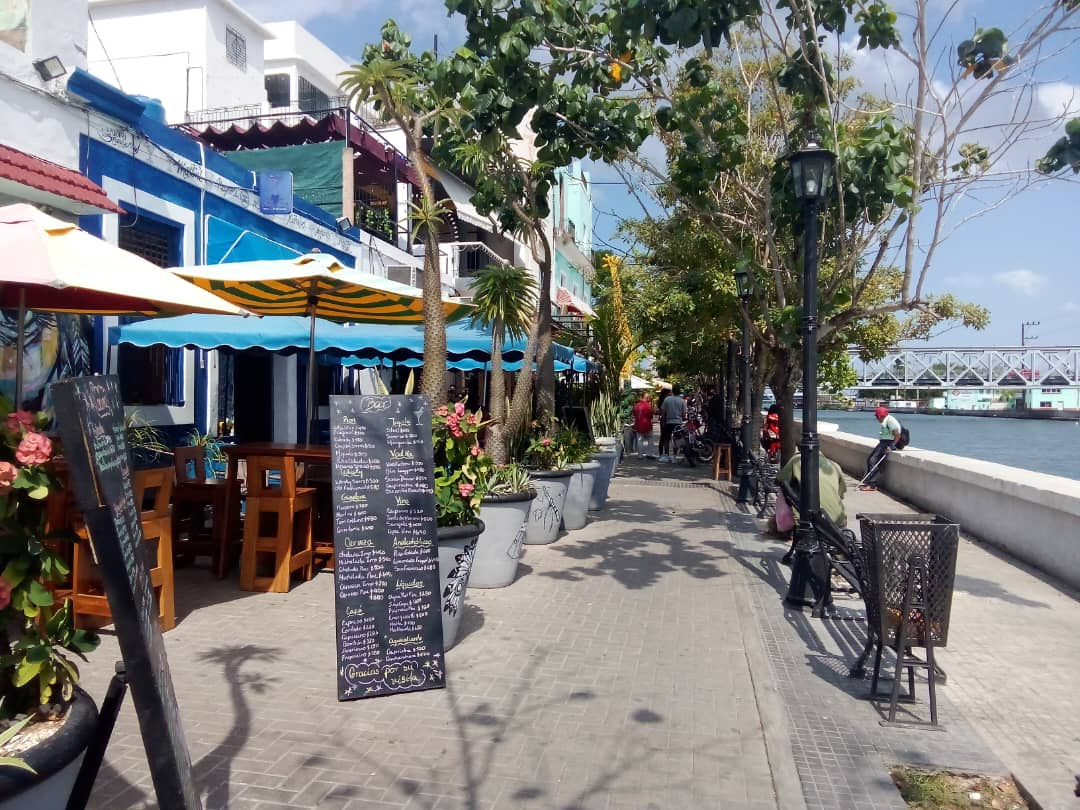
 14ymedio, Julio César Contreras, Matanzas, 1 August 2025 — On the banks of the San Juan River in Matanzas, an ambitious project sponsored by the City Conservation Office promised to restore vitality to Narváez Street. The plan included a boulevard that would stretch for several blocks. Retail shops and restaurants, both private and public sector, were to be located along its banks, offering cultural and recreational opportunities for a diverse clientele. With the added attraction of a waterside promenade with sculptures integrated into the surroundings, the space seemed destined to become a meeting point for Matanzas’ residents and visitors.
In early 2016, cafes and bars began to open in the first block. The idea was that more would gradually open up further along the street but the initial burst of growth quickly stalled. “My grandson filed an application to rent a space and convert it into a restaurant but, from the very beginning, these locations were set aside for influential people within the government. He had to abandon this idea and ended up leaving the country” says Gerardo, who claims that in the last five years “virtually nothing of the original project has moved forward.”
The signs of decline are clearly visible. “The 3D Salon is shut down and the wifi connection in the cafe is terrible. Those two businesses are state-owned but the decline is also obvious in the music school and the artisan workshop,” Gerardo notes. What was supposed to be a major cultural and social attraction is now just a “broken promise.” Instead of new businesses opening, some spaces have closed or were demolished, such as the boat-shaped restaurant built on the river, which went bankrupt due to lack of resources.

There was a time when walking along Narváez Street at night meant being immersed in a constant hustle and bustle. “This place used to be packed with people, especially on weekends,” recalls Mabel, a former employee of the For Love of Art café. “Back then, an espresso cost 25 pesos and a beer 50,” she reports. But when prices rose, traffic plummeted. With a cup of coffee now selling for 200 pesos, a milkshake for 500, and a pizza for around 900, customers are scarce. “A traditional Cuban meal will cost you at least 1.500 to 2,000 pesos,” adds Mabel, who ended up looking for another job after her income fell.
“It’s not the fault of the bar owners,” she says. “They have to pay the rent, the taxes, the workers’ salaries and buy most of their supplies on the black market, where prices are sky-high. You can’t really blame them.”
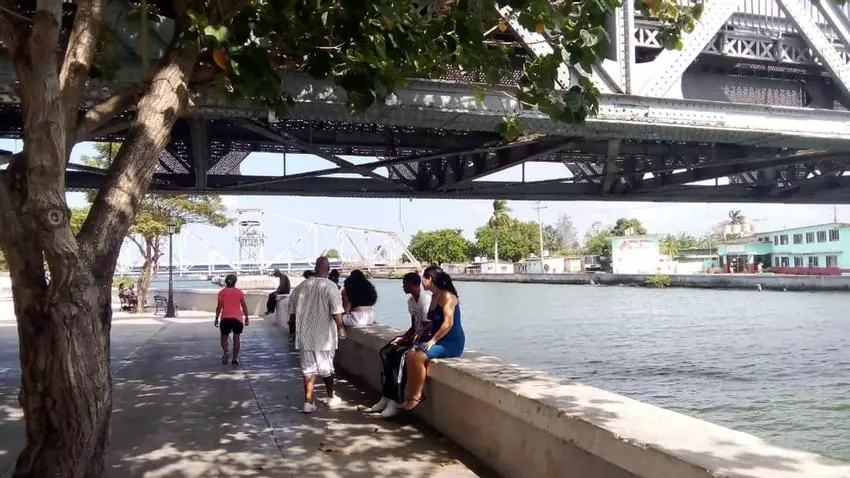
On the sidewalk outside the bars, portable kiosks have proliferated . While they offer somewhat lower prices, they remain unaffordable for most people. “There’s not much difference,” says Damián, a young man who spends afternoons with his friends under the Tirry Causeway bridge. “Inside, you have loud music and air conditioning. Out here, we have the breeze from the trees and the river, which is still free.”

Damián claims there are two side-by-side versions of Narváez. One can be found inside the bars and cafes, “for people with money.” They are almost always empty, their bored waiters not even noticing the pedestrians walking by. “I belong to the other Narváez, where people don’t have 1,800 pesos for a bottle of rum. I see parents here taking the last bit of money out their wallets to buy their children a 50-peso lollipop. Young people like me paint graffiti on the walls and dream about leaving Cuba.”
What promised to reinvigorate the so-called “city of bridges social and cultural life now, in 2025, looks like an abandoned project. In Narváez, it is common to see people of all ages begging for money or rummaging through trash cans. “This is our own Cuban resort,” says Damián. “We don’t have tourists or dollars but we do have music from our cell phones and want to have a good time with friends. I come here every afternoon, looking for what was supposed to be here but isn’t. And knowing that it probably never will be.”
____________
COLLABORATE WITH OUR WORK: The 14ymedio team is committed to practicing serious journalism that reflects Cuba’s reality in all its depth. Thank you for joining us on this long journey. We invite you to continue supporting us by becoming a member of 14ymedio now. Together we can continue transforming journalism in Cuba.