The regime has also “not had the will to guarantee immediate and unconditional freedom for prisoners of conscience such as Luis Manuel Otero Alcántara, Maykel Castillo, Loreto Hernández, Roberto Pérez Fonseca or Sayli Navarro”
 EFE/14ymedio, Havana, 17 February 2025 — The NGO Amnesty International (AI) accused the Cuban government on Monday of “irregularities” and “lack of transparency” in the process of releasing 553 prisoners, which was announced following the agreement between Washington and Havana, mediated by the Vatican and announced in the last days of Joe Biden’s presidency.
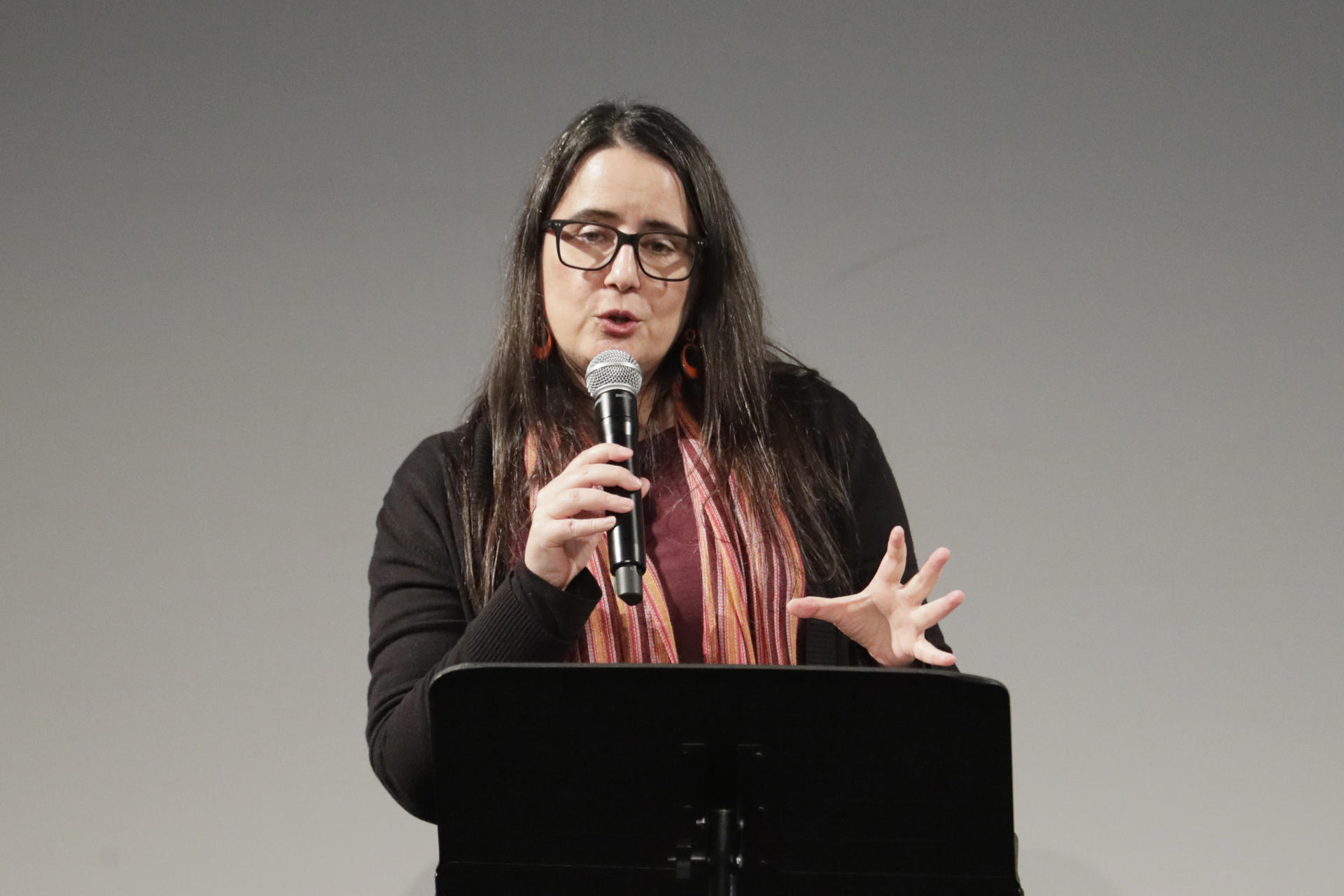
In a statement by AI, the organization’s Director for the Americas, Ana Piquer, criticized that the authorities on the island “have not acknowledged the existence of people detained for political reasons” and have “not published a list of names of those who will be included in this process.”
Piquer stated that the regime has also “failed to show the willingness to ensure the immediate and unconditional release of prisoners of conscience such as Luis Manuel Otero Alcántara, Maykel Castillo, Loreto Hernández, Roberto Pérez Fonseca, and Sayli Navarro.”
Six days before leaving the White House, Biden removed Cuba from the list of state sponsors of terrorism. Hours later, the Cuban Ministry of Foreign Affairs confirmed that it would begin a process of releasing 553 people convicted of “various crimes.”
“People imprisoned for political reasons have once again been used in a dehumanizing manner.”
Officially, Havana has never linked the removal of Cuba from the list of state sponsors of terrorism with the release of prisoners—only Washington has mentioned an agreement—and it quickly rushed to clarify that those benefited were granted conditional release, so their sentences were not extinguished.
Various organizations, such as Prisoners Defenders and Justicia 11J, warned that the releases were halted over the weekend before Donald Trump took office on January 20th. One of the first decisions made by the current U.S. president was to reintroduce Cuba to the blacklist.
“The possible cancellation or pause of the releases is alarming, as it would seem to show that people imprisoned for political reasons have once again been used in a dehumanizing manner, as bargaining chips in a political game, without their lives, physical integrity, and rights being taken into account,” criticized Piquer in the statement.
According to the NGO, 172 prisoners have been released, and another nine have received some change in their legal status, mostly participants in the anti-government protests of July 11, 2021 (11J). Prisoners Defenders, for its part, counts 200 released political prisoners and has confirmed that some common prisoners have also been released.
Among those benefited are historical dissidents, such as Félix Navarro and José Daniel Ferrer, and activists like Pedro Albert Sánchez, Luis Robles, and the Lady in White Tania Echeverría. However, many prisoners considered political remain in prison, including some with international recognition, such as artists and activists Luis Manuel Otero Alcántara and Maykel Osorbo, who have been classified as prisoners of conscience by Amnesty International.
Translated by Gustavo Loredo
____________
COLLABORATE WITH OUR WORK: The 14ymedio team is committed to practicing serious journalism that reflects Cuba’s reality in all its depth. Thank you for joining us on this long journey. We invite you to continue supporting us by becoming a member of 14ymedio now. Together we can continue transforming journalism in Cuba.