The decision also upholds the convictions of three other defendants for participating in a demonstration in Villa Clara in 2024.
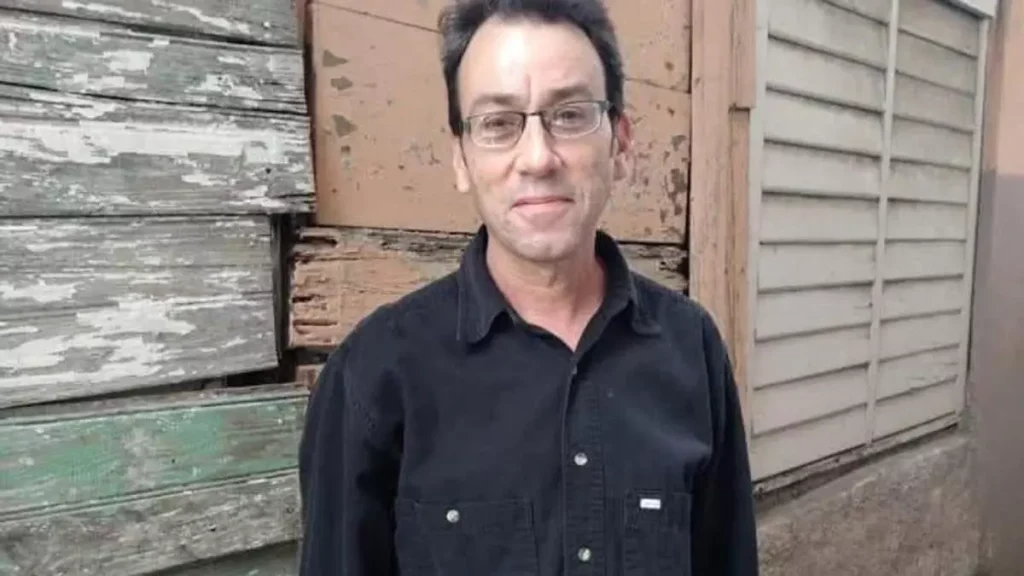
 14ymedio, Madrid, July 31, 2026 / Cuba’s Supreme Court upheld the six-year prison sentence against writer and independent journalist José Gabriel Barrenechea Chávez, winner of the Patmos Prize and contributor to 14ymedio. The independent organization Justicia 11J confirmed the news after obtaining the ruling, dated July 28, which upholds the decision issued by the Villa Clara Provincial Court on January 15 and establishes that no further appeals are possible.
The same document also confirms the eight-year prison sentences for Yandri Torres Quintana; seven years for Rafael Javier Camacho Herrera; and five years for Rodel Bárbaro Rodríguez Espinosa. All were convicted of the same crime of public disorder after participating in a peaceful protest against power outages in November 2024 in the municipality of Encrucijada, Villa Clara.
The defense had filed an appeal and challenged the assessment of the evidence. In the cases of Barrenechea, Torres Quintana, and Rodríguez Espinosa, the lawyers argued that the alleged conduct was protected by the right to complain and freedom of expression. The Supreme Court rejected all arguments and upheld the convictions.
The ruling also upholds the eight-year prison sentences for Yandri Torres Quintana; the seven-year sentence for Rafael Javier Camacho Herrera; and the five-year sentence for Rodel Bárbaro Rodríguez Espinosa.
The provincial court’s ruling stated that the defendants acted with “the intention of destabilizing public order and creating insecurity among the population,” and that these actions justified the lengthy prison sentences ultimately imposed. The ruling also included considerations regarding the defendants’ conduct and personal relationships. In Barrenechea’s case, it maintained that he “associated with people of questionable morals and social conduct” and that he “had no recognized employment relationship,” despite the fact that the writer and journalist practiced his profession independently.
The trial, held on September 24, 2025 , was marked – according to complaints from family members and independent organizations – by numerous irregularities that are often repeated in trials against government critics: vague accusations, rejection of exculpatory evidence, and a clearly discouraging environment for defense witnesses.
Barrenechea, a novelist, essayist, and contributor to 14ymedio, has for years been a highly critical voice in the debate surrounding authoritarianism, economic stagnation, and the moral crisis of the Cuban political system. His liberal thinking, his defense of pluralism, and his constant analyses of civil society have made him a frequent target of interrogations, police summonses, and pressure, as this newspaper has reported since at least 2016.
The writer entered prison – initially on provisional detention – in November 2024, at La Pendiente prison in Santa Clara. There he has endured the usual precarious conditions of Cuban prisons, including restrictions on visits, obstacles to receiving medicine and food, and isolation that has taken a toll on his health.
The journalist suffered a particularly painful event during his stay at the La Pendiente penitentiary: the loss of his mother, without being allowed to say goodbye to her.
In addition, the journalist suffered a particularly painful event during his time at La Pendiente prison: the loss of his mother —who died of cancer in May 2025 —without being allowed to say goodbye. The Cuban Observatory for Human Rights, based in Madrid, described the prison authorities’ decision as part of a pattern of “systematic psychological pressure” aimed at breaking the accused and sending a warning message to other intellectuals and activists. The organization had repeatedly called for Barrenechea and his co-defendants to be acquitted: “It is a political case from beginning to end.”
Johanna Cilano, Amnesty International’s researcher for Cuba, had expressed a similar sentiment, saying about this case: “Protest is a right, no one should be imprisoned simply for exercising their human rights.”
On Friday, Justice 11J denounced that in Cuba, “the expression of citizen discontent continues to result in sentences of years in prison.” The organization demanded the release of those convicted and emphasized: “The right to peaceful assembly and freedom of expression protect demonstrations and protests as forms of public participation. Restrictions on these rights must be legal, necessary, and proportionate, and cannot be used to discourage their exercise, as has occurred in this case.”
______________________
COLLABORATE WITH OUR WORK: The 14ymedio team is committed to practicing serious journalism that reflects Cuba’s reality in all its depth. Thank you for joining us on this long journey. We invite you to continue supporting us by becoming a member of 14ymedio now. Together we can continue transforming journalism in Cuba.