There is no Churchill, no Lincoln, no Adenauer, but boastful leaders abound.
 14ymedio, Federico Hernández Aguilar, San Salvador, May 21, 2026 / The world suffers from a dramatic shortage of character. The great personalities of yesteryear have practically disappeared. International politics is a wasteland: the principles of yesteryear have been forgotten; the great ideals, shelved. There is no Churchill, no Lincoln, no Adenauer. But there is an abundance of boastful leaders, bombastic speeches, and ridiculous bravado.
Nicolás Maduro had convinced himself that he would never be held accountable. But within an hour, his dream of unlimited power transformed into a nightmare of reality. Suddenly, the armies of sycophants and the massive demonstrations in the public square evaporated before his eyes.
Meanwhile, other “strongmen”—in Havana and Managua—found their knees trembling. So many years of blaming the “empire” ended, suddenly, in moving calls for neighborly harmony. Nicaraguan President Daniel Ortega, who, through a haze of conscience, recalls his revolutionary days whenever he takes a microphone, now has to be silenced on state television by his paranoid wife, who fears ending up in jail like Cilia Flores, the disgraced Venezuelan first lady.
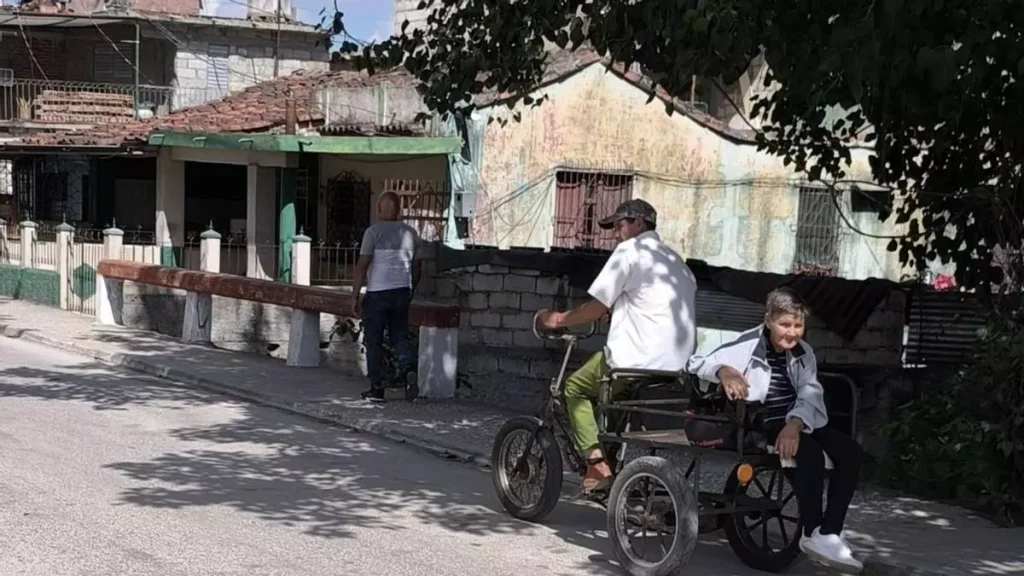
Barely echos remain, in Cuba, of Fidel’s old rhetoric against the United States. Yesterday, the Florida federal prosecutor’s office filed criminal charges against the nonagenarian Raúl Castro for the downing of two civilian aircraft when he was still the newly appointed head of the Cuban Armed Forces. A nervous breakdown! Even the director of the Central Intelligence Agency—the much-maligned CIA—is being greeted with handshakes in Havana.
While Maduro, Díaz-Canel, and Ortega ceased to be strong overnight, other leaders have needed to engage in stupid wars to realize their weakness.
No one knows what message John Ratcliffe carried with him, but his official visit to Cuba is a complete humiliation. If Fidel were to rise from the grave, he wouldn’t recognize the country he shaped for almost continue reading
But if Maduro, Díaz-Canel, and Ortega lost their power overnight, other leaders have needed to become embroiled in senseless wars to realize their weakness. Vladimir Putin was so confident of victory in Ukraine that four years ago, according to internal reports, he told the Russian military leadership that he would take Kyiv in a matter of hours. As of May 2026, those hours have stretched into fifty months, exceeding the time the Soviet Union spent fighting the Nazis during World War II.
Thanks to the Ukrainian debacle, Putin’s political decline has been the worst of his authoritarian career. Independent polls show plummeting approval ratings, exacerbated by public weariness with the war and growing discontent with the unjustifiable internet restrictions. Even the lavish military parade on May 9—commemorating the decisive Soviet victory over Hitler—was threatened by drone strikes over Moscow. Being so far from victory in Kyiv is the closest thing to a major defeat, and Putin has never appeared so weak and subdued.
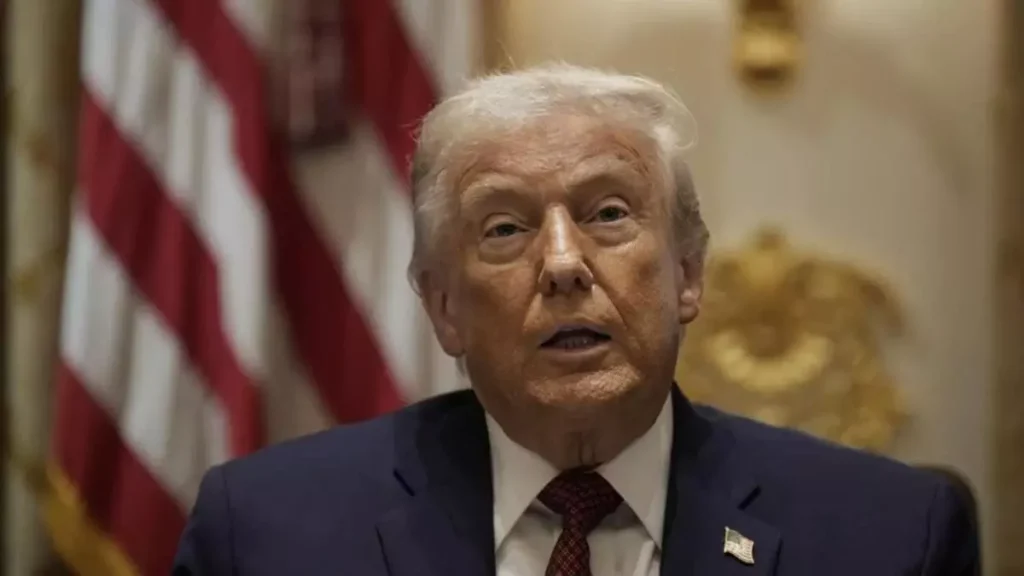
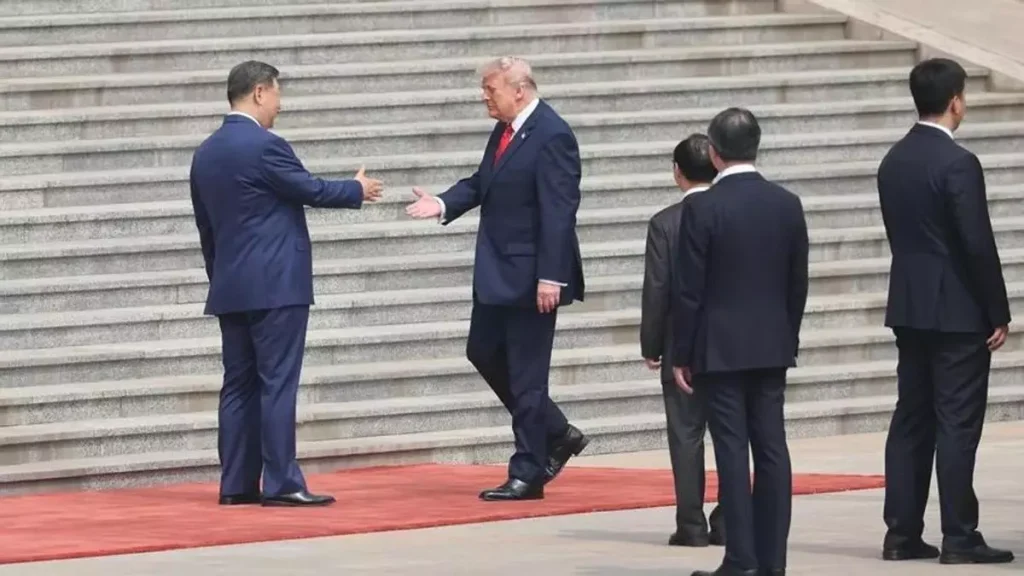
As for the powerful Donald Trump, who until recently believed himself immune to setbacks, now also has his own disastrous war to contend with. Iran has been the most evident setback in his relentless march toward global hegemony, to such an extent that he has had to fly to China to meet with the only person who can help him bring order to his chaos: Xi Jinping. The resilient Shiite regime, for its part, is rubbing its hands with glee. An official newspaper in Tehran ran the headline: “Trump visits China in the shadow of failure and stagnation.” And it is true.
Donald Trump, who until recently believed himself immune to setbacks, now also has his own disastrous war.
The US president also looked exhausted in Beijing. Striding heavily through the streets of the sprawling Chinese metropolis, he appeared to be weighed down by several burdens: an economic crisis resulting from his tariff madness—the Peterson Institute for International Economics estimates that the White House’s trade policy has cost each American household $1,600 annually—a national debt that last year reached 124% of GDP, with a staggering interest payment already exceeding one trillion dollars (equivalent to 20% of total annual revenue); approval ratings so low that they make him one of the most unpopular presidents in American history; and a foreign policy so misguided that the resulting isolation has ultimately driven him into the arms of his main economic and technological adversary.
Xi Jinping, however, is not invulnerable either. The strength of communist control is also the source of its main economic weaknesses. China has yet to recover from the calamitous effects of the pandemic, insists on state control of production decisions, lacks its own engines to consolidate its technological revolution, and continues to depend on the US and Europe for growth.
No one, therefore, is strong enough to impose their will on the rest of the planet, no matter how loudly they proclaim it. Those who believe themselves strong are, in reality, weaker than they think, and those who at first glance appear weak, in practice, possess more strength than their adversaries would admit.
______________________
COLLABORATE WITH OUR WORK: The 14ymedio team is committed to practicing serious journalism that reflects Cuba’s reality in all its depth. Thank you for joining us on this long journey. We invite you to continue supporting us by becoming a member of 14ymedio now. Together we can continue transforming journalism in Cuba.