It is a likely probability. It is known that the Castros are unpredictable. At times, they attempt to behave like brothers respectful of international norms. The truth is the rules of democracy and human rights agreements are instruments against which the government in Havana holds grudges.
The three-way negotiations between General Raul Castro with the Cuban Catholic Church, Spanish Foreign Minister Miguel Ángel Moratinos and a left-wing branch of Barack Obama’s administration, which culminated in the agreement to release the 52 prisoners of conscience from la primavera negra del 2003 (the black Spring of 2003) and promises to reach out to more political prisoners on the island, could become a sterile gesture.
Since Castro II’s speech on the 1st of August, alarms were set off in the Cuban Secret Services. The General did a 360 degree turn on the alleged easing of tensions and sent a return message to the disidencia del patio (courtyard dissidents).
He said it clearly. Do not confuse tolerance with impunity. The street belongs to the revolutionaries. We know what that means. Beatings by the “pueblo indignado” (incensed citizens), acts of repudiation and thorough verbal lynchings to those who oppose the regime.
State Security took note and began work to gather the necessary pieces in the best way it knows how: repression. On the 5th of August, a date on which the sixteenth anniversary of the maleconazo* is commemorated, the political police conducted an extensive operation against dissidents and independent journalists who that day went to the United States Interests Section to surf the Internet.
Dozens of opponents where detained for up to 12 hours. All detainees were warned that there would be no impunity. As part of the strategy, citations and warnings have been issued to independent journalists in different provinces.
Reina Luisa Tamayo suffers fierce harassment at her home in Banes, Holguín, 700 kilometers (approximately 435 miles) from Havana. They were not satisfied that Reina had lost her son, Orlando Zapata Tamayo, after an 86 day hunger strike, last February 23rd.
She is the Lady in White who has been treated most rudely by the political police. They have not respected her pain as a mother nor have they allowed her to mourn as she is entitled to do.
The question that many ask today is what was the reason to unleash such a raid. It could be that the government expects more from the European Union and from the United States. Or, that the release of a handful of prisoners was only a measure to obtain political breathing room and some international credibility.
I have no doubt that there are factions in power with different opinions. At this moment different springs are moving within the status quo. He who manages to impose himself will dictate the rules of the game.
If the ‘talibanes’ (Taliban) succeed, the historic hard-line revolutionaries, we will return to the past. Beware of economic measures and of the iron fist with dissidents. We will have to wait.
Yet something is certain. The hasty negotiations of Castro II, the church and Moratinos, left behind some rough edges. What is important, without a doubt, was the promise to release 52 political prisoners who should have never been in jail.
But apparently neither Cardinal Ortega nor the Spanish Foreign Minister could get General Raul to promise to never again incarcerate someone because of their opinion. Also not on the agenda, was the abolition of the dark Law 88, which continues to float around the air of the Republic. With the strike of a gavel, it allows any prosecutor to put a dissident behind bars for 20 years or more.
The Castros may have decided to start playing hard and without gloves again. A sector of the opposition knows it. It asks itself if there will be new black summers, winters, autumns or springs.
In 51 years of revolution, prisons have always been full of political prisoners. They are valuable bargaining chips. If the regime wants, they could empty them. Also if it wants, it could fill them once again.
Iván García
*Translator’s note: The Malaconazo was a riot that broke out on the Malecon, Havana’s seawall and waterfront arterial.
Translated by: Antonio Trujillo
August 22, 2010
 The first time Valentín set foot in a jail, he was fifteen years old. Up and down the narrow streets of Old Havana, together with a group of delinquents, he set out to steal the purses or video cameras of the unsuspecting tourists.
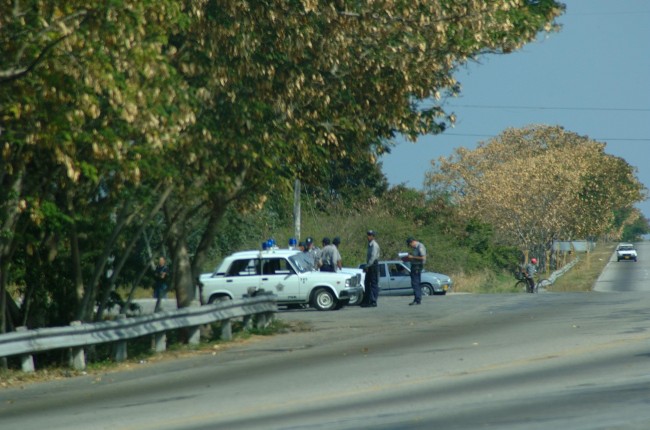
 General Raul Castro is trying to give shape to the land he’s promised. El Dorado, the “Cuban socialist paradise,” requires time and patience. And confidence in the old leaders who have ruled the destinies of Cubans for 51 years.
 Once or twice a week, I connect to the internet from a hotel in Havana. Connections from Cuba tend to be very slow, and the time gets used up trying to send in my work. When I have a few minutes, I go to the blog, but I can hardly ever read and respond to comments.
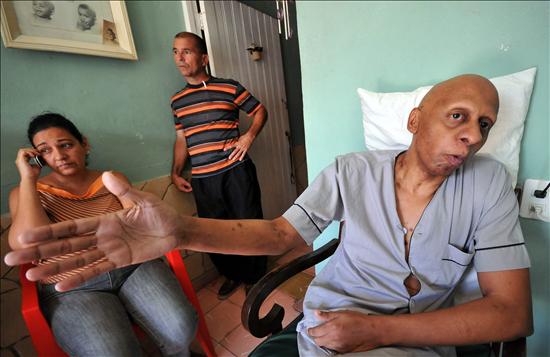 Psychologist and independent journalist Guillermo Fariñas, who was on hunger strike for four months while he demanded freedom for 26 political prisoners, is of the opinion that a step has been taken in favor of the political pulse that sustains the Cuban opposition in the face of the Castro government.
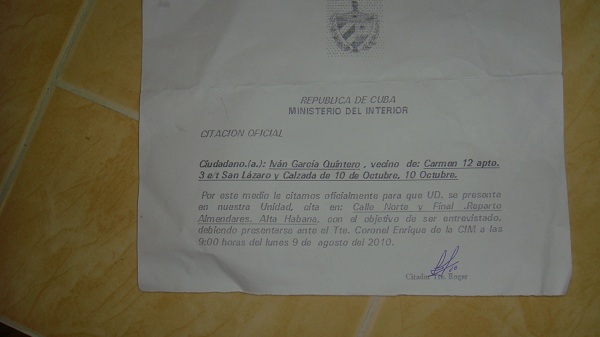 On the morning of August 7th I found out that I was of interest to State Security. My neighbors in the area worriedly told me about two guys who looked like political police agents who were asking about me.
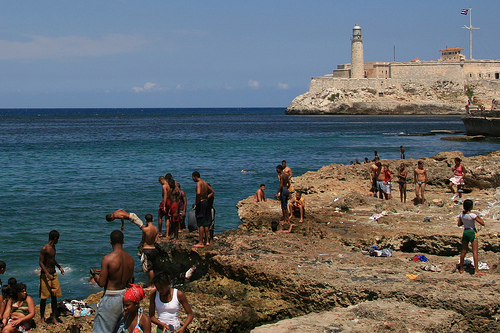 Gerardo, a 52-year-old economist, does not think himself as either a bore or a zombie. However, his wife thinks he is a first-class lunatic. “He has spent his vacation months with a pair of binoculars looking out to Havana bay while taking note of all the ships that enter through this area on his notebook,” his wife says in a very calm voice.